Toothache Relief for Noosa Hinterland Residents: When It’s an Emergency
Have you ever been caught off guard by a sudden, throbbing toothache, leaving you wondering what to do next? The pain can be distracting, making it difficult to eat, sleep, or focus. In that moment, it’s common to feel a wave of uncertainty. You might ask yourself if a saltwater rinse will be enough, or if the ache signals something much more serious. Do you understand the distinction between a minor discomfort that might respond to home remedies and a dental emergency demanding immediate attention?
Many people make the mistake of thinking all toothaches can be “waited out” or fixed with a temporary measure from the chemist. This misconception carries significant risks. Delaying a proper diagnosis not only prolongs your discomfort but can allow a small problem to develop into a complex issue, potentially leading to infection, irreversible damage, or even tooth loss. True and lasting toothache relief comes from addressing the root cause, not just masking the symptoms.
This article is your guide to navigating dental pain with confidence. We will explore the common causes of toothaches and their tell-tale symptoms. You will learn about effective temporary strategies to manage pain at home and, most importantly, how to recognise the vital signals that mean you need to see a dentist right away. For residents in the Noosa Hinterland, understanding these distinctions is the initial move toward getting the prompt, trusted dental care needed to protect your oral health. As Dr. Gordon Christensen, a respected figure in dentistry, once stated:
“The best way to treat a dental problem is to prevent it. But if it happens, early diagnosis and appropriate intervention are key to preserving oral health.”
Key Takeaways
- A toothache is a signal of an underlying dental issue; it should never be ignored.
- Home remedies can provide temporary toothache relief but are not a permanent remedy for the root problem.
- Emergency signs like severe pain, facial swelling, or fever require immediate professional dental care.
- Noosa Hinterland Dental offers prompt, compassionate emergency services for the local community.
- The best way to avoid toothaches is through consistent oral hygiene and regular dental check-ups.
Understanding Toothaches: Causes and Symptoms
A toothache is more than just an inconvenience; it is your body’s alarm system indicating that there is irritation or inflammation within the dental pulp—the sensitive core of your tooth containing nerves and blood vessels. The pain can manifest in various ways, from a sharp, shooting sensation to a constant, dull throb, each offering clues about the underlying problem. While self-diagnosis is never a substitute for a professional evaluation, understanding the potential causes can help you communicate your symptoms more effectively to your dentist.
Several conditions can trigger a toothache, with some being more common than others. Knowing these can help you describe your discomfort with greater accuracy:
- Tooth Decay (Cavities): This is the most frequent culprit. When bacteria in the mouth produce acid, it erodes the tooth’s protective enamel, creating a hole or cavity. If left untreated, the decay can penetrate deeper through the dentin layer, eventually reaching the pulp and causing significant, often throbbing, pain. Sensitivity to sweet, hot, or cold foods is a common early indicator.
- Pulpitis: This term refers to the inflammation of the dental pulp. It often results from deep decay, a traumatic injury to the tooth, or repeated dental procedures. Pulpitis can be reversible (mild inflammation that resolves if the irritant is removed) or irreversible (severe inflammation requiring root canal therapy or extraction). Irreversible pulpitis is characterised by spontaneous pain or pain that lingers after the stimulus is removed.
- Cracked or Chipped Tooth: A fracture, even a microscopic one that isn’t visible to the naked eye, can expose the sensitive inner layers of the tooth to temperature changes and biting forces. This often leads to sharp, sudden pain, especially when chewing or biting down, or when the tooth is exposed to cold air or liquids. Over time, these cracks can deepen and lead to infection.
- Gum Disease (Periodontitis): An infection and inflammation of the gums and supporting bone structures. As gum disease progresses, the gums can pull away from the teeth, creating pockets where bacteria thrive. This recession exposes the sensitive roots of the teeth, leading to a persistent ache, heightened sensitivity, and sometimes a loose feeling in the tooth.
- Dental Abscess: This is a serious, pus-filled infection that can form at the root of a tooth (periapical abscess) or in the gums (periodontal abscess). It typically results from untreated decay, a deep crack, or severe gum disease. An abscess causes intense, throbbing pain that can spread to the jaw or ear, accompanied by swelling, fever, and a general feeling of being unwell. It requires urgent attention.
- Other Causes: Pain can also stem from a variety of less common, but equally uncomfortable, conditions:
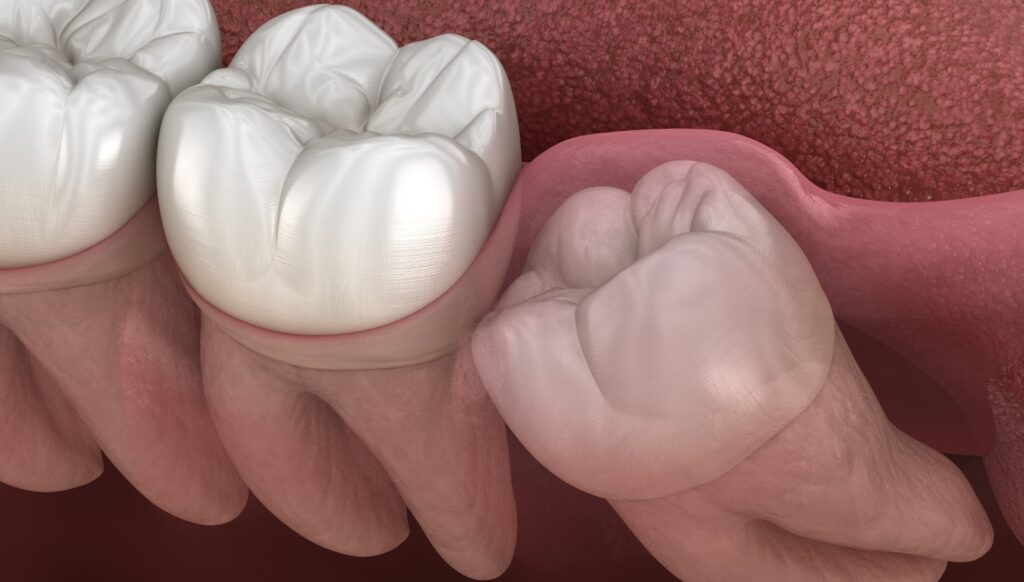
- Impacted Tooth: Such as a wisdom tooth that doesn’t have enough space to erupt properly, causing pressure, pain, and sometimes infection in the surrounding gum tissue.
- Chronic Teeth Grinding (Bruxism): Habitual clenching or grinding of teeth, often at night, can wear down enamel, cause micro-fractures, and lead to jaw pain, headaches, and general tooth soreness.
- Sinus Infections: Maxillary sinus infections can refer pain to the upper back teeth, making it feel like a dental issue when it’s actually related to the sinuses.
- General Sensitivity: From worn enamel, receding gums, or recent dental work.
Recognising associated symptoms is also important. Pay attention to sharp pain when chewing, swelling in your face or jaw, fever, a bad taste in your mouth, or sensitivity to hot and cold temperatures. These signs often point towards an infection and highlight the need for a professional dental assessment.
Immediate Home Remedies for Temporary Toothache Relief
When a toothache strikes, finding fast relief is your top priority. While you wait for your dental appointment, several home remedies can help manage the pain and provide temporary comfort. It is essential to remember that these are stopgap measures. They address the symptoms, not the source of the problem, and they are not a replacement for professional dental care. Delaying treatment can allow the underlying issue to worsen.
Over-the-counter pain relievers are often the first line of defence against dental discomfort, consistent with documented patterns of analgesic use among patients managing dental pain at home.
- Medications like paracetamol (e.g., Panadol) are effective for general pain reduction.
- Anti-inflammatory options like ibuprofen (e.g., Nurofen) can be particularly helpful if swelling is present alongside the pain. Always read the label, follow the dosage instructions carefully, and check for any contraindications or reasons why you should not take them. If unsure, consult a pharmacist.
- Topical numbing gels available from the chemist (containing benzocaine) can also provide short-term, localised relief when applied directly to the sore area. These work by temporarily desensitising the nerve endings.
Beyond medications, several natural and home-based approaches can ease your discomfort:
- A saltwater rinse is a simple yet effective option. Mixing half a teaspoon of table salt in a glass of warm water and swishing it around your mouth for about 30 seconds can help reduce inflammation, dislodge food particles, and act as a mild antiseptic, cleansing the affected area.
- Applying a cold compress to the outside of your cheek for 15-20 minutes at a time can help numb the pain by constricting blood vessels and reduce any swelling. Place a cloth barrier between the ice pack and your skin to prevent frostbite.
- Clove oil contains a natural anaesthetic compound called eugenol. Applying a tiny amount (just one or two drops) to a cotton ball and placing it gently against the sore tooth can offer temporary relief. Be cautious not to swallow too much, as it can cause stomach upset.
- Other remedies include applying a cooled peppermint tea bag against the affected tooth for its mild numbing properties, or elevating your head with an extra pillow at night to reduce the blood pressure to the painful area, which can lessen the throbbing sensation.
While these can provide some toothache relief, a persistent toothache always requires a professional diagnosis. As dental professionals often advise:
“Home remedies can buy you time, but they can’t fix the underlying issue. A dental professional needs to identify the cause to prevent further damage.”
When to Seek Professional Dental Care in the Noosa Hinterland
Knowing when a toothache changes from a manageable discomfort to a dental emergency is vital for protecting your health. For residents of Pomona, Cooroy, and the surrounding Noosa Hinterland, delaying professional care can lead to severe complications, such as a spreading infection or irreversible damage to your tooth. Recognising the warning signs helps you take swift action when it matters most.
There are certain symptoms that signal a dental emergency and require immediate care. Do not hesitate if you experience any of the following:
- Severe, Persistent, Throbbing Pain: If the pain is intense, wakes you from sleep, and is not managed by over-the-counter medications, it indicates a serious problem within the tooth’s nerve or an active infection. Ignoring this can lead to the infection spreading.
- Swelling: Any swelling in your face, jaw, or neck is a major red flag. This often points to a dental abscess, and if the swelling spreads rapidly or affects your throat, it can potentially obstruct your airway, making it a life-threatening situation.
- Fever or Chills: When a toothache is accompanied by systemic signs of infection like a fever, malaise (general feeling of unwellness), or chills, you need to see a dentist immediately. This suggests the infection has moved beyond the tooth itself and is affecting your overall health.
- Difficulty Swallowing or Breathing: This is a critical medical emergency. If swelling from a dental infection impacts your ability to breathe or swallow, you should go to the hospital emergency room immediately if a dental clinic is not available. This signifies a potentially life-threatening infection.
- Pus or Foul Discharge: A visible discharge of pus from around a tooth or in the gums, or a persistent bad taste in your mouth, is a clear sign of an active infection that needs professional treatment. This indicates the body is fighting a bacterial invasion.
- Trauma: A knocked-out, dislodged, or severely fractured tooth from an accident or injury is a time-sensitive emergency. Prompt action within minutes or a few hours can significantly improve the chances of saving the tooth.
Other urgent situations that require an appointment as soon as possible include pain that lasts more than a day or two, pain that interferes with your daily activities, a visible large cavity that you can feel with your tongue, or a loose permanent tooth or filling.
At Noosa Hinterland Dental, we understand the distress a dental emergency can cause. We prioritise urgent cases by offering same-day appointments to provide immediate toothache relief. Our convenient Pomona location serves the entire Sunshine Coast Hinterland, from Cooroy and Eumundi to Tewantin and Traveston, meaning you don’t have to travel far for world-class care. We offer a compassionate, patient-centred approach, with advanced diagnostic technology and sedation dentistry options like Happy Gas and IV sedation to allow even the most anxious patients to feel comfortable. If you experience any of these emergency signs, contact our team immediately.
Professional Dental Treatments & Prevention Strategies for Lasting Oral Health
Professional dental care is the only way to find a permanent remedy for a toothache. Once your dentist identifies the exact cause through examination and X-rays, they will recommend a specific plan to restore your oral health and alleviate the pain permanently. This could involve a range of established procedures:
- Dental Filling: For cavities, the dentist will remove the decayed portion of the tooth and fill the space with a restorative material like composite resin or amalgam, preventing further decay and restoring the tooth’s structure.
- Root Canal Therapy: If the infection or inflammation has reached the tooth’s nerve (the pulp), root canal therapy can save the natural tooth. The dentist removes the infected pulp, cleans and shapes the inside of the root canal, and then fills and seals it. This procedure eliminates the source of pain and preserves the tooth.
- Tooth Extraction: In cases of severe damage, extensive decay, or irreparable infection where other treatments are not viable, a tooth extraction may be the last resort. This is often followed by discussions about tooth replacement options like implants or bridges.
- Dental Crown: To protect a weakened, cracked, or heavily filled tooth, a dental crown provides strength and stability, covering the entire visible portion of the tooth. At Noosa Hinterland Dental, we can often provide these in a single visit with our advanced CEREC technology, reducing the need for multiple appointments.
- Gum Disease Therapy: If periodontitis is the cause, treatments range from deep cleaning (scaling and root planing) to periodontal surgery to reduce pockets and stop bone loss.
- Abscess Drainage: A dental abscess requires immediate drainage of pus and often a course of antibiotics, followed by root canal therapy or extraction of the affected tooth.
- Custom Nightguard: For pain caused by bruxism, a custom-fitted nightguard can protect teeth from grinding and clenching, reducing wear and associated jaw pain.
The best way to deal with a toothache is to prevent one from ever happening. A proactive approach to oral health is your strongest defence against dental pain.
- Maintain excellent oral hygiene: Brush twice daily with a soft-bristled brush and fluoride toothpaste for at least two minutes, and floss every day to remove plaque and food particles from between teeth and along the gumline.
- Schedule regular dental check-ups and professional cleans: Visiting your dentist every six months allows them to detect and address issues like small cavities or early gum disease before they become painful and require more extensive treatment.
- Eat a balanced diet: Minimize your consumption of sugary and acidic foods and drinks, which contribute to tooth decay. Stay hydrated with plenty of water, especially after meals, as it helps wash away food particles and neutralize acids.
- Protect your teeth: Wear a custom-fitted mouthguard during sports activities to prevent traumatic injuries. If you grind your teeth, a nightguard can significantly reduce the wear and tear on your enamel and ease jaw strain.
- Don’t ignore minor symptoms: Addressing small concerns like persistent sensitivity or a slight ache promptly can prevent them from developing into major, painful problems later.
As Dr. John Kois, a leading educator in dentistry, remarked:
“Dentistry is not just about fixing teeth; it’s about helping people maintain their health, function, and appearance throughout their lives.”
At Noosa Hinterland Dental, our focus is on comprehensive care that not only addresses immediate pain but also provides you with the tools and support for lifelong oral health.
Conclusion
A toothache is a serious signal from your body that should never be ignored. While home remedies can offer valuable, temporary comfort, they are not a substitute for professional diagnosis and treatment. Understanding the distinction between a minor ache and a dental emergency—marked by severe pain, swelling, or fever—is vital for your health and well-being. By seeking timely care, you prevent minor issues from becoming complicated problems. Noosa Hinterland Dental is committed to providing the entire community with compassionate, accessible, and high-quality dental services, from urgent care to preventative measures. For any dental concerns, contact our team to secure your lasting oral health and peace of mind.
FAQs
Can a toothache go away on its own?
No, a true toothache almost never goes away on its own because it signals an underlying problem like a cavity or an infection. The pain might temporarily fade, but the cause will persist and likely worsen without intervention. Delaying treatment can lead to more serious complications and more extensive dental work down the road, potentially resulting in tooth loss.
What should I do if my child has a toothache?
First, try to help them rinse their mouth with warm salt water and use a cold compress on their cheek to reduce swelling. You can offer them child-appropriate pain relief like Children’s Panadol or Nurofen, following the dosage instructions carefully based on their age and weight. Contact Noosa Hinterland Dental right away for a professional assessment, as decay and infections can progress quickly in children, and identifying the cause early is important.
Is it safe to fly with a toothache?
It is highly recommended to see a dentist before flying with a toothache. Changes in cabin pressure can significantly worsen the pain, a condition known as barodontalgia or “tooth squeeze.” Air trapped within an untreated cavity, abscess, or even a recent filling can expand with altitude, causing intense pressure and pain. An untreated infection or abscess can become extremely painful during a flight, potentially leading to discomfort that cannot be managed. It is best to get it checked and treated beforehand.
What role does diet play in preventing toothaches?
Diet plays a significant role in preventing toothaches, primarily by influencing the risk of tooth decay and gum disease. Consuming sugary foods and drinks frequently provides fuel for bacteria in your mouth, which then produce acids that erode tooth enamel and lead to cavities. Acidic foods and beverages can also directly weaken enamel. A diet rich in fruits, vegetables, whole grains, and lean proteins helps maintain overall health, including oral health. Chewing fibrous foods like apples and carrots can even help clean teeth naturally. Limiting sugary snacks and beverages, and rinsing your mouth with water after consuming them, are simple yet effective preventative steps.