Wisdom Teeth: Should They Stay or Should They Go?
Quick Answer
Wisdom teeth don’t always need to be removed. If they are healthy, fully erupted, and easy to clean, they can sometimes stay. However, removal is often recommended when they cause pain, infection, crowding, or damage to nearby teeth.
You may need removal if…
- You have ongoing pain or swelling at the back of your mouth
- Food keeps getting trapped around the tooth
- Your gum becomes red, tender, or infected
- The tooth is stuck (impacted) under the gum
- Nearby teeth are being pushed or damaged
What Are Wisdom Teeth?
Wisdom teeth are the third molars at the very back of the mouth. Most adults have up to four — two on top and two on the bottom.
They were useful for our ancestors, who needed extra chewing power for tough foods. Today, our jaws are often smaller, which means there isn’t always enough room for these teeth to come through properly. This lack of space is what leads to most problems.
When Do Wisdom Teeth Erupt?
Wisdom teeth usually erupt between 17 and 25 years of age, although some people never develop them at all. Others may have them form but remain buried under the gum or bone.
Eruption timing varies depending on jaw size, tooth position, and genetics. Some wisdom teeth appear with no issues, while others only partially erupt, creating a space where bacteria can collect.
Common Problems Wisdom Teeth Cause
Wisdom teeth can be troublemakers, especially when they don’t have enough space to grow.
Impaction
A tooth that is trapped under the gum or bone can cause pressure, pain, and swelling.
Infection (Pericoronitis)
Partially erupted teeth can trap food and bacteria under the gum flap, leading to a painful wisdom tooth infection.
Tooth Decay
Because wisdom teeth are hard to reach, they’re more likely to develop cavities.
Damage to Nearby Teeth
An impacted wisdom tooth can push against the tooth in front, causing wear, decay, or gum problems.
Cysts or Other Changes
In rare cases, a sac of fluid (cyst) can form around an impacted tooth and affect surrounding bone.
When Keeping Wisdom Teeth Is OK
Not every wisdom tooth needs to be removed. Keeping them can be reasonable when they are:
- Fully erupted
- Positioned normally
- Easy to brush and floss
- Free from decay or gum disease
- Not causing pain or crowding
Even healthy wisdom teeth should be checked during routine dental visits. Regular monitoring and X-rays help ensure they remain stable over time.
When Removal Is Recommended
A dentist may recommend extraction if there is:
- Repeated infection or gum inflammation
- Pain or swelling
- Tooth decay that cannot be treated properly
- Gum disease affecting nearby teeth
- Impacted teeth causing pressure or damage
- Changes seen on X-rays suggesting risk to surrounding bone or teeth
Every case is different. Decisions are based on a full clinical exam, dental imaging, and a discussion about risks and benefits.
What to Expect at a Wisdom Tooth Consultation in Pomona
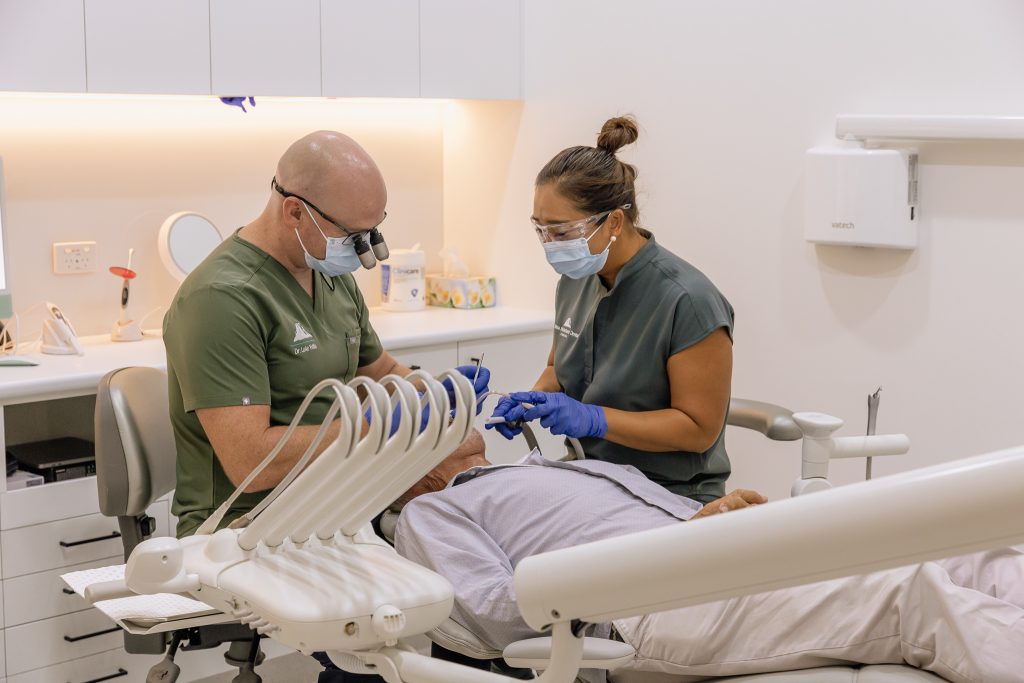
If you visit our clinic in Pomona QLD, your consultation typically includes:
- A detailed discussion about symptoms and dental history
- A clinical examination of your mouth and gums
- Dental X-rays to check tooth position and surrounding structures
- An explanation of whether monitoring or removal is best
- Advice on pain relief and home care
- A conversation about comfort options, including local anaesthetic and possible sedation pathways (if appropriate and available)
This visit is designed to give you clear, personalised information so you can make an informed decision.
Recovery & Aftercare Basics
Most people recover from wisdom tooth removal within a few days to a week, though healing continues for longer beneath the surface.
Normal after surgery:
- Mild swelling and bruising
- Some discomfort, managed with prescribed or recommended pain relief
- Small amounts of oozing from the area
Call the clinic if you notice:
- Severe or worsening pain after a few days
- Persistent bleeding
- Fever or spreading swelling
- Bad taste or smell that doesn’t improve
To reduce the risk of dry socket, follow all aftercare instructions, avoid smoking, and stick to soft foods while healing.
Local Care for the Noosa Hinterland
If you’re experiencing wisdom tooth pain and searching for a dentist near me, early assessment can prevent bigger problems. We regularly see patients from Cooroy, Eumundi, Kin Kin, Cooran and Noosa, helping them understand whether monitoring or wisdom teeth removal Pomona is the right option.
Book a Consultation
If your wisdom teeth are causing discomfort or you’ve been told they may need attention, a consultation can give you clarity and peace of mind. Our team is here to explain your options, answer questions, and support you through every step of care.
Medical Information
This article provides general dental information only and is not a substitute for personalised advice. Always consult a qualified dental professional for diagnosis and treatment recommendations specific to your situation.
Frequently Asked Questions
Do wisdom teeth always need to be removed?
No. Some wisdom teeth grow in normally, are easy to clean, and remain healthy for life. Removal is usually considered only when there is pain, infection, decay, gum disease, or risk to nearby teeth. A dental examination and X-rays help determine whether monitoring or extraction is the best option for you.
What are signs of an infected wisdom tooth?
Common signs include swelling around the gum at the back of the mouth, pain when biting, bad breath, a bad taste, and difficulty opening your mouth. Sometimes there may be visible pus or fever. These symptoms suggest infection and should be assessed promptly by a dentist.
How long does wisdom tooth recovery take?
Initial recovery usually takes three to seven days. Swelling and discomfort tend to peak in the first few days and then gradually improve. Complete healing of the gum and bone takes longer. Following aftercare instructions carefully helps reduce complications and supports smoother healing.
What is dry socket and how can I reduce the risk?
Dry socket occurs when the protective blood clot at the extraction site dislodges too early, exposing bone and nerves. It can cause significant pain a few days after surgery. Avoid smoking, don’t use straws, follow rinsing instructions carefully, and stick to soft foods to help reduce risk.
When should I see a dentist urgently?
Seek urgent dental care if you have severe swelling, difficulty swallowing or breathing, persistent bleeding, fever, or pain that suddenly worsens several days after extraction. These symptoms may indicate infection or other complications that need prompt professional attention.
Can wisdom teeth cause headaches or jaw pain?
Yes, impacted or infected wisdom teeth can contribute to jaw tension, earache-like pain, or headaches. Pressure from these teeth may affect surrounding muscles and joints. A dental assessment can help determine whether your symptoms are linked to your wisdom teeth or another cause.
Is wisdom tooth removal always done under general anaesthetic?
No. Many wisdom teeth are removed using local anaesthetic alone. In some situations, sedation options may be discussed depending on complexity and patient comfort. The most suitable approach depends on tooth position, surgical difficulty, and individual preferences.
What happens if I leave a problematic wisdom tooth untreated?
Untreated issues can lead to ongoing infection, damage to nearby teeth, gum disease, and in rare cases cyst formation. Early assessment helps identify risks before they become more serious, often making treatment simpler and recovery smoother.
Can older adults still have wisdom teeth removed?
Yes, but healing can be slower and risks may be slightly higher compared with younger patients. A dentist will carefully assess medical history, medications, and bone health before recommending surgery in older adults.
How do dentists decide whether to monitor or remove a wisdom tooth?
Dentists consider symptoms, clinical findings, X-rays, age, oral hygiene, and the likelihood of future problems. The decision balances potential benefits of removal against the risks of surgery, ensuring recommendations are tailored to each individual.