Most children are ready for protective coatings on their back teeth when the adult molars first appear, usually around 6 to 8 years of age. These coatings, known as fissure sealants for kids, may be suggested again when second molars come through from roughly 11 to 14 years. At these ages the chewing surfaces are new, a bit fragile and very prone to tooth decay.
Many parents are unsure whether this extra step really matters or if good brushing and fluoride toothpaste are enough. Confusing information online can make the decision feel harder and leave you worried about doing the right thing for your child.
Fissure sealants are thin layers placed over the tiny grooves in molars to block food, plaque and bacteria from starting holes. They are a gentle part of preventive dentistry for kids and are widely used across Australia, including by our team at Noosa Hinterland Dental in Pomona. In this article we explain what sealants are, why children’s back teeth need extra help, how the procedure works, and when they may be worth considering for your child.
So, let us start with the basics and build up a clear picture step by step.
Jump to section
- Do Children Really Need Fissure Sealants?
- What Are Fissure Sealants For Kids?
- Why Are Children’s Back Teeth So Vulnerable To Decay – And How Do Fissure Sealants Help?
- When Are Fissure Sealants Recommended For Children?
- What Happens During A Fissure Sealant Procedure For Kids?
- Are Fissure Sealants Worth It For Kids? Benefits, Longevity, Safety And Ongoing Care
- Ready To Talk About Fissure Sealants For Your Child’s Teeth?
- Frequently Asked Questions
- Conclusion
Do Children Really Need Fissure Sealants?
If you are considering fissure sealants for kids, they can be a simple way to protect new adult molars from decay in the deep grooves that are hard to brush properly.
Fissure sealants are thin protective coatings placed over the chewing surfaces of back teeth. They help stop food, plaque and bacteria from settling into tiny pits and grooves where cavities often begin.
At Noosa Hinterland Dental in Pomona, we assess each child’s teeth, decay risk, brushing habits and molar shape before recommending fissure sealants as part of a gentle, prevention-focused dental care plan.
Key Takeaways
-
Fissure sealants are thin coatings that cover the deep grooves in children’s back teeth. They protect the chewing surfaces where decay often starts. They sit over healthy enamel and do not feel bulky.
-
Children’s molars have narrow pits and grooves that trap food and plaque. These spots are hard to clean, even with good brushing. Sealants smooth those areas so a toothbrush can do a better job.
-
The coatings act as a barrier against food, bacteria and acids. Some materials also release a little fluoride to support enamel strength. Sealants work alongside diet, fluoride toothpaste and regular checks.
-
Research shows sealants can reduce decay in sealed back teeth by about two thirds in the early years after placement. The treatment is quick, needle free and usually very comfortable.
-
At Noosa Hinterland Dental, fissure sealants are part of a gentle, prevention‑first approach for families around Pomona, Cooroy, Cooran, Kin Kin, Imbil and the wider Noosa Hinterland. We also help eligible families use the Child Dental Benefits Schedule (CDBS).
What Are Fissure Sealants For Kids?
Fissure sealants for kids are thin, tooth‑coloured coatings that sit on the chewing surfaces of back teeth to help prevent decay. Dentists place them on the tiny grooves of molars and sometimes premolars, where toothbrush bristles struggle to reach. The material is usually a plastic resin similar to white filling material, and once set it blends in with the tooth.
These coatings are widely recommended in paediatric dentistry across Australia as part of preventive dentistry for kids. A review from Cochrane Oral Health reports that sealants can cut decay in first permanent molars by around 70 percent over the first few years after placement. For many families in Pomona and Cooroy, that may mean:
-
fewer fillings
-
fewer emergency visits
-
less time off school
At Noosa Hinterland Dental, sealants are one of several tools we use to keep children’s smiles healthy. We usually place them on sound teeth that have not yet developed cavities. The aim is to protect vulnerable grooves early, so your child’s adult molars have the best chance to last for life.
“The best filling is no filling at all – stopping decay before it starts is kinder, simpler and more cost‑effective for families.” – Noosa Hinterland Dental Team
Understanding Pits, Grooves And “Fissures” In Children’s Teeth
Children’s back teeth are not flat like front teeth. The tops of molars have a pattern of hills and valleys, with small pits and grooves known as fissures. These grooves help grind food, but they can also trap tiny bits of biscuits, fruit bars or cereal.
You can think of these areas as:
-
Hills – the raised parts your child can feel easily with their tongue
-
Valleys and pits – the small, narrow dips where crumbs and plaque can sit
-
Fissures – the long, thin grooves that run across the chewing surface
In some children the fissures are extra deep and narrow, much like a rough dirt track compared with a smooth footpath. Even careful brushing might skim over the top and leave plaque and food hidden at the bottom of the grooves. According to the Australian Institute of Health and Welfare, around four in ten Australian children aged 5 to 10 already show signs of decay in their baby teeth, and these tricky areas are frequent trouble spots.
Fissure sealants flow into those grooves and harden into a smooth layer. That changes the chewing surface from rough and sticky to more even and easier to scrub clean each day.
Why Are Children’s Back Teeth So Vulnerable To Decay – And How Do Fissure Sealants Help?
Children’s back teeth are vulnerable because deep grooves, frequent snacks and rushed brushing often come together. The first and second permanent molars do most of the heavy chewing and are exposed to food and drinks many times a day. When plaque bacteria meet sugars from cordial, juice or packaged snacks, they create acids that slowly weaken the enamel in those fissures.
Busy family routines in places like Pomona, Cooran and Kin Kin can make perfect brushing hard to achieve every morning and night. Even when children try their best, the bristles rarely reach the bottom of very fine grooves. Over time, those tiny spots can turn into holes that need fillings or even more involved treatment. For many kids, placing pit and fissure sealants on these surfaces is a practical way to lower the risk of tooth decay.
Other reasons children’s molars tend to decay more easily include:
-
New enamel is a little less mineralised and more prone to wear in the early years.
-
Children may not yet have the hand skills to brush thoroughly.
-
Some kids snack or sip drinks over long periods, keeping sugar in the mouth.
-
Orthodontic appliances can trap more plaque around the back teeth.
How Fissure Sealants Work To Protect Kids’ Teeth
Fissure sealants work by forming a thin shield over the vulnerable pits and grooves on the chewing surfaces. The liquid material is painted on, flows into every tiny space, and then sets hard under a special blue light. Once set, it:
-
blocks food and bacteria from settling deep in the fissures
-
makes the area smoother and easier to clean
-
reduces the chance of acids attacking the enamel in those spots
Some modern sealant materials, such as those assessed in the clinical performance of BioCoat™ trial, slowly release a small amount of fluoride, which can help the enamel under and around the coating stay strong. The Centers for Disease Control and Prevention reports that children without sealants have almost three times as many cavities in first molars as those with them.
A few important points for parents:
-
Sealants do not repair existing holes, so any decay must be treated first.
-
They sit on top of healthy enamel and can be checked and maintained over time.
-
They fit best into a wider child tooth decay prevention plan that also includes fluoride toothpaste, a tooth‑friendly diet and regular check ups.
When Are Fissure Sealants Recommended For Children?
Fissure sealants are usually suggested once the permanent molars have fully or almost fully erupted into the mouth. For most children that means:
-
First adult molars at the back appear around 6 to 8 years of age.
-
Second molars appear from around 11 to 14 years.
Dentists often target these ages because the enamel is still fresh and easier to protect before decay starts.
The decision is not based on age alone. At Noosa Hinterland Dental we look at:
-
the depth and shape of the fissures
-
your child’s history of decay
-
brushing habits and fluoride use
-
diet, including snacks and drinks
-
any medical or developmental factors
This helps us decide whether standard fluoride and home care are likely to be enough or whether molar sealants for children would add helpful extra protection. Children with deep grooves, past fillings in baby teeth, braces or higher sugar intake are more likely to benefit.
Which Kids’ Teeth Benefit Most – And How Dentists Assess Need
Dentists pay special attention to the first and second permanent molars because those teeth carry the biggest chewing load for life. If the grooves look deep, stained or plaque‑prone, sealants may be suggested even if there are no holes yet.
Children who have already needed fillings in baby teeth, or who have active decay in other areas, are also seen as higher risk for cavities in the fissures.
We also look closely at lifestyle factors. Kids who:
-
graze on snacks
-
sip sweet drinks
-
play sport with frequent sports drinks
-
struggle with brushing or flossing
often have more plaque on the back teeth. Children with medical or developmental conditions, or who find oral care difficult, may also gain extra benefit from sealants.
The Australian Government Services Australia website explains that the Child Dental Benefits Schedule provides up to a set cap over two years for basic services, including fissure sealants, for eligible children aged 2 to 17. At Noosa Hinterland Dental we bulk bill CDBS services, which means no gap for covered sealant treatment for eligible families.
What Happens During A Fissure Sealant Procedure For Kids?
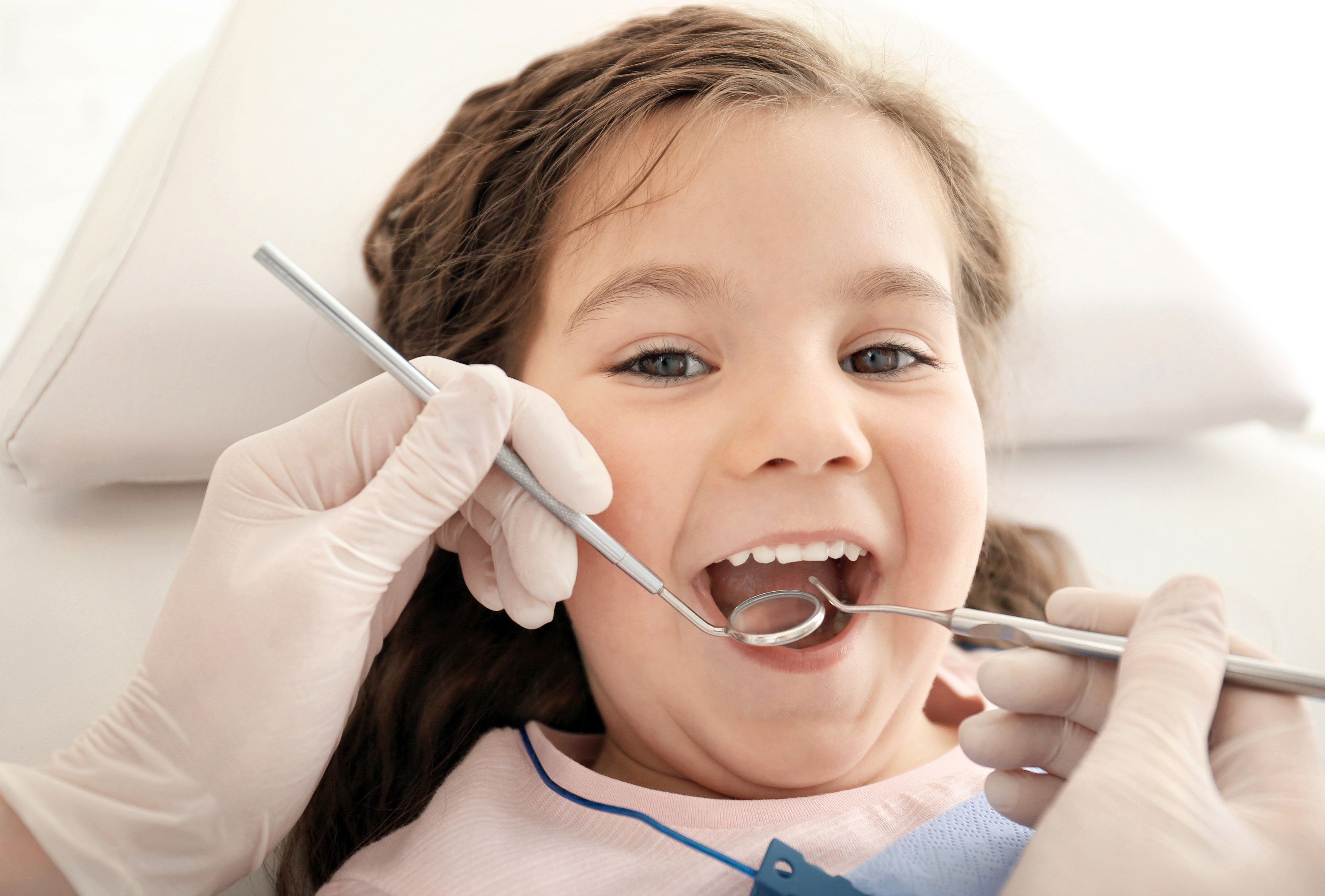
A fissure sealant appointment for kids is simple, quick and does not involve injections or drilling into healthy tooth. Most children describe it as feeling like a longer than usual clean. They mainly notice the dentist working, some air puffs and the bright blue curing light. Afterward they can eat and drink as normal.
At Noosa Hinterland Dental we use a gentle tell‑show‑do approach. That means we:
-
Tell – explain what will happen in child‑friendly words.
-
Show – demonstrate on a mirror, a fingernail or a toy.
-
Do – carry out the procedure carefully, checking in with your child.
Anxious children are welcome to sit on a parent’s lap, and we allow breaks as needed so the visit feels calm and positive.
“Our goal is to make every child’s visit feel safe, relaxed and positive, so they grow up without fear of the dentist.” – Noosa Hinterland Dental Team
Step By Step From Check Up To Finished Sealant
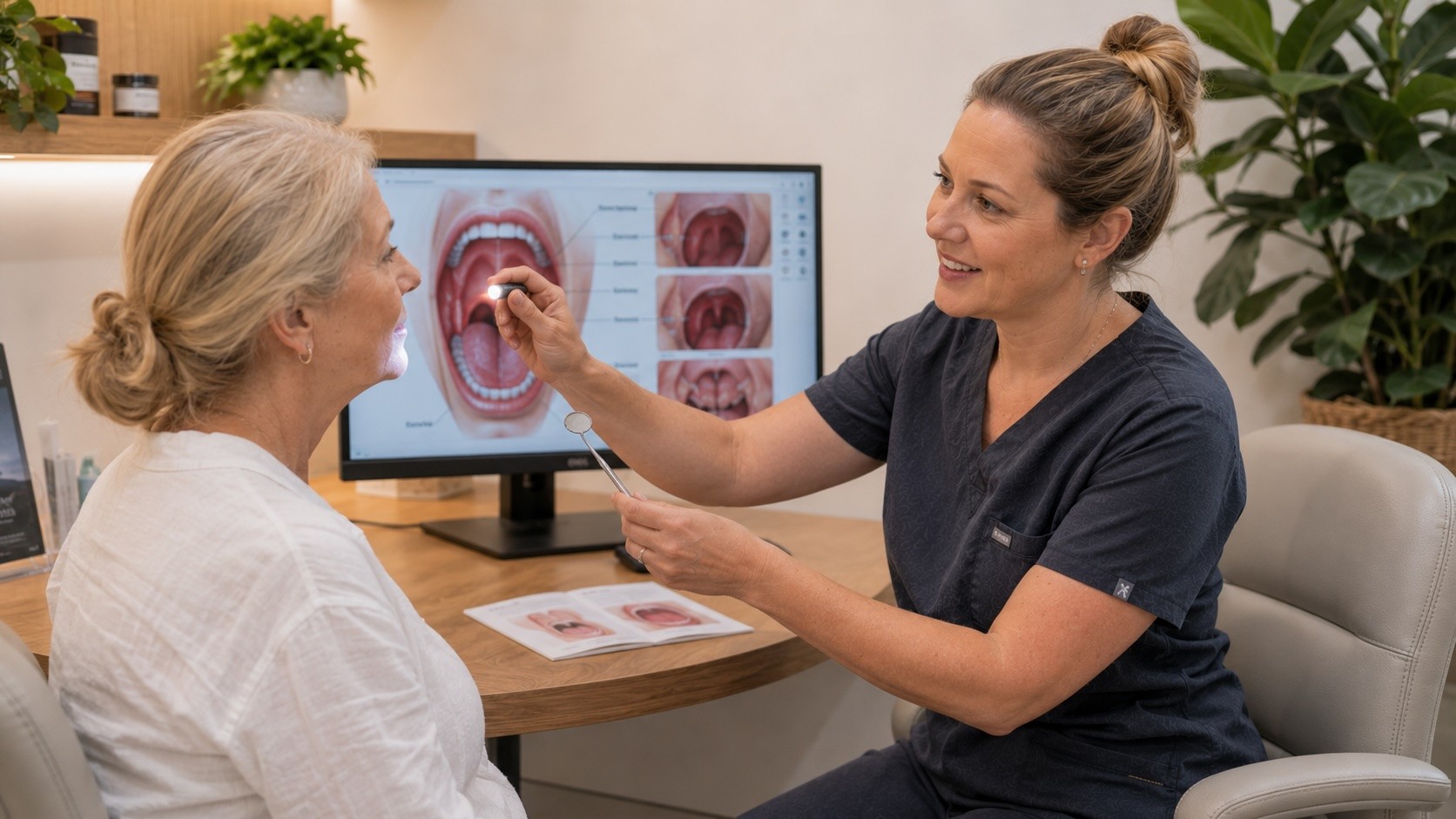
Before any sealant goes on, we start with a thorough check. The dentist looks at the back teeth with a small mirror and light and may suggest X‑rays if there if there is any concern about hidden decay. You and your child can ask questions, and we explain which teeth are suitable for sealants and why. This helps everyone feel involved and comfortable.
Step 1 – Cleaning The Tooth
-
The dentist gently cleans the chewing surface of the tooth.
-
A small brush or rubber cup removes plaque and food so the coating can stick well.
-
The tooth is rinsed and dried with air. Your child might feel the air puff but it should not hurt.
Step 2 – Preparing The Enamel
-
A mild conditioning gel is placed on the fissures for a short time, a preparation step shown to influence outcomes in research on the comparison of retention of resin-based sealants using different isolation techniques.
-
This gel slightly roughens the enamel surface at a microscopic level so the sealant can grip better.
-
After the right time the gel is rinsed off carefully.
-
The tooth is dried again and kept away from saliva with cotton rolls or a soft mouth prop.
Step 3 – Placing The Sealant
-
The liquid sealant material is painted into the pits and grooves with a tiny brush.
-
It flows into all the small spaces and spreads into a thin layer.
-
A blue curing light is then held over the tooth for several seconds to harden the coating.
-
Once hard, the material feels smooth to the tongue.
Step 4 – Checking The Bite
-
The dentist asks your child to bite together gently and checks that the teeth meet in a normal way.
-
Any tiny high spots on the new coating are polished so the bite feels even and natural.
The whole process for several teeth usually fits into one visit, which most children handle very well, especially when they know a small reward or sticker is waiting at the end.
Are Fissure Sealants Worth It For Kids? Benefits, Longevity, Safety And Ongoing Care
For many children, fissure sealants are a very worthwhile step in protecting back teeth from decay. They help avoid the need for fillings in the deep grooves, which keeps more natural tooth structure in place and reduces the chance of bigger problems later. Sealants are especially helpful for children at moderate to high risk of cavities or families who know brushing sometimes gets rushed.
From a health and cost point of view, preventing one cavity is almost always easier than repairing it later, a principle reinforced by data on effectiveness of fissure sealants across diverse paediatric populations. The Australian Dental Association notes that dental decay is one of the most common chronic conditions in Australian children. By shielding the parts of molars where most cavities start, sealants reduce the chance your child will need fillings, crowns or extractions as a teenager or young adult.
At Noosa Hinterland Dental we often see that a small upfront investment in sealants can mean:
-
fewer emergency visits
-
less stress for children and parents
-
more time spent on routine, positive check ups
Benefits, Lifespan, Safety And Home Care – Plus A Simple Comparison Table
Benefits of fissure sealants for kids include:
-
Strong decay prevention on the chewing surfaces that are hardest to keep clean.
-
A painless, quiet, needle‑free procedure, which helps build positive feelings about dental visits.
-
Less chance of needing fillings in childhood and adolescence.
-
Better protection for children with deep grooves, braces or higher sugar intake.
Sealants are very safe, and serious reactions to the materials are extremely rare. Let your dentist know if your child has any history of allergies or sensitivities so we can choose the most suitable materials. Studies reviewed by Cochrane Oral Health support the safety and effectiveness of pit and fissure sealants when placed on sound teeth and checked regularly. Coatings gradually wear over several years, but they can be topped up or replaced during routine check ups if needed.
Home care still matters. Sealants do not protect:
-
the sides of teeth
-
the areas between teeth where floss is needed
-
the gum line around the front teeth
Children still need:
-
twice‑daily brushing with fluoride toothpaste
-
daily flossing once they have tight contacts between teeth
-
a diet low in sugary snacks and drinks
-
regular dental visits for monitoring and cleaning
Regular checks at Noosa Hinterland Dental in Pomona allow us to monitor the coatings and the rest of the mouth. For families who need broader dental care such as orthodontic treatment or implants, we can offer interest‑free payment options through DentiCare, while sealants for eligible kids may be fully covered under CDBS.
Here is a simple comparison of back teeth with and without sealants.
| Aspect | Back Teeth With Sealants | Back Teeth Without Sealants |
|---|---|---|
| Grooves and pits | Smoothed and coated, less plaque trapped | Deep grooves, more places for food and plaque to collect |
| Ease of cleaning | Toothbrush bristles reach surfaces more easily | Bristles often skim over narrow fissures |
| Likely decay risk in grooves | Lower, especially in children at higher risk of cavities | Higher, particularly with frequent snacks and sweet time |
| Chance of future fillings | Reduced need for fillings in chewing surfaces | Greater chance of fillings in molar grooves |
| Typical appointment needs | Quick, preventive visits with simple checks and top ups | Higher chance of longer visits for fillings or extra care |
Ready To Talk About Fissure Sealants For Your Child’s Teeth?
Fissure sealants for kids offer a gentle, well‑researched way to protect new adult molars during the years when brushing habits are still developing. They fit neatly into a broader plan that includes fluoride toothpaste, smart food choices and regular visits to a friendly local dentist. For many families in Pomona, Cooroy, Cooran, Kin Kin, Imbil and the wider Noosa Hinterland, they provide welcome peace of mind.
At Noosa Hinterland Dental we never suggest a one‑size‑fits‑all plan. We look at your child’s teeth, their decay history, diet and confidence in the chair, then explain the options in clear, down‑to‑earth language. If sealants are a good fit, we talk you through the process and costs, including CDBS bulk billing for eligible children.
Early, gentle preventive care can help your child avoid fillings, build confidence at the dentist and enjoy a healthier smile into adulthood. If you are wondering whether sealants might suit your child, you can contact our Pomona clinic or book online to arrange a relaxed check up and personalised advice.
Frequently Asked Questions
Are fissure sealants for kids really necessary if my child brushes well?
Sealants may still help, even with good brushing. Deep grooves can trap plaque where bristles cannot reach. Coatings add extra protection on those tricky chewing surfaces and support your child’s routine.
At what age should my child get fissure sealants on their molars?
Most children are ready when first permanent molars appear around 6 to 8 years, and again for second molars from about 11 to 14, guided by regular check ups with your dentist.
How long do fissure sealants last on children’s teeth?
Many sealants last several years, sometimes into early adulthood. Lifespan depends on chewing habits, grinding and how dry the tooth was during placement, plus regular monitoring and touch‑ups when needed.
Are dental sealants safe for kids in Australia?
Yes, fissure sealants are widely used and considered very safe. Adverse reactions are extremely rare, but always tell your dentist about allergies, asthma or other medical issues so they can choose the most suitable materials.
Do fissure sealants replace fluoride treatments or fluoride toothpaste?
No. Sealants work alongside fluoride rather than replacing it. Children still need daily brushing with fluoride toothpaste and may benefit from professional fluoride treatments when advised by their dentist.
How much do kids’ dental sealants cost in Australia, and does Medicare cover them?
Costs vary between practices and by tooth. At Noosa Hinterland Dental, eligible children can have sealants covered under the Child Dental Benefits Schedule with no out‑of‑pocket cost for covered services, as we bulk bill CDBS.
Will my child feel any pain when getting fissure sealants?
Most children feel no pain during sealant placement. There are no needles, and we do not drill healthy enamel. They mainly notice gentle cleaning, air puffs and the blue light.
Can fissure sealants be put on baby teeth as well as adult teeth?
Sealants are most often placed on permanent molars. In some higher‑risk cases, dentists may suggest them for deep‑grooved baby molars after carefully checking each tooth and discussing the pros and cons with parents.
What happens if a fissure sealant chips or falls off my child’s tooth?
A chipped or lost sealant is usually simple to repair or replace. Regular dental visits help pick up wear early so the tooth stays protected before a cavity forms. If you notice a sharp edge or food catching, book a check up.
How do I know if fissure sealants are the best option for my child’s teeth?
A face‑to‑face assessment with a dentist is the best guide. At Noosa Hinterland Dental we focus on prevention and child‑friendly care, explaining all options so you can choose confidently for your child.
Conclusion
Fissure sealants for kids act like a raincoat for the deep grooves in new adult molars. They protect the chewing surfaces that are most likely to develop cavities, especially when brushing skills and food choices are still settling into good habits. For many children, especially those with deep fissures or a history of decay, they are a practical and gentle way to lower the risk of future dental work.
At Noosa Hinterland Dental in Pomona, we combine fissure sealants with regular checks, fluoride care, clear advice and a calm, supportive approach for anxious kids and parents. If you live in Pomona, Cooran, Cooroy, Kin Kin, Imbil or the wider Noosa Hinterland or Sunshine Coast region and would like to discuss sealants, we are ready to help you decide what suits your child best. A simple conversation today can support a stronger, healthier smile for years to come.