Cracked Tooth Syndrome: Signs, Causes And Treatment In The Noosa Hinterland
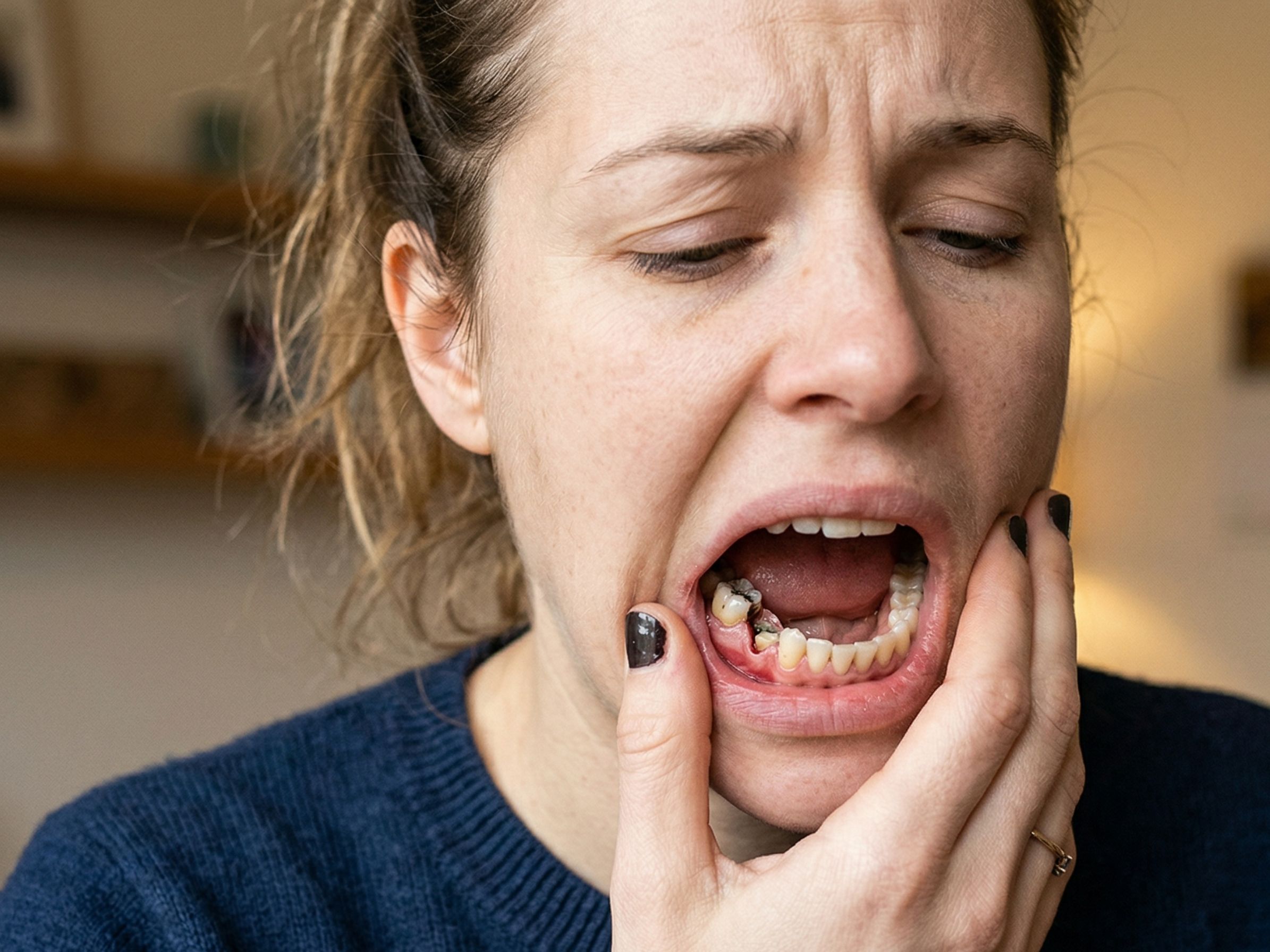
Cracked Tooth Syndrome is a condition where a tooth has a tiny, often hidden crack that flexes when you bite or release. It can cause sharp pain, brief sensitivity or vague twinges, yet the tooth may look normal and x‑rays can appear clear. Because these early symptoms are easy to ignore, prompt diagnosis is important to reduce the risk of nerve damage, infection or even losing the tooth.
For people in Pomona, Cooroy, Cooran, Kin Kin, Federal and Black Mountain, that sudden cracked tooth pain when chewing can be puzzling, then disappear for days. Many people wait until the pain becomes constant, even though early, gentle care at Noosa Hinterland Dental often saves the tooth with simpler treatment.
This article explains how to recognise cracked tooth symptoms, what causes them, how dentists confirm the diagnosis and which treatments work best. You will also see how to protect your teeth, how sedation can help anxious patients, and when to call Noosa Hinterland Dental for emergency care across the Noosa Hinterland and Sunshine Coast.
Key Takeaways
These quick points summarise the main messages about Cracked Tooth Syndrome.
-
What Cracked Tooth Syndrome Actually Is
-
Early Signs You Should Never Ignore
-
Why Prompt Diagnosis Can Save Your Tooth
-
Treatment Options From Simple To Complex
-
How Noosa Hinterland Dental Supports Anxious Patients
What Is Cracked Tooth Syndrome And Why Is It So Often Missed?
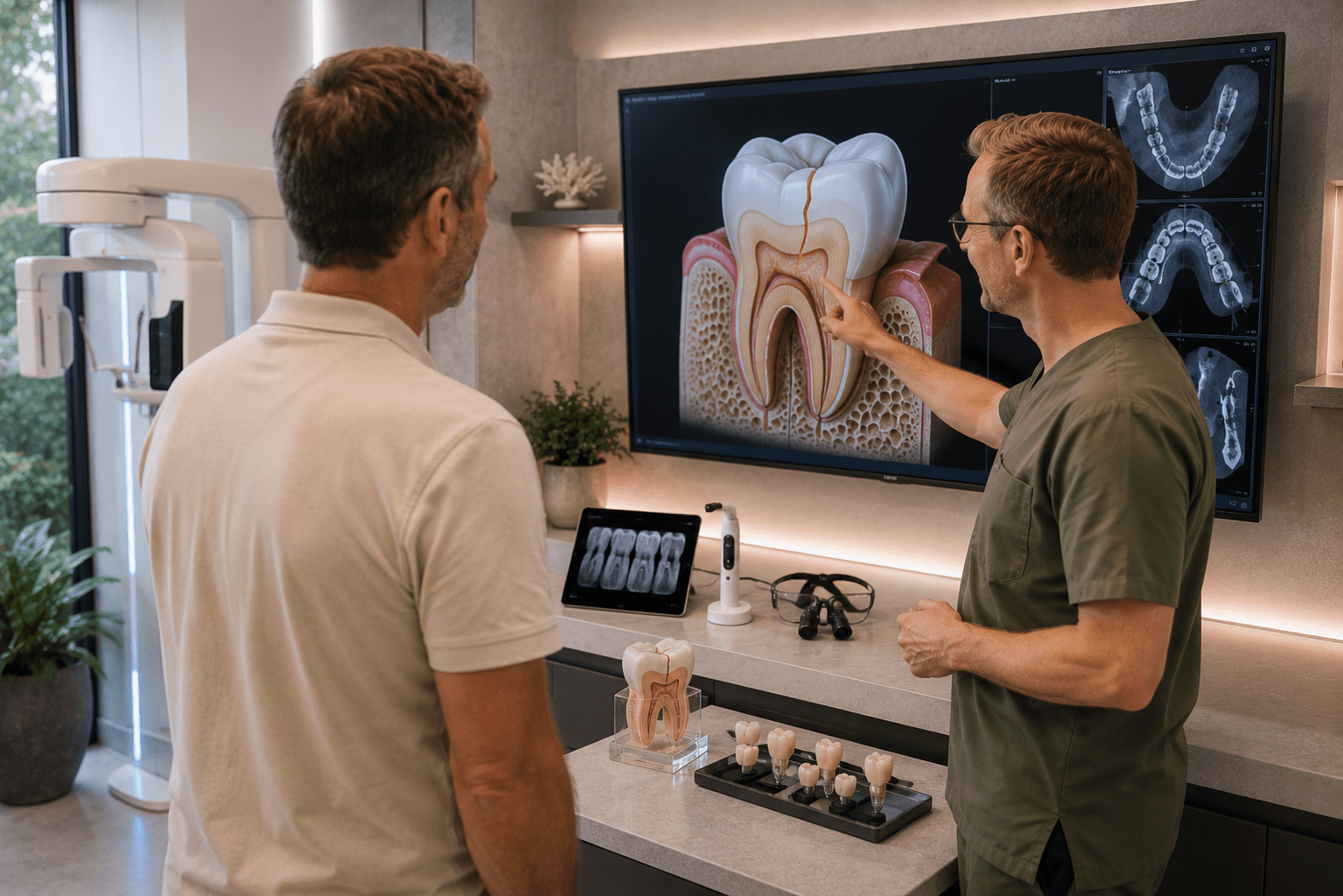
Cracked Tooth Syndrome describes a tooth with a fine crack that flexes under pressure yet often looks completely normal. The fracture line can sit under a filling or below the gum, so routine x‑rays and a quick glance in the mirror may not reveal it. The American Association of Endodontists notes that cracked teeth are now a very common reason adults need root canal treatment on back teeth, a pattern explored in depth by the Frontiers | Cracked tooth syndrome mini review. For families in the Noosa Hinterland, that means short, sharp twinges can signal a real problem long before a piece breaks off.
“Many cracked teeth look healthy on first glance. Listening carefully to patients’ symptoms is just as important as what we see on the x‑ray.” – General dental teaching
How Does Cracked Tooth Syndrome Differ From Cavities And General Tooth Sensitivity?
Tooth decay usually causes a dull ache or sensitivity to sweet foods, along with a visible hole or dark spot. General sensitivity often links with worn enamel or gum recession and gives brief zaps to cold air, ice blocks or soft drink without pain on biting.
Cracked Tooth Syndrome tends to give:
-
Sharp, pinpoint pain when you bite or when you release your bite
-
Discomfort in one specific tooth
-
Little or no visible change on the surface
Because these patterns overlap, only a dentist at Noosa Hinterland Dental can sort out whether the cause is a crack, decay or simple sensitivity through a comprehensive dental examination and digital imaging.
Why Do Cracked Teeth Hurt Mostly When You Bite Or Release Pressure?
Pain from a cracked tooth appears mainly on biting or release because the two sides of the crack flex a tiny amount. That small movement:
-
Shifts fluid inside microscopic tubules in the dentine
-
Irritates the nerve in the centre of the tooth (the dental pulp)
Early on, this causes short, sharp jolts that stop as soon as you stop chewing. If bacteria travel down the crack and inflame the nerve, the pain can change into lingering, throbbing toothache, often needing root canal treatment or even extraction.
What Are The Common Signs And Symptoms Of A Cracked Tooth?
The common signs and symptoms of a cracked tooth include sharp pain when chewing, tooth pain when biting down, brief sensitivity and a sense that one tooth just feels “different”. Symptoms often come and go, which is why many people delay seeking help.
Research reported in the Journal of Endodontics suggests that symptoms from cracked back teeth may be present for months before a clear diagnosis is made, consistent with findings detailed in the Cracked Tooth Syndrome: Clinical diagnosis and nursing care review. Recognising these early warning signs helps protect the nerve and keep the tooth.
Typical warning signs include:
-
Sharp pain when biting or releasing pressure
-
Discomfort localised to one tooth, often a back tooth
-
Brief sensitivity to cold or heat in that tooth
-
A feeling that a filling or tooth edge is “high” or rough
Early Cracked Tooth Symptoms Most People Ignore
Early cracked tooth symptoms usually feel like minor annoyances that are easy to shrug off. You might:
-
Feel a sudden stab of cracked tooth pain when chewing nuts, crusty bread, pork crackling or biting on an olive pip, then have no pain at the next meal
-
Notice pain more on releasing the bite than when you first chew
-
Experience brief tooth sensitivity to cold water or cold air that fades quickly
-
Detect a vague awareness or twinge in one back tooth or around a filling
-
Feel a tiny chip or rough edge that does not seem urgent
These are classic early patterns of Cracked Tooth Syndrome, and they are worth checking at Noosa Hinterland Dental before the crack deepens and the nerve becomes involved.
Advanced Cracked Tooth Signs That Need Prompt Care
Advanced cracked tooth signs suggest the crack has reached the nerve or even the root. Cracked molar symptoms can include:
-
Frequent or intense pain on chewing
-
Avoiding one side of the mouth
-
Feeling as if food keeps catching in a line across the tooth
-
Lingering sensitivity after hot or cold drinks
-
Spontaneous throbbing or pain that wakes you at night
-
Swelling, a pimple on the gum or a bad taste from infection
-
Feeling part of the tooth move separately, which points to a split tooth
If you notice these changes, Noosa Hinterland Dental in Pomona can arrange same‑day emergency dental care where possible to relieve pain and limit further damage.
What Causes Cracked Tooth Syndrome And Who Is Most At Risk?
Cracked Tooth Syndrome usually develops when chewing forces, habits and small weaknesses in a tooth build up over time. Biting very hard foods, clenching, grinding, large fillings, past trauma and even changes in temperature can all add extra stress to enamel.
The Sleep Foundation reports that sleep bruxism affects roughly 10 per cent of adults, which shows how common night‑time grinding can be. People aged between about 30 and 60, who often have more wear and more old dental work, tend to be most affected.
Key causes and risk factors include:
-
Heavy chewing forces or grinding (bruxism)
-
Large or old fillings that weaken the tooth
-
Previous trauma to the tooth or jaw
-
Sudden temperature changes (very hot then very cold)
-
Biting on hard items such as ice, unpopped popcorn or hard lollies
Everyday Habits, Biting Forces And Dental Work
Everyday habits play a big part in cracked teeth:
-
Chewing ice, unpopped popcorn, hard lollies, pork crackling or stray olive pips can overload a small area of tooth in a split second
-
Using teeth to open packets, hold fishing line or grip nails and pins places strain on enamel that it is not built to handle
-
Teeth with large or old fillings, or previous root canal treatment, are more fragile because there is less natural tooth left to spread chewing forces
During a comprehensive dental examination, the team at Noosa Hinterland Dental can:
-
Identify high‑risk teeth
-
Use digital imaging to assess existing fillings
-
Recommend restorative dentistry such as crowns or onlays before a crack appears
Age, Bite Problems And Family Lifestyle Factors
Age, bite alignment and family lifestyle all influence Cracked Tooth Syndrome risk. As enamel wears with decades of chewing, adults in communities like Pomona and Cooroy often develop more microscopic lines and craze cracks.
Other contributing factors include:
-
An uneven bite, a high filling or a missing tooth that focuses force on one molar
-
Family members who clench or grind their teeth, especially during sleep
-
Children and teens who play rugby, AFL, hockey or basketball without mouthguards
The Australian Dental Association notes that around one third of dental injuries in children relate to sport, which is why custom mouthguards from Noosa Hinterland Dental are so valuable for children and adults across Cooran, Kin Kin, Federal and Black Mountain.
How Do Dentists Diagnose Cracked Tooth Syndrome Accurately?
Diagnosing Cracked Tooth Syndrome accurately is challenging because the crack can be tiny and may not show on standard x‑rays. A quick look alone rarely finds the cause of bite‑related pain. Instead, dentists combine careful questions, clinical tests and imaging to build a clear picture.
Studies in the Journal of Endodontics show that using several diagnostic methods together improves the chances of finding cracks that single tests miss, as further examined in this Frontiers | Cracked tooth diagnostic dilemma review. At Noosa Hinterland Dental, this step‑by‑step approach is explained gently so anxious adults and children know what to expect.
Typical diagnostic steps include:
-
Listening to your description of pain
-
Examining the tooth under bright light and magnification
-
Performing bite tests on individual cusps
-
Using digital x‑rays and, where needed, 3D CBCT scans
The Step‑By‑Step Assessment At Noosa Hinterland Dental
During a cracked tooth visit at Noosa Hinterland Dental, the dentist:
-
Chats about your symptoms
-
When the pain started
-
Which foods trigger it
-
Whether hot, cold or sweet things bother the tooth
-
Whether you clench, grind or have had any injuries
-
-
Performs a close visual examination
-
Bright light and magnification to look for hairline cracks, worn fillings, chipped cusps and gum changes
-
-
Checks the gums around the tooth
-
Gentle probing for deep, narrow pockets that can signal a split running below the surface
-
-
Uses bite tests
-
A small Tooth Sleuth or cotton roll to find the exact cusp that hurts when you bite or release
-
-
Takes digital imaging as needed
-
Low‑dose digital x‑rays to rule out decay, abscesses or bone loss
-
3D CBCT scans for more complex or persistent cases to assess deeper fractures in the tooth or root
-
This thorough process, backed by evidence‑based dentistry, is the best way to identify cracks early.
Comparison Table: Cracked Tooth Syndrome Vs Other Common Tooth Problems
A few common dental problems can feel similar yet behave quite differently. This simple table highlights key differences, although only a dentist at Noosa Hinterland Dental can provide a definite diagnosis.
| Condition | Typical Symptoms | When Pain Occurs | What The Tooth Looks Like | Usual Treatment Path |
|---|---|---|---|---|
| Cracked Tooth Syndrome | Sharp bite or release pain, brief cold sensitivity | On biting or letting go, often off and on | Often normal, maybe fine lines or small chip | Onlay or crown to hold tooth together, sometimes root canal treatment |
| Cavity Tooth Decay | Dull ache, sensitivity to sweet or cold, food trapping | Often with food or drink, may linger | Visible hole, dark spot or rough patch | Filling or onlay, possible root canal treatment for deep decay |
| General Tooth Sensitivity | Short zaps to cold air, cold drinks or sweets | Only with temperature or sweet trigger, then settles | Often normal, or with wear or gum recession | Desensitising toothpaste, fluoride care, gum treatment, brushing changes |
| Broken Or Chipped Tooth | Sudden damage, sharp edge, pain on broken part | Whenever the broken area is touched or used | Visible missing piece or clear fracture line | Smoothing, bonding, veneer or crown depending on defect size |
What Are The Treatment Options For Cracked Tooth Syndrome?
Treatment options for Cracked Tooth Syndrome aim to stop movement along the crack, protect the nerve and restore comfortable chewing, with a full range of therapeutic approaches evaluated in the Saving the split: An umbrella review on cracked tooth therapies. Cracks in enamel and dentine do not heal themselves, so some type of support is always needed.
The right plan depends on:
-
How deep the fracture runs
-
How the nerve is behaving
-
How much healthy tooth is left
-
Your bite, grinding habits and general health
At Noosa Hinterland Dental, options range from small bonded fillings through to onlays, same‑day ceramic crowns, root canal treatment and, if the tooth cannot be saved, gentle extraction with replacement.
From Simple Restorations To Same‑Day Crowns
For minor chips, craze lines or shallow tooth fracture symptoms, the dentist may:
-
Place a small tooth‑coloured filling or composite bonding to seal and smooth the area
-
Adjust the bite slightly to reduce pressure on a particular cusp
When a cusp has cracked around a big filling, a ceramic onlay supports the weakened cusp like a brace over the biting surface. Deeper cracks that threaten the whole tooth usually need a full crown, which acts like a helmet and stops the sides from flexing.
Noosa Hinterland Dental uses CEREC technology to design and mill many same‑day crowns on site in a single visit, using digital scans instead of messy impressions. This reduces:
-
The time spent in the chair
-
The number of appointments
-
The period the cracked tooth is left vulnerable
Research in the Australian Dental Journal reports that well‑made ceramic crowns have survival rates above 90 per cent over ten years, which makes them a strong long‑term option for cracked molars, a conclusion also supported by the Saving the split: protocol systematic review on cracked tooth treatment outcomes.
When Is Root Canal Treatment Or Extraction Needed?
Root canal treatment becomes necessary when a crack has injured or infected the nerve inside the tooth. Warning signs include:
-
Cracked tooth nerve pain that lingers after hot or cold drinks
-
Spontaneous aching without chewing
-
Swelling or a pimple on the gum
-
A deep, throbbing ache that disturbs sleep
During root canal treatment, the dentist:
-
Gently removes the inflamed or infected nerve tissue
-
Cleans and disinfects the canals
-
Seals them to reduce the chance of reinfection
-
Restores the tooth with a crown for strength
If the crack runs deep into the root, or the tooth has split into separate pieces, extraction is often safer than repeated failed repairs. Noosa Hinterland Dental can then discuss replacement with:
-
A dental implant
-
A bridge
-
A partial denture
For anxious patients from across the Noosa Hinterland, the practice offers happy gas, oral sedatives and IV sedation (for suitable people) to make treatment more comfortable.
How Can You Protect A Cracked Tooth And Prevent Future Fractures?
Protecting a cracked tooth and preventing future fractures has two parts: calming the current tooth and reducing the forces that caused the crack.
Short term, the goal is to avoid extra stress on the damaged tooth until it can be stabilised with restorative dentistry. Long term, regular check‑ups, bite guards, mouthguards and small habit changes all lower risk for the whole family.
According to the Australian Institute of Health and Welfare, about one in three Australian adults has untreated tooth decay, which often leads to large fillings that can weaken teeth and make cracks more likely.
Practical Steps If You Suspect A Cracked Tooth
If you suspect a crack:
-
Chew on the opposite side and choose softer foods until a dentist can see you
-
Avoid biting hard foods like nuts, ice, crackling and hard lollies
-
Skip very sticky toffees that can tug on weakened cusps
-
Try to avoid extremes of heat and cold that trigger tooth sensitivity
-
Use over‑the‑counter pain relief such as paracetamol or ibuprofen if your doctor or pharmacist agrees they are suitable
Do not:
-
Try to file, glue or bandage the tooth yourself, as this can hide important clues or make the crack worse
Seek urgent dental care from Noosa Hinterland Dental in Pomona if you notice:
-
Severe tooth pain when biting down
-
Swelling of the face or gum
-
A gum pimple or bad taste
-
Fever or feeling generally unwell
-
A broken piece with a sharp edge or obvious movement of part of the tooth
Long‑Term Prevention For Families In The Noosa Hinterland
Long‑term prevention focuses on strengthening teeth and reducing heavy forces, especially for families across Cooran, Kin Kin, Federal, Black Mountain and the wider Noosa Hinterland.
Helpful steps include:
-
Regular comprehensive dental examinations and professional cleans at Noosa Hinterland Dental to pick up small cracks, worn fillings and bite problems early
-
Custom night guards to protect teeth from grinding during sleep and to ease jaw tiredness in people who clench
-
Custom mouthguards for children and adults who play contact or ball sports around local schools and clubs, to reduce chipped, fractured or knocked teeth
-
A balanced diet with fewer acidic drinks, sports drinks and soft drink to support stronger enamel
-
Avoiding very hard foods and not using teeth as tools
-
Good daily brushing and flossing to minimise decay and large fillings
Tip from many dentists: “Little issues are cheaper and easier to fix than broken teeth. Six‑monthly check‑ups are one of the best investments you can make for your mouth.”
Myth Vs Fact: Clearing Up Confusion About Cracked Tooth Syndrome
Misunderstandings about cracked teeth often keep people away from the dentist until the damage is severe. Because Cracked Tooth Syndrome can cause stop‑start pain and the tooth may look normal, it is easy to hope it will settle by itself. Clearing up a few common myths makes it easier to decide when to book an assessment in the Noosa Hinterland.
Common Myths And The Truth Behind Them
-
Myth: If the pain goes away, the crack has healed.
Fact: Tooth enamel and dentine cannot repair deep cracks like skin or bone. Pain can fade as the nerve dies while the fracture continues to spread. That is why early assessment is safer than waiting. -
Myth: A tooth cannot be badly cracked if it looks fine in the mirror.
Fact: Most cracks linked with Cracked Tooth Syndrome are hairline and hide inside the tooth or under fillings. Dentists rely on magnification, bite tests and x‑rays to find them. Waiting for a visible split usually means more damage and more complex care. -
Myth: Sharp twinges are just simple sensitivity and a new toothpaste will fix them.
Fact: Bite‑related pain, especially on releasing pressure, points more strongly to a structural crack. Sensitivity toothpaste may calm symptoms a little but it does not stabilise a moving fracture. Only dental treatment can support the tooth properly. -
Myth: Crowns or root canal treatment are extreme for a small crack and will be very painful.
Fact: Modern local anaesthetic and gentle techniques mean the tooth can usually be numbed very well. At Noosa Hinterland Dental, happy gas, oral sedatives and IV sedation are available for suitable patients. Early strengthening work can prevent a break that later needs removal.
According to the Australian Dental Association, about one in six Australians reports moderate or high dental fear. Sedation dentistry and a calm, friendly environment at clinics like Noosa Hinterland Dental make it easier for anxious people to seek cracked tooth treatment before problems escalate.
In Summary
Cracked Tooth Syndrome is common, often subtle at first and will not heal on its own. Short, sharp pain on biting or releasing, brief sensitivity that comes and goes, or a vague awareness in one back tooth can all point to a hidden fracture. If the crack spreads to the nerve or root, the pain can become severe and the tooth may be much harder to save.
Early diagnosis and treatment at Noosa Hinterland Dental can often stabilise the tooth with an onlay or crown before nerve damage occurs. For more advanced cases, the team in Pomona provides root canal treatment, CEREC same‑day crowns, gentle extractions where needed and replacement options such as implants or bridges.
Families from Cooroy, Cooran, Kin Kin, Federal, Black Mountain and across the Noosa Hinterland are cared for in a warm, reassuring setting, with sedation options for nervous patients and access to emergency dental care when required.
If any of the symptoms described sound familiar, booking a comprehensive dental examination as soon as possible is the safest way to protect your teeth, your comfort and your long‑term oral health.
Protect Your Tooth Before the Crack Gets Worse
A cracked tooth won’t repair itself, and even minor symptoms can indicate damage that may worsen each time you bite or chew. Seeking treatment early often allows for more conservative care, helping to relieve discomfort and preserve your natural tooth.
If you’re experiencing sharp pain when biting, unexplained tooth sensitivity or think you may have a cracked tooth, the friendly team at Noosa Hinterland Dental is here to help. Using comprehensive dental examinations, advanced digital imaging and personalised treatment planning, we’ll identify the cause of your symptoms and recommend the most appropriate solution.
Book your comprehensive dental examination with Noosa Hinterland Dental today and take the first step towards protecting your smile, relieving discomfort and preventing more extensive treatment in the future.
Frequently Asked Questions
Question: How Do I Know If I Have Cracked Tooth Syndrome Or Just Sensitive Teeth?
Cracked Tooth Syndrome usually causes sharp pain when you bite or release, often in one specific tooth. General sensitivity gives brief zaps to cold air, drinks or sweets without strong biting pain. Because symptoms overlap, only a dentist can tell the difference. A gentle assessment with digital imaging at Noosa Hinterland Dental can provide a clear answer and a personalised treatment plan.
Question: Can A Cracked Tooth Heal On Its Own Without Treatment?
A cracked tooth cannot heal itself once enamel and dentine have split. Chewing forces tend to push the crack deeper over time, which can injure the nerve, cause infection and even lead to tooth loss. Early protective treatment such as an onlay or same‑day crown at Noosa Hinterland Dental greatly improves the chance of saving the tooth and avoiding more complex procedures.
Question: Is It An Emergency If I Only Get Tooth Pain When Chewing?
Intermittent chewing pain is still important, because it often points to a crack. It may not be a middle‑of‑the‑night emergency unless there is severe constant pain, swelling, fever or a large broken piece. You should contact Noosa Hinterland Dental promptly so the team can advise whether you need same‑day emergency care or a very soon appointment for a full examination.
Question: What Happens If I Ignore A Cracked Tooth For Too Long?
Ignoring a cracked tooth allows the fracture to deepen with each bite. Mild pain on biting can progress to:
-
Nerve inflammation (pulpitis)
-
Abscess formation
-
A split tooth that may not be repairable
That often means root canal treatment or extraction and replacement, which are more complex and costly than early intervention. Acting now can still change the outcome for the better and may preserve more natural tooth structure.
Question: Will Treatment For A Cracked Tooth Be Painful?
Modern treatment for a cracked tooth is usually very comfortable. Local anaesthetic numbs the tooth so you should only feel pressure, not pain. At Noosa Hinterland Dental, options like happy gas, oral sedatives and IV sedation are available for suitable patients. The team explains each step, checks your comfort throughout and respects stop signals so you feel in control.
Question: How Long Does A Crown Or Root Canal Last On A Cracked Tooth?
A well‑made crown or root canal on a cracked tooth can last many years, sometimes decades, with good care. Longevity depends on:
-
How deep the original crack was
-
Your oral hygiene
-
Whether you grind or clench
-
How regularly you attend check‑ups
Night guards, careful brushing, flossing and routine visits at Noosa Hinterland Dental all support long service from your restoration.
Question: Can Children Get Cracked Tooth Syndrome Too?
Children can develop cracked teeth, especially if they have large fillings, bite hard objects or experience sports injuries. Signs include:
-
Sharp pain on biting hard foods
-
Avoiding chewing on one side
-
Brief pain to cold drinks in one particular tooth
Noosa Hinterland Dental offers gentle, child‑friendly assessment and conservative treatment, along with custom mouthguards to reduce future injury risk for children involved in school and club sports around the Noosa Hinterland.
Question: What Should I Do If My Tooth Suddenly Cracks Or A Piece Breaks Off?
If a tooth suddenly cracks:
-
Gently rinse your mouth with water
-
Avoid chewing on that side
-
Keep any broken piece in milk or saliva if it is easy to retrieve
-
Do not try to glue or file the tooth yourself
Contact Noosa Hinterland Dental as soon as possible for emergency advice and a same‑day appointment where possible, so the tooth can be stabilised with appropriate restorative dentistry before it worsens.