Dental anxiety is common and can stop nervous patients from getting the care they need. Sedation dentistry offers a safe, calming way to feel more relaxed during treatment, helping reduce fear, discomfort, and avoidance. This guide explains common causes of dental fear and how modern sedation options can make dental visits easier.
We will cover the different types of sedation available, from mild relaxation to deeper sleep dentistry, providing assurance that there is a suitable choice for every level of anxiety. You’ll learn how a compassionate approach can make all the difference. Get ready to explore how you can overcome dental fear for good and access the care you deserve.
Key Takeaways
-
Dental anxiety is a real and common barrier to oral health.
-
Sedation dentistry offers various levels of relaxation for nervous patients.
-
Noosa Hinterland Dental provides customised sedation options and a compassionate approach.
-
Understanding triggers and preparing proactively can significantly reduce fear.
-
Achieving a comfortable dental experience is possible for everyone across the Sunshine Coast Hinterland.
Jump to section
- What Is Dental Anxiety and Dental Phobia?
- Why Do Patients Feel Nervous at the Dentist? Common Triggers Explained
- How Does Avoiding the Dentist Impact Your Overall Health and Well-being?
- How Can Sedation Dentistry Help Nervous Patients Feel More Comfortable?
- Our Gentle Approach at Noosa Hinterland Dental: Comfort for Anxious Patients
- Taking the First Step: Your Path to Stress-Free Dental Care
- Moving Towards a Brighter, Healthier Smile
- Frequently Asked Questions
What Is Dental Anxiety and Dental Phobia?
Understanding dental anxiety and dental phobia is the first step toward managing them effectively. Both conditions describe a fear related to dental care, but they exist on a spectrum of intensity and impact. Recognising where your feelings lie on this spectrum helps dental professionals provide the right level of support and care, making sure your psychological comfort is a top priority alongside your clinical treatment. Validating these fears is essential to building the trust needed for a positive dental experience.
Understanding the Spectrum of Fear: Anxiety vs. Phobia
Dental anxiety and dental phobia are not the same, though they are related. Dental anxiety refers to a general sense of unease or apprehension before a dental appointment, often accompanied by physical symptoms like a racing heart or sweaty palms. In Australia, it is a widespread issue, with research indicating that approximately one in six adults experiences high levels of dental fear. Many adults in Pomona and the surrounding Noosa Hinterland experience this daily.
Dental phobia, or odontophobia, is a far more intense and overwhelming fear. It is a recognised psychological condition that can cause individuals to avoid dental care at all costs, even when they are in severe pain. This avoidance can lead to a cycle of worsening oral health problems. Acknowledging the difference between these two states allows for a more customised and empathetic approach to care for all nervous patients.
Why Does Dental Anxiety Matter for Your Overall Health?
Avoiding the dentist due to anxiety has serious consequences that extend beyond your mouth. This avoidance creates what is known as the “Vicious Cycle of Dental Anxiety,” where fear leads to neglect. Minor issues like small cavities or early gum inflammation are left untreated and progress into major problems such as dental abscesses or advanced gum disease. These advanced conditions often require more invasive and costly treatments, which can reinforce the original fear.
The impact also affects your systemic health. Research highlighted by the Mayo Clinic confirms a strong connection between poor oral health and conditions like cardiovascular disease, diabetes, and respiratory infections. For residents across the Noosa Hinterland, including areas like Pomona, Cooroy, Cooran, Kin Kin, Noosa, Eumundi, and Tewantin, the psychological toll is also significant, affecting self-esteem and social confidence. Beyond physical health, the embarrassment of a neglected smile can hinder professional opportunities and social interactions, especially for image-conscious patients or those in client-facing roles.
Why Do Patients Feel Nervous at the Dentist? Common Triggers Explained
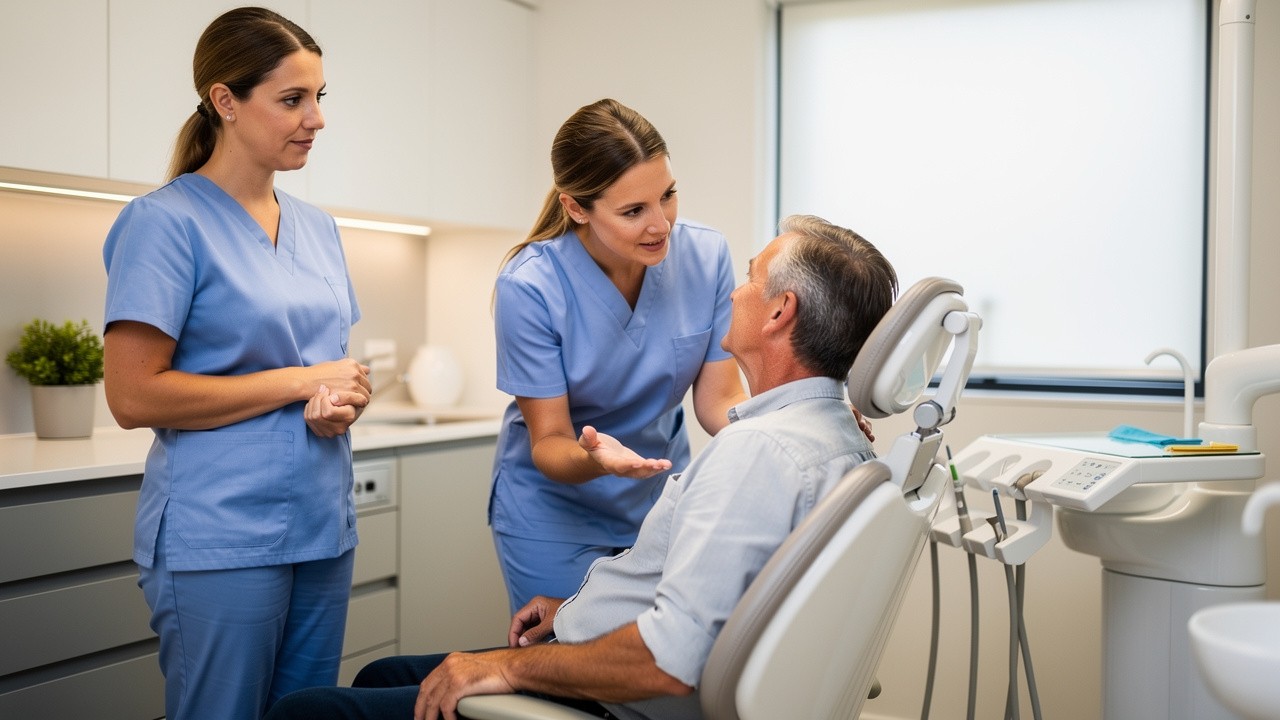
Many factors contribute to why patients feel nervous at the dentist, and these feelings are almost always rooted in specific experiences or fears. The main drivers include past negative events, a fear of pain or needles, and a sense of helplessness in the dental chair. By identifying the precise triggers behind a patient’s anxiety, a dental team can develop personalised strategies to manage and reduce that stress effectively. This understanding changes the dental visit from a source of dread into a manageable healthcare appointment.
Has a Past Traumatic Experience Caused Your Fear?
One of the most common reasons for dental fear is a previous traumatic experience, often from childhood. An appointment that involved significant pain, a dismissive practitioner, or a feeling of not being in control can leave a lasting psychological mark. These negative memories become strongly linked to the dental environment, creating a conditioned stress response that is automatically triggered by the sights, sounds, and smells of a clinic — a phenomenon well-documented in the Evaluation of anxiety in adult patients attending dental surgery units.
This is frequently connected to a fear of pain (algophobia) and a fear of needles (trypanophobia). The anticipation of a painful injection or the worry that the local anaesthetic will not be effective enough can cause immense distress. For many nervous patients, these past events are not just memories but are relived as very real physical and emotional reactions during subsequent dental visits. At Noosa Hinterland Dental, we approach these histories with utmost care, allowing patients to set the pace and control their treatment every step of the way.
Do Loss of Control and Sensory Overload Trigger Your Anxiety?
The dental setting can create a powerful sense of vulnerability that heightens anxiety. Lying back in a dental chair, unable to speak clearly or move freely, can make you feel a profound loss of control. This feeling is magnified by the invasion of personal space as a dentist works within your mouth, which is a very intimate area.
Sensory overload is another major trigger for nervous patients. The dental clinic is a distinctive environment filled with specific stimuli that can be overwhelming. These triggers include:
-
The high-pitched whine of the dental drill.
-
The vibrations felt through the jaw during a procedure.
-
The bright, intense overhead operating light.
-
The distinct clinical smell of dental materials like eugenol.
-
A feeling of embarrassment over the state of one’s teeth, and a fear of being judged or lectured.
At Noosa Hinterland Dental, we prioritise addressing these sensory triggers, creating a calming atmosphere with amenities and a patient-centric approach to help minimise discomfort and anxiety.
How Does Avoiding the Dentist Impact Your Overall Health and Well-being?
Postponing dental visits due to anxiety sets off a chain reaction that seriously affects both physical health and mental well-being. This avoidance means that preventative care, like routine check-ups and cleanings, is missed. As a result, minor issues that are simple and inexpensive to fix are allowed to develop into complex and painful dental emergencies.
This forces nervous patients back to the dentist in a state of high stress and pain, which only strengthens their negative association with dental care. Untreated gum disease (periodontitis) is a major concern, as the bacteria can enter the bloodstream and contribute to systemic conditions like heart disease and complications with diabetes. For busy parents and professionals, ignoring dental issues can lead to time-consuming emergencies that disrupt schedules and add financial strain. The psychological burden is also immense, leading to low self-esteem and social withdrawal as people become ashamed of their smiles. Seeking a gentle dentist in Pomona or a trusted Noosa Hinterland dental clinic is a key step to breaking this harmful cycle.
How Can Sedation Dentistry Help Nervous Patients Feel More Comfortable?
Sedation dentistry is a key approach that makes essential dental care accessible for nervous patients. It involves using medication to help you enter a state of deep relaxation, eliminating the fear and anxiety associated with dental procedures, which aligns with broader clinical frameworks for managing anxiety as described in the PREFACE – Social Anxiety Disorder reference on anxiety management approaches. This approach allows even the most fearful individuals to receive the treatment they need in a calm and comfortable state. With different levels of sedation available, the experience can be customised to match your specific level of anxiety and the complexity of the dental work required. For adults who have avoided dental care for years, sedation dentistry provides an opportunity to finally address long-standing issues comfortably and efficiently.
Understanding Different Levels of Relaxation Dentistry
Relaxation dentistry offers several levels of sedation, providing assurance of a customised approach for every patient. Understanding these options can help you feel more in control of your dental experience.
-
Minimal Sedation (Nitrous Oxide/Happy Gas): This involves breathing in nitrous oxide through a small mask placed over your nose. It helps you relax quickly and can induce a mild feeling of euphoria. You remain fully conscious and able to communicate throughout the procedure. You can still communicate with your dentist, making it an excellent choice for those who wish to maintain some interaction while feeling deeply calm. A major advantage is that the effects wear off within minutes, so you can safely drive yourself home. It is ideal for those with mild to moderate anxiety.
-
Moderate Sedation (Oral Sedation and IV Sedation): For a deeper level of relaxation, oral sedation or intravenous (IV) sedation is used. Oral sedation involves taking a prescribed medication before your appointment to make you feel drowsy and calm. IV sedation, also known as “twilight sleep dentistry,” is administered directly into a vein. It provides profound relaxation, and most patients have little to no memory of the treatment afterward. This deeper relaxation allows for multiple procedures to be completed in one visit, which is particularly appealing for those with packed schedules or extensive dental needs. This makes it perfect for patients with severe dental phobia or those undergoing long procedures.
Is Sedation Dentistry a Safe Option for Everyone?
Sedation dentistry is a very safe option when administered by a trained and qualified dental professional. Before any sedation is provided, a thorough assessment is conducted to make sure it is a suitable choice for you. This includes a detailed review of your medical history, any current medications you are taking, and your overall health. This comprehensive pre-assessment helps us create a safe and effective sedation plan, giving you peace of mind.
During your procedure, your vital signs, such as heart rate, blood pressure, and oxygen levels, are continuously monitored to make sure your complete safety, following best-practice protocols for nervous system monitoring outlined in resources such as the Longcovid Clinic Guide Nervous System 09172024.Pdf from the U.S. Department of Veterans Affairs. At Noosa Hinterland Dental, our highly trained team are experts in administering sedation safely. After your appointment, you will receive clear instructions for post-treatment care. It is important to remember that with moderate sedation options like oral sedation or IV sedation, you will need a responsible adult to drive you home and stay with you until the effects have fully worn off.
Our Gentle Approach at Noosa Hinterland Dental: Comfort for Anxious Patients
At Noosa Hinterland Dental, our entire philosophy is built around providing a supportive and calming experience for anxious patients. We combine customised sedation options with a deeply empathetic approach to make sure your comfort from the moment you walk through our door. We understand that for nervous patients, feeling safe and heard is just as important as the clinical treatment itself. Our holistic method focuses on putting you in control and creating a truly stress-free environment.
At Noosa Hinterland Dental, we believe that ‘gentle, anxiety-free dental care is not just a luxury, but a fundamental right for everyone in our Sunshine Coast Hinterland community.’ Our dedicated team is committed to making that a reality for every person who walks through our doors.
What Sedation Options Does Noosa Hinterland Dental Offer?
We are committed to providing stress-free dental care for every patient in our Pomona clinic, serving the wider Noosa Hinterland region. To achieve this, Noosa Hinterland Dental offers carefully selected sedation options designed to meet different levels of anxiety and treatment needs. We work with you to choose the right level of sedation, making sure of a comfortable and positive experience.
Our options include:
-
Oral Sedatives: For patients with mild to moderate anxiety, we can prescribe an oral sedative to be taken before the appointment. This medication helps you arrive at our clinic feeling calm and significantly reduces any pre-appointment jitters. You will remain conscious and able to communicate but will feel deeply relaxed throughout your visit.
-
IV Sedation (Twilight Sleep Dentistry): This option is ideal for individuals with profound dental phobia, an intense gag reflex, or those who require extensive dental work in a single session. Administered intravenously by a qualified professional, IV sedation places you in a state of deep relaxation. A major benefit is that you will likely have no memory of the procedure, allowing us to complete necessary treatments while you rest peacefully.
Beyond Sedation: Creating a Truly Calming Experience
Our commitment to comfort extends far beyond medication. At Noosa Hinterland Dental, we have developed a welcoming and reassuring atmosphere designed to put nervous patients at ease. This is built on empathetic communication and a strictly judgement-free environment. For busy professionals and parents, we understand the need for efficiency combined with care, and our calming approach helps make appointments manageable.
We empower you through several key strategies:
-
Patient Control: Before we begin, we establish a simple “stop signal,” such as raising a hand. If you give this signal for any reason, we will pause treatment immediately, no questions asked. This commitment to your comfort means you are always in charge, allowing you to relax, knowing you can pause whenever needed.
-
Tell-Show-Do Technique: We eliminate surprises by first explaining what we are going to do (Tell), then showing you the instrument outside your mouth (Show), and only proceeding when you feel ready (Do).
-
Comfort Amenities: To make your visit more pleasant, we offer noise-cancelling headphones, ceiling TVs for distraction, and warm blankets. We also use modern, gentle technology like digital x-rays and airflow cleaning for sensitive gums to make sure your physical comfort. Our goal is to be the dentist Cooroy and surrounding areas trust for a truly comfortable experience.
Taking the First Step: Your Path to Stress-Free Dental Care
Beginning your path toward a comfortable dental experience is a significant achievement, and it starts with a single step. For nervous patients, simply booking that first appointment can feel like a huge hurdle. We understand this, which is why we have designed our process to be as supportive and non-intimidating as possible. By combining proactive self-management techniques with our gentle in-clinic approach, you can successfully overcome your dental anxiety.
It’s important to remember that while this article offers general information, your specific dental needs and health circumstances require a personal consultation with a dental professional to determine the most suitable approach for you.
Actionable Tips for Managing Your Dental Anxiety
You can take several proactive steps to help manage your feelings of anxiety before and during your dental appointment. These simple strategies can make a big difference in calming your nervous system.
-
Strategic Scheduling: Book your appointment for the morning. This reduces the amount of time you have during the day for anxiety to build.
-
Bring a Support Person: Ask a trusted friend or family member to accompany you. Their presence can provide a great sense of comfort and security.
-
Practice Mindfulness & Breathing: Use simple breathing exercises, like box breathing (inhaling for four counts, holding for four, exhaling for four, holding for four), to lower your heart rate. Many apps and online guides offer simple, effective techniques.
-
Communicate Your Fears: Let our staff know you feel anxious when you book your appointment. This allows us to prepare and provide extra support, ensuring your visit is as smooth as possible.
-
Avoid Caffeine: Steer clear of coffee or other caffeinated drinks before your visit, as they can heighten the physical symptoms of anxiety.
What Should You Expect at Your First Consultation?
Your first visit is all about building trust and making you feel comfortable. We move at your pace, with absolutely no pressure to begin treatment until you are ready. For those with severe anxiety, we offer a “chat-only” consultation. This can take place in a comfortable office, away from the clinical setting, allowing us to simply talk about your fears and goals. This initial, no-pressure discussion is particularly helpful for patients travelling from Eumundi or Tewantin, providing an opportunity to get to know our team without immediate clinical work.
If you are ready for an examination, it will be a gentle and straightforward process. We will explain everything we are doing and make sure you feel in control at all times. Afterward, we will discuss our findings and collaboratively create a phased treatment plan that addresses your needs without overwhelming you. This first step is your opportunity to meet our team and see how our compassionate approach can change your perception of dentistry.
Moving Towards a Brighter, Healthier Smile
Understanding that comfortable, anxiety-free dental care is within your reach is a powerful step towards better health. Modern sedation techniques, combined with a truly compassionate and patient-focused approach, have made it possible for even the most nervous patients to get the care they need. You no longer have to let fear compromise your smile or your well-being.
For our neighbours in Pomona, Cooroy, Cooran, Kin Kin, Noosa, Eumundi, Tewantin, and across the beautiful Noosa Hinterland, a positive dental future awaits. The team at Noosa Hinterland Dental is here to support you every step of the way. Book an appointment today to discuss your sedation options and start your path to a relaxed dental experience.
Frequently Asked Questions
Question: Can I still feel pain if I have sedation dentistry?
Sedation dentistry is designed to make you feel comfortable and relaxed, not to block pain directly. We still use local anaesthesia to completely numb the specific area we are treating. This combination ensures that you will not feel any pain during your procedure while the sedation manages your anxiety and awareness.
Question: How long does the effect of dental sedation last?
The duration of sedation effects varies depending on the type used. The effects of nitrous oxide (“happy gas”) wear off within minutes of the mask being removed. Oral sedatives can last for several hours after your appointment. IV sedation effects may also linger, which is why you will need a chaperone for the rest of the day.
Question: Is “sleep dentistry” the same as general anaesthesia?
No, they are different. “Sleep dentistry” typically refers to IV sedation, which induces a deep state of relaxation. While you are technically conscious and can respond to commands, you are unlikely to remember the procedure. In contrast, general anaesthesia renders you fully unconscious and requires a hospital setting.
Question: Will I be monitored during sedation dentistry at Noosa Hinterland Dental?
Absolutely. Your safety is our top priority at Noosa Hinterland Dental. Throughout any procedure involving sedation, our highly trained team continuously monitors your vital signs, including your heart rate, blood pressure, and oxygen levels. This constant monitoring makes sure you remain safe and comfortable from start to finish.
Question: How much does sedation dentistry cost in Australia?
The cost of sedation dentistry Australia can vary based on several factors, including the type of sedation chosen and the length of your dental procedure. Because every patient’s needs are different, we recommend scheduling a consultation at Noosa Hinterland Dental to discuss your options and receive a personalised treatment plan and quote. Please remember that online information is general; a personal consultation is essential for accurate cost estimates.