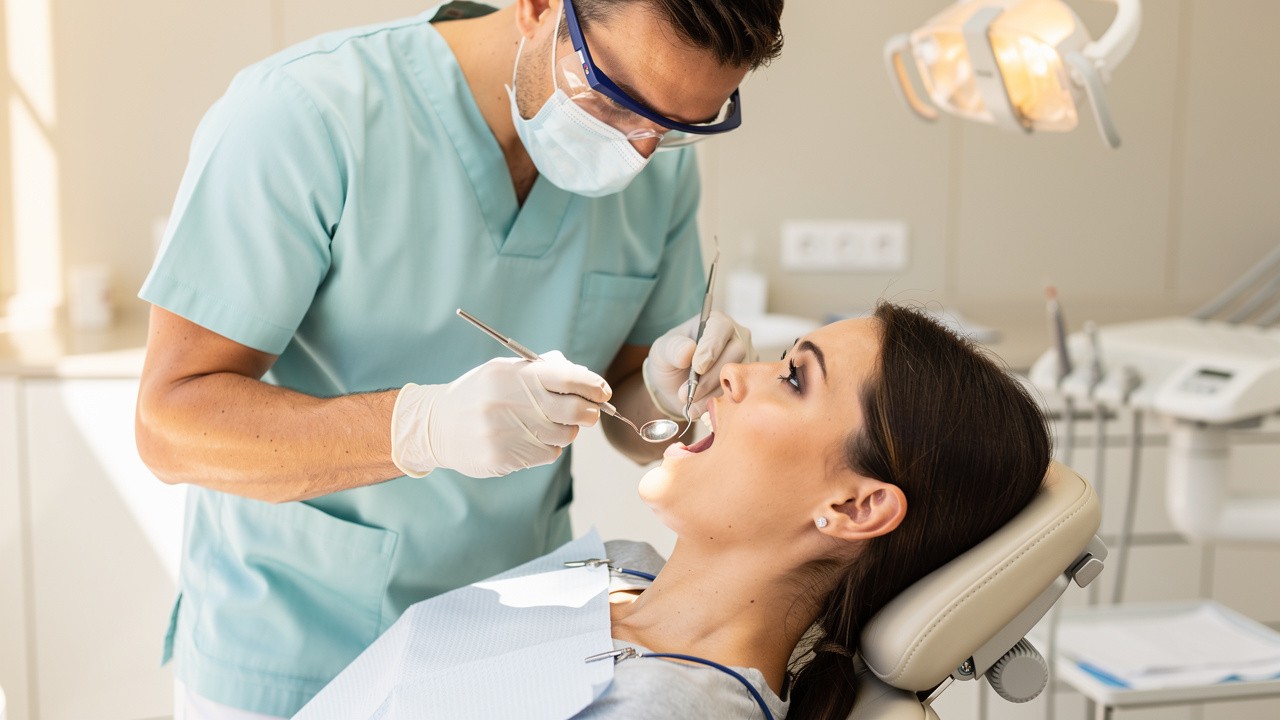
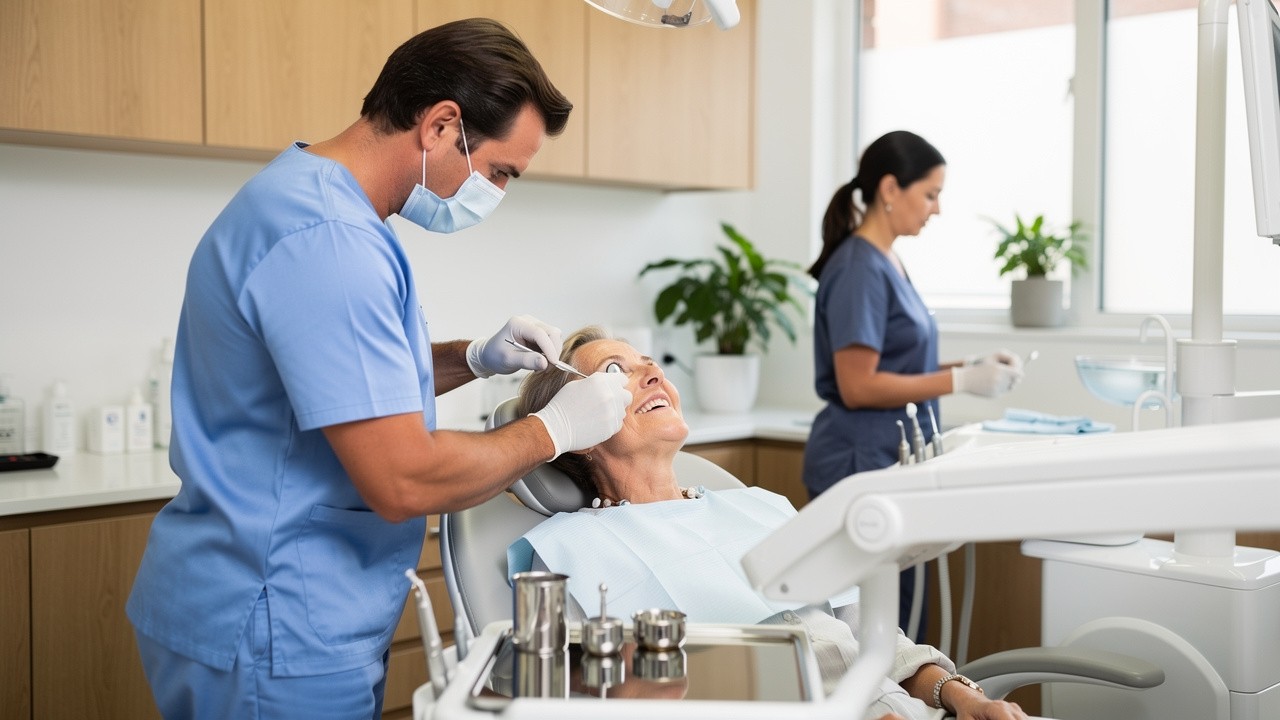
After wisdom teeth removal, it is normal to experience some swelling, tenderness, minor bleeding and jaw stiffness for the first few days. Most people recover well by resting, using ice packs, eating soft foods, avoiding straws or smoking, and carefully following their dentist’s aftercare instructions.
For the first few days after wisdom teeth removal, you should expect some manageable pain, swelling, and minor bleeding. The key to a smooth recovery is to control swelling with ice packs, manage discomfort with recommended pain relief, stick to a diet of soft foods, and protect the vital blood clot in the extraction site by avoiding straws and smoking. Diligent aftercare is essential for preventing complications.
This guide provides a comprehensive overview of the wisdom teeth extraction recovery process, from the first 24 hours to long-term healing. We will cover diet, oral hygiene, and how to spot potential issues, helping you feel prepared and supported.
Key Takeaways
-
Understanding the normal recovery timeline for wisdom teeth removal is key to a stress-free experience. The first 48-72 hours are when swelling and discomfort are most noticeable, with gradual improvement each day after.
-
Following essential aftercare steps is the most important part of healing. This includes managing bleeding with gauze, using ice packs to minimise swelling, taking pain medication as directed, and getting plenty of rest.
-
Your diet plays a major role in your recovery. Sticking to soft foods after wisdom teeth removal like yoghurt, smoothies (without a straw), and lukewarm soups helps prevent irritation to the surgical sites and supports proper healing.
-
Recognising the signs of complications promotes early intervention. Be aware of the symptoms of dry socket after wisdom teeth removal, such as severe radiating pain after a few days, or signs of wisdom teeth removal infection signs like fever and worsening swelling.
-
Knowing when to seek help is important for your peace of mind. You should contact a trusted Noosa Hinterland dentist for urgent dental care if you experience uncontrolled bleeding, severe pain, or signs of a serious infection.
Jump to section
- Preparing For Your Wisdom Teeth Removal Recovery Process
- What To Expect In The First 24 Hours After Wisdom Teeth Removal
- Navigating The Days And Weeks After Wisdom Teeth Extraction
- Essential Aftercare: Diet, Oral Hygiene, And Lifestyle Adjustments
- Understanding And Managing Potential Wisdom Teeth Removal Complications
- How Much Does Wisdom Teeth Removal Cost In Australia And What About Support?
- Conclusion: Your Path To A Smooth Wisdom Teeth Recovery
- Frequently Asked Questions
Preparing For Your Wisdom Teeth Removal Recovery Process
Your wisdom teeth removal recovery begins before the procedure itself. Understanding what to expect and how to prepare can make the healing process smoother and more comfortable. A key part of this preparation involves having a clear discussion with your dentist about the surgery and the specific aftercare instructions you will need to follow.
Being prepared means setting up a comfortable space at home for rest, stocking your pantry with appropriate soft foods, and arranging for time off work or school. It also involves understanding why the procedure is necessary in the first place. For many residents in Cooroy, Pomona, and the surrounding Sunshine Coast Hinterland, this understanding provides peace of mind and helps them feel more in control of their oral health path. At Noosa Hinterland Dental, we make sure every patient feels fully informed and supported before, during, and after their treatment.
Why Is Wisdom Teeth Removal Often Necessary?
Wisdom teeth, or third molars, are the last teeth to emerge, and often our jaws simply do not have enough space to accommodate them. This lack of space can lead to a wisdom tooth becoming impacted, meaning it is stuck beneath the gum line or growing at an awkward angle. Impacted wisdom teeth can be categorised as mesial (angled forward), distal (angled backward), vertical (upright but trapped), or horizontal (lying sideways).
These impactions can cause a range of problems, including persistent pain, infection of the surrounding gum tissue (pericoronitis), and crowding that misaligns other teeth. In some cases, cysts can form around an impacted tooth, potentially damaging the jawbone and adjacent teeth. A professional assessment at Noosa Hinterland Dental, often involving a wide-view X-ray called an OPG, helps determine if removal is the best way to relieve current discomfort and prevent these future complications.

What To Expect In The First 24 Hours After Wisdom Teeth Removal
The first 24 hours after your wisdom teeth extraction are foundational for a successful recovery. The main goals during this period are to control bleeding by protecting the blood clot, manage pain as the anaesthetic wears off, and minimise the initial swelling. Strictly adhering to your dentist’s aftercare instructions during this time can significantly reduce discomfort and lower the risk of complications.
Your body’s natural healing response will begin immediately, and your actions can either support or hinder this process. This means prioritising rest and avoiding any strenuous activity. Gentle care, proactive pain management, and careful protection of the surgical sites will set the stage for the rest of your wisdom teeth healing time. Remember that a small amount of oozing and discomfort is a normal part of the process.
Managing Immediate Bleeding And Pain After Wisdom Teeth Removal
Immediately after the procedure, your dentist will place sterile gauze pads over the extraction sites. You will need to bite down with firm, steady pressure for at least 30 to 45 minutes to help stop the bleeding and encourage a blood clot to form. This clot is essential for healing, as it protects the underlying bone and nerves. You may need to change the gauze if it becomes saturated, but it is normal for your saliva to be tinged with blood for the first day.
To manage wisdom teeth removal pain, it is best to take your first dose of recommended pain relief, such as Paracetamol or Ibuprofen, before the local anaesthetic completely wears off. Your dentist will advise on a schedule, often involving alternating between these medications to effectively manage both pain and inflammation. Rest is also important; keep your head elevated with an extra pillow when lying down to help reduce throbbing and bleeding at the surgical sites.
Minimising Swelling And Bruising During Initial Wisdom Teeth Extraction Recovery
Swelling is a normal part of your body’s response to surgery, and managing it effectively starts right away. For the first 24 hours, apply an ice pack or a bag of frozen peas wrapped in a thin towel to the outside of your face over the surgical area. A good rhythm is 20 minutes on, followed by 20 minutes off. This cold therapy helps constrict blood vessels, which reduces inflammation and can also help with discomfort.
Keep in mind that wisdom teeth removal swelling typically peaks around 48 to 72 hours after the procedure, so do not be alarmed if it seems to worsen on the second or third day before it starts to improve. Some bruising on your cheeks or neck may also appear, which is normal and will fade over the following week. During this initial phase, it is absolutely essential to avoid anything that creates suction in your mouth—no drinking through straws, no forceful spitting, and no smoking or vaping, as this can dislodge the protective blood clot.
Navigating The Days And Weeks After Wisdom Teeth Extraction
As you move beyond the initial 24-hour period, your recovery focus shifts to gentle maintenance and a gradual return to your routine. The days and weeks following your wisdom teeth extraction will see a steady reduction in symptoms like swelling and jaw stiffness. Patience is key, as your body needs time to heal properly.
Listening to your body is important during this phase. Pushing yourself too hard can set back your recovery. By monitoring your healing, following your aftercare instructions, and slowly reintroducing normal activities, you can help guarantee a smooth and uneventful wisdom teeth removal recovery time.
What Does The Wisdom Teeth Healing Time Involve?
The timeline for healing after wisdom teeth removal varies for everyone, but there is a general pattern you can expect. After peaking around day three, pain and swelling should begin to steadily decrease, consistent with findings on Postoperative pain and influencing factors following prophylactic extraction of impacted mandibular third molars. You might also experience some jaw stiffness, known as trismus, which can be managed with gentle opening and closing exercises and by applying warm compresses to your jaw after the first 24-hour period.
If you have wisdom teeth stitches, they are often the dissolving type and will fall out on their own within one to two weeks. While the soft gum tissue over the extraction site typically closes within a couple of weeks, the underlying jawbone takes several months to completely regenerate and fill in the socket. It is recommended to avoid strenuous physical activity like heavy lifting or intense exercise for at least a week to prevent dislodging the blood clot and causing further bleeding.
When Can You Return To Normal Activities After Wisdom Teeth Removal?
The timeline for resuming your daily routine depends on the complexity of your procedure and how you feel. Most people require at least two to three days of rest before feeling ready to return to work or school. If your job is physically demanding, you may need to plan for a few extra days off to allow for a proper recovery.
When reintroducing physical activity, start slowly with gentle walks and avoid any exercises that could cause jarring or an increase in blood pressure to your head. If you underwent IV sedation or a general anaesthetic, you must not drive or operate machinery for at least 24 hours and should have a responsible adult with you for the rest of the day. Your return to normal life should be gradual, always guided by your comfort level and your dentist’s specific advice.
Essential Aftercare: Diet, Oral Hygiene, And Lifestyle Adjustments
Diligent wisdom teeth removal aftercare is fundamental to a quick and complication-free recovery. This involves making smart choices about what you eat, how you clean your mouth, and certain lifestyle habits you must avoid. These adjustments protect the delicate healing sites from irritation, infection, and trauma.
Following a temporary diet of soft foods after wisdom teeth removal is not just about comfort; it prevents food particles from becoming lodged in the sockets. Similarly, modifying your oral hygiene routine helps keep the area clean without disrupting the healing process. These simple but important steps are your best defence against common post-operative issues.
What To Eat After Wisdom Teeth Removal And Foods To Avoid?
For the first few days, your diet should consist of soft, easy-to-swallow foods that require minimal chewing. Lukewarm or cold foods are often more soothing.
Good Food Choices:
-
Yoghurt and custard
-
Smooth, blended soups (not hot)
-
Mashed potatoes or pumpkin
-
Scrambled eggs
-
Applesauce and smoothies (consumed from a cup, never a straw)
-
Protein shakes
As you start to feel better, you can gradually reintroduce more solid foods. However, for at least a week, you must strictly avoid certain items that can cause problems.
Foods and Drinks to Avoid:
-
Crunchy or hard foods: Chips, nuts, popcorn, and hard biscuits can injure the gum tissue.
-
Small or crumbly foods: Rice, seeds, and grains can easily get stuck in the extraction sockets.
-
Spicy or acidic foods: These can cause stinging and irritation in the healing wound.
-
Hot liquids: Hot coffee, tea, or soup can dissolve the blood clot.
-
Alcohol: It can interfere with pain medication and hinder the healing process.
Maintaining Oral Hygiene And Lifestyle During Wisdom Teeth Extraction Recovery
Keeping your mouth clean after surgery is important for preventing infection, but it must be done gently. For the first 24 hours, you should not rinse your mouth or brush the teeth near the extraction sites. After this initial period, you can resume brushing your other teeth carefully.
Starting 24 hours after your procedure, you should begin gently rinsing your mouth with warm salt water. Dissolve half a teaspoon of salt in a cup of warm water and let the solution flow around your mouth after every meal and before bed. Avoid vigorous swishing. It is also best to steer clear of commercial mouthwashes that contain alcohol, as they can irritate the healing tissue. Most importantly, you must avoid smoking or vaping, a recommendation also reinforced by clinical guidance outlined in the Dental Toolkit 2024 3.Pdf on managing oral health and antibiotics wisely during tooth-related procedures. The suction and toxic chemicals dramatically increase your risk of developing a painful dry socket after wisdom teeth removal and can severely delay healing.
Understanding And Managing Potential Wisdom Teeth Removal Complications
While wisdom teeth removal is a routine and safe procedure, it is still a form of surgery, and complications can occasionally occur. Being aware of the warning signs helps you act quickly and seek professional help if something does not feel right. Most issues, when caught early, can be managed effectively by your dentist.
The most common complications are dry socket and post-operative infection. Distinguishing between normal post-operative symptoms and the signs of a complication is key. Remember that worsening pain, fever, or unusual discharge are not part of a standard recovery and warrant a call to your dental clinic.
What Are The Signs Of Dry Socket After Wisdom Teeth Removal?
Alveolar osteitis, commonly known as a dry socket, is the most frequent complication following tooth extraction. It happens when the blood clot in the socket fails to form, dissolves too early, or is dislodged, leaving the underlying bone and nerve endings exposed. The condition is not an infection but is quite painful.
The hallmark symptoms of a dry socket typically appear three to five days after the procedure and include:
-
A severe, throbbing pain that radiates from the socket up towards your ear.
-
A foul taste in your mouth or persistent bad breath.
-
A visible empty-looking socket, sometimes with visible bone.
Preventing dry socket is the best approach. Strictly follow all aftercare advice, especially the rules against using straws, forceful spitting, and smoking. If you suspect you have a dry socket, contact Noosa Hinterland Dental. Treatment is straightforward and involves flushing the socket and placing a medicated dressing, which provides rapid pain relief.
Recognising Wisdom Teeth Removal Infection Signs And Other Complications
While less common than dry socket, a post-operative infection can occur and requires prompt medical attention. Your body’s immune system is working hard to heal, but sometimes bacteria can overwhelm the site. Be on the lookout for any wisdom teeth removal infection signs.
Symptoms that could indicate an infection include:
-
Swelling that worsens or fails to improve after the third day.
-
A persistent fever or feeling generally unwell.
-
A bad taste in your mouth or yellow/white pus discharge from the socket.
-
Severe difficulty swallowing or breathing.
Another less common issue is nerve paraesthesia, which is a temporary (and rarely, permanent) tingling or numbness in the lip, chin, or tongue. This can happen if the nerves near an impacted wisdom teeth removal site are bruised during the procedure. Any of these signs should prompt an immediate call to your dentist for assessment and care.
How Much Does Wisdom Teeth Removal Cost In Australia And What About Support?
Understanding the financial aspect of wisdom teeth removal is an important part of planning for the procedure. In Australia, the costs can vary, and it is helpful to know what factors are involved and what support is available. This helps you make informed decisions without financial stress.
Seeking care from a local, community-focused clinic means you have access to transparent advice and ongoing support right in your neighbourhood. From initial consultation to post-operative check-ups, having a trusted dental team nearby provides invaluable peace of mind for families across the Sunshine Coast Hinterland.
Understanding Wisdom Teeth Removal Cost In Australia And Health Fund Rebates
The wisdom teeth removal cost in Australia is not a single fixed price. It depends on several factors, including how many teeth are being removed, the complexity of the procedure (a simple extraction versus a surgical removal of an impacted tooth), and the type of anaesthesia used (local anaesthetic, IV sedation, or general anaesthetic), as outlined in the AAOMS guidelines on impacted third molars referenced in the document 2407ImpactedThirdMolarsClinicalPaper.indd.
If you have private health insurance with ‘extras’ cover, you may receive a significant rebate for the procedure. It is always recommended to get an itemised treatment plan from your dentist with the specific item codes. You can then provide this to your health fund to determine your exact out-of-pocket expense. At Noosa Hinterland Dental, we provide clear, upfront quotes and can discuss flexible payment plan options to make sure necessary dental care is always accessible for our community.
When To Call Your Noosa Hinterland Dentist For Urgent Wisdom Teeth Care
This guide provides general information, but you must always follow the specific post-operative instructions given to you by your dentist. While a smooth recovery is the most common outcome, it is important to know when a symptom warrants an urgent call for professional advice.
You should contact your dentist immediately if you experience any of the following:
-
Severe or worsening pain that is not relieved by your prescribed medication.
-
Swelling that continues to increase after 72 hours.
-
Uncontrolled bleeding that does not stop after applying firm pressure with gauze.
-
A high temperature or fever.
-
Pus or a foul-smelling discharge from the extraction site.
-
Severe difficulty opening your mouth, swallowing, or breathing.
The team at Noosa Hinterland Dental is committed to supporting our patients from Pomona, Cooroy, and the wider Noosa Hinterland through every stage of their treatment, including their recovery. We are here to provide gentle, expert care and answer any concerns you may have.
Conclusion: Your Path To A Smooth Wisdom Teeth Recovery
Navigating your wisdom teeth removal recovery is a manageable process when you are well-informed and prepared. The key to a smooth and comfortable healing process lies in diligently following your dentist’s aftercare instructions. By effectively managing pain and swelling, sticking to a soft-food diet, and maintaining gentle oral hygiene, you create the best possible environment for your body to heal.
Remember to be patient with yourself and listen to your body’s needs. While a full recovery takes time, each day should bring gradual improvement. Recognising the signs of potential complications and knowing when to seek professional advice is also a vital part of taking control of your health.
For residents in Cooroy, Eumundi, Kin Kin, Cooran, Noosa, and the surrounding hinterland, the team at Noosa Hinterland Dental is here to provide gentle, expert, and supportive care. If you have any questions about your wisdom teeth or are experiencing concerns during your recovery, please do not hesitate to contact us.
Frequently Asked Questions
Question: How long does wisdom teeth removal take to heal completely?
Answer: Initial healing of the gums takes about one to two weeks. However, the underlying jawbone can take several months to fully fill in the socket. Your complete recovery time will vary depending on the complexity of the extraction and your individual healing rate.
Question: Can I smoke or vape after wisdom teeth removal?
Answer: No, you should avoid smoking and vaping for at least 72 hours, though longer is much better. The suction can dislodge the blood clot, causing a painful dry socket after wisdom teeth removal, and the chemicals in smoke severely impair your body’s ability to heal efficiently.
Question: What should I do if my wisdom teeth stitches fall out early?
Answer: Most stitches used today are dissolvable and are designed to fall out on their own as you heal. If a stitch comes out within the first day or two, or if you notice an increase in bleeding or pain, it is best to contact your dentist for advice.
Question: Is it normal to have a bad taste in my mouth after wisdom teeth removal?
Answer: A slight metallic or medicinal taste is common for the first couple of days. However, if you develop a persistent foul taste or bad breath, especially when accompanied by increasing pain after day three, it could be a sign of a dry socket or infection and you should call your Noosa Hinterland dentist.
Question: How do I clean the back of my mouth after wisdom teeth extraction?
Answer: For the first 24 hours, do not brush near the surgical site. After that, you can clean the area by gently rinsing with warm salt water several times a day, especially after meals. Carefully brush your other teeth, and you can gradually return to brushing the back teeth as healing progresses and comfort allows.
Question: When can I stop taking pain medication after wisdom teeth removal?
Answer: You can stop taking pain medication once your discomfort is manageable or gone completely. Always follow your dentist’s specific instructions for any prescription medication. If your pain persists or worsens after a few days, you should contact your dental clinic for a follow-up.