If you are wondering how to use health fund for dental treatment, the process usually involves claiming a rebate from your extras cover and paying the remaining gap. Dental extras cover can help with general dental, major dental and sometimes orthodontic treatment, depending on your policy, waiting periods, annual limits and health fund rules.
At practices with HICAPS, eligible rebates can usually be claimed on the spot.
At Noosa Hinterland Dental in Pomona, we help patients understand item numbers, health fund claiming, treatment quotes and payment options, so dental visits feel clearer, less stressful and easier to plan.
Jump to section
- How Does Dental Health Fund Cover Work?
- How Does Dental Health Fund Cover Work In Australia?
- What Dental Treatments Are Typically Covered – And What Usually Isn’t?
- How Can You Maximise Your Dental Health Fund Benefits Each Year?
- How Does Noosa Hinterland Dental Help You Use Your Health Fund Wisely?
- Ready To Make The Most Of Your Dental Cover?
- Frequently Asked Questions
How Does Dental Health Fund Cover Work?
Many locals pay for extras cover yet feel unsure how to use their health fund for dental visits. You generally use your health fund to help pay for dental work by claiming a rebate on each treatment item through your insurer, then paying only the remaining gap at the practice. At a clinic with HICAPS, such as Noosa Hinterland Dental in Pomona, this claim usually happens on the spot while you are at reception.
Confusing rules about waiting periods, annual limits and what counts as cosmetic often leave people guessing. That guesswork can lead to surprise bills or, even worse, skipped check-ups.
Dental extras cover is private insurance that helps with the cost of general, major and sometimes orthodontic care. This guide explains how those categories work, what treatments health funds usually help with, and how to use a health fund for dental care in a way that suits your family, budget and comfort levels. You will also see how Noosa Hinterland Dental supports patients across Pomona, Cooroy, Cooran, Kin Kin, Noosa and the wider Sunshine Coast hinterland.
Ready to feel more confident at your next appointment instead of crossing your fingers at the desk?
Key Takeaways
Short on time? These are the core ideas.
-
Understand Your Dental Extras Cover
You need to know which level of extras you hold and which fund you are with, for example Bupa or Medibank. Check whether you have general, major and orthodontic dental listed on your policy. This simple check is the first step in using your health fund for dental treatment without surprises. -
Know What’s Covered And What Usually Isn’t
Most policies help with check-ups, cleans, X-rays, fillings and many restorative treatments. Purely cosmetic work, such as whitening or smile makeovers, usually does not receive a rebate. Treat any cosmetic benefit as a bonus rather than something you count on. -
Use Preventive Visits To Maximise Value
General dental benefits often pay best for regular check-ups and cleans. According to the Australian Institute of Health and Welfare, cost is a common reason people delay dental care, even though early visits reduce the need for more complex treatment. Regular preventive care often saves both teeth and money over time. -
Plan Bigger Treatments Around Annual Limits
Extras cover has yearly limits for general and major dental, plus lifetime caps for orthodontics. Splitting complex work, such as several crowns or stages of dental implants, across two benefit years can soften the impact on your budget where it is clinically safe. -
Get Clear Quotes And Health Fund Checks Before You Decide
Ask Noosa Hinterland Dental for a written plan with ADA item numbers before you go ahead. Then call or log in to your health fund, for example HCF or NIB, and ask what they will pay. Knowing the gap in advance makes decisions calmer, especially for anxious patients.
How Does Dental Health Fund Cover Work In Australia?
Dental health fund cover in Australia is usually part of extras insurance, not standard hospital cover or Medicare. It works by paying a set rebate for each dental item number up to a yearly limit, so you pay the rest as a gap.
Most policies separate dental into general, major and sometimes orthodontic categories. According to the Australian Prudential Regulation Authority, more than 13 million Australians hold extras cover, which includes these dental benefits. Funds such as HBF and NIB decide how much they will pay for each item, either a percentage of the fee or a fixed dollar amount.
At Noosa Hinterland Dental, each treatment has a standard Australian Dental Association (ADA) item number. When your card is swiped through HICAPS, your fund pays its share straight away, and you pay the gap by EFTPOS or another method. Annual limits reset either on 1 January or on your membership anniversary, and unused benefits usually disappear rather than roll over.
Here is a simple comparison of the main categories.
| Cover Type | Main Focus | Typical Examples |
|---|---|---|
| General Dental | Prevention and basic care | Check-ups, cleans, small fillings |
| Major Dental | Complex repair | Crowns, root canal treatment, dentures |
| Orthodontics | Tooth alignment | Braces, clear aligners |
Understanding General, Major And Orthodontic Dental
Understanding general, major and orthodontic dental makes it far easier to predict health fund rebates. These categories match the types of care you may receive at Noosa Hinterland Dental.
-
General Dental
General dental usually covers:-
regular check-ups
-
professional cleans and polish
-
fluoride treatments
-
X-rays
-
simple fillings
Many funds offer higher rebates for these services to reward preventive care, a pattern consistent with findings in Patient preferences and willingness to pay for dental services, which shows patients place high value on preventive and routine dental work. This level is especially helpful for kids and adults who manage their teeth best with short, regular visits.
-
-
Major Dental
Major dental deals with bigger repairs, such as:-
large fillings
-
same-day CEREC crowns
-
bridges
-
dentures
-
root canal treatment
Waiting periods are often around twelve months for this level, and benefits come from a separate yearly limit. Adults who need restorative work after years of wear, cracks or decay usually claim from this part of their cover.
-
-
Orthodontic Dental
Orthodontic dental applies to braces and clear aligners, such as Invisalign-style treatments. Most funds keep orthodontic rebates in a special pool that has both annual caps and lifetime caps. Because waiting periods can stretch to two years, item numbers and fund checks are essential before teenagers or adults begin alignment treatment.
What Dental Treatments Are Typically Covered – And What Usually Isn’t?
Health funds usually help with treatment that protects or repairs your teeth, rather than work that only changes how they look. At Noosa Hinterland Dental this means many day-to-day services attract some rebate, while purely cosmetic upgrades often sit outside cover.
According to the Private Health Insurance Ombudsman, dental treatment receives more extras benefits than any other service, which shows how often Australians claim for dentistry — an issue also examined through the lens of Economic evaluation on dental caries preventive interventions, which underscores the financial case for prioritising covered preventive treatments. Funds look at item numbers and clinical notes, not just how pretty the result appears in photos. So a crown that restores a broken molar is much more likely to receive a benefit than whitening before a wedding.
For locals around Pomona, Cooroy, Cooran and Kin Kin, this difference matters when planning smile improvements. You may decide to complete health-based treatment first, then add cosmetic options once you know how much room is left in your budget and health fund limits.
Common Dental Services And Typical Health Fund Responses
Common dental services and typical fund responses follow some clear patterns, even though each policy is different. Understanding these patterns makes it easier to estimate a rebate before you call your insurer.
-
Check-Ups, Cleans And X-Rays
These usually fall under general dental and are the best example of using a health fund for dental care in a smart way. Many extras policies are designed around one or two preventive visits per year for each person. At Noosa Hinterland Dental, a routine visit often includes an exam, scale, polish, fluoride and small X-rays when needed, with much of that rebated by your fund. -
Fillings And Gum Care
Small fillings sometimes count as general dental, while larger or multi-surface fillings can draw from major dental limits. Periodontal care for gum disease may also tap into the higher level cover. This is why it helps to ask for item numbers, such as deep cleaning codes, before you ring Bupa, HCF or another fund. -
Crowns, Bridges, Dentures And Implants
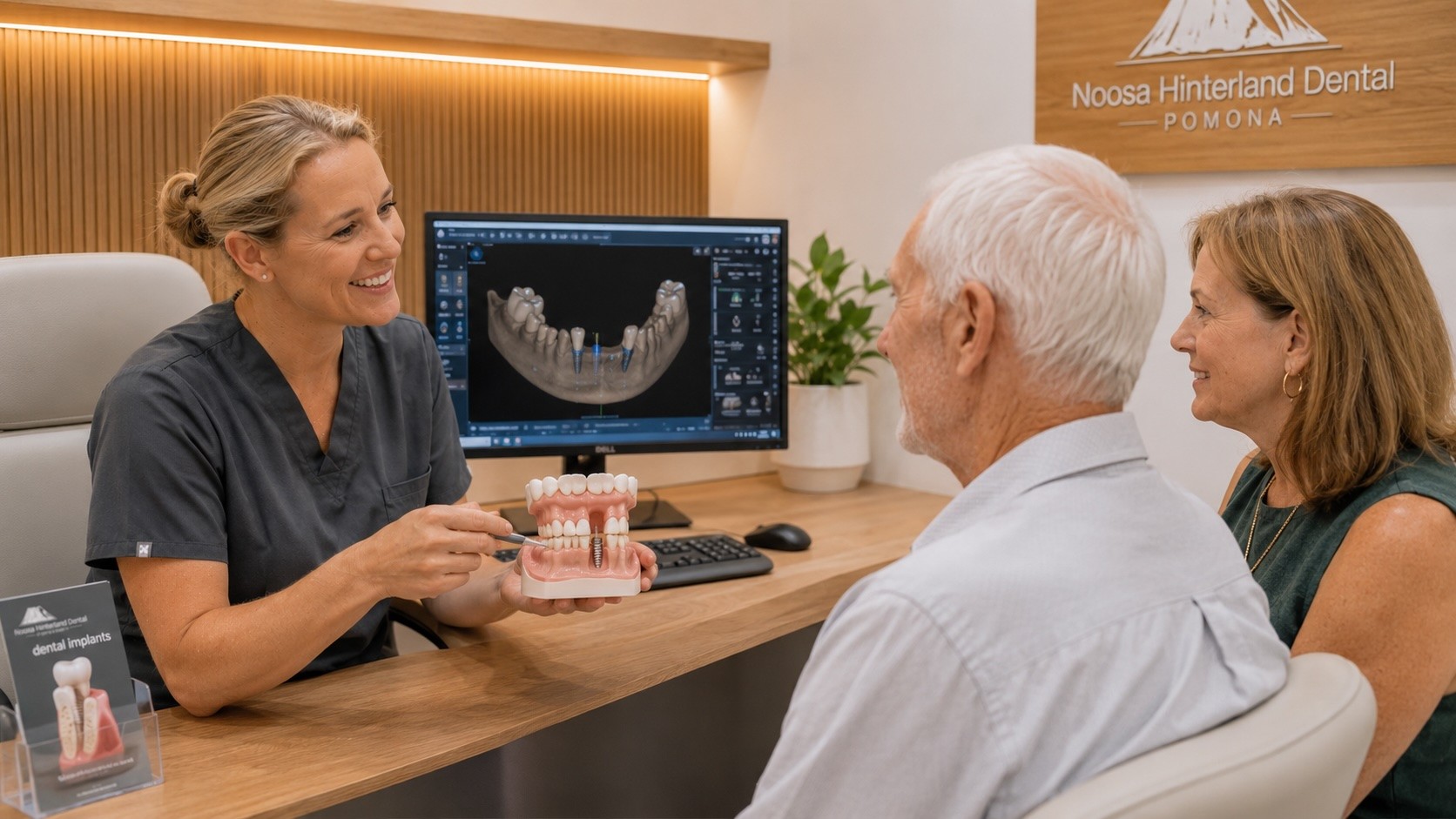
These services nearly always sit under major dental and have longer waiting periods. Extra work for dental implants, such as bone grafts or sinus lifts, might not receive any benefit, even when the final crown does. Adults considering implants or full mouth rehabilitation at Noosa Hinterland Dental usually gain from a staged plan that lines treatment up with yearly limits and clinical priorities. -
Orthodontics And Clear Aligners
Clear aligners, including Invisalign-style systems, are generally billed under orthodontic item numbers. Where orthodontic cover exists, funds often release benefits slowly each year rather than in one lump sum. Families should expect a gap even with cover and may use payment plans to spread this gap over time. -
Cosmetic Treatments Including Whitening And Veneers
Whitening, porcelain veneers for minor chips and full smile makeovers often sit outside extras cover because they are viewed as cosmetic. If a veneer or crown is needed to rebuild a cracked or heavily filled tooth, the fund may still pay a benefit under major dental. Noosa Hinterland Dental encourages patients to see any cosmetic rebate as a pleasant surprise, not something they rely on.
How Can You Maximise Your Dental Health Fund Benefits Each Year?
Maximising dental health fund benefits each year comes down to regular preventive care and smart timing of bigger work. Once you understand how your extras cover works, you can align appointments with limits instead of leaving money unused.
Research from the Australian Institute of Health and Welfare shows many adults delay dental visits because of cost, which often leads to more complex treatment later — a finding echoed in a Frontiers | Exploring strategies scoping review on barriers to oral healthcare access across Australia. Regular check-ups at Noosa Hinterland Dental let the team spot small issues while they are still simple and far more affordable. At the same time, knowing your benefit year and remaining limits helps you choose the right moment for crowns, implants or orthodontic treatment.
Thoughtful planning is especially helpful for families with children in Pomona, Cooroy and Kin Kin, where several people draw from the same pool of extras cover. It also supports retirees on fixed incomes and anyone who feels nervous about both the chair and the bill.
Practical Steps Before And After Your Appointment
Practical steps before and after your visit can lift a lot of the stress from dental costs. Here is a simple checklist that many Noosa Hinterland Dental patients follow.
-
Know Your Policy Details
-
Log in to your fund app or portal and read the dental section carefully.
-
Check how much general, major and orthodontic limit you have left for this year.
-
Note your benefit reset date (calendar year or membership anniversary).
This quick task keeps you informed before you even step into the clinic.
-
-
Ask For Item Numbers And Written Treatment Plans
After your examination, ask the dentist for a written plan that lists each procedure with ADA item numbers and fees. Noosa Hinterland Dental does this every day for families, retirees and anxious patients. Those numbers are the key to using your health fund for dental treatment without guesswork, and a systematic review on Patient preferences and willingness to pay confirms that informed patients who understand their costs are more likely to follow through with recommended care. -
Check Waiting Periods And Eligibility
When you phone your fund, ask whether any waiting periods still apply to the planned treatment. This matters for upgrades to cover, major dental and orthodontics such as clear aligners. Booking elective work before waiting times finish can leave you with no rebate at all. -
Time And Stage Your Treatment
Talk with your dentist about what must be done now and what can safely wait. Sometimes it makes sense to do urgent fillings or a root canal this year, then schedule other crowns or implants for early next year once limits reset. According to APRA, extras limits work on a yearly cycle, so good timing often stretches your benefits further. -
Use Benefits Before They Expire
Most funds have a use it or lose it rule for extras benefits. Booking six‑monthly check-ups for the whole family at Noosa Hinterland Dental helps you use what you are already paying for. It also avoids the December rush that many health funds and practices experience.
How Does Noosa Hinterland Dental Help You Use Your Health Fund Wisely?
Noosa Hinterland Dental helps patients use health funds wisely by combining gentle care, transparent costs and smooth claiming. The aim is to put oral health first while still respecting your budget and policy rules.
The clinic accepts all major funds, including Bupa, HCF, Medibank, NIB and HBF, and uses HICAPS for on-the-spot claims. That means your rebate from general or major dental cover is taken off the bill instantly, and you only pay the gap. The team supplies clear, written plans for everything from small fillings to full mouth rehabilitation and orthodontic treatment so you can confirm rebates before you decide.
For eligible children, Noosa Hinterland Dental also honours the Child Dental Benefits Schedule (CDBS), which currently pays up to $1,052 over two calendar years for basic care Services Australia. That can work alongside extras cover on a family policy to keep kids’ visits very affordable.
“Regular dental visits help find small problems before they need major treatment.”
— Australian Dental Association
This message fits closely with the clinic approach. As one local patient, Tabitha F, shared:
“Noosa Hinterland Dental Pomona is the best dentist that I have gone to, all the people are very nice and very gentle and always make sure I am comfortable.”
Comments like this show how a calm, caring space makes it easier to attend regularly and make good use of cover.
Making Dental Care Straightforward For Local Families And Retirees
Making dental care straightforward for families, retirees and anxious patients sits at the heart of Noosa Hinterland Dental. Here is how the team supports locals from Pomona, Cooroy, Cooran, Kin Kin and nearby towns.
-
On-The-Spot HICAPS Claiming
The reception team swipes your health fund card or digital card while you wait. Your insurer pays its share straight away, so you only pay the remaining gap. This saves you from filling in claim forms or waiting for money to appear in your bank account. -
Transparent Fee Communication And Treatment Planning
Before treatment begins, you receive a clear estimate that lists item numbers, stages and costs. This applies to general care, same‑day CEREC crowns, implants, dentures, orthodontics and emergency work. With these figures in hand, you can call your fund and check how your extras cover will apply in your situation. -
Flexible Payment Options To Bridge The Gap
When health fund benefits do not stretch far enough, Noosa Hinterland Dental offers interest‑free DentiCare payment plans. These plans spread the remaining balance over time with regular instalments that fit your budget. This helps people go ahead with needed crowns, implants or full mouth rehabilitation without delaying care. -
Support For Children And Anxious Patients
The practice uses tell–show–do steps, ceiling TVs, warm blankets and noise‑cancelling headphones to create a calm space. Sedation options, including oral medication and IV sedation, are available for those with stronger anxiety. A gentle, judgement‑free approach helps people return after long breaks and make steady use of their extras cover. -
Using Government Programs Alongside Private Cover
Noosa Hinterland Dental participates in the Child Dental Benefits Schedule for eligible children. The team explains how CDBS and private extras cover work together so families can minimise or even remove gaps for kids. This joined approach helps parents across the Noosa hinterland keep appointments regular rather than waiting for pain.
Ready To Make The Most Of Your Dental Cover?
Making the most of dental cover comes down to three simple ideas:
-
Understand your policy – know your limits, waiting periods and what counts as general, major and orthodontic dental.
-
Attend regular preventive visits – check-ups and cleans help catch problems early and use your general dental benefits.
-
Plan larger treatments – work with your dentist to schedule crowns, implants or orthodontics around annual limits and waiting periods.
When you follow these steps, using a health fund for dental care becomes clear instead of confusing.
Remember that treatment decisions should always be based on clinical need and long-term oral health, not on chasing rebates. Treatment plans at Noosa Hinterland Dental always start with what is best for your mouth now and in the future, then work with your fund to reduce the gap wherever possible. Cosmetic goals, such as whitening or veneers, sit on top of that health base.
If you live in Pomona, Cooroy, Cooran, Kin Kin, Noosa or elsewhere in the Noosa hinterland and want clearer answers about your cover, the team is ready to help. Call Noosa Hinterland Dental or book online for a check-up or personalised plan, and bring your health fund details to your visit. Together you can map out a path that keeps your smile comfortable and keeps your extras working harder for you.
Frequently Asked Questions
Short, direct answers to common local questions can make health funds far less confusing. Each one stands on its own, so you can read only what you need.
Question How Do I Check What My Health Fund Will Pay Before My Dental Visit?
You check likely payments by combining an itemised quote with a call or online query to your fund. Ask Noosa Hinterland Dental for a treatment plan with ADA item numbers and fees, then phone or use your fund app to request a benefit quote and estimated gap.
Question Can I Use Both The Child Dental Benefits Schedule And My Private Health Fund For My Kids?
Yes. CDBS from Medicare sits separately from private extras cover. Families often choose for each visit whether to use CDBS or their fund, depending on limits and what treatment is needed. Noosa Hinterland Dental accepts CDBS and helps parents decide which option keeps gaps as low as possible.
Question What Happens If I’ve Reached My Dental Limit But Need Emergency Treatment?
Once you reach your yearly dental limit, most funds stop paying benefits until the next benefit year begins. Urgent problems still need quick treatment to avoid infection or tooth loss. Noosa Hinterland Dental offers same‑day emergency visits where possible and can discuss payment options if your cover is exhausted.
Question Do I Have To See A Preferred Provider To Use My Dental Extras Cover?
You can use dental extras cover at any registered dentist, not only preferred providers. Network dentists may give higher rebates or lower gaps, but choosing a practice that suits your family, your location and your comfort levels often matters more. Noosa Hinterland Dental accepts all major health funds through HICAPS, even when the fund has its own network.
Question How Often Should I Book Check-Ups To Make The Most Of My Health Fund?
Most policies and dentists suggest check-ups and professional cleans every six to twelve months. Many extras products are built around two preventive visits per year. Regular appointments at Noosa Hinterland Dental help prevent bigger, more costly problems and mean you actually use the benefits you pay for before they reset.