Jaw and TMJ pain should be checked by a dentist when it lingers, keeps returning, or affects chewing, speaking or opening. A TMJ jaw pain dentist can sort short‑lived, mild clicks from problems that need treatment or medical checks. If pain is sharp, one sided, linked with locking, swelling, fever, or sudden bite changes, it needs prompt care rather than watchful waiting.
For families across Pomona, Cooroy and the wider Noosa Hinterland, jaw pain is common and often linked with stress, habits, teeth, joints or sleep. That mix can feel confusing, yet most people improve with clear explanations, simple changes and, when needed, targeted dental care. At Noosa Hinterland Dental this information is shared for general guidance only, because personal diagnosis and treatment always need a face‑to‑face examination.
In this article we explain what TMJ and TMD mean, what symptoms matter, when jaw pain is mainly dental or stress related, and when it hints at a medical problem. You will also see how a TMJ jaw pain dentist checks the joint and muscles, which dental treatments may help, safe self‑care you can start now, and how to protect your jaw long term.
Key takeaways
Many people want the short version before they read details, especially busy families around Pomona and Cooran. These points give a quick guide on TMJ jaw pain, when to seek a TMJ jaw pain dentist, and simple first steps. You can then read the sections that feel most relevant for you.
-
TMJ means the jaw joint itself, while TMD covers problems in the joint, muscles or both. These problems can cause jaw pain, jaw clicking, headaches and ear fullness, even when teeth look fine. Dentists look at teeth, bite, joints and muscles together, not just one spot that hurts.
-
Jaw pain is more likely dental when there is local tooth pain, broken fillings, heavy grinding or clear bite changes. It is more linked with stress when clenching rises during busy periods and settles with rest. Medical problems are more likely when there is swelling, fever, numbness, burning pain or feeling very unwell.
-
Red flags that need prompt dental or medical review include sudden jaw locking, big changes in opening, obvious swelling, fever, weight loss, or sharp pain after a hit to the jaw. These signs should not be put down to stress alone.
-
A local TMJ jaw pain dentist in Pomona can take a careful history, check jaw movement, feel muscles, assess teeth and bite, and arrange X‑rays or 3D scans when needed. They can also work with your GP, physiotherapist or oral surgeon if joint disease or other conditions are involved.
-
Safe self‑care at home includes jaw rest with softer foods, avoiding wide yawns, using warm compresses for tight muscles, checking posture, and easing stress where possible. These steps support, but do not replace, a proper examination when symptoms are persistent or worrying.
If you are unsure whether your symptoms need a check, it is reasonable to book a TMJ assessment appointment so a dentist can review your jaw and bite in person.
What is TMJ and TMD and how do they cause jaw pain?
TMJ and TMD describe the jaw joint and the problems that can upset how it works. The temporomandibular joints sit in front of each ear and let your jaw open, close and slide so you can chew and speak. When the joint, muscles or bite are not working smoothly together, the area can become sore, tight or noisy. That discomfort may be felt in the jaw, face, temples, neck or even around the ears.
TMJ vs TMD simple explanation of the terms
TMJ and TMD are short names many people hear, yet they often sound confusing at first. The TMJ, or temporomandibular joint, is the small hinge and slide joint where your lower jaw meets the base of your skull. You use it every time you talk, yawn, chew, laugh or swallow, so it is active all day and night.
TMD, or temporomandibular disorder, refers to problems affecting this joint, the muscles that move it, or both together. These problems can include muscle tightness, inflamed joint lining, a disc that moves out of place, or arthritis‑type wear. Many patients simply say they have TMJ, meaning they feel TMJ‑related pain or symptoms rather than just naming the joint.
A TMJ jaw pain dentist looks at teeth, bite, muscles and joints as one connected system. Pain can show up in one area while the main strain is somewhere else, such as the neck or chewing muscles. This is why a structured jaw and bite check is more useful than guessing based on one symptom alone.
Common types of TMJ and jaw problems
TMJ problems show up in patterns that dentists often recognise, even though every person’s story is slightly different. One common pattern is muscle based pain, where chewing muscles feel tight, tired or tender, especially after a long day, stressful time or disturbed sleep. People may clench or grind without realising, and pain can spread from the jaw to the temples, cheeks or neck.
A second pattern centres on the joint structures. The small cartilage disc inside the joint can slip forward and then click back into place, causing a noticeable click when opening or closing. If the disc stops moving back, the jaw can suddenly struggle to open fully, which many people describe as the jaw feeling stuck. In other cases, the joint lining becomes inflamed or the surfaces wear, leading to sharper pain and crunching sounds.
Mixed cases are very common, where muscles, joints and teeth all play some part. Stress, posture, general health and habits such as gum chewing or one‑sided chewing often add extra load. It rarely comes down to one single cause, so a TMJ jaw pain dentist usually looks for several small factors that can be changed rather than chasing one magic fix.
What are the key symptoms and red flags of TMJ jaw pain?
Key symptoms of TMJ and TMD include jaw ache, jaw clicking, jaw locking, facial pain, headaches and ear fullness. These signs often build gradually, which means people in Kin Kin or Black Mountain might ignore them or blame them on stress alone. Some patterns are mild and can be watched for a while, while others suggest that a TMJ jaw pain dentist or doctor should be seen sooner.
Typical TMJ and TMD symptoms beyond just stress
Typical TMD symptoms make daily jaw use feel harder than it should. Many people notice a dull ache in front of one or both ears, or along the jawline, especially when chewing chewy food or talking a lot. Others feel their jaw gets tired or heavy by the end of the day, or they wake with stiffness and morning headaches.
Noises are also very common. Clicking or popping when you open or close might be painless at first, yet it deserves attention if the noise comes with pain, locking or limited opening. Some people feel the jaw catch or shift to one side on opening, then move back to centre. The bite may feel off, as if the teeth no longer meet in the old, familiar way.
TMD can also show up in the teeth and face. Signs include worn, chipped or cracked teeth, broken fillings that keep recurring, or teeth that feel oddly sensitive with no obvious decay. Ear symptoms like fullness, pressure or a dull ache near, but not inside, the ear canal are also common, especially when medical ear checks look normal. In all these cases, a TMJ jaw pain dentist can check whether the jaw system is playing a role.
When TMJ jaw pain means see a dentist or doctor now
Some jaw symptoms point to more serious problems and need prompt professional review. You should seek timely care if you notice:
- Sudden jaw locking in the open or closed position
- New difficulty opening wide enough to eat, yawn or brush
- A bite that changes overnight or over a few days and does not return to normal
- Visible swelling, redness or warmth around the jaw
- Fever, feeling unwell or trouble swallowing along with jaw pain
Sharp one‑sided pain after a fall, sports knock or car accident needs urgent care to rule out fracture or significant joint damage. Numbness, tingling, strong burning, or electric shock type pain in the face can also point to nerve or other conditions beyond TMD.
If any of these signs appear, contact a GP, dentist, or, for severe symptoms, an emergency department or call 000. In many cases, both dental and medical checks are useful, and a TMJ jaw pain dentist can help guide you to the right specialist if needed.
Is TMJ jaw pain a dental problem, a stress problem or both?
TMJ jaw pain often comes from a mix of dental, stress, posture, sleep and medical factors rather than a single cause. Teeth, joints, muscles and the nervous system all interact, which is why the same habit affects people differently. For families in Tewantin and Federal, this means jaw pain is rarely all in your head, yet it is also rarely only a tooth problem.
Dental and bite related causes of TMJ jaw pain
Dental and bite factors can place extra load on the jaw system. A misaligned bite, missing back teeth, or high fillings and crowns can change how teeth meet, which can force the jaw to work harder in certain directions. Over time the muscles may tighten and the joints can become irritated, especially when chewing tougher foods.
Grinding and clenching, known as bruxism, are strong drivers of both tooth wear and TMJ pain. Many people grind mainly at night, and partners may be the first to notice the sound. Signs include flattened or chipped teeth, small notches near the gumline, and broken fillings or crowns. A TMJ jaw pain dentist will always check for these patterns before planning any major restorative work, to avoid new teeth or crowns being damaged.
Habits also matter. Chewing on one side most of the time, long term gum chewing, nail biting or chewing pens can overload particular teeth and joints. TMJ pain differs from simple toothache because it often spreads to the temples, neck or ears, and several teeth can feel odd at once. A tooth abscess usually causes strong, sharp pain in a single area that worsens with hot or cold and often wakes you at night, while TMD pain is often duller and linked with jaw movement.
Non dental factors stress, posture, sleep and medical conditions
Non dental factors can either start TMJ problems or keep them going once pain has begun. Stress and anxiety often raise muscle tension, so people clench during study, driving or screen time without realising it. Poor sleep then increases pain sensitivity, so normal jaw movement feels more uncomfortable. Many patients notice their jaw feels worse during exams, work deadlines or family pressures.
Posture also plays a part. Sitting for long periods with the head pushed forward towards a laptop or phone strains neck and shoulder muscles, which link closely with the jaw. Over time this pattern can feed jaw and headache pain, even with healthy teeth. Sleep disorders like obstructive sleep apnoea often occur together with grinding, so a TMJ jaw pain dentist may recommend a sleep study through your GP if snoring, gasping or unrefreshing sleep are present.
Medical conditions such as rheumatoid arthritis, psoriatic arthritis, generalised joint laxity or chronic pain conditions can involve the TMJ as one of several affected joints. In these cases, dental care is only one part of the plan. We often work with GPs, physiotherapists, rheumatologists, sleep physicians and oral and maxillofacial surgeons so that jaw care fits within your broader health needs. For reliable background information, your GP may refer you to resources such as Healthdirect (healthdirect.gov.au) or the Australian Rheumatology Association (rheumatology.org.au).
How do we assess TMJ and jaw pain at Noosa Hinterland Dental?
TMJ and jaw pain assessment at our Pomona clinic follows a calm, step by step process rather than a quick glance at one sore tooth. The goal is to understand whether the main problem lies in the muscles, joints, bite, habits or wider health, and then decide which changes are most useful. That way, a TMJ jaw pain dentist can give clear guidance instead of simply guessing based on X‑rays alone.
What to expect at a TMJ jaw pain dental visit
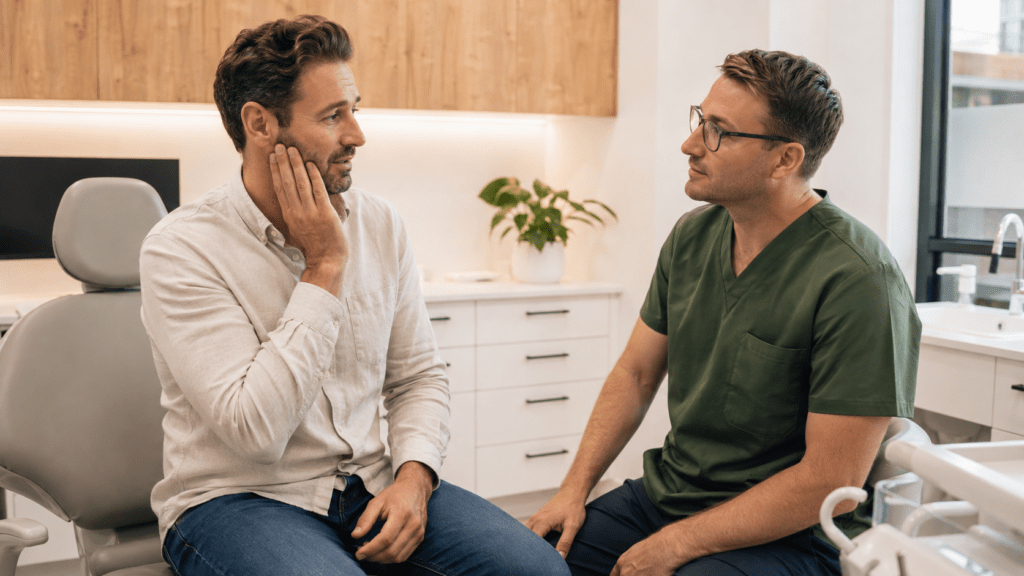
A TMJ visit usually starts with a detailed chat in normal language rather than medical jargon. We ask where the pain sits, when it started, what makes it better or worse, and whether you notice jaw clicking, locking, headaches, ear fullness or morning stiffness. Sleep patterns, stress levels, past injuries and previous dental work also help us see the full picture.
Next comes a jaw movement check. You will be asked to open and close slowly while we watch how far the jaw opens and whether it moves straight or swings to one side. We listen and feel for clicks, pops or grating, and we note any catching or hesitation. Gentle pressure over the joints and chewing muscles in the cheeks, temples, neck and shoulders helps us find tender spots.
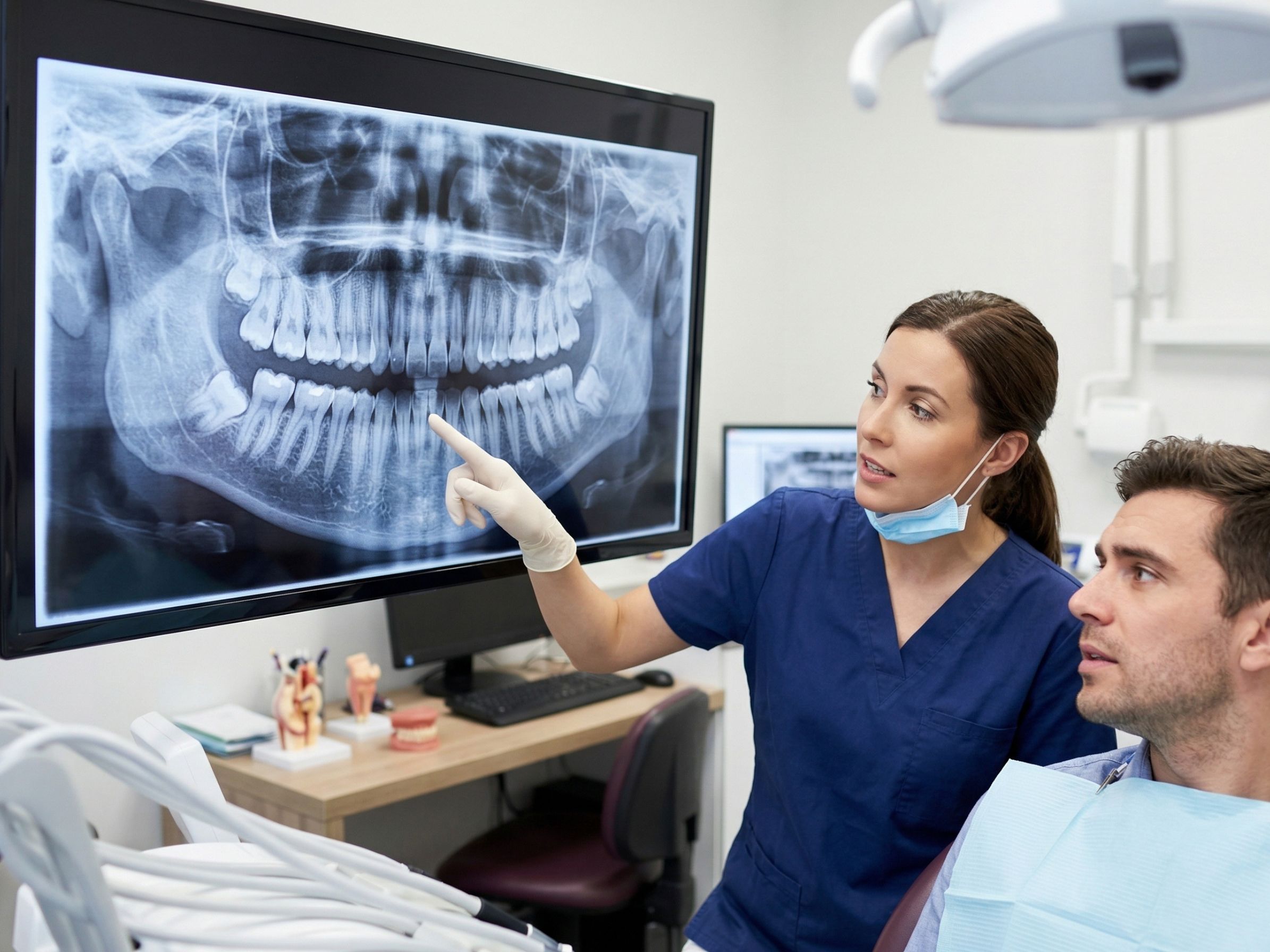
A full dental and bite examination follows. We look for worn, chipped or cracked teeth, broken or loose restorations, gum recession and signs of heavy grinding. Coloured paper strips help show where teeth hit first or harder than others. When needed, we use standard X‑rays, panoramic X‑rays or in house 3D CBCT scans to review teeth and jaw joints in more detail. For anxious adults and children we use a slow pace, short breaks, ceiling screens, music and, when suitable, sedation dentistry options so the visit feels as relaxed as possible.
Reaching a diagnosis and planning care
Once the information is gathered, we explain what seems to be driving the symptoms in clear, everyday language. Some people have mainly muscle based pain from clenching and posture, others have joint based problems such as disc displacement, and many have a mix with bite or tooth factors as well. Understanding this helps you see why certain treatments are suggested and others are not.
We then discuss contributing factors such as habits, sleep, posture, missing teeth or worn restorations. In milder cases, we may agree on a period of watchful waiting with self‑care and simple jaw rest, especially if symptoms are already easing. Any recommended restorative work or splint therapy is only carried out after proper informed consent for dental treatment has been discussed, so patients understand risks, benefits and alternatives before proceeding.
If signs suggest arthritis, sleep apnoea, nerve pain or other systemic problems, we involve your GP, rheumatologist, sleep physician or an oral and maxillofacial surgeon. Our focus is always on conservative, reversible steps first, with regular review to see what is helping. Irreversible treatments or surgery are reserved for people who do not improve with simpler measures and who have clear structural changes on scans.
What TMJ jaw pain treatments can a dentist offer and what can you do at home?
TMJ jaw pain treatment usually blends dental care with simple changes you make at home. A TMJ jaw pain dentist in the Noosa Hinterland will often start with protective splints, gentle bite adjustments or repairs, then support you with clear self‑care advice. This combined plan aims to reduce pain, protect teeth and joints, and improve day to day comfort without aggressive procedures.
Dental treatments for TMJ jaw pain and TMD symptoms
Custom night guards and occlusal splints are among the most useful tools for many grinders and clenchers. At our Pomona clinic these are made from digital scans, so they fit closely over your upper or lower teeth and feel slim rather than bulky. By spreading biting forces and guiding the jaw into a more stable position, they help muscles relax and protect enamel and fillings from further wear.
Sometimes bite adjustment or restorative work is needed when particular teeth are taking too much force. Carefully reshaping small high spots on fillings or crowns can let the jaw close in a more natural path. Rebuilding worn teeth, replacing missing teeth or updating old restorations can also improve how forces spread across the bite. In severe wear cases, full mouth rehabilitation may be discussed so the vertical height of the bite is restored.
For some patients, Invisalign or other orthodontic treatment helps when jaw and bite alignment place constant strain on joints and muscles. Medications such as short courses of anti‑inflammatory tablets or muscle relaxants are usually coordinated with your GP. We review splints and appliances regularly, especially if new dental work is done, so they keep working as intended. When pain remains high despite careful conservative care, we may refer to TMJ focused physiotherapists, oral and maxillofacial surgeons or pain clinics to discuss options like targeted injections or joint procedures.
For independent information on medicines and pain relief, your GP may direct you to NPS MedicineWise (nps.org.au) or Healthdirect (healthdirect.gov.au). Always check with a doctor or pharmacist before starting new medication.
Safe self care for TMJ, jaw clicking and facial pain
Home care plays a big role in easing TMJ symptoms and supporting dental treatment. During painful phases, switching to softer foods, cutting food into smaller pieces, and avoiding very hard or chewy items such as nuts or tough steak can reduce strain. It also helps to avoid wide mouth opening where possible, supporting the jaw gently with a hand when yawning.
Heat and cold can be helpful when used sensibly. A warm, damp towel or heat pack wrapped in a cloth over the jaw muscles for 10 to 15 minutes can relax tight areas. Some people find a short cold pack useful if there has been a recent knock or sudden flare, but it should be wrapped and used in brief periods to protect the skin. Any changes in sensation, such as numbness, mean you should stop and discuss this with a dentist or GP.
Gentle jaw exercises and relaxation routines are best learned from a TMJ aware dentist or physiotherapist so you do not overdo things. Simple steps such as resting the tongue lightly on the roof of the mouth, keeping the teeth slightly apart and checking several times a day for clenching can help. Posture checks during desk work, regular stretch and reset breaks, and a consistent sleep routine with reduced evening caffeine also support recovery.
Short term use of over the counter pain relief can be useful if it is safe for you medically, but long term use without professional advice is not recommended. A TMJ jaw pain dentist or GP can guide you here and may also suggest relaxation or breathing strategies if stress is adding to your pain.
How can you prevent TMJ problems and protect your jaw long term?
TMJ problems cannot always be stopped, yet many risks can be lowered with simple daily habits. For households around Pomona, Cooroy, Cooran and Kin Kin, small changes shared by the whole family can protect jaws and teeth over many years. Ongoing care is usually about managing flare ups and keeping the system calm, rather than chasing a once only cure.
Everyday and family friendly prevention tips
Daily habits have a strong impact on jaw comfort. Trying to chew on both sides rather than favouring one side spreads the work more evenly. Avoiding party tricks such as forcing the mouth very wide, cracking hard shells with teeth, or holding objects between the teeth helps prevent sudden strain.
Limiting long stretches of gum chewing, nail biting, pen chewing and chewing ice also reduces unnecessary load. Regular dental check ups let us spot early tooth wear, bite changes and jaw issues before they cause bigger problems. Custom sports mouthguards for contact sports such as rugby league, AFL or boxing protect both teeth and jaw joints during knocks.
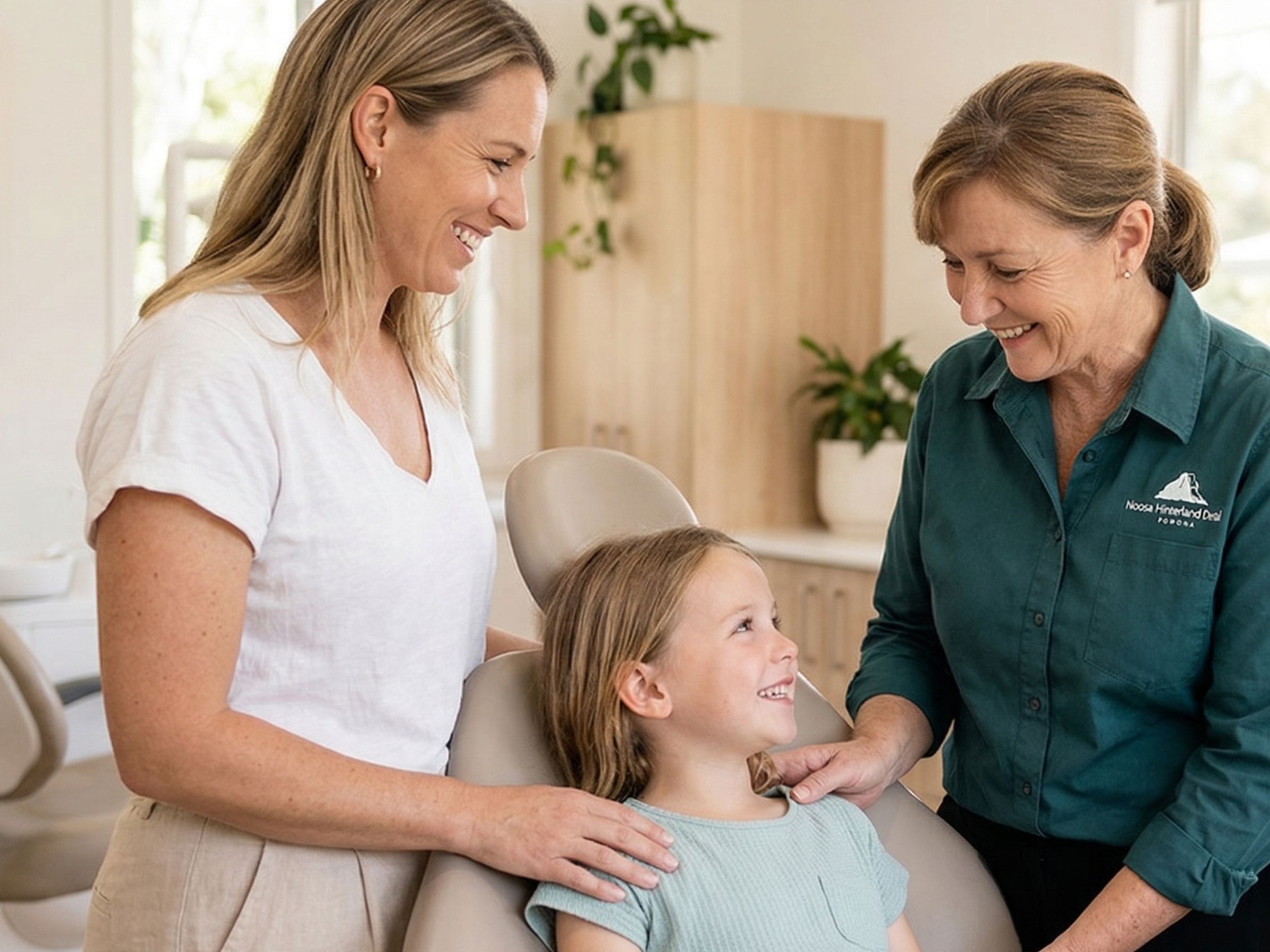
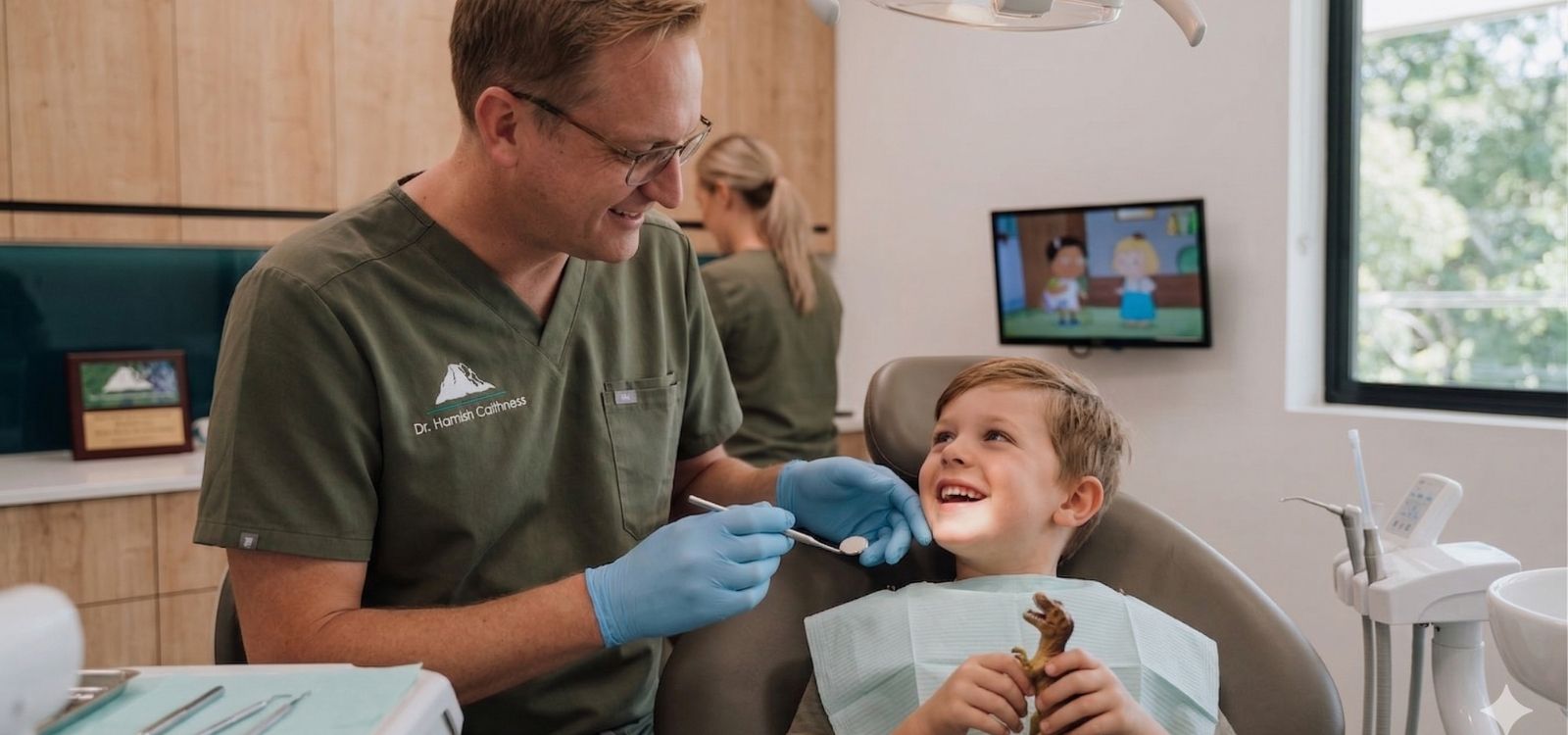
Parents can watch for jaw symptoms in children and teenagers, including painful clicking, chewing fatigue, morning headaches or difficulty opening at dental visits. Early gentle checks with a TMJ jaw pain dentist mean habits, posture and bite issues can be addressed before they become long term patterns. This often leads to better comfort and confidence with eating and speaking as young people grow.
If your child plays contact sport or you notice chipping or wear on their front teeth, booking a dental visit is a sensible way to check both their bite and their mouthguard needs.
Long term outlook for TMJ and TMD
The long term outlook for most TMD cases is encouraging when people understand their condition and use simple strategies consistently. Many notice clear improvement over weeks to months with splint use, jaw rest, posture changes and stress support. Flare ups can still happen during busy or stressful times, yet they are often milder and settle more quickly.
Regular reviews help keep splints fitting well, dental work protected and habits on track. If pain patterns change suddenly, new locking occurs, or self care no longer helps, it is sensible to book a review rather than wait. Early assessment with a TMJ jaw pain dentist usually means more options and less invasive care.
To sum up
TMJ and TMD symptoms are common across the Noosa Hinterland and can affect chewing, speaking, sleep and general wellbeing. The good news is that most people improve with early assessment, clear explanations and conservative care, especially when grinding, clenching and posture are addressed. Jaw pain is rarely only stress or only a dental problem, so it deserves a whole person view.
At Noosa Hinterland Dental we look at teeth, joints, muscles, habits and general health together before suggesting a plan. That plan might include a custom night guard, small bite adjustments, restorative work, TMJ focused physiotherapy, posture and sleep support, or medical referrals where needed. Surgery is rarely needed and is always a later step after simpler measures have been tried.
If you live in Pomona, Cooroy, Cooran, Kin Kin or nearby and have ongoing jaw pain, clicking, locking or facial pain, it is worth getting it checked. A TMJ jaw pain dentist can help sort short term niggles from problems that need more attention, and support you with practical steps you can use every day.
To arrange an assessment, contact our Pomona practice and let the team know you would like your jaw and bite reviewed. They can help you book an appointment time that suits you and explain what to bring along, such as any splints or X‑rays you already have.
Frequently Asked Questions
Question: Can a dentist really help with TMJ and jaw pain, or do I need a specialist?
Answer: Yes, a general dentist with TMJ experience can assess jaw pain and provide first line care. They take a history, examine joints, muscles and teeth, and often fit splints or adjust the bite. When problems are complex or not improving, they refer to oral surgeons, oral medicine, physiotherapists or pain clinics and help coordinate that care. Your GP can also be involved to rule out non dental causes and arrange Medicare‑funded referrals where appropriate.
Question: How do I know if my jaw clicking is serious enough to see a dentist?
Answer: Occasional, painless clicks without locking often just need monitoring. You should see a dentist if clicks are new, increasing, painful, linked with locking, or come with limited opening or bite changes. Other reasons to book include chewing becoming tiring, morning jaw stiffness, or headaches you suspect are linked with clenching. Early review with a TMJ jaw pain dentist is safer than waiting for the jaw to lock or the pain to become severe.
Question: What is the best TMJ treatment, will a night guard fix everything?
Answer: There is no single best TMJ treatment for everyone, and a night guard is one helpful tool, not a cure on its own. A custom splint protects teeth and can calm muscles, but it works best alongside habit changes, posture checks, stress and sleep support. Custom splints from digital scans usually fit and last better than generic boil and bite guards from the chemist. Your dentist will explain whether a splint is suitable for your pattern of TMD or if other steps should come first.
Question: How long does TMJ jaw pain take to improve with treatment?
Answer: Some people feel better within a few weeks of splint use and self care, while others need several months. It often depends on how long symptoms have been present, how many factors are involved, and how consistent home care is. Short term flare ups linked with a stressful period may settle faster than long standing problems with significant tooth wear. If pain is not improving as expected, your dentist will review the diagnosis and plan and may suggest extra scans or referrals.
Question: Is TMJ jaw pain common in children and teenagers?
Answer: Yes, children and teenagers can have jaw pain and grinding as well. Common triggers include habits like nail or pen biting, orthodontic issues, poor posture with long screen time, school stress and sports knocks. Signs to watch for include skipping chewy foods, avoiding wide opening at the dentist, frequent morning headaches, or noises when they move their jaw. Early, gentle dental assessment is wise if a young person has jaw pain, locking, painful clicks or unusual tooth wear.
Question: When is jaw pain more likely to be a medical or nerve problem, not TMJ?
Answer: Jaw pain is more likely medical or nerve related when it includes swelling, fever, severe sinus or ear symptoms, numbness, burning, electric shock type pain, or facial weakness. Sudden very severe pain or feeling generally unwell also raises concern. In these cases, see a GP, emergency department or relevant specialist promptly, often alongside a dental review. Your doctor may organise tests or imaging and can refer to services listed on Healthdirect (healthdirect.gov.au) for further support.
If you are unsure where your symptoms fit, booking a dental check and speaking with your GP is a sensible starting point so both dental and medical causes can be considered.