Waking with a sore jaw, morning headache or teeth that seem shorter or rough can feel unsettling. These are common signs that you are grinding or clenching in your sleep. A teeth grinding night guard often helps when these problems keep showing up, because it sits between your teeth, spreads the pressure and reduces strain on your jaw while you sleep. A dentist still needs to examine your teeth and joints to confirm grinding and check if a guard is right for you.
For families around Pomona, Cooroy, Cooran, Kin Kin and the wider Noosa Hinterland, these concerns are very common. At Noosa Hinterland Dental in Pomona, we regularly see patients who had no idea they were grinding until we showed them the wear on their teeth. In this article we explain what bruxism is, key bruxism symptoms to watch for, what happens during a grinding and TMJ check, how custom night guards work, and other simple steps that can support your jaw and sleep.
If you recognise some of these signs, keep reading to learn what they might mean and when to book a gentle assessment.
Key takeaways
Many local families skim first, then come back later, so here are the main points in plain language.
-
Many people may benefit from a teeth grinding night guard when they notice regular jaw pain, morning headaches or chipped teeth. These clues often point to night time grinding or teeth clenching that you cannot control. A dental check can confirm the cause and discuss whether a custom guard is a good choice.
-
Ongoing grinding can slowly wear enamel, crack fillings and strain the jaw joints that sit near your ears. Over time this can change tooth shape, affect your bite and lead to more complex and costly care. Picking it up early usually means simpler treatment.
-
A custom guard made by a dentist fits closely, feels slimmer and protects worn teeth and dental work more reliably. Chemist or online guards can help for short periods but are often bulkier, less stable and not designed for heavy grinders.
-
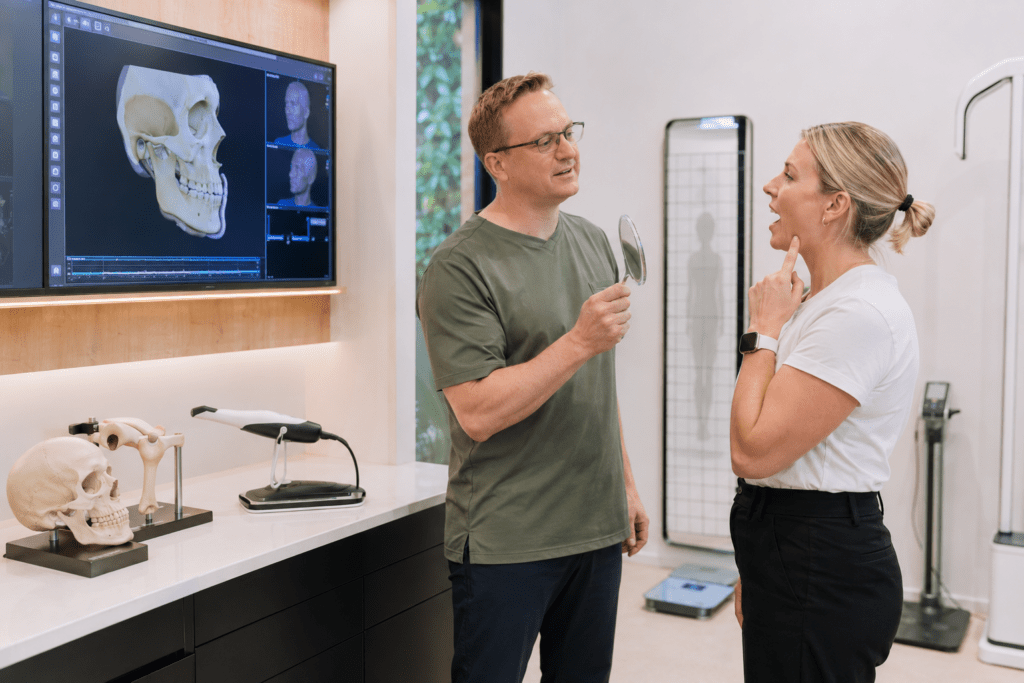
During a bruxism and TMJ assessment we talk through symptoms, check your teeth, muscles and joints and use digital X-rays or scans when needed. You see photos or images of the wear so you understand what is happening in your own mouth.
-
Night guards are only one part of caring for grinding. Changes to stress, sleep habits, posture and jaw awareness, and in some cases medical or orthodontic help, all work together to protect your smile long term.
What is teeth grinding (bruxism) and why does it matter?
Teeth grinding, also called bruxism, means clenching or rubbing your teeth together with extra force. This can happen while you are awake or during sleep, and many people do not realise it is going on. Over months or years, these strong forces can wear teeth, strain jaw joints and affect everyday comfort.
Grinding usually involves side to side movement that makes a scraping sound, while teeth clenching means pressing the teeth firmly together without much sliding. Both patterns place far higher pressure on your teeth than normal chewing. Groups such as the Australian Dental Association and the Sleep Health Foundation describe bruxism as common in both adults and children.
Because most grinding happens during sleep, early signs are often subtle. A partner might notice noises at night, or a dentist might see worn edges or tiny cracks. Even if you have little or no pain now, long term grinding can shorten teeth, change the way your bite fits and increase the risk of broken fillings or crowns. Paying attention early keeps more treatment options on the table.
Types of bruxism awake vs sleep grinding and clenching
Awake bruxism means you clench or hold your teeth together during the day, often without noticing. It commonly links with stress, deep focus, driving, gaming or scrolling on a phone or computer. People with this pattern may notice tight cheeks, tired jaw muscles or a habit of biting the inside of the cheek.
Sleep bruxism happens during light or deep sleep and counts as a sleep related movement disorder. You cannot simply decide to stop it, because it is driven by the brain while you are unconscious, and may link with snoring or obstructive sleep apnoea. Bed partners often hear scraping or crunching sounds, and children may have noisy grinding that keeps parents awake.
Both types can cause similar bruxism symptoms such as jaw pain in the morning, headaches, worn teeth and broken fillings. Night guards usually focus on sleep bruxism, while awake bruxism often needs habit awareness, stress support and posture changes through the day.
How teeth grinding can affect your teeth, jaws and daily life
Regular grinding can wear down the enamel that protects each tooth, leaving flat shiny areas on the biting surfaces. As more of the yellow dentine layer shows through, your smile can appear darker or older and teeth may feel more sensitive to hot, cold or pressure. In severe cases teeth can chip, crack or even move position.
The muscles and joints that guide your jaw also feel these loads. The temporomandibular joints, often shortened to TMJs, can become sore, stiff or click when you open wide. Many people report tension headaches around the temples or behind the eyes after a night of heavy clenching.
Poor quality sleep affects the rest of your life as well. Being woken by grinding, or by pain from teeth and muscles, can leave you tired, irritable and less able to cope with daily stress. Over the years, untreated grinding may lead to more visits for repairs, crowns or even root canal treatment that could often have been reduced with earlier help.
What are the common signs and bruxism symptoms to watch for?
Common signs of bruxism include flattened or chipped teeth, jaw pain in the morning and regular headaches. Many people also notice broken fillings, sore facial muscles or a partner complaining about grinding sounds at night. When several of these are present, a teeth grinding night guard is often part of the plan to protect your teeth while other triggers are addressed.
These signs may appear slowly, so you might not notice change until you look at old photos or dental records. Some patients from Pomona, Cooroy or Cooran only realise the extent of wear when we show close up images on a screen. Children can have similar signs but may complain more about tired jaws or trouble chewing tougher foods.
Dental and jaw signs of teeth grinding that may mean you need a night guard
In the mouth, one of the clearest clues is worn or flattened biting edges, especially on front teeth that used to look more pointed. You might see tiny chips, craze lines in the enamel or teeth that appear shorter and squarer than before. In some cases the yellow inner layer starts to show, giving a darker look and more sensitivity.
Restorations can tell a story too. Fillings that keep cracking, crowns that chip at the edges or veneers that suddenly look uneven may all signal unrecognised grinding. People with many crowns, bridges or implants are especially vulnerable, because these areas take a lot of concentrated force when clenching is strong.
Jaw related signs include stiffness near the ears, tenderness in the cheek muscles and difficulty opening wide to eat a burger or yawn. Your dentist may see shiny wear facets on the tooth surfaces, notches near the gum line and faint lines inside the cheeks or scalloped marks on the tongue. If you notice several of these along with morning soreness, it is time for a proper assessment and discussion about whether a teeth grinding night guard should be made.
Headaches, sleep issues and other body clues linked to grinding
Grinding does not just affect the mouth. Many adults and teenagers report regular morning headaches around the temples or behind the eyes, which often ease during the day. Others feel a deep ache in the cheeks, neck or shoulders that seems worse after stressful periods at work or school.
Sleep clues can include restless nights, frequent waking, waking unrefreshed or a partner hearing loud grinding or clenching noises. Some people with obstructive sleep apnoea or loud snoring also grind, so we stay alert for these patterns. In children, noisy grinding, mouth breathing, enlarged tonsils or restless sleep may all travel together.
When head, neck and sleep symptoms appear alongside worn teeth or jaw tenderness, a dental visit becomes important. A well designed teeth grinding night guard, along with checks for airway or sleep problems, can often reduce symptoms and protect teeth at the same time.
What causes teeth grinding and who is most at risk?
Teeth grinding usually comes from a mix of factors, rather than one simple cause. Stress, disturbed sleep, bite issues, lifestyle habits and some medicines can all play a part. Understanding your triggers helps us design a plan that fits your life, instead of relying only on a device.
Bruxism can affect anyone, from school students facing exams to busy parents juggling work and family on the Sunshine Coast. Some people inherit a tendency towards stronger jaw muscles or lighter sleep. Others notice grinding appears during stressful times, then reduces when life settles, although tooth wear from those intense periods can remain.
Stress, sleep and lifestyle factors behind teeth grinding
Stress and anxiety are among the most common drivers of teeth clenching. When your body is in a fight or flight state, the jaw muscles tend to tighten, even if you feel calm on the surface. People with demanding jobs, farm work, caregiving duties or upcoming exams often grind more during these periods.
Sleep problems also play a role. Conditions like obstructive sleep apnoea, loud snoring, restless legs or frequent waking can increase the number of grinding episodes. Shift workers and people with very irregular sleep schedules often notice more jaw symptoms as well. If we suspect a sleep disorder, we may encourage a chat with your GP about a sleep study. You can read more about sleep and health on the Sleep Health Foundation website at www.sleephealthfoundation.org.au.
Lifestyle habits can add fuel. High caffeine intake, regular evening alcohol, smoking or vaping and some recreational drugs can all increase muscle activity in the jaw. Certain antidepressants and ADHD medicines are linked with grinding for some people, although you should never change prescribed medicines without medical advice. In these cases a teeth grinding night guard often protects the teeth while your GP reviews the bigger picture with you.
Bite, jaw alignment and childhood bruxism
Crowded or misaligned teeth, missing teeth or high spots on fillings can place extra strain on certain parts of the bite, similar to the alignment concerns addressed by wearing braces or a plate, which also affects how teeth meet and function over time. On their own they rarely start grinding, but once clenching is present they can worsen discomfort or uneven wear. Problems with the TMJ joints can also make clenching more painful, especially when chewing tougher foods.
In children, grinding is very common during stages of tooth eruption and growth. Many kids between about 6 and 12 grind for a while as baby teeth fall out and adult teeth come through. Often this fades with time, but strong grinding can still wear baby or adult teeth or disrupt sleep.
For many children we simply monitor, give home advice and focus on airway and sleep health. If wear is more severe or jaw pain appears, we may suggest a gentle, slim guard or other support that allows for growing jaws. Each case is weighed carefully so that any protection does not interfere with normal speech or development.
How do we diagnose teeth grinding and decide if you need a custom night guard?
Diagnosing bruxism involves listening to your story, examining your teeth and jaw and looking for patterns that fit together. We do not rely on one single sign, because other issues, such as acid erosion or gum disease, can also damage teeth. A teeth grinding night guard is recommended only when the whole picture supports this step.
For families across Pomona and the Noosa Hinterland, this assessment is usually calm and straightforward. We aim to explain what we see in clear terms and give you time to ask questions, so you leave with a plan that makes sense.
What to expect at a bruxism and TMJ assessment at Noosa Hinterland Dental
At your visit to the clinic, we start by asking about your symptoms in everyday language. You can tell us about jaw pain in the morning, headaches, broken fillings, partner comments or sleep problems. We also ask about stress levels, work patterns, caffeine and alcohol use, medicines and medical history.
Next we carefully check your teeth, gums and bite. We look for worn or cracked areas, notches near the gum line, loose teeth and signs of enamel loss. We feel the jaw muscles along your cheeks and temples, and we gently listen and feel for clicks or grating in the TMJ joints when you open and close.
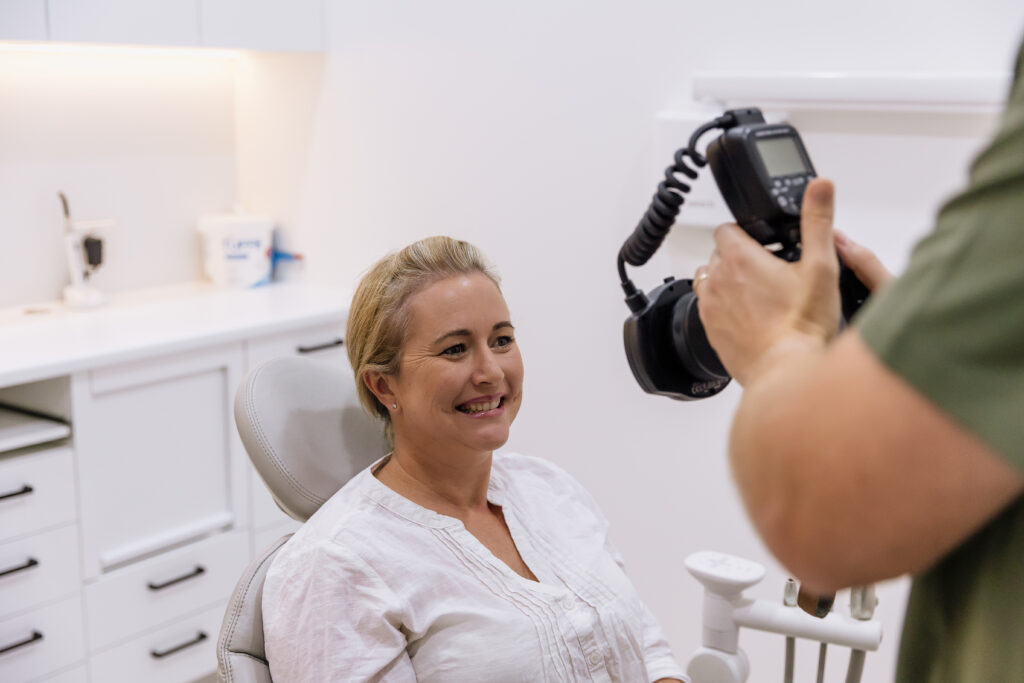
Digital X-rays help us see roots and bone levels, while 3D CBCT scans are available when deeper joint or bone detail is needed. Photos or digital scans of your teeth let you see the wear patterns for yourself, which often makes the explanation much clearer. At the end we talk you through what we have found and outline possible next steps, which may or may not include a night guard. Personalised advice on treatment always depends on this full examination.
How we decide if a custom occlusal splint is right for you
A custom occlusal splint is a type of teeth grinding night guard that is made to fit your mouth closely. We usually suggest one when we see clear grinding wear, ongoing jaw or temple pain, broken fillings, or when you have important dental work, such as crowns or implants, that needs protection. People with both bruxism symptoms and disturbed sleep are also common candidates.
We carefully distinguish grinding wear from other causes like acid erosion from reflux or frequent acidic drinks, and from abrasion due to hard brushing. Treating the wrong cause would not help you, so this step matters. We also consider your age, tooth growth in children, and how likely you are to wear a splint comfortably.
Different designs, such as hard, soft or dual layer guards and upper or lower options, are explained in simple terms. In mild adult cases or in younger children we may choose to monitor for a while and focus on home care, stress and sleep changes first. Whatever we decide together, we review the plan over time and adjust if your symptoms, bite or general health change.
How do custom night guards work and how are they different from chemist guards?
A custom night guard is a slim plastic or acrylic device that fits over your upper or lower teeth. It acts as a protective barrier, so your teeth slide on the guard instead of grinding directly on each other. By spreading biting forces more evenly and guiding the jaw, it can reduce strain on teeth and joints.
Digital dentistry advances, including 3D printing and AI in digital dentistry, are changing how dental appliances like splints and guards are designed and manufactured, making dentist made options more precise than a boil and bite guard from a chemist. When bruxism is moderate or severe, or when there are crowns, bridges or implants to protect, relying only on a generic device can be a risky shortcut.
What a custom night guard does and what it cannot do
A custom night guard, or custom occlusal splint, fits snugly over one arch of teeth while you sleep. It keeps the upper and lower teeth apart, so the strong forces of grinding are taken by the guard instead of by your enamel and fillings. The smooth surface also encourages the jaw muscles to slide more freely, which can help them relax.
Key benefits include protection of worn or cracked teeth, less risk of broken crowns or veneers and often less jaw pain and fewer tension type headaches. Many people find they sleep better once the pain and noise reduce. For someone needing a night guard in Pomona, this can be a convenient place to have records taken and the guard checked over time.
There are limits though. A night guard does not switch off the brain activity that triggers grinding or fix stress, anxiety or sleep apnoea on its own. It is not a cure for every TMJ problem, and some people need extra care such as physiotherapy, medication review or orthodontic treatment. We review how you are feeling and may adjust or redesign the device if your joint comfort or bite changes.
Our process for making a custom night guard at Noosa Hinterland Dental
Once we agree that a splint is a good option, the first step is to confirm the diagnosis and answer all your questions. We talk about expected benefits, possible limits, comfort, cleaning and how a teeth grinding night guard fits into your wider care plan. Item numbers can be provided so you can check any private health cover before proceeding.
We then record your teeth using precise impressions or a digital scanner, along with a bite registration that shows how your teeth meet. These records are sent to an Australian dental laboratory, where technicians make the guard from strong dental grade materials to our prescription, reflecting a broader digital transformation in oral health centres that has improved the accuracy and turnaround of custom dental appliances. The design can be adjusted for heavy grinding, TMJ support or to protect particular restorations.
At the fitting visit we check how the guard clips on and make sure there are no pressure spots or sharp edges. We carefully adjust how your opposing teeth contact the guard so the bite feels even and your jaw moves smoothly. You are shown how to insert, remove, clean and store it, and what to expect over the first couple of weeks. A review visit lets us fine tune comfort and check early wear marks. After that we look at the guard at regular check ups and decide when repair or replacement makes sense.
Compared with a chemist style guard, dentist made guards usually:
- Fit more securely because they are made from accurate scans or moulds of your teeth
- Feel slimmer and less bulky once you get used to them
- Spread biting forces more evenly across the teeth
- Last longer when cared for properly
- Are checked and adjusted at dental visits, so problems are picked up early
How else can we manage teeth grinding and protect your smile long term?
A teeth grinding night guard is a helpful tool, but it works best as part of a broader plan. Looking at stress levels, sleep quality, posture and any bite issues can reduce clenching triggers and improve comfort. The aim is to protect your teeth now while also gently lowering the load on your jaw over time.
Every person is different. What works for a student in Cooran sitting Year 12 exams may differ from what suits a shift worker in Kin Kin or a retiree caring for grandchildren. We focus on small, realistic changes that fit your usual routine rather than asking for a complete lifestyle overhaul.
Simple home strategies to support your jaw and reduce clenching
Home strategies can make a real difference alongside professional care. During the day, remind yourself that relaxed jaw posture means lips together, teeth apart and the tongue resting lightly against the roof of the mouth. If your teeth are touching when you are not eating, that usually means you are clenching.
Setting gentle reminders on your phone, computer or fridge can help you notice habits. Each time you see the reminder, take a slow breath out, drop your shoulders and check your jaw. Over time you will catch clenching earlier and release it sooner. Older children and teens can stick notes on their game consoles or study desks to prompt the same check.
You might also find it helpful to:
- Avoid chewing gum or biting pens and fingernails
- Choose softer foods on days when your jaw feels tired
- Use a warm compress over the cheeks in the evening if it feels soothing
- Practise simple breathing or relaxation techniques before bed
Gentle stretching exercises for the jaw can help, but these should be shown by a dentist or physiotherapist who understands TMJ problems. In the evening, easing back on caffeine and alcohol, avoiding hard or chewy foods and keeping a calm bedtime routine all support better sleep and less grinding. Guidance from your GP or a psychologist can be useful if stress or anxiety feel hard to manage alone.
Dental, medical and specialist support for long term bruxism care
Sometimes extra support is needed. Minor adjustments to high fillings or rough tooth edges can reduce local irritation and help your splint work more comfortably. For people with very worn teeth, full mouth rehabilitation using crowns or other restorations may be suggested, almost always together with a night guard to protect the new work.
Adult orthodontic treatment can improve how teeth meet, which may reduce strain in some cases, although a history of grinding needs careful planning and protection. When snoring, witnessed pauses in breathing or strong daytime sleepiness are present, we often encourage review with a GP and sometimes a sleep specialist. The Australian sleep guidelines at www.health.gov.au can be a helpful starting point for understanding sleep related health.
Other therapies can also play a part, such as physiotherapy or massage focused on jaw, neck and shoulder muscles. In selected cases, and under appropriate medical guidance, muscle relaxing injections into overactive jaw muscles may be discussed. All of these sit alongside, not instead of, good home habits and, where suitable, a well fitted teeth grinding night guard.
To sum up
Teeth grinding and teeth clenching are common and often happen without you realising, especially during sleep. Signs like jaw pain in the morning, worn or chipped teeth, broken fillings and tired facial muscles are worth taking seriously. Picking these up early usually means simpler, less invasive treatment and fewer surprises later.
For many adults and some children, a custom made teeth grinding night guard is a straightforward way to protect teeth and jaw joints while we also look at stress, sleep and bite factors. It does not cure every cause of bruxism, but it can greatly reduce ongoing damage and discomfort when used as part of a wider plan.
At Noosa Hinterland Dental in Pomona, we offer gentle bruxism and TMJ assessments, digital imaging and custom occlusal splints for families across the Noosa Hinterland. If you or someone in your household has jaw pain, headaches, worn teeth or noisy grinding, booking an assessment is the safest way to find out what is really going on. Personalised advice always depends on a proper examination of your teeth, bite and general health. A dedicated appointment allows your dentist to talk through options and help you choose the right next step.
Frequently asked questions
Many people share similar questions about grinding and night guards, so we have answered some of the most common here. Remember that these answers are general guidance and do not replace an individual dental examination.
Question How do I know if I really need a teeth grinding night guard?
You may need a teeth grinding night guard if you have worn or chipped teeth, regular morning jaw pain, temple headaches or broken fillings. A partner hearing grinding sounds at night is another strong clue. Your dentist will check your teeth, muscles and joints, then decide if a custom guard is the best option for you after examining your mouth.
Question Is teeth grinding always serious, or can it go away on its own?
Occasional mild grinding is common and may not cause major problems. Many children grow out of mild grinding as their teeth and jaws develop. In adults, however, ongoing bruxism usually continues and can slowly damage teeth. Early checks help prevent bigger issues, even if pain feels mild at the moment. If you are unsure, it is wise to book an assessment rather than wait for damage to build.
Question Can a chemist or online night guard work instead of a custom occlusal splint?
A chemist or online guard can give short term protection while you wait for a dental visit. For ongoing grinding, a custom occlusal splint made by your dentist usually fits better, feels slimmer and protects complex dental work more reliably. Poorly fitting guards can irritate gums, change your bite or strain the jaw, which is why we prefer custom options for long term use. Your dentist can explain the pros and cons of each for your situation.
Question Will wearing a night guard stop my jaw pain and headaches completely?
Many people notice less jaw soreness and fewer tension type headaches when they use a night guard regularly. Results vary, because pain can also come from stress, posture, arthritis and other medical conditions. If symptoms do not settle, your dentist may adjust the guard and suggest extra care, such as physiotherapy, posture advice or medical review. Sometimes referral to your GP or another health professional is recommended.
Question How long does a custom night guard last and how do I look after it?
A soft guard may last from several months to around a year, while hard or dual layer guards often last several years. Rinse your guard after use, brush it gently with a soft toothbrush and mild soap, let it air dry and store it in a ventilated case away from heat and pets. Avoid boiling water, hot cars and harsh cleaners, as these can distort the material. Your dentist will check it at regular visits and advise when repair or replacement is needed.
Question Is it safe for children and teenagers to wear a night guard?
For some children and teenagers, a carefully designed night guard can safely protect teeth from heavy grinding. We always consider tooth eruption, jaw growth, speech and how well the child will cope before recommending one. Many kids only need monitoring and simple home tips, and each case is assessed individually at a dental visit. Any guard for a growing child needs regular checks and adjustments as the teeth change.
Question When should I see a dentist urgently about teeth grinding or jaw pain?
Seek urgent dental or medical care if you have:
- Sudden severe jaw pain or locking of the jaw open or shut
- A broken tooth or filling causing sharp pain
- Swelling in the face or jaw area
- Pain that stops you eating, drinking or opening your mouth
These may signal more serious problems that need quick attention. It is also wise to book earlier, non urgent care if pain is building, sleep is affected or your teeth start to look noticeably different, rather than waiting for a crisis. A prompt assessment in Pomona can give you clear answers and a plan to move forward.