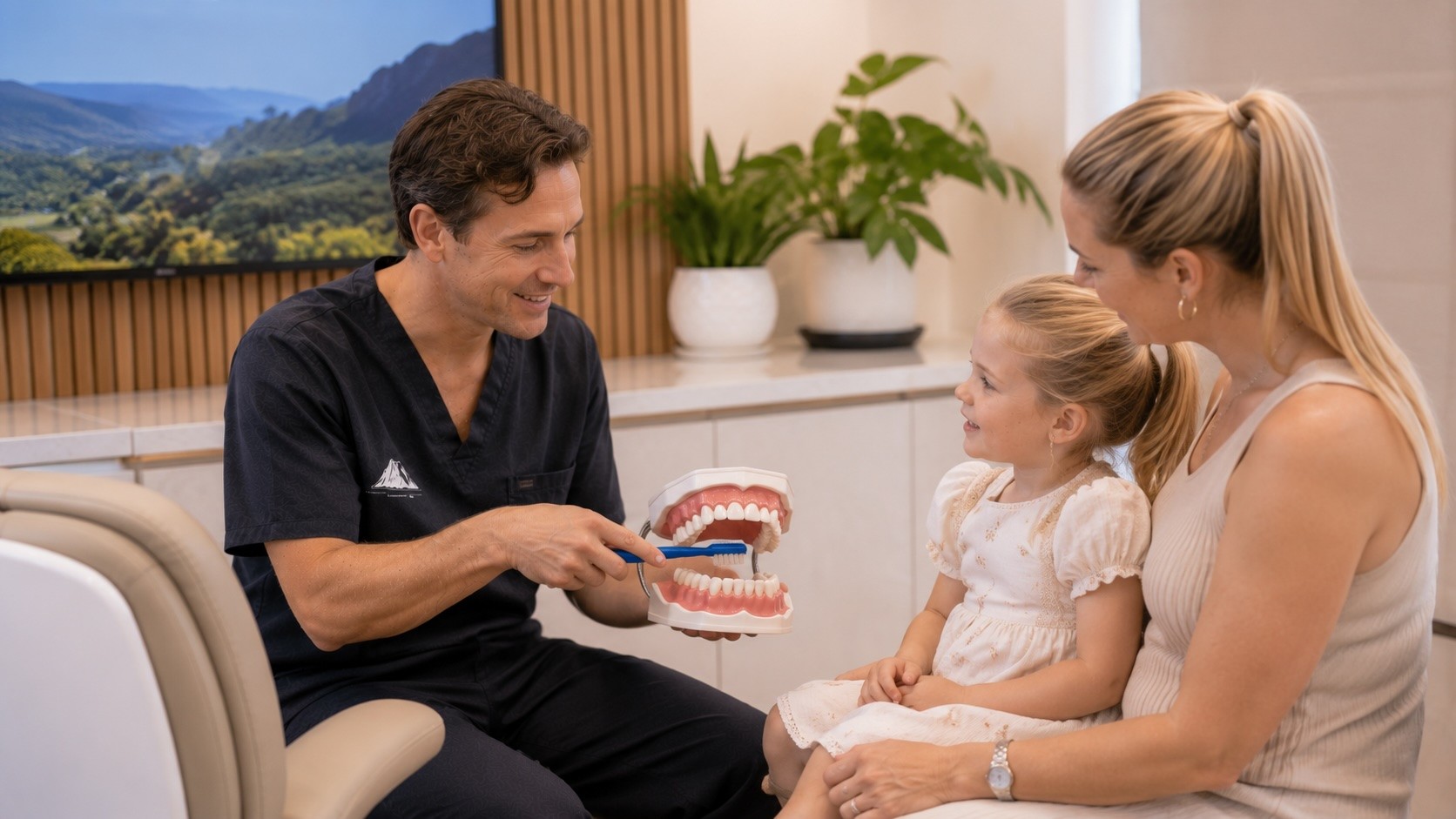
Toothache, swelling or a broken tooth often leads people to search for tooth extraction in Pomona and worry the tooth is lost. A tooth usually needs to be removed only when it is too damaged, infected or loose to be saved safely. Before that, dentists consider fillings, crowns, root canal treatment and gum care to keep the tooth in place. Pomona patients can expect a careful examination, digital X‑rays, clear explanations, numbing of the area, gentle removal if needed and a guided tooth extraction recovery period. At Noosa Hinterland Dental in Pomona, the team aims to save teeth first and give personal advice only after a face‑to‑face assessment. This article explains when a tooth cannot be saved, what happens during dental extraction, how recovery works, how to avoid dry socket and what replacement options exist for local residents. It also highlights when personal assessment is needed so you know when it is time to book an in‑person visit.
Key takeaways
Many people in the Noosa Hinterland want a quick overview before reading details, especially when they feel unwell. This section highlights the main points about tooth extraction Pomona patients ask about most often.
- Tooth extraction is nearly always the last step after the dentist tries to save the tooth. They usually look at fillings, root canal and crowns before discussing removal, unless the tooth is clearly too damaged. That approach helps protect long term oral health and avoids unnecessary gaps.
- A Pomona extraction visit starts with a medical and dental history and a careful mouth examination. Digital X‑rays show the roots, bone and nerves so the dentist can plan simple or surgical extraction safely. You will have time to ask questions and talk through fears, timing and likely costs.
- Recovery after dental extraction follows a fairly normal pattern for most people. The first 2 or 3 days bring the most discomfort and swelling, then things usually improve quite quickly. Good care at home, including rest, soft food and saltwater rinses, helps healing stay on track.
- Replacing an extracted tooth is often wise, especially near the front or when several teeth are missing. Implants, bridges and dentures each suit different mouths, budgets and long term goals. In some back tooth cases, leaving a gap may be reasonable if the bite still works well.
- An emergency dentist Pomona residents can reach quickly is important when something feels wrong. Heavy bleeding, rapidly increasing pain, spreading swelling, fever or trouble breathing need urgent care. It is always safer to call the practice for advice than to wait and hope things settle.
When do we recommend tooth extraction in Pomona?
When tooth extraction is recommended in Pomona depends on how damaged or infected a tooth is and whether it can reasonably be saved. Extraction is only offered when keeping the tooth is likely to cause more pain, infection or bite problems in the future. A save‑first approach is used, but at the same time there is recognition that some teeth no longer have a sound outlook.
At Noosa Hinterland Dental, the team starts by looking at all tooth‑saving options. For many damaged teeth, a filling, crown, gum treatment or root canal can clear infection and restore strength. If those treatments have been tried already, or X‑rays show very poor support, removal may be discussed instead. The key is an honest discussion of long term comfort, daily function and cost rather than a quick fix.
How we decide if a tooth can be saved
Deciding if a tooth can be saved begins with a full clinical examination. Your dentist checks the tooth, gums and bite, looking for decay, cracks, looseness, swelling and signs of nerve damage. They also consider your general health, medicines and how urgent your pain is, because these factors can affect both treatment choice and healing.
Digital X‑rays show the length and shape of the roots and how much bone support remains. For complex wisdom tooth extraction or impacted teeth, a 3D CBCT scan may be advised to map nerves and sinuses in detail. These images help the dentist judge whether a filling, crown or root canal has a good chance of working for many years.
Sometimes root canal treatment and a crown are better value than tooth extraction Pomona residents might first expect. A sound treated tooth can last for years and feels like a natural tooth when chewing. In other cases, the amount of decay or fracture means any repair would be weak and prone to breaking soon, which is explained during the consultation.
Cost also plays a part, yet it is important to avoid focusing only on the cheapest choice on the day. Removing a tooth can seem cheaper at first, but replacement with an implant, bridge or denture adds later costs. The dentist talks through these trade‑offs, answers questions and respects your timing so you can decide with good information. If you have a health fund, item numbers can be provided so you can check your cover directly with your fund.
Common reasons a tooth can’t be saved
Some situations make dental extraction more likely, even with modern treatment options. Understanding these can help you seek care before pain or infection becomes severe.
- Severe decay or breakage can destroy most of the visible tooth, down to gum level or below. In that case there may not be enough strong structure left for a stable filling or crown. Trying to rebuild such a tooth can lead to repeated breakages and ongoing pain, so removal can become the safest choice.
- Advanced gum disease can damage the bone and ligaments that hold a tooth firm. When a tooth is very loose, drifts out of position or hurts each time you chew, saving it is often not realistic. Extracting it can stop constant infection and protect the nearby teeth and bone.
- A tooth with a fractured root or failed root canal often has a poor outlook. Cracks that reach the root allow bacteria to seep in and cause repeated abscesses, even after treatment. If retreatment has low odds of success, dental extraction helps limit repeated emergency visits and antibiotics.
- Problematic wisdom teeth, orthodontic needs or certain medical issues can justify removal even when pain is mild. Impacted wisdom teeth that keep flaring up, crowded mouths planned for braces and teeth linked with sinus or jaw problems are all common examples. In some medical cases, such as before cancer therapy or joint replacement surgery, taking out a risky tooth can lower the chance of serious infection later. Decisions in these situations are usually made in consultation with your medical specialist.
What happens at a tooth extraction consultation in Pomona?
What happens at a tooth extraction consultation in Pomona is a careful mix of health checks, imaging and clear conversation. The goal is to confirm that extraction is needed, plan a safe method and prepare you for recovery. Many people feel calmer once they know this visit is mostly about planning, not about rushing straight into treatment unless pain is severe or infection is spreading.
During the consultation, the dentist listens to your symptoms and health story. They look at the tooth, gums and bite to understand what is going wrong. Digital X‑rays are usually taken to map roots, bone and nearby structures so the safest path can be chosen. Only after this do you talk through choices, timing, sedation and financial questions.
Assessment, X‑rays and treatment planning
A thorough assessment begins with your medical history. You will be asked about medicines such as blood thinners, diabetes tablets, osteoporosis drugs and any allergies. Conditions like heart valve problems, joint replacements, pregnancy, previous stroke and anxiety levels all guide how your care is planned. In some cases, advice from your GP or specialist may be needed before treatment.
Next comes a clinical examination of the tooth and surrounding tissues. The dentist checks for deep cavities, cracks, gum pockets, pus, swelling and how the tooth contacts others when you bite. They also look at your whole mouth, since several teeth may be linked in the same pattern of decay or gum disease.
Digital periapical X‑rays give a close view of one or two teeth and their roots. A panoramic OPG shows the jaws, jaw joints, wisdom teeth and sinuses, which is very useful before wisdom tooth extraction or multiple extractions. For tricky lower wisdom teeth or impacted canines, a CBCT scan may be suggested to measure the space between roots and important nerves more accurately.
Using this information, the dentist decides whether a simple extraction in the chair is suitable or if a surgical approach is safer. Straightforward teeth can usually be removed locally in Pomona. Very complex cases may be referred to an oral and maxillofacial surgeon on the Sunshine Coast or in Brisbane, especially if hospital care or a general anaesthetic is recommended.
Discussing options, costs and anxiety
Once the assessment is complete, you can talk through treatment choices in plain language. The dentist explains whether the tooth might be saved with root canal, a crown or gum care, or whether dental extraction now gives a better long term result. For wisdom teeth, they may suggest careful monitoring, planned removal or a watch‑and‑wait approach depending on your age, health and symptoms.
Sedation and pain relief options are also covered at this stage. You can ask about local anaesthetic only, nitrous oxide happy gas, oral sedative tablets or referral for IV sedation when that suits your medical status. The focus is on matching the approach to your anxiety level and the complexity of the case, while keeping safety as the priority.
On fees, you receive a written plan with item numbers so you can check any health fund extras if you have them. Practices in the region often work with payment services such as DentiCare, Afterpay or Zip Pay to spread larger treatment plans when appropriate. Cost conversations are intended to be open and pressure free, so you can decide when and how to proceed.
People who feel nervous or embarrassed about the state of their teeth are treated with respect. Staff explain each step, agree on a simple hand signal if you want a pause and do not judge past delays in seeking care. That supportive tone helps Pomona and Noosa Hinterland residents feel ready to move forward.
How is a tooth extraction actually done?
How a tooth extraction is actually done in Pomona follows a set of steps designed to keep you safe and comfortable. The exact method depends on whether the tooth is visible and loose enough for a simple removal or needs a surgical approach. Either way, the aim is a smooth appointment with clear instructions for what comes next.
On the day, you arrive having followed any eating, drinking or medicine advice given at the consult. The dentist confirms which tooth is coming out, reviews your medical details and answers last questions. Local anaesthetic is then placed so the area goes numb before any instruments touch the tooth. Most extractions take from a few minutes to around half an hour, although complex wisdom teeth may take longer.
Simple vs surgical and wisdom tooth extractions
A simple extraction is used when the tooth has come fully through the gum and can be gripped. After numbing, the dentist uses fine instruments to gently loosen the tooth within its socket. You feel pressure and movement but should not feel sharp pain. Once the ligaments have stretched, the tooth is eased out in one piece and the socket is cleaned.
A surgical extraction is needed when the tooth is broken at gum level, buried under gum or bone, or has awkward roots. The dentist makes a small cut in the gum and may remove a little bone to see the tooth clearly. Sometimes the tooth is divided into smaller pieces so each can be removed through a smaller opening, which protects the surrounding bone. Dissolving stitches often close the gum once everything is tidy.
Wisdom tooth extraction is usually a type of surgical extraction. Upper wisdom teeth can sometimes be removed quite simply, but lower ones often need more planning. Deeply impacted teeth or those close to nerves may be managed with an oral surgeon, sometimes under IV sedation or general anaesthetic at a hospital such as Sunshine Coast University Hospital. When several teeth or all 4 wisdom teeth are removed at once, extra time is allowed for careful work and detailed aftercare instructions.
Anaesthetic, comfort and what you’ll feel
Comfort starts with topical gel on the gum before the local anaesthetic injection. The dentist then gives the anaesthetic slowly, using small needles and gentle technique. After a few minutes, they test the area so you feel only pressure and vibration, not sharp pain, before beginning the dental extraction.
Patients with strong anxiety or a sensitive gag reflex can often choose extra support. Practices in the region may offer nitrous oxide happy gas, which creates a light, relaxed feeling while you stay awake and able to respond. For very nervous patients or long surgical visits, an anaesthetist can provide IV sedation, though this requires a support person to take you home afterwards and you must not drive.
During the extraction itself, you may hear clicking or scraping sounds and feel firm pressure as the tooth loosens. This is normal and does not mean the jaw is breaking. The dentist focuses on slow, steady movements that protect neighbouring teeth and tissues. If you feel anything sharp or pinching at any stage, you should raise your hand so more anaesthetic can be added.
After the tooth is out, the socket is checked carefully and any debris or infected tissue is removed. A medicated dressing may be placed, and stitches are used if needed. You bite on a folded gauze pad for 20–30 minutes so a stable blood clot forms. Before you leave, the dentist checks bleeding, reviews your aftercare plan and provides prescriptions and a follow‑up booking if required.
What does tooth extraction recovery look like?
What tooth extraction recovery looks like in Pomona varies a little between people, but most follow a common pattern. Simple extractions usually settle within a few days, while wisdom tooth extraction or removal of multiple teeth can take longer to feel normal. Knowing what to expect makes it easier to plan work, school and family duties.
Right after your visit, the area stays numb for 1–3 hours. Mild to moderate soreness starts as the anaesthetic wears off and is often managed well with standard pain relief, provided this suits your general health. Swelling may appear on the cheek, especially after surgical extraction, and usually peaks around day 2 or 3. Over the following week, discomfort should ease steadily as the gums begin to close over the socket.
First 24 hours and the first week
The first day after extraction is all about protecting the blood clot. This jelly‑like plug seals the socket and shields bone and nerves while healing begins. Vigorous rinsing, spitting, using a straw or smoking can dislodge the clot and raise the risk of dry socket, so gentle care is vital in this period.
Bleeding usually slows within a few hours. You keep firm pressure on the gauze pack for 20–30 minutes, then remove it gently. If oozing continues, a fresh gauze pad or a cooled, damp tea bag folded over the site and bitten on can help. Heavy bleeding that does not ease after an hour of firm pressure needs a call to the practice or, after hours, urgent care.
Pain relief often works best when started before the numbness completely wears off. Dentists commonly suggest anti‑inflammatory tablets or paracetamol, depending on your health and other medicines. Always follow the instructions on the packet or from your doctor or dentist, and ask your GP or pharmacist if you are unsure which medicines are right for you. A cold pack wrapped in a cloth and held to the cheek for 10–15 minutes at a time reduces swelling in the first 24 hours. Keeping your head raised slightly on extra pillows can also limit throbbing.
Food choices matter in the first week of tooth extraction recovery. Cool, soft options such as yoghurt, mashed vegetables, scrambled eggs, custard and well‑cooked pasta are usually comfortable. You chew on the opposite side from the extraction and avoid very hot, spicy, crunchy or seedy foods that can irritate the area. From 24 hours onwards, gentle warm saltwater rinses after meals and before bed help keep the site clean without disturbing the clot.
Longer‑term healing and going back to normal
From day 3 onwards, most people notice less pain and easier mouth opening. Bruising on the skin, if present after wisdom tooth extraction, may become more visible before fading over several days. By the end of the first week, many patients feel ready to eat a wider range of foods, still being cautious with very hard bites on the treated side.
Return to work or school depends on the type of dental extraction and your job. Many people can go back to desk work the next day after a simple extraction, especially if pain relief is working well. After surgical wisdom tooth extraction, teenagers and young adults often plan 3–5 days off classes or sport. Heavy physical work or contact sport may need a longer break to avoid bleeding or injury.
Gum healing continues over weeks 2–4 as the soft tissue gradually covers the socket and firms up. Bone inside the area rebuilds slowly over several months. Smoking, poorly controlled diabetes and some medicines can slow these processes, so regular reviews and good home care are important. Review visits allow the dentist to remove any non‑dissolving stitches, check healing and discuss tooth replacement options.
Once the site is stable, the dentist can talk in more detail about implants, bridges or dentures. For front teeth, a temporary plate or bonded replacement is often arranged quickly to keep your smile intact while the bone settles. For back teeth, a short healing period before final planning helps get a clearer view of the bone shape and space.
How do we avoid and manage dry socket and other problems?
How dry socket and other problems after tooth extraction in Pomona are avoided and managed focuses on careful planning and clear aftercare. Most extractions heal well, yet it helps to know what might go wrong and what to do next. Quick contact with an emergency dentist Pomona residents trust is far better than waiting through severe pain at home.
Dry socket, infection, bleeding and nerve or sinus issues are the main concerns people hear about. The actual risk for any person depends on the tooth removed, the surgery type, smoking status and general health. Your dentist will talk through which of these apply to your case before treatment so you know what to watch for afterwards.
Dry socket and infection warning signs
Dry socket happens when the blood clot in the socket is lost too early and bone is exposed. It usually appears 2–5 days after extraction and is more common after lower molar or wisdom tooth extraction. Smokers and people who rinse hard, suck on straws or smoke soon after surgery have higher risk.
Key points about dry socket include:
- Dry socket pain is often severe, throbbing and worse than the first days after treatment.
- The pain can spread to the ear, temple or neck on the same side, and a bad taste or smell from the socket is common.
- Looking in the mirror, you may see bare bone where a dark clot used to be.
Infection signs are a bit different and can include:
- Swelling that keeps getting larger, warmth, redness and pus or yellow fluid from the socket
- Feeling feverish, tired or generally unwell
- Trouble opening your mouth or swallowing comfortably
- Pain that is strong and does not settle with normal pain tablets
When any of these warning signs appear, you should contact the dental practice promptly rather than try to cope alone. During opening hours, staff can usually arrange a same‑day review to clean the area, place medicated dressings and adjust medicines. After hours, severe swelling, fever or trouble breathing need hospital or ambulance care without delay. In Queensland, you can seek urgent advice through services such as 13 HEALTH (13 43 25 84) if you are unsure where to go.
Other less common complications
Some patients worry about bleeding, especially if they take blood thinners like warfarin, apixaban or clopidogrel. With careful planning and local measures such as stitches and special packing, most people on these medicines heal normally. If bleeding remains heavy for many hours or starts again in large amounts, the dentist or hospital can reassess and add further local treatment.
Nerve irritation is a rare but known risk with some lower wisdom tooth surgeries. It can cause numbness, tingling or a fuzzy feeling in the lip, chin or tongue on the treated side. In many cases, this slowly improves over weeks or months as the nerve settles, although you should report any change straight away so healing can be monitored.
Upper molar roots sometimes lie close to the maxillary sinus. Very occasionally, an opening can form between the mouth and sinus after extraction. Signs include fluid passing between the mouth and nose or a bubbling feeling in the cheek when you drink. Special packing, instructions on avoiding nose blowing and, sometimes, minor repair procedures help close this communication.
Jaw stiffness and bruising are fairly common after long or complex procedures. Gentle stretching exercises, warm compresses after the first 2 days and time usually improve movement. Your dentist will show you safe exercises and check that the jaw opens more easily as healing progresses.
What are my options after a tooth is removed?
What your options are after a tooth is removed in Pomona depends on the tooth position, your bite and your goals. Leaving a gap can affect chewing, appearance and bone over time, although some back teeth can be left out without major trouble. Talking through choices early, sometimes even before tooth removal Pomona patients have planned, helps you avoid surprises later.
When a front tooth is missing, most people prefer to replace it for both looks and speech. For back teeth, replacement can keep chewing even and stop the opposing tooth from over‑erupting into the space. Bone in the extraction area tends to shrink slowly, so earlier planning often gives more choices, especially for implant treatment.
Dental implants, bridges and dentures
Each replacement option has different features, and the best choice is quite personal. Rather than focusing on one “best” method, dentists weigh up which option suits your mouth, health and daily life.
- A titanium post is placed in the jaw where the root used to sit, and a crown is fitted on top after healing.
- They can feel close to a natural tooth for chewing and cleaning.
- They may help maintain bone height in that area.
- They need enough healthy bone and good daily cleaning.
- Treatment usually takes several months from start to finish and is not suitable for everyone, so assessment is essential.
Fixed bridges:
- One or more replacement teeth are joined to crowns on the neighbouring teeth.
- They are fixed in place and do not come out for cleaning, which many people like.
- They are useful when nearby teeth already need crowns.
- They require those teeth to be reshaped, and bone under the gap can still shrink over time.
- Cleaning under a bridge needs special floss or brushes, which your dentist or hygienist can demonstrate.
Partial or full dentures:
- A removable plate with replacement teeth, made of acrylic, metal or both.
- Often the most affordable way to replace several teeth at once.
- They can be adjusted or added to if more teeth are lost later.
- They need removal for cleaning and sometimes at night.
- They can feel bulky until you get used to them, and reviews may be needed to adjust the fit.
For front teeth, temporary solutions such as a small plate or a bonded tooth can often be made soon after extraction. This means you are not left with an obvious gap while gums and bone settle. For back teeth, the timing is more flexible, and some patients wait a few months before deciding.
How we help you choose the right option
Choosing between an implant, bridge, denture or no replacement is rarely simple. Dentists look at how many teeth are missing, where they sit in the mouth and how your upper and lower teeth meet. They also assess jaw bone on X‑rays or CBCT scans, your age, general health, cleaning habits and budget.
At the Pomona surgery, having extractions, implants, bridges and dentures discussed in one place makes planning smoother. Your treating dentist already knows the details of your mouth and medical history, so they can suggest a staged plan that suits your timetable. The plan might start with a temporary plate, then move to an implant or bridge once bone has healed, if this is right for you.
Preventing further tooth loss is a major part of this discussion. Regular check‑ups, professional cleans, fluoride use and advice on diet and mouthguards all help reduce future risk. Patients from Pomona, Cooroy, Cooran, Kin Kin and surrounding areas are encouraged to see replacement not as the end of care but as part of a long term plan for a stable, comfortable bite. For general guidance on looking after your teeth, you can also search for a research dental service listing through Australian resources such as the Oral Health page on the Queensland Health or Australian Dental Association websites.
In summary
Tooth extraction Pomona residents ask about most often is rarely the first choice, yet it can be the safest step when a tooth is badly damaged, infected or loose. Modern dentistry focuses on saving natural teeth with fillings, crowns, root canal treatment and gum care whenever the future outlook is sound. When that is not realistic, a planned extraction can remove ongoing pain and reduce the chance of serious infection.
Patients can expect a thorough consultation, with health checks, X‑rays and conversations about sedation, timing and replacement options. On the day of extraction, careful numbing, gentle technique and clear aftercare instructions support a smoother experience. Recovery usually brings the most discomfort in the first few days, then steady improvement, although wisdom tooth extraction and surgical cases can take longer.
It is important to watch for warning signs such as severe worsening pain, heavy bleeding, spreading swelling, fever or trouble swallowing. These symptoms need prompt review by the dental practice or, for serious cases, hospital care. Long term, planning implants, bridges or dentures and keeping up with home care and check‑ups protects the rest of your teeth and gums.
If you live in Pomona, Cooroy or the wider Noosa Hinterland and have toothache, swelling, a broken tooth or wisdom tooth concerns, early assessment is wise. Noosa Hinterland Dental can examine your mouth, discuss whether a tooth can be saved and plan any extraction and replacement from a calm, family‑focused surgery. General information online is helpful, but personal advice always depends on a proper clinical examination, X‑rays where needed and discussion of your health. To find out what is appropriate in your case, contact the practice to book an assessment with a dentist.
Frequently asked questions
Question: How long does pain last after a tooth extraction?
Pain after a simple extraction usually peaks in the first 24–48 hours, then eases over 3–5 days. After surgical or wisdom tooth extraction, discomfort and swelling can last up to 7–10 days. If pain increases after day 3 or does not improve, contact the practice or, if you cannot reach a dentist, seek medical advice.
Question: How soon can I go back to work or school after tooth removal in Pomona?
Most people return to desk work or school the day after a simple extraction. After surgical or wisdom tooth extraction, 3–5 days off is common, especially for teenagers and young adults. Physical jobs or contact sports may need up to 1 week of rest, or longer if advised, to avoid bleeding or injury.
Question: Can I drive myself home after a dental extraction?
You can usually drive yourself home after a dental extraction done with local anaesthetic only, as long as you feel alert. You must not drive after oral sedatives, happy gas in some cases, or IV sedation, because your reactions can be slower. Always confirm plans with the dental team beforehand so a support person can attend if needed.
Question: What can I do to lower my risk of dry socket?
To lower dry socket risk, you can:
- Avoid smoking, vaping, straws, vigorous rinsing and heavy exercise in the first few days
- Follow gauze pressure instructions if the site is still oozing
- Rest with your head raised on extra pillows the first night
- Start gentle warm saltwater rinses after 24 hours, especially after meals
- Take any prescribed medicines as directed and attend follow‑up visits
Sharing your medicines and health history helps the dentist plan safely and give tailored advice.
Question: Do I always need to replace a tooth after extraction?
You do not always need to replace every extracted tooth, especially some back molars with plenty of remaining chewing surface. Gaps near the front or several missing teeth often affect bite, speech and smile, so replacement is usually better. A personalised appointment can review your bite, jaw joint, bone levels and long term plan before you decide.
Question: When should I see an emergency dentist in Pomona after an extraction?
You should see an emergency dentist Pomona residents rely on if you have:
- Heavy bleeding that does not slow after an hour of firm pressure on gauze
- Strong worsening pain, especially from day 3 onwards
- Spreading facial swelling or difficulty opening your mouth
- Fever, feeling very unwell or trouble swallowing or breathing
These symptoms need urgent care, often at hospital level for severe cases. It is always better to call promptly than stay at home worrying. If dental care is not immediately available, contact your GP, 13 HEALTH or the nearest emergency department for guidance.