If you are wondering what is dry socket & how to prevent it, the key is understanding the role of the blood clot after a tooth extraction. Dry socket happens when the protective blood clot is lost, breaks down too early or fails to form properly, leaving the bone and nerves in the socket exposed.
This can cause strong, throbbing pain a few days after tooth removal.
At Noosa Hinterland Dental in Pomona, we guide patients through safe extraction aftercare, including how to protect the blood clot, reduce dry socket risk and know when symptoms need urgent dental review.
Jump to section
- How Do You Prevent Dry Socket After Tooth Removal?
- What Is Dry Socket And How Is It Different From Normal Healing?
- What Are The Common Signs, Symptoms And Causes Of Dry Socket?
- How Can You Help Prevent Dry Socket After A Tooth Extraction?
- How Do Dentists Diagnose And Treat Dry Socket (And How Can Noosa Hinterland Dental Help)?
- Ready To Talk About Your Tooth Extraction Recovery?
- Frequently Asked Questions
How Do You Prevent Dry Socket After Tooth Removal?
Dry socket is a painful problem that can happen after a tooth is taken out. It occurs when the protective blood clot that should sit in the empty socket is lost or never forms, leaving the bone and nerves uncovered. That exposure causes strong, throbbing pain a day or two after an extraction, but the condition is temporary and treatable with proper care.
Many people search for what dry socket is, how to prevent it, and whether it means something has gone badly wrong. Dry socket, also called alveolar osteitis, is one of the better known dental extraction complications, yet it still affects only a small number of patients. Most tooth extraction recovery in Australia is smooth when the blood clot stays in place and aftercare instructions are followed.
At Noosa Hinterland Dental in Pomona, we guide patients from Cooroy, Cooran, Kin Kin, Noosa and across the Sunshine Coast hinterland through every step. This article explains what dry socket is, how it differs from normal healing, what symptoms to watch for, and simple post-extraction care tips to reduce your risk.
Key Takeaways
Dry socket sounds worrying, but a clear plan makes it easier to handle. These quick points give a handy overview before the detail. You can always come back to this list later if you need a fast reminder at home.
-
Dry socket happens when the blood clot after a tooth or wisdom tooth extraction is lost too soon. Without that natural bandage, bone and nerves sit open in the socket. This causes strong pain, but the problem is short term and treatable with dry socket treatment at your dentist.
-
Typical dry socket symptoms are severe throbbing pain, an empty looking hole, possible exposed white bone, bad breath and a foul taste. Normal healing pain usually settles after the first two days and responds to standard pain relief such as paracetamol or ibuprofen.
-
You can help prevent dry socket by protecting the clot after a tooth is removed. That means no smoking, no straws, gentle rinsing only, soft foods and good but careful oral hygiene. Following tooth extraction aftercare instructions from your dentist makes the biggest difference.
-
Some people have higher risk, including smokers, people using oestrogen-based birth control, patients with gum disease, and those having difficult lower wisdom teeth removal. Previous dry socket and certain general health problems can also increase the chance of a dry socket after tooth extraction.
-
If you feel strong, increasing pain or see worrying signs of dry socket, contact a dentist promptly. Noosa Hinterland Dental offers same day care, digital X-rays and gentle alveolar osteitis treatment for families and anxious patients across the Noosa Hinterland.
“Most tooth extractions heal smoothly when the blood clot is protected and simple aftercare steps are followed.” – Noosa Hinterland Dental
What Is Dry Socket And How Is It Different From Normal Healing?
Dry socket is a condition where the blood clot after a tooth extraction is lost and healing does not follow the usual pattern. In a normal socket, the clot forms quickly, protects the bone and nerves, and is slowly replaced by new tissue. In dry socket, that clot never forms properly or is dislodged, leaving the area raw and very sensitive.
Dentists call this problem alveolar osteitis. According to Mayo Clinic, dry socket affects only a small share of extractions, yet it is a leading cause of severe post-extraction pain. The risk is higher after lower wisdom tooth extraction and complicated surgical work. Without a stable clot, food, air and fluids irritate the exposed bone, so pain often feels worse than the pain before the tooth was removed.
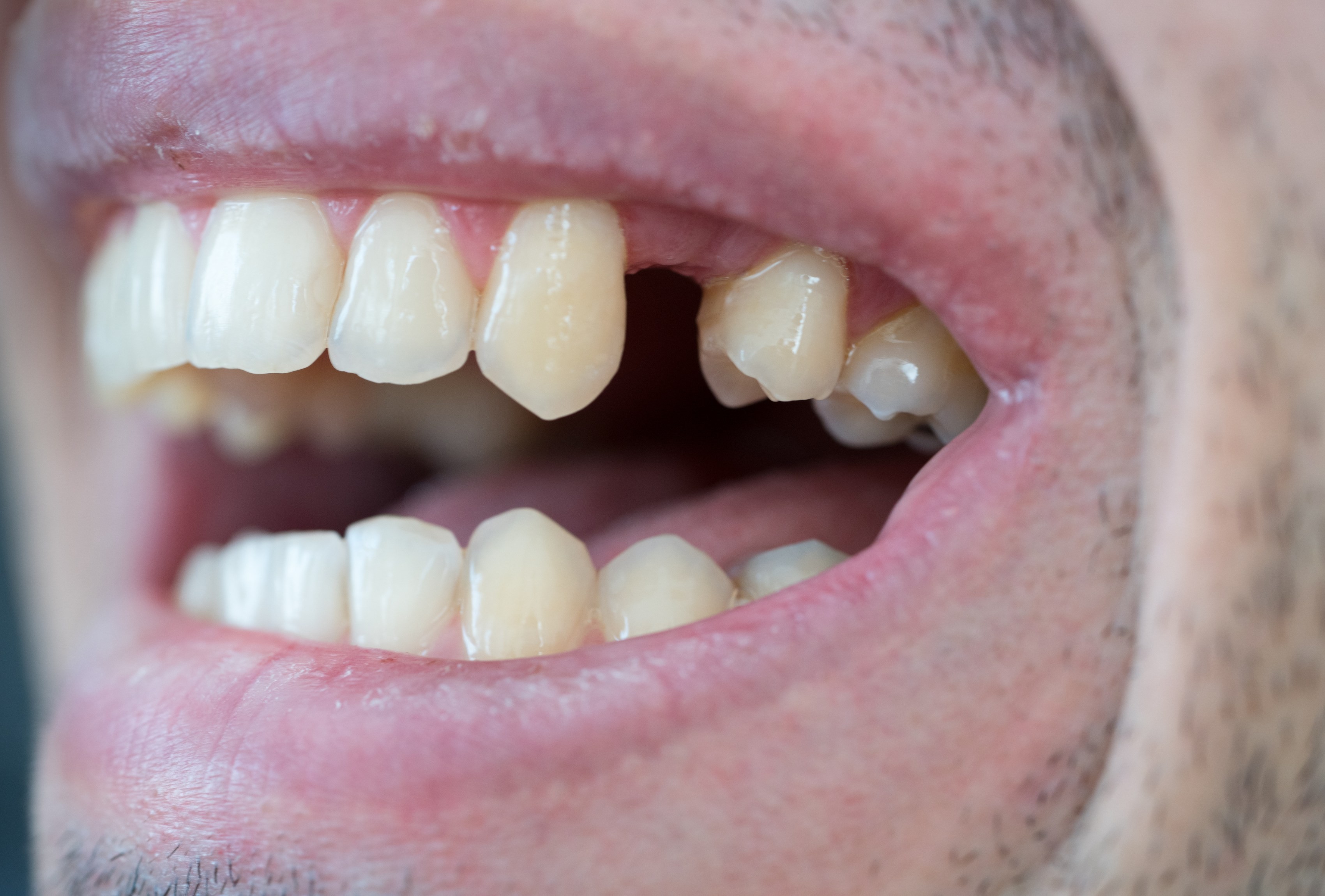
During normal healing, you should see a dark red or brown clot filling the socket, like a scab in the mouth. Over days, the area looks less angry, swelling eases and discomfort fades. With dry socket, the hole often looks empty, pale or whitish and pain tends to peak later instead of improving.
What Does Normal Healing Vs Dry Socket Look And Feel Like?
Normal healing after a tooth extraction feels different from dry socket pain. Understanding this difference helps you know when to relax and when to call a dentist. The socket is a small hole in the jaw where the tooth root once sat, and the blood clot there acts as a natural bandage.
According to Healthdirect Australia, normal discomfort usually peaks in the first one to two days, then settles each day. You might feel a dull ache, mild swelling and tenderness that is well controlled with simple dry socket pain relief such as paracetamol or ibuprofen, if suitable for you. You should not notice a strong bad taste or ongoing bad breath.
With dry socket, pain often increases around days two to four, sometimes waking you at night or spreading to the ear, temple or neck on the same side. The extraction site can look like an empty hole, sometimes with a pale or yellowish base that may actually be exposed bone rather than food. Some people notice a strong unpleasant taste that does not ease with gentle rinsing.
Here is a simple comparison.
| Feature | Normal Healing After Extraction | Possible Dry Socket After Extraction |
|---|---|---|
| Pain pattern | Dull ache, peaks in 24–48 hours, then steadily eases | Severe, throbbing pain that worsens after day two |
| Appearance | Dark red or brown clot filling the hole | Empty looking hole, little clot, pale or whitish base |
| Smell or taste | No strong odour, no persistent bad taste | Ongoing bad taste and noticeable bad breath |
| Response to pain relief | Usually calms with usual tablets | Often hardly changes with standard doses |
| Healing timeline | Feels better each day | Pain delays healing and may last a week without care |
If you are unsure which picture fits you, a quick call to Noosa Hinterland Dental for advice can give peace of mind.
What Are The Common Signs, Symptoms And Causes Of Dry Socket?
The main signs of dry socket are strong pain, an odd looking hole and a bad taste that starts a day or more after the extraction. Pain from dry socket is usually much sharper than normal post-extraction discomfort and often spreads to nearby areas of the face. Many patients describe it as deep and throbbing, not a simple soreness.
Common dry socket symptoms include:
-
Severe, throbbing or deep aching pain
-
Pain starting or getting worse 24–72 hours after extraction
-
Pain spreading to the ear, temple, eye or neck on the same side
-
An empty-looking socket or visible white bone
-
Unpleasant taste or smell and bad breath
-
Delayed healing and difficulty eating or sleeping
Causes of dry socket all relate to the blood clot after tooth extraction being lost or broken down. This can happen if suction pulls the clot out, if infection or high numbers of bacteria dissolve it, or if the extraction itself is very traumatic. Research reviewed by Cochrane Oral Health suggests that smokers are several times more likely to have dry socket than non-smokers, a finding consistent with a Reevaluating antibiotic prophylaxis: insights from a network meta-analysis examining post-extraction complications including dry socket and surgical site infections. Drinking through straws, vigorous rinsing and poking the site can also disturb the clot.
Certain health and hormonal factors add to dry socket causes. Oestrogen-containing contraceptive pills, poorly controlled diabetes, gum disease and a history of previous dry socket all raise risk. Complex lower wisdom teeth removal, where bone needs to be removed or the tooth is sectioned, is more likely to lead to a disturbed clot than a simple baby tooth extraction.
“Anything that dislodges the blood clot – suction, smoking, vigorous rinsing or trauma – can increase the chance of dry socket.” – Noosa Hinterland Dental
What Are The Main Signs, Risk Factors And When Should You Call A Dentist?
The main signs of dry socket are clear once you know what to look for. Severe, throbbing pain that appears or worsens between 24 and 72 hours after the tooth was taken out is the biggest clue. Pain may spread to your ear, eye, temple or neck on the same side and often does not ease with over-the-counter tablets.
You might notice an empty-looking socket or see whitish material at the base that could be exposed bone. Persistent bad breath or an ongoing foul taste are also common dry socket symptoms. According to Healthdirect Australia, any pain that starts to get worse again after a few comfortable days is a warning sign. Swelling that increases, or gum that looks very red and inflamed, can suggest infection around a dry socket.
Several real world habits and situations increase risk:
-
Smoking or vaping – creates suction and nicotine reduces blood flow
-
Using straws or sports bottles – similar suction effect on the clot
-
Strong spitting or vigorous rinsing – can physically wash the clot out
-
Crunchy or chewy foods – may bump or damage the clot
-
Poking the site with fingers, toothpicks or the tongue
-
Hormonal contraceptives – oestrogen can affect clot stability
-
Gum disease or systemic health issues – slower, less predictable healing
So when should you call a dentist such as Noosa Hinterland Dental in Pomona?
-
Call if pain suddenly becomes much worse one to three days after the extraction. Pain that wakes you, stops you eating or spreads up the side of your head needs prompt review. Early dry socket treatment usually brings faster relief and a shorter dry socket healing time.
-
Call if you see what looks like an empty hole or white bone where the tooth was. A missing clot with exposed bone is a classic sign of dry socket after tooth extraction and will not settle properly without care. Even if you think it is just food stuck there, it is safer to have a dentist look.
-
Call if you have a strong bad taste, smelly breath or feel generally unwell. Fever or spreading swelling around the jaw can mean infection as well as dry socket and may need antibiotics or urgent care. According to the Australian Dental Association, these kinds of symptoms should never be ignored.
Noosa Hinterland Dental offers same day emergency appointments for patients from Cooroy, Cooran, Kin Kin, Noosa and nearby towns who are worried after an extraction. For anxious patients, our calm, friendly team and sedation options can make that urgent visit much less stressful.
How Can You Help Prevent Dry Socket After A Tooth Extraction?
Preventing dry socket mostly comes down to protecting the blood clot and giving your mouth a chance to heal. That means following your dentist’s instructions closely, avoiding anything that might pull the clot out, and keeping the rest of your mouth gently clean. When you understand why each rule matters, it feels less like a long list and more like simple common sense.
According to Healthdirect Australia, careful tooth extraction aftercare reduces the chance of problems and helps the gum close over the socket faster. At Noosa Hinterland Dental, we use gentle techniques and clear written instructions to support smooth wisdom teeth removal recovery and other extractions. Parents of younger patients receive specific advice about food, brushing and how to explain the rules in child-friendly language.
Key steps for how to prevent dry socket start even before the appointment:
-
Tell your dentist about all medications, including contraceptive pills, blood thinners and any herbal products
-
Mention health conditions such as diabetes, immune problems or bleeding disorders
-
If you smoke or vape, plan a smoke-free period for at least the first few days, ideally a full week, and ask your GP about quit support
-
Keep your mouth as clean as possible beforehand with regular brushing and professional cleans, especially if you live in rural areas around Pomona and the Noosa Hinterland where access may involve travel
Practical Post-Extraction Care Tips To Protect The Blood Clot
Practical post-extraction care tips help turn all that advice into simple daily habits.
In the first few hours:
-
Bite gently but firmly on the gauze pad your dentist places over the socket to help the blood clot form
-
Avoid rinsing or spitting hard on the first day; let any saliva or blood fall out of your mouth rather than forcefully spitting
-
Rest with your head slightly raised and skip heavy exercise so your heart rate stays calm and the clot can settle
Food choices in the first day or two matter. Choose cool or room-temperature soft foods such as:
-
Yoghurt and custard
-
Jelly
-
Mashed vegetables or pumpkin
-
Scrambled eggs
-
Soup that has cooled slightly
-
Smoothies eaten with a spoon
Avoid:
-
Hot drinks
-
Fizzy soft drinks
-
Alcohol
-
Very crunchy or chewy foods that could knock the clot or get stuck in the hole
Chew on the opposite side of your mouth if possible, especially after a wisdom tooth extraction; dry socket risk is higher on the lower jaw.
From day two, gentle warm salt water rinses can keep the area clean without disturbing the clot. Mix half a teaspoon of table salt into a glass of warm water, hold it in your mouth near the socket, gently tilt your head, then let it fall out into the basin. Brush your teeth as usual but stay away from the actual socket with the brush for a few days and always use a soft-bristle brush. Avoid alcohol-based mouthwashes unless your dentist has suggested a specific product as part of alveolar osteitis treatment.
Smoking, vaping and straws remain off the list for at least a week or as your dentist advises. Suction from these habits is a common cause of a dry socket clot dislodged too early. For children and teens, parents can frame the rules in simple terms such as no sucking, no poking, no crunchy food on that side. At Noosa Hinterland Dental, every patient leaves with written, personalised instructions, so those dry socket home remedies you might see online never need to be your first plan.
Tip from Noosa Hinterland Dental: “Think of the blood clot as a fragile bandage – your job for the first week is to protect it, not test it.”
How Do Dentists Diagnose And Treat Dry Socket (And How Can Noosa Hinterland Dental Help)?
Dentists diagnose dry socket by listening to your story, looking at the extraction site and sometimes taking digital X-rays. The timing and type of pain, the look of the socket and how you respond to pain relief all give strong clues. A careful exam helps your dentist separate normal healing pain from a true dry socket or from other dental extraction complications such as infection or a retained root tip.
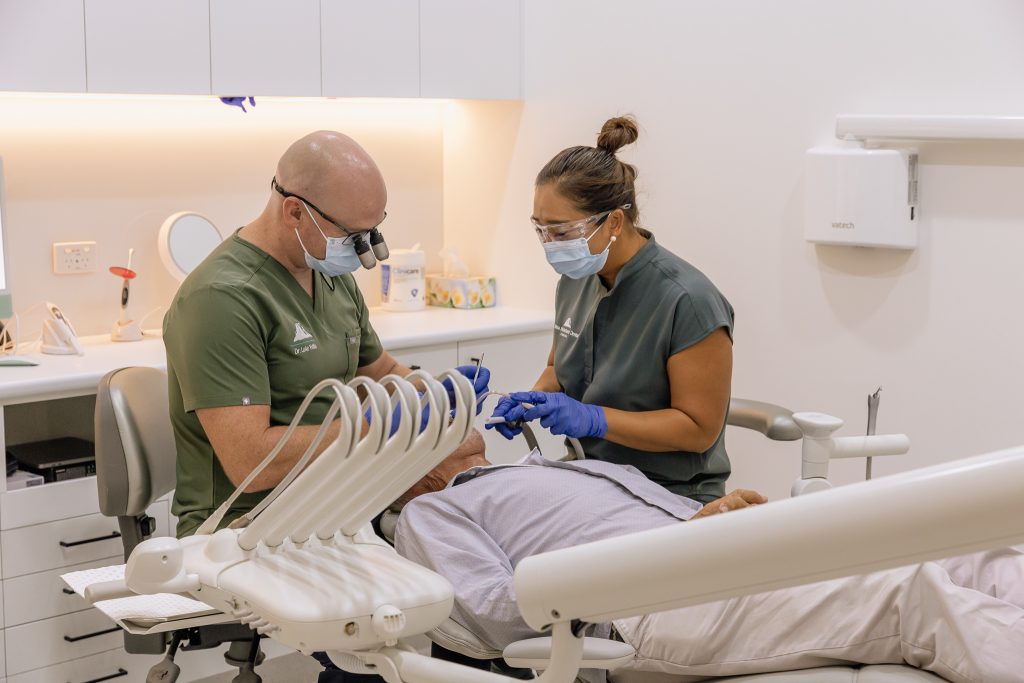
According to Mayo Clinic, most dry sockets heal within about seven to ten days once treated, although deep bone healing takes longer — an outcome supported by a Comparative efficacy of modified versus standard bone mineral approaches in compromised socket preservation, which underscores the importance of the healing environment. Treatment focuses on easing pain fast, protecting the exposed bone and supporting the body as it repairs the area. At Noosa Hinterland Dental in Pomona, this care is provided in a calm, gentle way, with sedation options for anxious adults and teens. Our low-dose digital radiography lets us check the area accurately while keeping radiation to a minimum.
During the appointment, your dentist will first talk through your symptoms, medical history and any medicines you take. They will gently examine the socket to see whether the blood clot is missing and whether bone is showing. If needed, a digital X-ray helps rule out other causes of pain around the jaw, especially after complex lower wisdom tooth removal or implant surgery.
What To Expect From Dry Socket Treatment And Recovery
Dry socket treatment usually starts with local anaesthetic or numbing gel so the area can be touched without extra pain. Your dentist then gently rinses the socket with sterile saline or an antibacterial solution to wash out trapped food and debris. This simple step often eases that deep aching feeling because nothing is pressing on the exposed bone.
Next, a small medicated dressing or gel is placed inside the socket. These dressings often contain local anaesthetic and soothing ingredients such as eugenol from clove oil. They act like a protective blanket over the bone and provide direct dry socket pain relief where it is needed most. Depending on your pain, the dentist may change this dressing every day or two at the start, then less often as healing improves.
You will also talk through pain medicines that are safe for you. Many adults can use ibuprofen products such as Nurofen, paracetamol products such as Panadol, or a combination, as long as doses stay within safe limits and medical conditions allow. Stronger prescription tablets or short courses of antibiotics may be used if there are signs of spreading infection or if you have health issues that affect healing. According to Australian Prescriber, antibiotics are best reserved for clear signs of infection rather than routine dry socket alone.
At home, you continue with soft foods, gentle salt water rinses and careful brushing around the area, following the instructions given by your dentist. Most people notice clear pain relief within hours of the first dressing and feel much more comfortable over the next few days as new tissue starts to grow over the bone.
With Noosa Hinterland Dental, patients from Cooroy, Cooran, Kin Kin, Noosa and nearby communities also have the reassurance of easy follow up, a child-friendly team and long-term restorative options such as implants and bridges once healing is complete.
Ready To Talk About Your Tooth Extraction Recovery?
Dry socket is a known but temporary complication that happens when the blood clot after an extraction is lost too early. It causes strong pain and can feel frightening, yet with prompt care and simple changes at home most people heal well within a week or so. The good news is that most extractions, including wisdom teeth removal, heal normally when post-operative instructions are followed and the clot stays in place.
If you are preparing for an extraction, understanding what dry socket looks like and how to prevent dry socket can give real confidence. If you have already had a tooth removed and are worried about increasing pain, a strange taste or an empty-looking socket, you never need to sit at home and hope.
Noosa Hinterland Dental in Pomona offers gentle extractions, same day emergency appointments, sedation options and family-focused care for patients across Cooroy, Cooran, Kin Kin, Noosa and the wider Sunshine Coast hinterland. If something does not feel right after an extraction, call our friendly team so we can check your healing, relieve your pain and help you get back to normal life.
Frequently Asked Questions
Many patients have similar concerns about dry socket, especially around how long it lasts and whether home remedies are safe. These short answers give clear guidance, but your own dentist’s advice should always come first. If you are unsure, Noosa Hinterland Dental is only a phone call away.
Question: How Long Does Dry Socket Pain Last Once Treated?
Dry socket pain usually settles quite quickly once a medicated dressing is placed. Many patients feel clear relief within a few hours, with steady improvement over the next couple of days. Most dry sockets heal within seven to ten days, although deeper bone healing takes longer. If pain is not easing after a few days of treatment, you should return for review.
Question: Can You Treat Dry Socket At Home With Home Remedies?
Dry socket cannot be properly treated at home and many online remedies can irritate the socket. Strong clove oil, alcohol-based rinses or stuffing herbs into the hole can damage tissue or disturb the clot further. A dentist needs to clean the socket and place a medicated dressing.
At home you can use gentle warm salt water rinses, soft foods and prescribed pain relief, but these steps support rather than replace professional dry socket treatment.
Question: Is Dry Socket An Infection And Will I Need Antibiotics?
Dry socket is mainly an inflammatory problem caused by a missing blood clot, not always a true infection. Some patients do have infection at the same time, especially if swelling, fever or feeling generally unwell develops — and a comprehensive Reevaluating antibiotic prophylaxis: insights from a network meta-analysis confirms that antibiotic use should be carefully weighed against actual signs of infection rather than applied routinely. In those cases, your dentist may recommend antibiotics along with local treatment. Always follow the specific advice given for your medical history.
Question: Are Wisdom Teeth More Likely To Get Dry Socket?
Yes, dry socket is more common after lower wisdom teeth removal, especially when the teeth are impacted or the surgery is complex. The deeper socket and extra bone removal can make the clot less stable. Careful wisdom teeth removal recovery – including no smoking, no straws and gentle rinsing – helps reduce the risk. Your dentist may give even stricter instructions after lower wisdom tooth extraction.
Question: Can Children Get Dry Socket After A Tooth Extraction?
Children can get dry socket, but it is less common in younger kids because their bone and blood supply are different from adults. At Noosa Hinterland Dental, parents receive clear instructions about food, brushing and signs to watch for, such as sudden strong pain or an empty-looking hole. If a child seems more upset after a few quiet days, call the practice so we can check the area.
Question: When Is It Safe To Smoke Or Use A Straw After An Extraction?
Smoking, vaping and using straws should be avoided for at least a week after an extraction, and longer is even safer. Suction can pull the blood clot out of the socket and chemicals in smoke slow healing, raising dry socket risk. If quitting is hard, talk with your dentist or GP about temporary supports. It is far easier to protect the clot now than to cope with dry socket pain later.