For over a century, amalgam fillings, often called silver fillings, have been a reliable solution for tooth decay. Many Australians have these durable restorations from childhood. But as time passes, you might wonder if these old fillings are still doing their job or if they need replacing.
This guide will explain what amalgam fillings are, how to tell when they might need attention, and what modern alternatives are available. We’ll cover the signs of a failing filling, from visible cracks to new sensitivity. You’ll also learn about the safe and gentle replacement options offered here in the Noosa Hinterland.
Let’s explore how to make informed decisions about your dental health.
Key Takeaways
-
Amalgam fillings are durable but require attention over time.
-
Reasons for replacement include cracks, leaks, pain, or cosmetic concerns.
-
An old filling’s impact on a tooth can be a “wedge effect,” causing fractures.
-
Modern alternatives are aesthetic and strengthen the tooth’s structure.
-
Safe removal and comfort are priorities at Noosa Hinterland Dental.
-
A regular dental check-up is essential for a personalised assessment.
Jump to section
- What Are Amalgam Fillings and How Do They Work?
- When Should You Consider Replacing Your Old Amalgam Fillings?
- How Do Old Amalgam Fillings Affect Your Teeth Over Time?
- What Modern Alternatives Exist for Silver Fillings?
- Safe and Comfortable Amalgam Filling Replacement at Noosa Hinterland Dental
- Why Is a Professional Dental Assessment Essential?
- Frequently Asked Questions
- Time to Restore Your Smile?
What Are Amalgam Fillings and How Do They Work?
Understanding amalgam fillings involves looking at their composition and historical role in Australian dentistry. These fillings are a metallic alloy, well-known for their strength and longevity, which is why they have been used to restore teeth for over 150 years. The term “silver fillings” comes from their distinct metallic appearance, a common sight for many adults in Pomona, Cooroy, and the wider Sunshine Coast Hinterland.
The primary function of these fillings is to repair cavities caused by tooth decay, particularly in back teeth that withstand heavy chewing forces. While their use has declined with the rise of tooth-coloured alternatives, millions of Australians still have functioning amalgam fillings. Official dental bodies in Australia consider amalgam a safe material for the general population, though its use is now limited for certain groups and due to environmental considerations, with research noting Social inequities in general health and oral health that affect how different communities access restorative dental care.
How Is Amalgam Made and What Is Its Role?
The creation of dental amalgam involves a precise mixture of materials. It is an alloy formed by combining liquid elemental mercury, which makes up about 50% of the mixture, with a powdered alloy of silver, tin, and copper, a composition grounded in the properties of The Ag-Sn (Silver-Tin) system. The liquid mercury acts as a binding agent, wetting the powder particles and creating a pliable, putty-like mass that your dentist can pack firmly into a prepared tooth cavity.
Once placed, a chemical reaction begins, and the material hardens into a solid, strong restoration. This durability is why amalgam fillings can last for decades. A distinctive feature of amalgam is its ability to self-seal over time; microscopic corrosion by-products slowly fill the tiny gap between the filling and the tooth, which helps prevent bacteria from leaking underneath. This characteristic has made it a historically reliable choice for restorative dentistry.
Are Amalgam Fillings Safe in Australia?
Concerns about the mercury content in amalgam fillings are understandable. However, major health organisations have studied the safety of dental amalgam extensively. According to the Therapeutic Goods Administration (TGA) and the Australian Dental Association (ADA), dental amalgam is a safe and effective restorative material for the general population.
While amalgam fillings release very small amounts of mercury vapour, particularly during chewing, research consistently shows this exposure is well below the safety thresholds established by the World Health Organization (WHO). Despite this general safety profile, a precautionary approach is now common. Following the Minamata Convention on Mercury, Australian guidelines advise against placing new amalgam fillings in pregnant or breastfeeding women, children under 15, and individuals with severe kidney disease or a known mercury allergy. At Noosa Hinterland Dental, we focus on modern, mercury-free alternatives to provide peace of mind.
When Should You Consider Replacing Your Old Amalgam Fillings?
The decision to replace old amalgam fillings should be based on a clinical assessment by your dentist rather than a blanket rule. If a silver filling is structurally sound, properly sealed, and not causing any issues, leaving it in place is often the best course of action to preserve healthy tooth structure. However, these fillings are not permanent and will eventually show signs of wear and tear that require attention.
The main reasons for amalgam filling replacement fall into two categories: functional failure and aesthetic preference. Functional issues include cracks in the tooth or filling, gaps forming around the edges (leakage), or excessive wear. Symptoms like pain when chewing or new sensitivity to hot and cold temperatures are clear indicators that a visit to your dentist is needed. A professional examination is the only way to determine if a filling has reached the end of its service life.
What Signs Indicate the Need for Filling Replacement?
It is important to recognise the signs that your old silver fillings may need replacing. Being aware of these indicators can help you seek timely care and prevent more complex dental issues.
Here are some common signs:
-
Visible Cracks or Fractures: You or your dentist may notice fine lines (craze lines) radiating from the filling into the surrounding tooth structure. A cracked amalgam filling or a fracture in the tooth itself compromises its strength and requires attention.
-
Deterioration of Filling Margins (Leaking Fillings): Over time, the edges of a filling can pull away from the tooth, creating a microscopic gap. This gap can trap bacteria and lead to new decay underneath the existing filling, which is often hidden from view.
-
Pain or Sensitivity: A sharp pain when you bite down or a new, lingering sensitivity to hot or cold foods can signal a cracked tooth or decay under the filling. These symptoms should never be ignored.
-
Excessive Wear or Fracture of the Filling: Decades of chewing can cause the filling itself to wear down or break. A worn filling can alter your bite, while a fractured one leaves the tooth exposed to further damage.
-
Tooth Discolouration: The corrosion of an amalgam filling can cause the surrounding tooth to develop a greyish or bluish-black stain. While often just a cosmetic issue, it can sometimes indicate leakage.
Are There Cosmetic Reasons to Replace Amalgam Fillings?
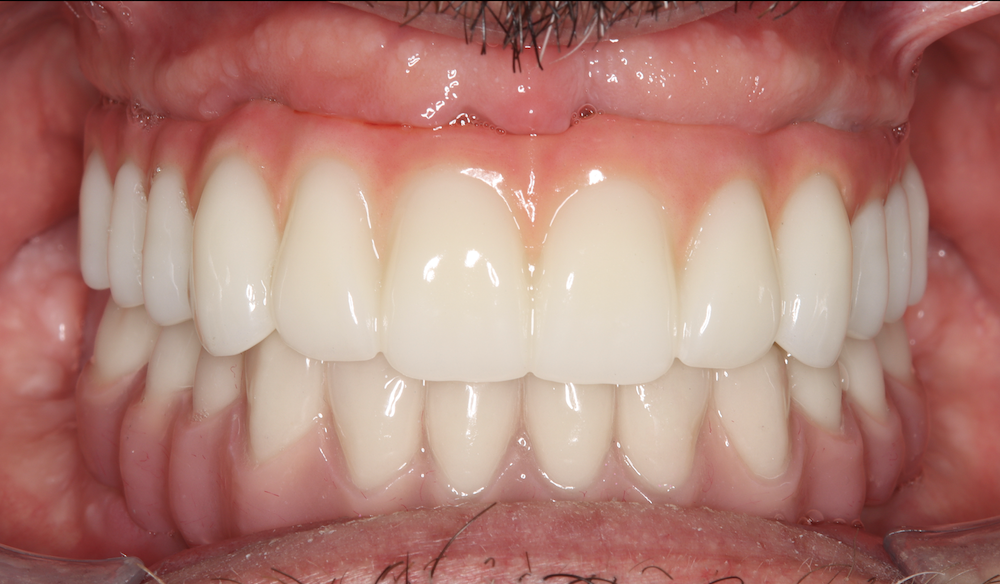
Yes, many people choose to replace their amalgam fillings for purely cosmetic reasons. The dark, metallic appearance of silver fillings stands in stark contrast to the natural colour of teeth, and this can be a significant concern, especially for fillings that are visible when you smile or talk. A desire for a more uniform, natural-looking smile is a valid reason to discuss replacement options with your dentist.
Replacing old, dark fillings with modern, tooth-coloured materials can greatly improve your confidence. At Noosa Hinterland Dental, we understand that how your smile looks is important to you. We listen to our patients’ goals and provide aesthetic solutions that not only look great but also support long-term dental health. A simple silver fillings replacement can make a remarkable difference in the overall appearance of your smile.
How Do Old Amalgam Fillings Affect Your Teeth Over Time?
Old amalgam fillings can have a significant physical impact on your teeth over the long term. While known for their strength, the material’s properties can create stress within the tooth structure. Amalgam expands and contracts in response to temperature changes from hot and cold foods at a different rate than your natural tooth enamel.
This constant micro-movement puts pressure on the surrounding tooth. Over many years, this cycle of expansion and contraction can lead to the formation of microscopic cracks and fractures. This phenomenon weakens the tooth from the inside out, making it more susceptible to breaking under normal chewing forces. This is a primary reason why a professional assessment of old fillings is so important for maintaining the long-term health of your teeth.
What Is the ‘Wedge Effect’ and Why Is It Important?
The “wedge effect” is a term used to describe how an amalgam filling can act like a metal wedge inside a tooth. Because amalgam does not chemically bond to the tooth, it is packed into a prepared cavity. As the metal expands and contracts with temperature changes, it exerts outward pressure on the walls of the tooth.
This continuous pressure is a key factor in the development of tiny fractures in the enamel, sometimes called “craze lines.” Over decades, these small cracks can grow deeper, propagating into the underlying dentine. This process gradually weakens the tooth structure, making it vulnerable to breaking. Understanding the wedge effect is important because it explains why a seemingly intact filling can still be contributing to the structural decline of a tooth.
How Can Tooth Fractures Occur Due to Amalgam?
Tooth fractures related to amalgam fillings are a direct result of the long-term stress caused by the wedge effect, combined with daily chewing forces. The micro-fractures that begin in the enamel can deepen over time, eventually leading to a condition known as Cracked Tooth Syndrome. This can cause sharp, intermittent pain when you bite down, even if no visible damage is apparent.
In more severe cases, a whole section of the tooth, often a cusp, can completely break away. This often happens unexpectedly while eating something relatively soft. The tooth wall, weakened by years of outward pressure from the amalgam, finally gives way. At Noosa Hinterland Dental, regular check-ups help us identify these risks early. We can recommend treatments like crowns or onlays to protect and strengthen teeth before a fracture occurs.
What Modern Alternatives Exist for Silver Fillings?
When it is time to replace old amalgam fillings, modern dentistry offers several excellent alternatives that are both aesthetically pleasing and structurally supportive. For patients in the Noosa Hinterland seeking a cosmetic and functional upgrade, these materials restore teeth without the metallic look of amalgam. The most common choice is composite resin, a tooth-coloured material that bonds directly to the tooth, and Tooth-colored resin fillings compared with amalgam fillings have been evaluated extensively in Cochrane evidence reviews for posterior permanent teeth.
For larger cavities or teeth that have suffered significant structural loss, more durable options like porcelain inlays, onlays, or full dental crowns are available. These ceramic restorations provide exceptional strength and durability while perfectly matching the appearance of natural teeth. Your dentist will discuss the best option for your specific situation, taking into account the size of the filling, the location of the tooth, and your personal preferences.
What Are Composite Resin Fillings (White Fillings)?
Composite resin fillings are the most popular modern alternative to amalgam. These “white fillings” are made from a mixture of acrylic plastic and fine glass-like particles. Their biggest advantage is aesthetics, as the material can be perfectly colour-matched to the natural shade of your tooth, making the restoration virtually invisible.
Unlike amalgam, composite resin chemically bonds to the tooth structure. This bonding process allows for a more conservative tooth preparation, as the dentist only needs to remove the decayed portion, preserving more of your healthy tooth. This bond also helps to “splint” the tooth together, reinforcing its structure and helping to prevent the fractures associated with the wedge effect of amalgam fillings. At Noosa Hinterland Dental, we use high-quality composite resins to restore strength and beauty to your teeth.
When to Consider Ceramic Restorations or Crowns?
When a large amalgam filling is removed, the remaining tooth structure might be too weak to support a new composite filling. In these cases, ceramic restorations like inlays, onlays, or dental crowns are the ideal solution. These are custom-made from high-strength porcelain or zirconia to precisely fit the prepared tooth. Some modern clinics, like Noosa Hinterland Dental, can even offer same-day crowns, allowing for a complete restoration in a single visit.
Here’s a closer look at these options:
-
Inlays and Onlays: These custom-made ceramic pieces fit into or onto a tooth, much like a puzzle piece, restoring its shape and strength. They are generally more durable than composite fillings and are an excellent choice for larger cavities in back teeth where extensive tooth structure remains.
-
Dental Crowns: Also known as a “cap,” a crown covers the entire visible portion of a tooth. This is often the recommended treatment for teeth with extensive damage, significant fractures, or those suffering from Cracked Tooth Syndrome. A crown acts like a protective helmet, holding the tooth together, preventing further fracture, and restoring its full function and appearance.
At Noosa Hinterland Dental, we discuss all options to help you choose a solution that restores your tooth to full function and prevents future problems.
Safe and Comfortable Amalgam Filling Replacement at Noosa Hinterland Dental
For many people, especially those with dental anxiety, the thought of having an old filling removed can be a source of stress. At Noosa Hinterland Dental, your comfort and safety are our top priorities. We are committed to making the amalgam filling removal process as gentle, efficient, and reassuring as possible.
We use specific safety protocols to minimise any exposure to mercury vapour during the removal procedure. Our team takes the time to explain every step, helping to make sure you feel informed and in control throughout your visit. By combining a compassionate approach with careful clinical techniques, we provide a positive experience for our patients from Pomona, Cooroy, and the surrounding communities.
What Are the Safety Protocols for Amalgam Removal at Noosa Hinterland Dental?
We take the process of removing amalgam fillings very seriously and adhere to strict safety protocols to protect both you and our dental team. Our safe amalgam removal technique is designed to be simple, effective, and environmentally responsible.
Our protocols include:
-
Rubber Dam Isolation: We place a non-latex rubber sheet over the tooth. This barrier prevents you from swallowing or inhaling any amalgam particles during the removal process.
-
Copious Water Spray: A constant stream of cool water is used on the filling as it’s removed. This keeps the tooth cool and significantly reduces the release of mercury vapour.
-
High-Volume Suction: A powerful suction device is positioned right next to the tooth to capture the vast majority of aerosols, vapour, and debris the moment they are created.
-
Sectioning Technique: Instead of grinding the entire filling away, we carefully cut it into large chunks. These pieces are then easily lifted out, minimising the creation of fine particulate matter.
-
Amalgam Separator: All removed material is channelled into an amalgam separator, which filters it from the wastewater to protect our local environment.
What Can You Expect During the Treatment Procedure at Noosa Hinterland Dental?
When you come to Noosa Hinterland Dental for an amalgam filling replacement, you can expect a patient-focused and efficient experience. We begin by making sure you are completely comfortable, using local anaesthesia for a pain-free procedure. Our friendly team will be by your side to address any concerns you may have.
The duration of the appointment depends on the number and size of the fillings being replaced, but a single tooth can often be treated in as little as 30 minutes, usually in one visit. We will replace the old amalgam with a modern, tooth-coloured material like composite resin or a durable ceramic restoration. After the treatment, you might experience some mild, temporary sensitivity, but this typically subsides quickly. Our goal is to provide personalised, high-quality care that revitalises your smile.
Why Is a Professional Dental Assessment Essential?
While it is helpful to know the signs of a failing filling, a professional assessment from a qualified dentist is essential. Self-diagnosis is not reliable, as many problems with amalgam fillings, such as underlying decay or fine cracks, are not visible to the naked eye. Only a dentist has the expertise and diagnostic tools to accurately evaluate the condition of your fillings and the surrounding tooth structure.
General advice found online cannot replace a personalised examination. At Noosa Hinterland Dental, we conduct a thorough assessment to determine the best course of action for you. Regular check-ups allow for early detection of potential issues, often saving you from more extensive and costly treatments down the road. This proactive approach is the key to maintaining your long-term oral health.
Why Is a Dental Visit Necessary to Check Old Fillings?
A dental visit is necessary because a comprehensive evaluation goes far beyond what you can see in your bathroom mirror. Your dentist uses specialised tools, such as intraoral cameras and digital X-rays, to get a clear picture of what is happening under and around your amalgam fillings. This allows them to assess the integrity of the filling’s seal and check for hidden decay or fractures.
The information you find online provides a general overview, but your oral health is personal. An early diagnosis of a problem can make the difference between a simple filling replacement and the need for a more complex procedure like a crown or root canal therapy. At Noosa Hinterland Dental, we are dedicated to providing thorough dental care that helps you revitalise and strengthen your smile.
How Does Noosa Hinterland Dental Help Maintain Your Oral Health?
At Noosa Hinterland Dental, we partner with you to maintain your oral health for a lifetime. After a comprehensive assessment of your old fillings, we will discuss our findings and recommend a personalised treatment plan. This could involve replacing a failing filling, or simply continuing to monitor one that is still in good condition.
Our focus is on a preventive approach. Regular check-ups and professional cleans help prevent major issues from developing in the first place. We use the latest technology and our team’s extensive expertise to provide the highest standard of care. As a community-focused practice, we proudly serve residents of the Noosa Hinterland, including Cooroy, Cooran, and Kin Kin, with friendly and professional service.
Frequently Asked Questions
Question: How long do amalgam fillings typically last?
An amalgam filling is known for its durability and can often last 10-15 years, and sometimes much longer. Their lifespan depends on factors like your oral hygiene habits, diet, and the chewing forces they are subjected to. Regular dental check-ups are the best way to monitor their condition and ensure they continue to function properly.
Question: Should I have all my silver fillings replaced?
No, not all amalgam fillings need to be replaced automatically. If a filling is intact, the seal is not leaking, and there are no signs of decay or tooth fracture, it is often best to leave it undisturbed. The decision to replace a filling should always be made after a thorough examination by your dentist.
Question: What is the difference between composite and amalgam fillings?
Amalgam fillings are a metal alloy, silver in colour, and are held in place mechanically. Composite fillings are made from a tooth-coloured resin and glass mixture. They bond chemically to the tooth structure, which allows for more conservative tooth preparation and provides a better aesthetic result.
Question: Are there any risks in removing amalgam fillings?
When performed by a professional using strict safety protocols, the risks associated with removing amalgam fillings are minimal. At Noosa Hinterland Dental, we use measures like a rubber dam and high-volume suction to minimise exposure to mercury vapour for both our patients and our staff during the removal process.
Question: What symptoms should I watch for that indicate a problem with a filling?
You should watch for pain when chewing, sensitivity to hot or cold temperatures, visible cracks in the filling or tooth, gaps around the edges of the filling, or discolouration of the tooth. If you experience any of these symptoms, you should schedule an appointment with your dentist for an assessment.
Question: How often should I have my amalgam fillings checked?
It is generally recommended that you visit your dentist for a check-up every 6 to 12 months. This allows your dentist to monitor the condition of your amalgam fillings and your overall oral health, enabling them to identify and address any potential issues at an early stage.
Time to Restore Your Smile?
Are you wondering about the health of your old silver fillings? Don’t leave it to guesswork. A professional assessment is the first step towards making sure your smile is healthy and strong for years to come. Our team is here to provide an expert opinion in a calm and caring environment.
At Noosa Hinterland Dental, we are committed to providing personalised and high-quality dental care. Contact us today to schedule an appointment to have your old fillings checked. We look forward to helping you enjoy a healthy, confident smile.