A cracked tooth can cause sharp pain when biting, temperature sensitivity or discomfort that comes and goes. It will not heal on its own, so prompt dental care is important to prevent the crack from spreading, reduce pain and protect the tooth from infection or further damage.
This guide will explain everything you need to know about a cracked tooth. We will cover the different types of fractures, the dangers of waiting for treatment, and how to recognise the symptoms that demand immediate attention. You will also learn about the gentle, modern treatments available to restore your tooth and what you can do to prevent cracks from happening in the first place.
“Addressing dental concerns promptly is key to preventing minor issues from becoming major problems.”
Let’s look at why fast treatment for a cracked tooth is so important.
Key Takeaways
-
A cracked tooth will not heal on its own; prompt professional treatment is necessary to prevent worse damage and infection.
-
Symptoms like erratic pain when chewing or sudden sensitivity to temperature are clear signs that demand immediate dental attention.
-
Delaying care for a cracked tooth can lead to severe infection, increased pain, the formation of a dental abscess, and potential tooth loss.
-
Modern dental treatments, from bonding to dental crowns, can effectively restore the function and appearance of a cracked tooth, saving your smile.
-
Preventative measures such as wearing custom mouthguards for sports and attending regular dental check-ups are fundamental to protecting your teeth.
Jump to section
- Understanding A Cracked Tooth: Types, Causes, And Why They Hurt
- Can A Cracked Tooth Wait? The Risks Of Delaying Treatment
- Recognising The Signs: Symptoms Of A Cracked Tooth And When To Act Fast
- Diagnosing And Treating A Cracked Tooth: Your Gentle Path To Restoration
- Managing Dental Anxiety During Cracked Tooth Treatment
- Preventing Cracked Teeth: Proactive Steps For Long-Term Oral Health
- Preserve Your Smile: The Urgent Need For Cracked Tooth Treatment
- Frequently Asked Questions
Understanding A Cracked Tooth: Types, Causes, And Why They Hurt
A cracked tooth occurs when a fracture develops in your tooth’s structure, compromising its integrity — a condition well documented in research on Cracked Tooth Syndrome – including its causes, classifications, and clinical management. Unlike a broken bone, a tooth cannot regenerate or heal itself because its outer layers, enamel and dentine, lack the cellular mechanisms for repair. This means any crack, no matter how small it seems, is a permanent structural failure that requires professional dental intervention. The fracture can act as a pathway for bacteria to enter the sensitive inner pulp of the tooth, leading to inflammation and infection.
The pain from a cracked tooth is often confusing because it can be intermittent — research on the Characteristics of cracks in posterior teeth confirms that symptom presentation varies widely depending on crack depth, location, and patient factors. When you bite down, the pressure can cause the fractured segments of the tooth to flex and move apart slightly, irritating the delicate nerve inside. The sharpest pain often occurs when you release the bite, as the pieces snap back together, causing a sudden pressure change within the tooth. This mechanical irritation is why the discomfort can feel so erratic. Cracks can be caused by various factors, including biting on hard foods, trauma from an accident, teeth grinding (bruxism), or even large, old fillings that have weakened the tooth over time.
“Pay close attention to when and how your tooth pain occurs. This information is invaluable for your dentist in accurately diagnosing a cracked tooth.” – Dental Tip
From Minor Fractures To Severe Splits: Classifying Cracked Teeth
Understanding the specific type of crack is essential, as it dictates the severity of the issue and the necessary treatment — a point reinforced by recent research into E1E45 1130 1147.202410891.Pdf covering recent advances in diagnosing enamel cracks. Dentists classify a cracked tooth based on its location, depth, and direction. These classifications help determine the best course of action to save the tooth and restore your oral health.
-
Craze Lines These are incredibly common, tiny, superficial cracks that only affect the outer enamel. They are usually painless and are considered a cosmetic issue rather than a structural problem, so they typically do not require treatment.
-
Fractured Cusp This happens when a piece of the tooth’s chewing surface, usually around a large filling, breaks off. A fractured cusp rarely exposes the tooth’s nerve, so the pain is often mild, but the tooth needs a restoration like a filling or onlay to protect it.
-
Cracked Tooth This term refers to an incomplete fracture that starts on the chewing surface and extends vertically down towards the root. Early diagnosis is vital because if the crack is treated before it reaches the pulp or gum line, the tooth can often be saved with a dental crown.
-
Split Tooth This is the end stage of an untreated cracked tooth. The fracture has completely separated the tooth into two or more distinct segments. A split tooth is often painful and, in most cases, cannot be saved intact, frequently requiring extraction.
-
Vertical Root Fracture This type of crack begins in the root of the tooth and extends upwards towards the crown. Vertical root fractures are notoriously difficult to detect and often go unnoticed until the surrounding bone and gum become infected, usually necessitating tooth extraction.

Can A Cracked Tooth Wait? The Risks Of Delaying Treatment
The simple answer is no; a cracked tooth cannot wait. Procrastinating treatment is one of the biggest risks you can take with your oral health. A crack is a physical weakness in the tooth, and every time you chew, you apply forces that can cause the fracture to spread — as outlined in the comprehensive review of Cracked tooth syndrome: a published in Frontiers in Oral Health. What might start as a small, manageable crack can quickly propagate deeper into the tooth structure, turning a simple problem into an involved dental emergency. Delaying care dramatically increases the chances of the crack reaching the tooth’s inner pulp.
“A small crack today can become a lost tooth tomorrow if ignored. Swift action protects your smile and your wallet.” – Dr. Jane Doe, Dental Surgeon
Once the crack exposes the pulp, which contains the nerve and blood vessels, it creates a direct pathway for oral bacteria to enter. This invasion leads to inflammation, infection, and often severe, throbbing pain. The infection can spread from the tooth’s root into the surrounding jawbone, forming a painful dental abscess. At this stage, the treatment becomes more involved and costly, often requiring a root canal or even extraction. Finally, ignoring a cracked tooth puts you at high risk of losing the tooth entirely, which is a far more complicated outcome than seeking prompt, early intervention.
What Happens When A Cracked Tooth Is Left Untreated?
Failing to seek prompt treatment for a cracked tooth sets off a chain reaction of deteriorating dental health. The initial problem will only get worse, leading to more pain, involved procedures, and higher costs. Understanding this progression highlights the urgency of seeing your dentist as soon as you suspect a problem.
-
Crack Propagation The daily forces of chewing and biting act like a wedge, continuously driving the crack deeper into the tooth. A minor fracture can quickly travel towards the root, compromising the entire tooth structure and making it much harder to save.
-
Pulpitis and Infection As the crack deepens, it exposes the sterile inner pulp to bacteria from your mouth. This contamination causes a painful inflammation called pulpitis. If left untreated, the pulp tissue will die, and a bacterial infection will take hold inside your tooth.
-
Dental Abscess Formation The infection inside the tooth will eventually spread out from the tip of the root into the jawbone. This creates a pocket of pus known as a dental abscess, which can cause intense pain, facial swelling, fever, and a general feeling of being unwell.
-
Increased Pain and Discomfort The pain associated with an untreated cracked tooth will almost certainly intensify. What begins as an intermittent, sharp pain upon biting can change into a constant, severe, throbbing ache that disrupts your sleep and daily life.
-
Tooth Loss If the crack spreads too far, splits the tooth, or causes a severe, untreatable infection, the tooth becomes unsalvageable. In these cases, extraction is the only option to resolve the pain and infection, leading to the need for tooth replacement options like dental implants or bridges.
Recognising The Signs: Symptoms Of A Cracked Tooth And When To Act Fast
Identifying a cracked tooth can be tricky because the symptoms are often unpredictable and can mimic other dental issues. The most common sign is erratic pain when chewing. You might feel a sharp pain when you bite down on food, but often the most telling symptom is a jolt of pain at the moment you release the bite pressure. This happens because the fractured parts of the tooth move, irritating the nerve inside. Another key indicator is sensitivity to temperature changes. You may experience a sharp twinge when you eat or drink something hot or cold, or even when consuming sugary foods.
“If you experience sharp, intermittent pain, especially when biting or releasing, consider it a strong signal to see your dentist.” – Health Recommendation
Sometimes, a cracked tooth may cause no pain at all, especially if it is a superficial craze line. However, any new sensitivity or discomfort is a signal that you should not ignore. You should act fast and see a dentist if the pain is severe and persistent, if you notice swelling in the gum around a specific tooth, or if you have swelling in your face. These are signs of a dental emergency, indicating that an infection may be developing. For families in the Pomona and Cooroy, seeking immediate care from a trusted local dentist is the best way to prevent further problems and get relief.
Managing Immediate Discomfort And Contacting Noosa Hinterland Dental
If you suspect you have a cracked tooth, there are several immediate steps you can take at home to manage the discomfort while you arrange to see a dentist. These first aid measures can help reduce pain and prevent the crack from worsening. Swift action is key to achieving the best possible outcome for your tooth.
-
Immediate First Aid Gently rinse your mouth with warm salt water. This helps clean the area and can have a mild antibacterial effect. To manage swelling, apply a cold compress to the outside of your cheek for 15-minute intervals. You can take over-the-counter pain relief like paracetamol, but avoid placing aspirin directly on the gums as it can cause a chemical burn.
-
Protect the Tooth It is very important to avoid chewing on the side of your mouth with the affected tooth. Stick to a diet of soft foods until a dentist can assess the damage. This minimises the pressure on the cracked tooth and reduces the risk of the crack spreading further.
-
Recognising a Dental Emergency You are facing a dental emergency if you experience severe, unrelenting pain that isn’t managed by painkillers, visible facial swelling, a fever, or if a large piece of the tooth has broken off, exposing the pinkish pulp tissue inside.
-
Contacting Noosa Hinterland Dental For Sunshine Coast patients experiencing a cracked tooth, Noosa Hinterland Dental offers same-day emergency dental appointments. Our caring team prioritises urgent cases to relieve pain and prevent problems, making sure you get the swift care you need.
-
Action Plan If you crack a tooth or lose a crown, stay calm. Rinse your mouth gently and contact Noosa Hinterland Dental immediately for same-day emergency care.
Diagnosing And Treating A Cracked Tooth: Your Gentle Path To Restoration
Diagnosing a cracked tooth requires a bit of dental detective work because the fractures are often microscopic and don’t always appear on standard X-rays. Your dentist will start by listening carefully to your symptoms, such as when the pain occurs and what triggers it. They will then perform a thorough visual examination, often using magnification tools like dental loupes to inspect the tooth’s surface for any visible fracture lines. A combination of specialised tests is used to pinpoint the exact location and severity of the crack.
“Be as specific as possible when describing your symptoms to your dentist. Details about the type of pain, its triggers, and its location can significantly aid in diagnosis.” – Patient Advice
Once diagnosed, the treatment for a cracked tooth is customized to your needs. The goal is always to relieve your pain, protect the tooth from further damage, and restore its function and appearance. Treatment can range from simple, conservative measures for minor cracks to more advanced procedures for severe fractures. Throughout the process, modern dental practices focus on making sure you are comfortable and experience no pain, making the path to restoration a gentle one.
Customized Restorations And Patient Comfort At Noosa Hinterland Dental
At Noosa Hinterland Dental, we combine advanced diagnostic tools with a commitment to gentle, patient-focused care to restore your smile. Our approach provides an accurate diagnosis and a comfortable treatment experience, customized to the specific needs of your cracked tooth. We provide a full range of restorative options to protect your long-term oral health.
-
Diagnostic Methods We conduct a thorough assessment using visual inspection with magnification, bite tests with a “Tooth Sleuth” to pinpoint the painful area, and transillumination, which shines a bright fibre-optic light through the tooth to reveal fracture lines. Periodontal probing and digital X-rays or 3D imaging are also used to get a complete picture of the tooth’s health.
-
Conservative Treatments For minor chips or cosmetic craze lines, we use conservative treatments like cosmetic contouring to smooth rough edges or dental bonding. Bonding applies a tooth-coloured composite resin to fill the fracture and restore the tooth’s natural appearance in a single visit.
-
Restorative Options
-
Dental Fillings Modern, tooth-coloured composite resin fillings are used to repair fractured cusps or smaller breaks, strengthening the tooth.
-
Onlays For larger fractures, a custom-made ceramic onlay is fabricated to fit over the chewing surface, providing superior structural support.
-
Dental Crowns A dental crown is the “gold standard” for a structurally compromised cracked tooth. This custom cap binds the tooth fragments together, preventing the crack from spreading. Noosa Hinterland Dental offers Same Day Crowns in Pomona, using durable porcelain and zirconia for fast, beautiful, and lasting restorations.
-
-
Advanced Treatments If the crack has reached the pulp, a root canal treatment is necessary to remove the infection and save the tooth, which is then protected with a crown. For irreparable teeth, we perform gentle extractions and discuss replacement options like dental implants or bridges.
-
Patient Comfort Focus At Noosa Hinterland Dental, your comfort is our priority. We always use effective local anaesthesia to make sure of a completely pain-free experience and provide gentle, reassuring care from start to finish.
Managing Dental Anxiety During Cracked Tooth Treatment
The sharp pain of a cracked tooth, combined with the thought of a dental visit, can be a major source of anxiety for many people. It’s a common fear that can cause individuals to delay seeking the urgent care they need. Acknowledging and actively managing this dental anxiety is a fundamental part of modern, compassionate dentistry. The goal is to create a safe, supportive, and stress-free environment where patients feel in control and can comfortably receive treatment.
Effective anxiety management begins with open and clear communication. A good dentist will take the time to explain the diagnosis and proposed treatment plan in simple, easy-to-understand terms. Knowing what to expect during the procedure can remove much of the fear of the unknown. Furthermore, modern techniques and sedation options are available to help even the most nervous patients relax. By prioritising patient comfort and psychological well-being, dental professionals can make sure that anxiety does not become a barrier to essential oral healthcare.
A Reassuring Approach: How Noosa Hinterland Dental Prioritises Your Comfort
At Noosa Hinterland Dental, we understand that dental anxiety is a real and significant concern for many of our patients in the Noosa Hinterland. Our entire team is dedicated to creating a reassuring and supportive atmosphere, making sure your experience treating a cracked tooth is as calm and comfortable as possible. We use several strategies to help you feel at ease.
-
Transparent Communication We provide clear, jargon-free explanations of your diagnosis and each step of the treatment process. We want you to feel fully informed and confident in the care you are receiving, with no surprises.
-
Patient Empowerment Your feeling of control is important to us. We establish a simple “stop signal,” like raising your hand, which allows you to pause the treatment at any time for any reason. This makes sure the procedure proceeds at a pace you are comfortable with.
-
Pain-Free Procedures Your comfort is our priority. We use a strong topical numbing gel before administering local anaesthesia to make injections as gentle as possible. We make sure the area is completely numb so that your restorative treatment is entirely pain-free.
-
Sedation Options For patients with heightened anxiety, we offer sedation options to help you relax. Nitrous Oxide, or “happy gas,” can induce a state of deep calm while you remain conscious. Oral anxiolytic medications are also available to be taken before your appointment.
-
Calming Environment We focus on providing a gentle and understanding atmosphere for all local families and individuals. Our team is trained to be supportive and reassuring, helping to alleviate your fears and make your visit a positive one.
Preventing Cracked Teeth: Proactive Steps For Long-Term Oral Health
While accidents can happen, many instances of a cracked tooth are preventable with some proactive care and lifestyle adjustments. The best strategy for protecting your smile is to minimise the risks and strengthen your teeth against potential damage. Prevention is always better than cure, and taking these steps can save you from the pain, inconvenience, and expense of treating a fractured tooth. A strong preventative routine is the foundation of lifelong oral health for you and your family.
“Prevention is not just better than cure; it’s also less painful and less costly.” – Anonymous Health Proverb
The two main pillars of prevention are protecting your teeth from excessive force and maintaining their structural integrity through excellent oral hygiene and regular dental care. This involves being mindful of what you chew on and protecting your teeth during high-risk activities. Partnering with your local dentist for routine check-ups allows for early identification of potential problems, like wear from grinding or weakened old fillings, before they can lead to a painful crack.
Shielding Your Smile: Mouthguards, Night Guards, And Lifestyle Choices
Adopting a few key habits and protective measures can dramatically reduce your risk of suffering a cracked tooth. These simple, actionable steps are essential for anyone in the Noosa Hinterland looking to preserve their natural teeth and maintain a healthy smile for life.
-
Custom-Fitted Mouthguards For anyone, child or adult, participating in contact sports like footy or netball, or high-risk activities such as mountain biking, a custom-fitted mouthguard is non-negotiable. It absorbs and distributes the force of an impact, significantly reducing the risk of dental trauma.
-
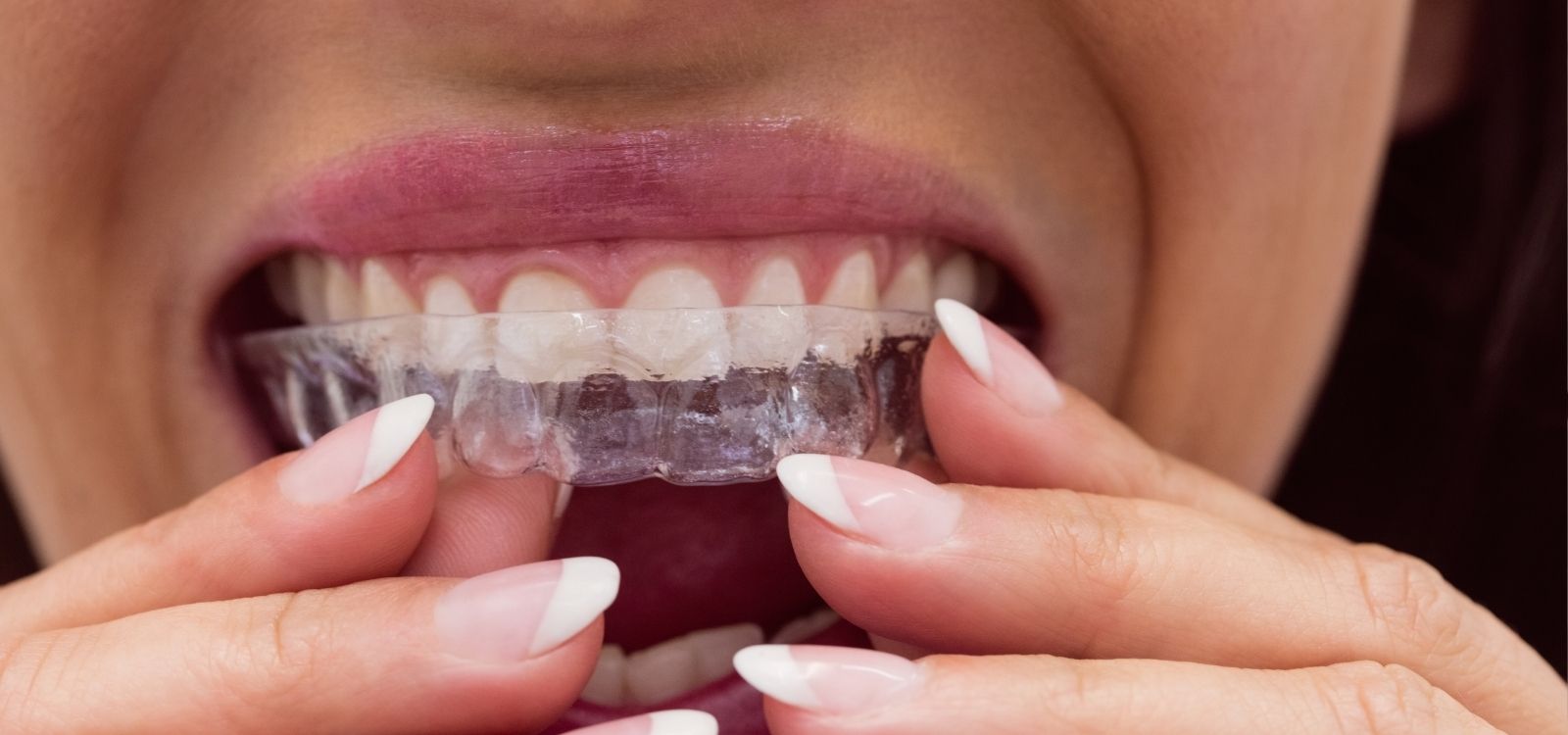
Occlusal Splints (Night Guards) If you grind or clench your teeth at night (a condition called bruxism), a custom-made night guard is essential. This durable device creates a protective barrier between your teeth, absorbing the destructive forces that can lead to fractures.
-
Dietary Awareness Be mindful of what you chew. Avoid biting down on very hard items like ice cubes, unpopped popcorn kernels, hard lollies, and non-food objects like pens or fingernails. Never use your teeth as tools to open packages.
-
Prompt Decay Treatment Cavities weaken tooth structure from the inside out. Addressing tooth decay with a filling when it’s small maintains the tooth’s strength and prevents it from becoming vulnerable to fracturing under normal chewing pressure.
-
Regular Dental Check-ups Visiting Noosa Hinterland Dental for routine examinations every six months is one of the most effective preventative measures. Our team can identify early signs of wear, craze lines, or failing old fillings and intervene proactively before a serious cracked tooth occurs.
Preserve Your Smile: The Urgent Need For Cracked Tooth Treatment
A cracked tooth is a serious dental issue that requires immediate professional attention. Unlike other injuries, it will not heal on its own and will only worsen over time. Acting fast is the key to preventing severe pain, widespread infection, and the potential loss of your tooth. Prompt treatment not only provides relief but also saves you from more involved and costly procedures down the road.
At Noosa Hinterland Dental, we are committed to providing our community with gentle, expert, and timely care for dental emergencies like a cracked tooth. We prioritise your comfort and long-term oral health. Don’t wait for the pain to become unbearable. If you suspect you have a cracked tooth, contact our caring team today to schedule an appointment and protect your smile.
Don’t wait for the pain to become worse.
Contact Noosa Hinterland Dental today to have your cracked tooth assessed before it becomes more serious.
Frequently Asked Questions
Question: Can a cracked tooth heal itself, or will it always need professional treatment?
Unlike bones, teeth cannot heal themselves once fractured. Enamel and dentine lack the necessary cellular repair mechanisms, so professional dental intervention is always required to prevent the crack from worsening and to restore the tooth’s integrity.
Question: How can I tell if my tooth is cracked, especially if the pain is intermittent?
Look for sharp, sudden pain when chewing (especially upon releasing bite pressure), sensitivity to hot, cold, or sweet foods, or localised gum swelling. Since symptoms can be erratic, a dental examination is essential for accurate diagnosis, even if pain is inconsistent.
Question: What is the typical recovery time after treatment for a cracked tooth?
Recovery time varies based on the treatment. For fillings or bonding, discomfort is usually minimal and subsides within a day or two. After a crown, mild sensitivity might last a few days. Root canal treatment may involve slightly longer recovery, but significant pain should resolve quickly.
Question: Are dental crowns the only option for fixing a cracked tooth?
No, not always. Treatment depends on the crack’s severity. Minor cracks might be fixed with bonding or fillings. However, for deeper cracks that compromise the tooth’s structure, a dental crown is often the most effective approach to prevent further damage and protect the tooth.
Question: How can Noosa Hinterland Dental help me if I have dental anxiety about treating my cracked tooth?
At Noosa Hinterland Dental, we prioritise your comfort. We offer clear communication, a patient-controlled environment (e.g., stop signals), gentle local anaesthesia, and sedation options like happy gas to make sure of a calm, pain-free experience for even the most anxious patients.