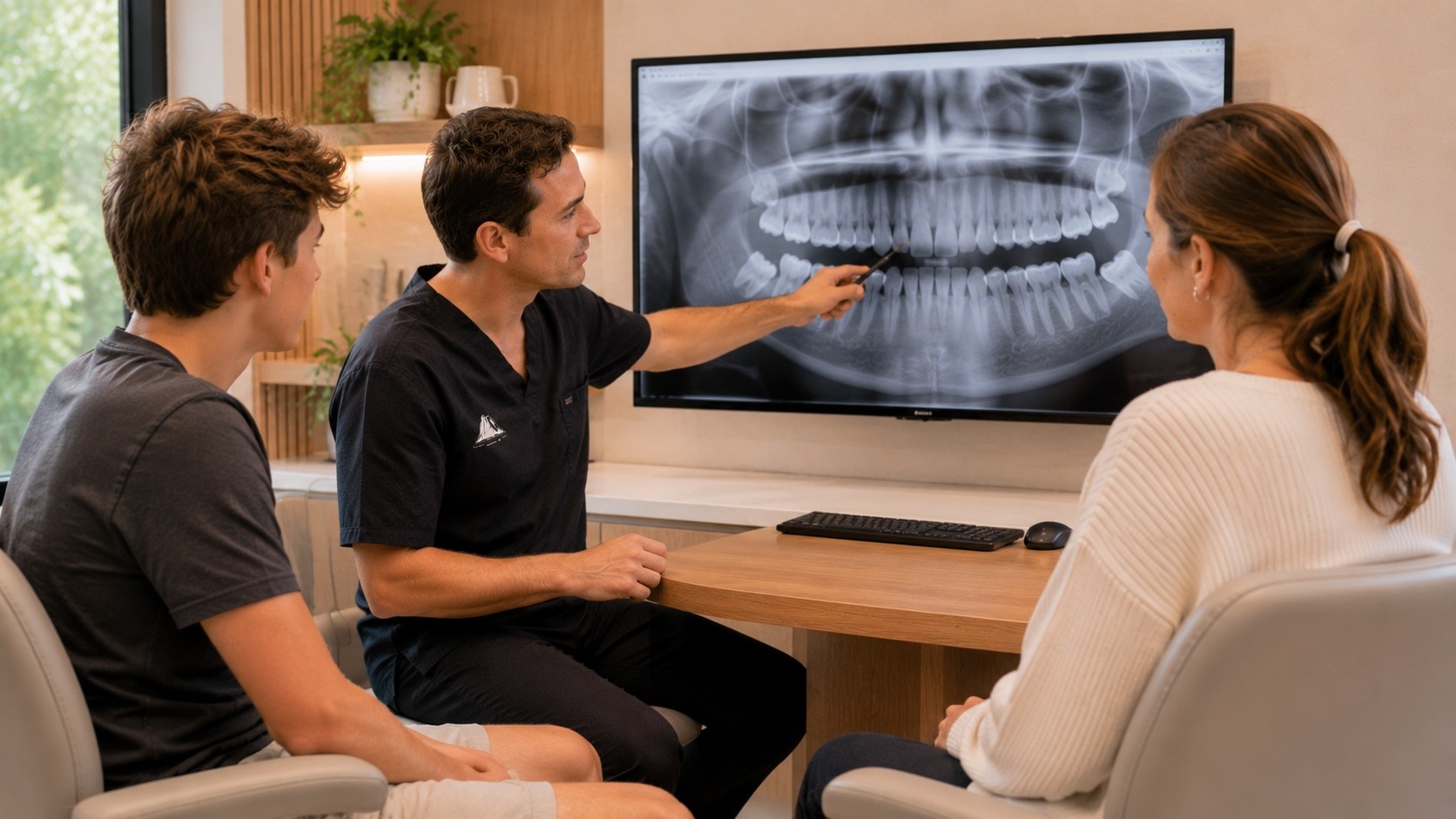
Hearing that a tooth needs work can raise all sorts of worries about pain, cost and whether the tooth can be saved. Many people in Pomona, Cooroy and the wider Noosa Hinterland find themselves asking whether they need a crown or a filling, and if there is a gentler option available. Add dental anxiety into the mix and it can feel easier to put things off.
Introduction: Do You Need A Crown Or A Filling?
Hearing that a tooth needs work can raise all sorts of worries about pain, cost and whether the tooth can be saved. Many people in Pomona, Cooroy and the wider Noosa Hinterland are unsure if they really need a crown or a filling, or if there is a gentler option. Add dental anxiety into the mix and it can feel easier to put things off.
A filling is a material placed into a cavity or small damaged area to rebuild that part of the tooth. A crown is different. It is a custom cap that sits over the whole visible part of the tooth to protect it when it has become weak, cracked or heavily repaired. Both are common tooth restoration options, and both can help avoid extractions when done at the right time.
At Noosa Hinterland Dental, dentists look carefully at each tooth, the bite, past history and long-term health before recommending a dental crown vs filling. They explain when a filling is enough, when a filling is not enough, and when a crown gives better protection. The focus is on gentle, family-centred care for children, adults and seniors across the region.
By reading on, it becomes easier to understand how dentists decide between a crown or a filling, the pros and cons of each, what they cost over time, and what to expect at an appointment. That way, the next time a dentist mentions “crown vs filling”, the choice feels informed rather than scary.
“The best dentistry is often the least dentistry needed to keep a tooth healthy and strong.” – Common principle in preventive dentistry
Key Takeaways
-
A filling rebuilds a small to moderate area of decay or damage and relies on the remaining tooth for support. It is often a good choice for earlier decay, minor chips and teeth that are still mostly strong. When treated early, a simple filling can delay or prevent the need for a future crown.
-
A crown is a custom cap that covers the whole visible tooth to protect it when a large part is lost, cracked or heavily filled. Crowns are often recommended for root canal teeth, big fractures and teeth that keep breaking. They spread biting forces and help keep a weakened tooth together for longer.
-
Dentists look at how much healthy tooth is left, where the tooth sits in the mouth, any cracks or pain, bite pressure and long-term reliability. They also consider budget, anxiety levels and treatment goals, and explain the cost of dental crown vs filling in clear terms.
-
Fillings usually have a lower upfront crown filling cost, while crowns cost more at the start because they are custom-made. Over time, a well-timed crown can be better value if it prevents a weak tooth from splitting and needing more treatment or even an implant.
-
Delaying care often turns a simple cavity into a larger problem. Seeing a gentle local dentist in Pomona or near Cooroy early can mean a small filling instead of a future crown, emergency visit or extraction.
Crown Vs Filling: What’s The Difference?
Both crowns and fillings repair damaged teeth, but they work in different ways. A filling only replaces the part of the tooth that is missing. A crown covers and supports the whole top of the tooth. Understanding this difference makes it easier to see why dentists recommend one or the other.
What Is A Dental Filling And How Does It Work?
A dental filling replaces tooth structure lost from small to moderate decay, wear or a chip. The aim is to rebuild the tooth so it looks and feels close to normal, while keeping as much healthy enamel as possible. For most patients in the Noosa Hinterland, this means a tooth-coloured composite resin filling.
At Noosa Hinterland Dental, composite resin is used for most fillings because it bonds to the tooth and can be matched closely to natural tooth colour. Old silver amalgam can also be removed and replaced with modern materials when needed, which can improve both strength and appearance. Fillings are usually used for:
-
Smaller cavities
-
Minor fractures
-
Replacing worn or leaking older fillings when the rest of the tooth is still strong
During the procedure:
-
The tooth is numbed with local anaesthetic so treatment is comfortable.
-
The dentist removes decay and shapes the area.
-
Composite is placed in layers and set with a bright curing light.
-
The filling is shaped and polished so the bite feels natural.
With good home care, many fillings last several years, and smaller ones often last five to ten years or more.
What Is A Dental Crown And How Does It Work?
A dental crown is a custom-made cap that fits over the entire visible part of the tooth above the gum. Instead of just filling a hole, a crown wraps around and over the tooth to support it, spreading biting forces and helping to stop cracks from getting worse. It is often used when more than about half of the tooth is damaged or heavily filled.
Common reasons to place a crown include:
-
A large cavity
-
A cracked tooth that hurts on biting
-
A tooth that has had root canal treatment
-
A tooth that has broken several times despite fillings
-
Cosmetic concerns with misshapen or badly stained teeth
Noosa Hinterland Dental offers porcelain and zirconia crowns that are tooth-coloured, strong and carefully shaped to match nearby teeth. Same-day CEREC ceramic crowns can often be designed, milled and fitted in one visit, which suits busy families and workers. The dental crown procedure usually involves:
-
Numbing the tooth with local anaesthetic.
-
Reshaping the tooth so there is room for the crown.
-
Scanning or taking a mould of the tooth.
-
Designing and making the crown, either on-site (CEREC) or in a lab.
-
Fitting and adjusting the crown so the bite feels natural, then bonding it in place.
Comparison Table: Dental Crown Vs Filling
| Aspect | Filling | Crown |
|---|---|---|
| Best for | Small to moderate decay or chips on a strong tooth | Large damage, cracks or weak, heavily filled teeth |
| Tooth preservation | Removes less healthy tooth | Requires more reshaping around the whole tooth |
| Strength and protection | Relies on remaining tooth for strength | Adds strong support and protection over the tooth |
| Typical cost range | Lower crown filling cost upfront | Higher tooth crown cost at the start |
| Time involved | Usually one shorter visit | One longer same-day visit or two standard visits |
| Longevity and predictability | Good for smaller problems with good hygiene | Often more reliable for heavily damaged teeth |
How Dentists Decide Between A Crown And A Filling
From the outside, a cavity might look small, but inside the tooth things can be very different. Dentists do not guess when choosing between a crown or a filling. They use a full exam, X-rays, photos and their experience to work out which option will last and keep the tooth safe.
At Noosa Hinterland Dental, the team uses Low Dose Digital Radiography to see under old fillings and inside the tooth. They also check:
-
How the teeth bite together
-
Whether there are visible crack lines
-
How much healthy enamel and dentine will be left after removing decay
-
Signs of grinding or clenching
Sedation dentistry options are discussed separately from the clinical choice of crown vs filling, so comfort and safety are both covered.
When Is A Filling Enough?
A filling is usually the right choice when a cavity is small to moderate and plenty of strong tooth remains. If:
-
The walls of the tooth are thick
-
There are no deep cracks
-
The tooth has not had a root canal
then a well-placed composite filling can be a very cost-effective repair. Mild sensitivity to cold or sweets without sharp biting pain often fits this picture.
For a larger cavity, the dentist may still offer a filling if the chewing cusps are well supported and the bite is gentle. In this case, they also explain the future risk, because a very big filling can act like a wedge and may lead to a crack over time. Sometimes a tooth already has a crown and only needs a small new filling near the gumline, so a filling and crown on the same tooth is quite common.
When a filling is chosen over a crown, patients are usually advised that the tooth should be checked regularly. If the tooth changes, cracks appear or symptoms worsen, a crown may be recommended later to keep the tooth from breaking.
When Is A Filling Not Enough And You Need A Crown?
There are clear warning signs that a filling alone is not likely to protect the tooth for long. Signs you need a dental crown often include:
-
A large piece of tooth missing
-
A fracture running across a cusp
-
More than half the tooth already replaced by older fillings
-
Sharp pain when biting or when releasing the bite
That last point is a common sign of a cracked tooth where a crown is safer than another filling.
Back teeth that have had root canal treatment are also common candidates for crowns, because they become more brittle and prone to splitting. In these cases, a crown helps keep the tooth together so it can keep chewing for many years. Teeth that keep breaking around a large filling are another reason to move from filling to crown rather than patching again.
Some people have heard of a gold crown filling, and while gold can still be used in some practices, Noosa Hinterland Dental focuses on strong, tooth-coloured ceramics instead. The bigger risk in these cases is not the material choice but leaving a weak tooth with only a large filling. If that tooth splits down the root, it may need to be removed and replaced with an implant, bridge or denture.
“Cracks and large fillings don’t usually get better on their own. Supporting the tooth at the right time can prevent painful emergencies down the track.” – General dental advice
Cost, Lifespan And Long-Term Value: Dental Crown Vs Filling
Cost is a big part of the decision for many families. In general, the crown filling cost for a simple filling is lower than for a custom-made crown, and the appointment is shorter. Crowns cost more at the start because of the materials, lab or milling time and the extra steps in the dental crown procedure.
In Australia, fillings are usually claimed under general dental cover with private health funds, while crowns often fall under major dental with different limits and waiting periods. When comparing filling and crown cost, it helps to think beyond the first bill:
-
A very large filling on a weak tooth might crack or fail.
-
This can lead to repeated dental visits and emergency care.
-
In some cases, it may end in tooth loss and replacement treatment.
A well-planned crown can be better value if it keeps a key tooth strong for many years.
Lifespan also matters. Many people ask how long does a filling last compared with a crown. As a general guide:
-
Smaller composite fillings often last five to ten years or more with good brushing, flossing and check-ups.
-
Larger fillings on back teeth tend to wear, chip or leak sooner, especially with grinding.
-
Crowns often last ten to fifteen years or longer, although no restoration is guaranteed for life.
Night guards for grinders, regular cleans and good home care all help both fillings and crowns last longer.
Pros And Cons Of Fillings
Advantages of fillings:
-
Usually involve less drilling, so more natural tooth is left in place.
-
Treatment is quicker, often taking under an hour.
-
Upfront cost is lower than for a crown.
-
Modern tooth-coloured materials blend very well with natural enamel, which is reassuring for front teeth and children.
Limits of fillings:
-
Very large fillings can weaken the tooth, especially on back molars that take strong chewing forces.
-
Over time, fillings can chip, wear down or develop tiny gaps at the edges where new decay can start.
-
For people who clench or grind, large composite fillings may not cope as well and may need replacement.
At Noosa Hinterland Dental, careful assessment, precise shaping and regular monitoring all help fillings work as well as possible.
Pros And Cons Of Crowns
Advantages of crowns:
-
Provide strong support for thin or cracked tooth walls.
-
Often give more predictable long-term results for heavily damaged teeth than large fillings alone.
-
Porcelain and zirconia crowns look very natural, which is important for front teeth and visible smile zones.
-
Can protect root-treated teeth from splitting under chewing pressure.
Limits of crowns:
-
Require more reshaping of the tooth, which means a bigger step than a simple filling.
-
Tooth crown cost is higher upfront.
-
Crowns can still chip or wear at the edges if hygiene is poor or grinding is severe.
-
Decay can still start where the crown meets the natural tooth if plaque collects.
At Noosa Hinterland Dental, gentle local anaesthetic, clear explanations and sedation options help keep crown appointments comfortable, and same-day CEREC crowns reduce time away from work or school.
What To Expect At Noosa Hinterland Dental (And How To Decide With Confidence)
When a tooth is worrying, not knowing what will happen at the dentist can make it harder to book. At Noosa Hinterland Dental in Pomona, near Cooroy, the first step is always a conversation. The dentist asks about symptoms, past dental experiences, what matters most to you and any worries about cost or treatment.
A thorough exam follows, often with Low Dose Digital Radiography and photos so you can see what the dentist sees. The team explains your tooth restoration options in plain English, whether that is:
-
A simple filling
-
A crown
-
A staged plan that starts with a filling and reviews the tooth over time
They also discuss whether you might benefit from nitrous oxide (happy gas) or other sedation if appointments cause anxiety.
Families with children can expect short, positive visits that use tooth-coloured fillings and lots of reassurance. For seniors and adults needing more complex care, such as full-mouth rehabilitation or implants combined with crowns, the plan is set out step by step. Same-day CEREC crowns are available for many teeth, which means the tooth is prepared, scanned and fitted with a ceramic crown in one visit instead of two.
If there is any doubt about crown vs filling, the pros, cons, likely lifespan and filling and crown cost are laid out clearly. That way, people across the Noosa Hinterland can decide with confidence, knowing their dentist Pomona or dentist Cooroy is focused on long-term health, comfort and realistic budgeting.
“Informed patients make better choices – and better choices lead to fewer surprises and emergencies.” – Common theme in patient-centred care
FAQs
Many people have similar questions when they first hear they may need a crown or a filling. Here are some of the most common, with straightforward answers.
How Do I Know If I Need A Crown Or Just A Filling?
Small holes, dark spots or minor chips often need a filling, especially if there is only short, mild sensitivity. Bigger breaks, deep cracks, pain on chewing or a tooth that has had a root canal are more likely to need a crown. The only way to know for sure is to have an exam and X-ray, so problems do not grow silently.
Is A Dental Crown Always Better Than A Large Filling?
A crown is not always “better”, because it depends on how much healthy tooth is left, where the tooth sits and how hard it works. In some cases, a large filling on a strong tooth can perform well for several years. In other cases, a crown gives much better odds of avoiding fractures and emergency visits. Your treating dentist is best placed to guide this choice.
How Long Do Crowns And Fillings Last?
Smaller composite fillings often last many years, especially with good brushing, flossing and regular check-ups. Large fillings on back teeth tend to need repair or replacement sooner. Crowns commonly last ten years or more, and sometimes much longer, but they still need cleaning and review. Grinding, high sugar intake and missed appointments can shorten the life of both crowns and fillings.
Does Getting A Crown Or A Filling Hurt?
With modern local anaesthetic, most patients feel only pressure and vibration, not pain, during a filling or crown. Some mild sensitivity afterwards is common and usually settles within days. At Noosa Hinterland Dental, anxious adults and children can also choose sedation options such as happy gas to help them relax. If pain continues or feels sharp, the team will review the tooth and make adjustments as needed.
Not Sure If You Need a Crown or a Filling?
If you’ve been told you might need a crown or a filling, the best next step is a personalised assessment. Every tooth is different, and the right treatment depends on how much strength is left and what will protect it long term.
At Noosa Hinterland Dental in Pomona, we take the time to explain your options clearly, so you can make a confident decision without pressure.
👉 Book your consultation today and find out the best way to protect your tooth.
Conclusion
Fillings and crowns are two main ways dentists repair teeth, but they are used in different situations. A filling is usually best for smaller areas of decay or damage when the tooth is still strong. A crown is often recommended when the tooth is cracked, heavily filled, weakened by root canal treatment or missing a large section.
Choosing between a crown or a filling is not something people need to decide alone. At Noosa Hinterland Dental, each tooth is assessed carefully, and the options, likely lifespan, crown filling cost and comfort levels are discussed in clear, friendly language. The aim is always to protect teeth for as long as possible in a way that suits each person’s needs and budget.
For families, anxious patients and adults across Pomona, Cooroy and the wider Noosa Hinterland, help is close to home. If a tooth is chipped, sore or worrying, booking a consultation is the best next step. The team at Noosa Hinterland Dental can guide whether a filling or a crown is right for that tooth, so smiles stay comfortable and confident for years to come.