A cracked tooth or a failing old filling is stressful enough without also needing to weigh up Same Day Crowns vs Traditional Crowns. Many people worry about time off work, kids missing school, and how much the treatment will cost. Add dental anxiety into the mix and it can feel very overwhelming.
Same Day Crowns Vs Traditional Crowns – What’s The Real Difference?
A cracked tooth or a failing old filling is stressful enough without also needing to weigh up same day crowns vs traditional crowns. Many people worry about time off work, kids missing school, and how much the treatment will cost. Add dental anxiety into the mix and it can feel very overwhelming.
A dental crown is a custom “cap” that fits over a damaged or weakened tooth. It helps restore strength, shape and appearance when a simple filling is no longer enough. At Noosa Hinterland Dental, patients usually have two main dental crown options – a one‑visit dental crown made with CEREC dental technology, or a traditional lab‑made crown fitted over multiple appointments. Both aim to protect the tooth, stop it breaking further and help with comfortable chewing, not just improve looks.
For families around Pomona, Cooroy and the wider Noosa Hinterland, the big questions are often about visits, comfort and long‑term value rather than gadgets or brand names. The good news is that modern numbing, gentle care and sedation options mean crowns do not have to be scary. By reading on, you will see how same day crowns vs traditional crowns compare, when each suits best, and how the team at Noosa Hinterland Dental helps you decide with calm, clear advice.
“The best dental treatment is the one that fits your mouth, your schedule and your peace of mind – not just what looks best on a brochure.”
Key Takeaways
-
Same day crowns are designed, milled and fitted in a single visit using digital scans and in‑clinic CEREC technology. This option avoids messy impressions and temporary crowns, which many anxious patients and children find reassuring. The crown is made from high‑grade tooth‑coloured ceramic that blends well with surrounding teeth.
-
Traditional crowns usually need two or more visits and use a temporary crown while the final one is made by a lab technician. These crowns can use very strong materials such as zirconia, which are well suited to back teeth and heavy biting forces. They are often chosen for complex work or when several teeth are involved.
-
With good daily care and regular check‑ups, both same day and traditional crowns can last ten to fifteen years or longer. Lifespan depends more on oral hygiene, grinding or clenching habits, diet and the amount of remaining natural tooth than on the method used to make the crown.
-
The right choice between same day crowns vs traditional crowns depends on the tooth position, urgency, bite strength, cosmetic goals, budget and level of dental anxiety. Noosa Hinterland Dental offers both styles and helps match the crown type to each person’s needs rather than pushing a single approach.
How Dental Crowns Work And When You Might Need One
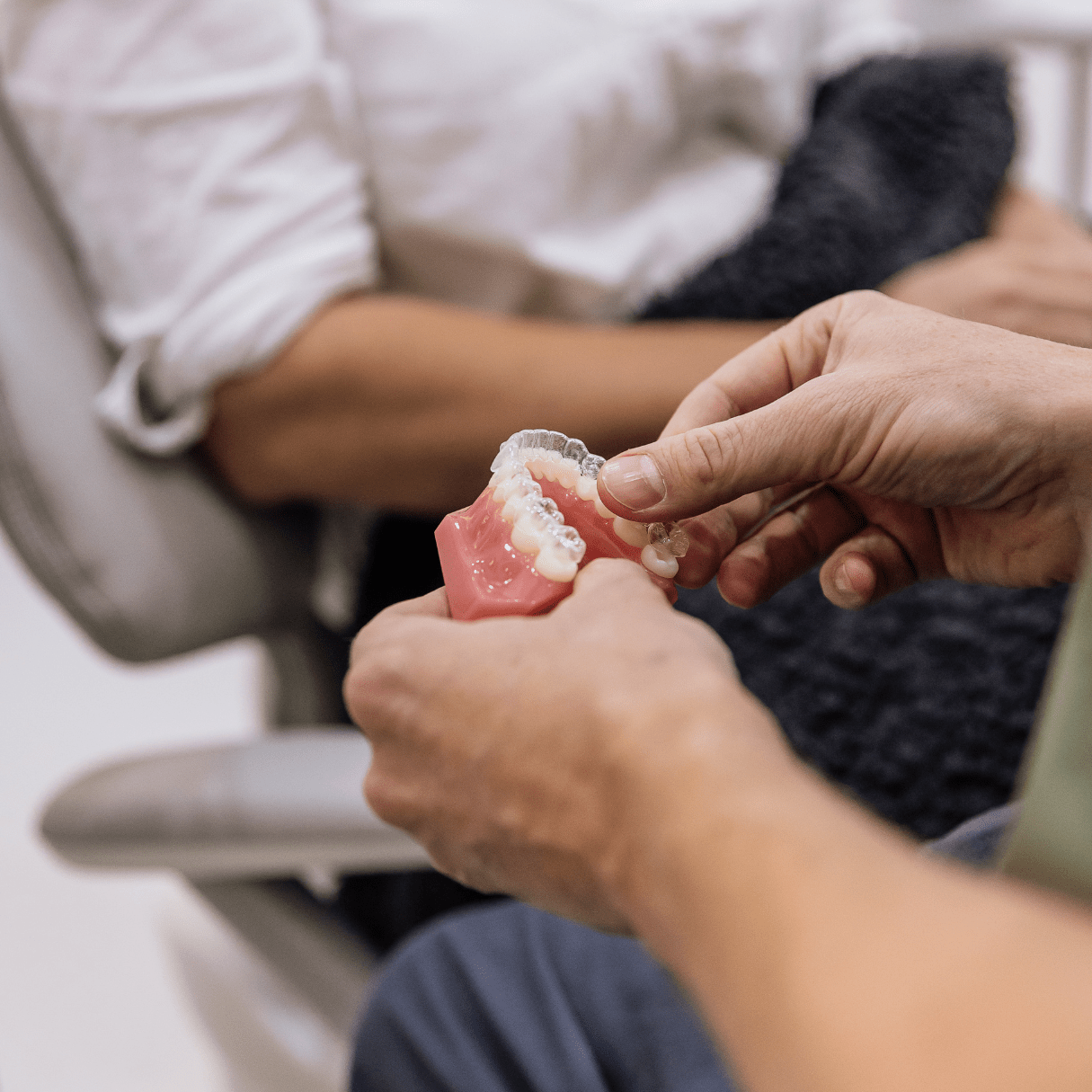
A dental crown is a tooth‑shaped cover that fits over a prepared tooth to restore its strength and shape. It is bonded in place so that you can chew on it much like a natural tooth. Crowns are part of many common restorative dentistry options when a simple filling would be too weak.
You might be recommended a crown when:
-
A tooth has a large crack or fractured cusp
-
There is a very big old filling that keeps failing
-
A tooth has had root canal treatment and needs extra support
-
Teeth are badly worn down from grinding or clenching
-
You want to improve the shape or colour of front teeth
-
A crown is needed on top of a dental implant
-
Teeth are joined together to support a dental bridge replacing missing teeth
In a traditional dental crown process, a temporary crown is placed while the lab makes the permanent crown. The temporary crown is usually acrylic and mainly protects the tooth and gum between visits. With a same day crown procedure, the dentist skips the temporary stage because the final crown is made on site in the same appointment.
Common dental crown materials include:
-
Glass ceramic – very natural looking and metal free
-
Zirconia – extremely strong and suited to heavy bite areas
-
Porcelain fused to metal – combines strength with good aesthetics
The choice of material affects:
-
How much tooth needs to be trimmed
-
How natural the crown looks
-
How well it handles strong biting forces
Most dental crown procedure steps are similar:
-
Assessment of the tooth and surrounding gum
-
X‑rays where needed
-
Numbing the area for comfort
-
Shaping the tooth to make space for the crown
-
Recording the shape with an impression or digital scan
-
Fitting and bonding the crown once it is made
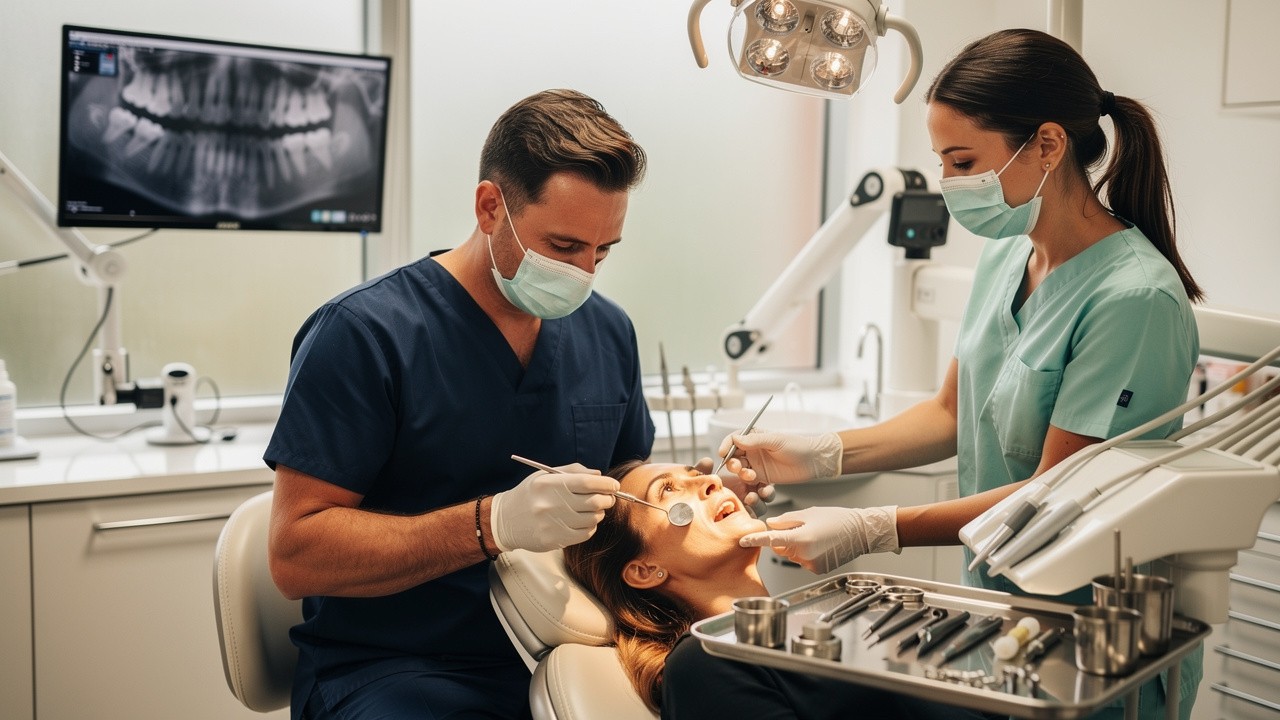
At Noosa Hinterland Dental, the tooth is fully numbed just like a filling, breaks are offered whenever needed, and sedation is available for anxious patients so treatment feels as calm as possible.
Same Day Crowns: How They Work, Benefits And Limitations
Same day crowns, sometimes called one‑visit dental crowns or CEREC crowns, are made and fitted in a single appointment. Compared with traditional crowns, this option uses a fully digital workflow and chairside milling instead of sending work to a lab. For many busy Noosa Hinterland patients, this saves time and reduces stress.
The same day crown procedure at Noosa Hinterland Dental generally includes:
-
Careful assessment and X‑rays if needed
-
Numbing the tooth and surrounding gum
-
Removing decay or weak tooth structure and shaping the tooth
-
Scanning the teeth with a small camera to create a 3D digital model
-
Designing the crown on screen using CEREC dental technology
-
Milling the crown from a solid block of high‑grade tooth‑coloured glass ceramic
-
Trying in the crown, checking the bite and making minor adjustments
-
Bonding the crown permanently and polishing it
Many patients compare the milling stage to a type of dental 3D printing, even though the technology works differently. Milling often takes around fifteen to twenty minutes, which is usually enough time for a short stretch, a drink of water or a quick rest.
Once milled, the crown is tried in, small adjustments are made and the bite is checked carefully. You leave that visit with the final crown in place, which means no temporary crown and no second injection on another day. For emergencies where a tooth has broken, this can be a big relief.
Benefits Of Same Day Crowns
Key advantages of same day crowns include:
-
One visit only – helpful for parents juggling school runs, FIFO workers and patients travelling from further across the Hinterland
-
Digital scanning – avoids messy impressions, often more comfortable for children and anxious adults
-
No temporary crown – fewer risks of something coming loose between appointments
-
Tooth‑coloured ceramic – metal free, smooth and natural looking for many front and back teeth
-
Faster relief in emergencies – broken or painful teeth can often be restored on the same day
As many dentists say, “The best time to fix a broken tooth is before it ruins your plans for the week.” Same day crowns often make that possible.
Limitations Of Same Day Crowns
There are situations where a traditional lab‑made crown may still be preferred:
-
Long bridges replacing several missing teeth
-
Very complex bite changes or full‑mouth reconstruction work
-
Cases that need specialised materials not suitable for chairside milling
-
Highly advanced cosmetic layering that is best handled by a ceramist
At Noosa Hinterland Dental, your dentist explains when a same day option is suitable and when a traditional crown would provide a more stable result over many years.
Traditional Crowns: Process, Material Options And When They’re Recommended
Traditional dental crowns, sometimes called lab‑made crowns, are created in partnership with skilled dental technicians. While they usually need more than one appointment, they remain an excellent choice for strength, detailed appearance and complex treatment plans.
The traditional dental crown process typically involves:
-
Examination of the tooth and X‑rays if needed
-
Local anaesthetic to numb the area
-
Tooth preparation to create space for the crown
-
Recording the tooth shape and bite with either:
-
A digital scan, or
-
A mould using impression material
-
-
Placement of a temporary crown before you leave the first visit
-
Lab fabrication of the permanent crown
-
Second appointment to remove the temporary crown and fit the permanent one
-
Adjustments and permanent bonding once you and the dentist are happy
The temporary crown protects the tooth and keeps the gum comfortable while the permanent crown is made. Some people notice that temporary crowns can feel a little rough or may come loose, and an extra visit is sometimes needed if that happens.
The impressions or scans go to Sunshine Coast ceramists who work closely with Noosa Hinterland Dental. Material choices often include:
-
Zirconia – very high compressive strength, ideal for heavy chewing forces on back teeth
-
Layered porcelain – combines a strong base with lifelike outer porcelain for a highly natural look
-
Porcelain fused to metal – a metal base for strength with a porcelain exterior for appearance
At the second visit, the dentist removes the temporary crown and tries in the permanent one. The fit, contact with neighbouring teeth and bite are checked and adjusted as needed. Once both dentist and patient are happy, the crown is permanently bonded. Sedation options such as Happy Gas, oral sedatives and IV sedation can be arranged if longer or multiple visits feel challenging.
Traditional crowns are often recommended for:
-
Back teeth in very heavy biters
-
People who grind or clench their teeth
-
Multiple connected crowns or long bridges
-
Some implant crowns and more complex reconstruction cases
-
Full‑mouth rehabilitation for seniors or adults with widespread wear
Even though this path takes longer, it offers excellent long‑term strength and appearance when cared for properly.
Same Day Crowns Vs Traditional Crowns: Side‑By‑Side Comparison And How To Choose
This section brings together the key points on same day crowns vs traditional crowns, sometimes called CEREC crowns vs traditional crowns or same day crown vs lab crown. It can help when weighing up a milled crown vs porcelain crown or other material options.
| Factor | Same Day Crowns | Traditional Crowns |
|---|---|---|
| Appointments And Time | One longer visit for preparation and fitting on the same day | Two or more shorter visits spread over one to three weeks |
| Impressions | Digital scan with a small camera | Often putty impressions, sometimes a digital scan |
| Temporary Crown | Not needed because the final crown is fitted straight away | Usually needed between visits and may come loose or feel fragile |
| Materials | High‑grade glass ceramic that is tooth coloured and metal free | Wider range including zirconia, layered porcelain and porcelain fused to metal |
| Strength And Durability | Very strong and suitable for many single teeth when used correctly | Zirconia and some metal‑based crowns offer extra strength for heavy bite forces |
| Aesthetics | Natural and smooth appearance that blends well in most smiles | Lab layering can provide very detailed colour and texture for complex cosmetic work |
| Best Suited For | Single teeth, many emergencies, time‑poor patients and same day dental crowns | High‑bite back teeth, multiple connected crowns, implants and detailed smile makeovers |
| Cost And Value | Fees are often similar to traditional crowns with fewer indirect travel and time costs | Fees can be similar, with extra lab costs for some cases and more visits needed |
When asking how long do dental crowns last, both types have similar expectations. With good brushing, flossing, regular checks and a night guard if you grind, many crowns last ten to fifteen years or more. Problems are usually linked to new decay at the edge of the crown, uncontrolled grinding or gum disease rather than the crown style itself.
When looking at how much does a dental crown cost, the final fee depends on:
-
Which tooth is treated
-
The material used
-
How complex the preparation and fitting are
Same day crown cost and traditional crown cost at Noosa Hinterland Dental generally fall in a similar range, but same day crowns can reduce extra costs such as:
-
Time off work
-
Extra trips from outlying areas
-
Emergency visits for broken temporaries
Health fund rebates often apply to both styles in a similar way.
Thinking about the best type of dental crown is easier with real‑life examples:
-
A person leaving for travel who breaks a premolar may be well served by a same day ceramic crown so they can board the plane confident their tooth is protected.
-
A back molar in a heavy grinder might be better repaired with a traditional zirconia crown to handle long‑term bite pressure.
-
A single front tooth chip could suit either option, depending on cosmetic goals and time.
-
Full‑mouth rehabilitation involving implants and many crowns usually relies on lab‑made work.
Comfort is important across all of this. At Noosa Hinterland Dental, both approaches include:
-
Thorough numbing
-
Gentle techniques
-
Comfort aids such as ceiling TVs, warm blankets and noise‑cancelling headphones
Sedation options are available for patients whose anxiety makes longer visits hard to face, whether they choose CEREC crown treatment in a single visit or a staged traditional plan. There is no single best answer for same day crowns vs traditional crowns, so a thorough in‑person assessment in Pomona or Cooroy is the safest way to decide.
“Dentistry is not one‑size‑fits‑all. The art lies in choosing the right material and method for the right tooth at the right time.” – Common teaching in restorative dentistry
Looking After Your Crown And Next Steps With Noosa Hinterland Dental
Right after a crown appointment, the mouth often feels strange due to numbness. It is wise to avoid chewing on that side until feeling returns so the cheek and tongue are not bitten accidentally. Mild sensitivity to hot and cold for a few days is common as the tooth settles. If the bite feels high, the crown feels loose or pain does not ease, contact the clinic for a quick adjustment.
Long‑term care is similar for both same day and traditional crowns. Aim to:
-
Brush twice daily with fluoride toothpaste
-
Clean between the teeth once a day with floss or other interdental tools
-
Pay extra attention to the gum line around the crown
-
See your dentist regularly for check‑ups and professional cleans
Regular visits at Noosa Hinterland Dental help the team watch how your crowns are performing over time and spot small issues early. If you grind or clench, a custom night guard can protect both natural teeth and crowns from extra wear.
Try to avoid habits such as:
-
Chewing ice
-
Biting pens or fingernails
-
Opening packets with your teeth
These can chip porcelain edges or even damage metal‑based crowns. With these simple steps and ongoing checks, crowns often last many years and keep teeth comfortable and strong.
Noosa Hinterland Dental is a gentle, family‑centred dentist in Pomona caring for Cooroy and the wider Noosa Hinterland. With access to same day dental crowns made in‑house and high‑strength traditional crowns crafted by Sunshine Coast ceramists, the team can recommend what suits your mouth, lifestyle and budget. To talk through dental crown near me options, costs and sedation choices, you can call or book online for a personalised consultation.
Conclusion
Both same day crowns and traditional crowns are proven ways to restore strength, comfort and confidence when a tooth is badly damaged. Same day crowns offer the convenience of one visit, no temporary crown and high‑quality ceramic, which can be ideal for many single‑tooth and emergency cases. Traditional crowns provide broader material choices, including very strong zirconia, and work well for complex bite problems, multi‑tooth bridges and full‑mouth rehabilitation.
The best choice between same day crowns vs traditional crowns always depends on the specific tooth, your bite, timing, health, cosmetic goals and how you feel about dental visits. What matters most is not putting off care when a tooth is cracked, painful or heavily filled, as delay can lead to more complicated treatment later.
If you live in Pomona, Cooroy or anywhere in the Noosa Hinterland and are unsure which crown option is right, Noosa Hinterland Dental is ready to help. A warm, professional team will assess your teeth, explain your dental crown options in plain language and guide you towards the safest, most comfortable plan for your smile.
FAQs
Question 1: Are Same Day Crowns As Good As Traditional Crowns?
Modern same day ceramic crowns are strong, accurate and long lasting when used in suitable cases. Research, including a Comparison of Masticatory Efficiency between implant-supported and conventional crowns, shows that their performance is similar to many lab‑made ceramic crowns for single teeth. Traditional crowns made from zirconia or metal‑based materials can still be preferred for very high bite forces or complex linked crowns. Your dentist will look at your tooth, bite and goals before recommending the option that offers the most reliable result.
Question 2: How Long Do Dental Crowns Last?
For most people, both same day and traditional crowns last around ten to fifteen years, and sometimes much longer. The key factors are:
-
Daily brushing and flossing
-
Diet and sugar intake
-
Whether you grind or clench
-
How much natural tooth remains under the crown
Regular check‑ups at Noosa Hinterland Dental help monitor your crowns so small issues can be managed before they turn into bigger problems.
Question 3: Is Getting A Crown Painful?
Getting a crown should not be painful. The tooth and surrounding area are fully numbed, much like having a filling, so you mainly feel vibration and light pressure. Some people feel mild tenderness afterwards as the tooth and gum settle, which usually eases within a few days. For anyone with dental anxiety, options such as Happy Gas, oral sedatives, IV sedation, headphones, ceiling TVs and warm blankets are available to make treatment more relaxed.
Question 4: How Much Does A Dental Crown Cost And Is There A Price Difference Between Types?
The fee for a crown depends on:
-
Which tooth is involved
-
The material used
-
How complex the case is
Same day crown cost and traditional crown cost are often in a similar range because both use advanced technology and high‑grade materials. Same day crowns may reduce indirect costs such as time off work, travel and visits for broken temporaries. For an accurate estimate and to see how your health fund extras apply, it is best to contact Noosa Hinterland Dental directly.
Question 5: How Do I Know If I Need A Same Day Crown Or A Traditional Crown?
An in‑person assessment is the safest way to decide between same day crowns vs traditional crowns. Your dentist will look at:
-
Where the tooth sits in the mouth
-
How damaged it is
-
Whether you grind or clench
-
Your cosmetic goals and timing
-
Your anxiety level and budget
Patients in Pomona, Cooroy and the wider Noosa Hinterland are welcome to book a gentle consultation at Noosa Hinterland Dental to discuss which approach fits their smile and lifestyle best.
Get The Right Crown For Your Smile
The best choice depends on your tooth, your bite and your lifestyle—not just the technology.
👉 Call Noosa Hinterland Dental or book online today to explore your crown options with confidence.