Struggling with tooth pain and wondering if it’s a true dental emergency? You’re not alone. The uncertainty of whether to rush to a dentist or wait can be stressful, especially over a weekend. For families, adults, parents, seniors, and anxious patients across Pomona, Cooroy, Cooran, Kin Kin, Noosa, Eumundi, Tewantin, and the wider Sunshine Coast Hinterland, knowing when to seek urgent dental care is important.
A genuine dental emergency typically involves severe, persistent pain that painkillers can’t manage, visible swelling in your face or gums, uncontrolled bleeding, or a traumatic injury like a knocked-out or broken tooth. If you experience these symptoms, you should seek emergency dental care immediately, particularly if you are in the Sunshine Coast Hinterland and need an urgent dentist. Minor sensitivity or a small chip without pain can often wait for a regular appointment.
This guide will walk you through everything you need to know, from identifying a crisis to performing first aid and understanding what to expect at your appointment. Let’s clarify when you need to act fast.
Key Takeaways
-
Quickly identify the signs of a true dental emergency versus a non-urgent issue.
-
Understand when to call Noosa Hinterland Dental for same-day care or when to visit a hospital emergency department.
-
Learn important first aid steps for common dental traumas like a knocked-out or broken tooth.
-
Discover how Noosa Hinterland Dental provides a calm and supportive environment for urgent care.
Jump to section
- What Truly Constitutes a Dental Emergency?
- Common Dental Emergencies and Immediate First Aid
- Children’s Dental Emergencies: A Guide for Local Families
- Overcoming Anxiety During a Dental Emergency
- Preventing Dental Emergencies
- What to Expect During a Dental Emergency Visit at Noosa Hinterland Dental
- Frequently Asked Questions
- Protect Your Smile: Understanding and Responding Quickly to Dental Emergencies
What Truly Constitutes a Dental Emergency?
Defining what counts as a dental emergency helps you make clear decisions for your oral health. In essence, an urgent dental issue is any problem that requires immediate attention to stop severe pain, control bleeding, or save a tooth. This also includes treating serious infections that can pose a risk to your overall health. For residents across Pomona, Cooroy, Cooran, Kin Kin, Noosa, Eumundi, Tewantin and the wider Sunshine Coast Hinterland, distinguishing between different levels of urgency ensures you get the right care at the right time. When you need an emergency dentist Pomona or a dentist near Cooroy, knowing the signs is key.
Not all dental problems are created equal. A true dental emergency involves conditions like a knocked-out tooth, a severe toothache that keeps you awake, or a facial swelling indicating a dental abscess. In contrast, a lost filling without pain or a minor chip are considered non-urgent, meaning they need attention but not necessarily in the middle of the night. The most serious situations involve trauma to the jaw or swelling that affects your breathing, which require immediate hospitalisation.
When to Call Noosa Hinterland Dental Immediately?
Knowing the specific symptoms that require an immediate call to your dentist can save you from pain and prevent complications. If you experience any of the following, you should seek an emergency dentist for a same-day appointment.
-
Severe, persistent toothache: A throbbing pain that doesn’t subside with over-the-counter medication often signals an infection or nerve damage needing urgent assessment. This is a classic sign of a toothache emergency.
-
A knocked-out adult tooth: Time is absolutely critical in saving a knocked out tooth. The best chance for successful re-implantation is within the first 30 to 60 minutes of the incident.
-
A fractured, cracked, or broken tooth: A broken tooth emergency is especially urgent if the break is severe, causes sharp pain, or has exposed the inner nerve tissue of the tooth.
-
Facial swelling or a “gum boil”: Swelling in your cheek, jaw, or around a tooth is a serious sign of a dental abscess, which is a pocket of pus from a bacterial infection that requires immediate dental abscess treatment.
-
A lost filling or crown causing pain: While not always an emergency, if losing a restoration exposes the sensitive inner part of the tooth and causes significant pain, it needs prompt attention to prevent further damage.
-
Trauma to the teeth or mouth: Accidents from sports or falls can cause significant dental trauma. Noosa Hinterland Dental provides same-day appointments for Sunshine Coast patients to assess the damage, relieve pain, and provide necessary treatment.
When to Go to the Hospital Emergency Department?
Some oral and facial injuries are beyond the scope of a dental clinic and are classified as medical emergencies. These situations are potentially life-threatening and require immediate attention at the nearest hospital emergency department. You should go straight to the hospital if you experience any of the following symptoms.
-
Rapidly spreading facial or neck swelling: If swelling affects your ability to breathe, swallow, or see properly, it could indicate a severe infection like Ludwig’s angina that can compromise your airway.
-
Uncontrolled bleeding: Bleeding from the mouth that does not stop after 15 to 20 minutes of applying firm, direct pressure is a medical emergency that requires hospital care.
-
A suspected jaw fracture: Following significant facial trauma, if you are unable to open or close your mouth properly, or if you have numbness in your lower lip or chin, you may have a fractured jaw.
-
Other life-threatening injuries: If the dental trauma is accompanied by a suspected concussion, loss of consciousness, or deep lacerations to the face or mouth, hospitalisation is necessary. Hospital emergency departments are prepared to handle these major medical issues.
Common Dental Emergencies and Immediate First Aid
When a dental emergency happens, the steps you take in the first few moments can make a huge difference in the outcome. Knowing the correct first aid can help manage pain, prevent further damage, and even save a tooth while you are on your way to see an emergency dentist. It is equally important to know what not to do to avoid making the situation worse.
For families in the Noosa Hinterland, being prepared with this knowledge is the best way to handle an unexpected dental crisis calmly and effectively. Whether it’s a sporting injury in Cooroy or a sudden toothache in Pomona, these practical, step-by-step instructions will guide you through the most common dental emergencies.
How to Handle a Knocked-Out Tooth?
A knocked-out adult tooth is one of the most time-sensitive dental emergencies. Acting quickly and correctly gives you the best chance of saving the tooth.
-
For an Adult Tooth:
-
First, locate the tooth and pick it up by the crown (the chewing surface), never by the root. Touching the root can damage the delicate cells needed for reattachment.
-
If the tooth is dirty, gently rinse it for no more than 10 seconds in milk or a saline solution. Do not use tap water, and do not scrub or wipe the tooth.
-
If possible, gently try to reinsert the tooth back into its socket. Hold it in place by biting down softly on a clean cloth or gauze.
-
If you cannot reinsert it, the tooth must be kept moist. Place it in a small container of milk or the patient’s own saliva. Never transport the tooth in water and do not let it dry out.
-
Contact Noosa Hinterland Dental immediately, as the first 30 minutes are critical.
-
-
For a Baby Tooth:
-
You must never try to put a baby tooth back into the socket. Doing so can cause permanent damage to the adult tooth developing underneath.
-
Control any bleeding with gentle pressure from a clean cloth and call your dentist for an assessment to ensure no fragments are left behind.
-
Severe Toothache and Dental Abscesses: What Should I Do?
A severe, throbbing toothache or a dental abscess are signs of an infection that requires professional care. Here is how you can manage the symptoms before your appointment.
-
For a Severe Toothache (Pulpitis):
-
Rinse your mouth with warm salt water to help clean the area.
-
Gently use dental floss to remove any food particles that might be lodged between your teeth and causing pressure.
-
You can take over-the-counter pain relievers like paracetamol or ibuprofen according to the package directions. An important point is to never place aspirin or any painkiller directly against the gum or tooth, as this can cause a painful chemical burn.
-
Avoid extremely hot or cold foods and drinks that can trigger more pain.
-
-
For a Dental Abscess:
-
An abscess is a serious infection and you should never attempt to pop or drain it yourself.
-
Rinsing with warm salt water may help draw pus to the surface and provide some temporary relief.
-
This condition requires urgent dental abscess treatment at Noosa Hinterland Dental for professional drainage and potential antibiotics.
-
How to Deal With a Fractured, Cracked, or Broken Tooth?
A broken tooth can range from a minor chip to a severe fracture. Here’s what to do to manage the injury and prevent further harm before you can get to a dentist.
-
Start by rinsing your mouth with warm water to clean the area.
-
If you can find any broken tooth fragments, collect them and bring them with you to your appointment.
-
If there is bleeding, apply gentle but firm pressure to the area with a piece of clean gauze for about 10 minutes or until the bleeding stops.
-
Apply a cold compress or an ice pack wrapped in a cloth to the outside of your cheek to reduce swelling and help numb the pain.
-
If the broken tooth has a sharp edge, you can cover it with a piece of sugar-free chewing gum or orthodontic wax to protect your tongue and cheek.
-
Contact Noosa Hinterland Dental for an urgent assessment and chipped tooth repair.
Quick Fix for Lost Fillings or Crowns
Losing a filling or crown can be unsettling and often causes sensitivity, as the inner tooth structure is exposed. Here are the immediate steps to take.
-
For a Lost Crown:
-
Find the crown, clean it gently, and store it in a safe container to bring to your appointment.
-
Do not try to force it back on if it doesn’t fit perfectly, as you risk swallowing it.
-
Never use household superglue or other adhesives to try and reattach it. These substances are toxic and will damage your tooth and the crown.
-
You can buy temporary dental cement from a pharmacy to cover the tooth, or even use a small piece of sugar-free gum to reduce sensitivity.
-
Call Noosa Hinterland Dental for a same-day appointment to have it professionally re-cemented or replaced.
-
-
For a Lost Filling:
-
Avoid chewing on the affected side of your mouth to prevent food from getting stuck in the cavity.
-
Keep the area as clean as possible by brushing gently.
-
Schedule an appointment with your dentist as soon as possible for a professional repair.
-
Children’s Dental Emergencies: A Guide for Local Families
When a child has a dental emergency, it can be a frightening experience for both them and their parents. Children are prone to accidents during sport and play, making dental trauma a common issue for families in the Noosa Hinterland. Knowing how to respond correctly can make a significant difference.
At Noosa Hinterland Dental, we understand the specific needs of children in these stressful situations. Our team is trained to provide gentle, reassuring care to support your family when you need it most. The key is to stay calm and follow the right first aid steps.
Differences in Injuries to Baby and Permanent Teeth
The most important factor in a paediatric dental emergency is knowing whether a baby tooth or an adult tooth has been injured, as the treatment is very different.
-
Knocked-Out Baby Tooth: If your child knocks out a baby tooth, you must never try to re-implant it. Pushing a baby tooth back in can severely damage the permanent tooth bud growing in the jaw underneath it. Simply control the bleeding with gentle pressure and see a dentist to ensure the area is clean.
-
Knocked-Out Permanent Tooth: This is a true dental emergency. Follow the first aid steps for an adult tooth—handle by the crown, keep it moist in milk or saliva, and get to a dentist within 30 minutes for the best chance of saving it.
-
Intruded Baby Tooth: Sometimes, a fall can push a baby tooth up into the gum. Do not attempt to pull it down. Your dentist will take an X-ray to check its position and monitor it, as it will often re-erupt on its own.
How to Calm and Support a Child in an Emergency?
Your child will take cues from your behaviour, so your calm and steady presence is the most important tool you have during a dental injury.
-
Stay calm and reassuring: Speak in a soft, soothing voice. Your composure will help your child feel safe and less frightened.
-
Use simple, positive language: Avoid scary words like “blood,” “needle,” or “pain.” Instead, explain things simply, for example, “The dentist will help make your tooth feel better.”
-
Involve your child: Give them a simple job, like holding a cold pack to their cheek. This can provide a sense of control and a helpful distraction.
-
Trust a child-friendly team: The team at Noosa Hinterland Dental is experienced in paediatric care. We use tell-show-do techniques and a friendly approach to make the visit as stress-free as possible for your child.
Overcoming Anxiety During a Dental Emergency
For many adults, dental anxiety can turn a stressful dental emergency into an overwhelming ordeal. The fear of pain or loss of control can sometimes cause people to delay seeking urgent treatment, which unfortunately only leads to more severe complications. Recognising this common fear is the first step toward managing it effectively.
At Noosa Hinterland Dental, we believe that providing compassionate care for anxious patients is fundamental to our practice. Our entire approach is designed to create a gentle, patient-focused experience, especially when you are in pain and feeling vulnerable. We take the time to listen to your concerns and make sure you feel safe and in control throughout your visit.
“Remember, your comfort is our priority. Don’t hesitate to tell your dentist if you’re feeling anxious or need a moment to pause during treatment.”
Noosa Hinterland Dental’s Gentle, Patient-Centred Approach
We have developed specific methods to help anxious patients receive the emergency dental care they need without fear. Our goal is to build trust and provide a calm, non-judgemental environment.
-
A calm and understanding atmosphere: We acknowledge that dental phobia is real and a significant barrier to care. Our clinic is designed to be a welcoming and relaxing space.
-
Profound anaesthesia and pain management:
-
We always apply a high-strength topical numbing gel before any injection, making sure the process is as comfortable as possible.
-
The local anaesthetic is warmed to body temperature, which significantly reduces the stinging sensation.
-
We continuously check that you are completely numb and comfortable before we begin any treatment.
-
-
Clear communication and your control:
-
We will explain every step of the procedure before we do it, so there are no surprises.
-
We give you a “stop signal,” like raising your hand, which gives you complete control to pause at any time.
-
-
Sedation options for relaxation:
-
Inhalation sedation (“happy gas”): Nitrous oxide is a safe and effective option that helps you feel deeply relaxed. It wears off quickly after your appointment.
-
Oral sedatives: For more severe anxiety, we can prescribe medication to be taken before your visit, though you will need someone to drive you to and from the clinic.
-
-
The team at Noosa Hinterland Dental is here to provide gentle, urgent dental care when you need it most.
Preventing Dental Emergencies
While accidents can happen, a large number of dental emergencies, especially those caused by infection and decay, are preventable. Taking a proactive approach to your oral health is the most effective way to avoid the pain, stress, and expense of an unexpected dental problem.
A little prevention goes a long way in protecting your smile. Simple changes to your daily habits and a commitment to regular professional care can significantly reduce your risk of facing a dental emergency.
The Role of Routine Check-Ups and Sports Mouthguards
Regular dental visits and proper protection during sports are two of the most powerful tools for preventing dental injuries and disease.
-
Routine check-ups: Visiting Noosa Hinterland Dental every six months allows our dentists to spot potential issues like tiny cracks, failing fillings, or early signs of decay long before they become painful dental emergencies. Professional cleaning also removes hardened plaque that can lead to gum disease and abscesses.
-
Custom-fitted sports mouthguards: For active families in Pomona and Cooroy, a custom-fitted mouthguard is essential for sports like rugby, AFL, or hockey. Unlike over-the-counter options, a custom guard provides superior protection by absorbing and distributing impact forces, drastically reducing the risk of a knocked out tooth or a broken tooth emergency.
Daily Habits to Protect Your Smile
Your day-to-day habits have a major impact on the health and strength of your teeth. Adopting these simple practices can help you avoid common causes of dental damage.
-
Avoid chewing on hard objects: Biting on things like ice cubes, hard lollies, unpopped popcorn kernels, or pens can easily crack or chip your teeth.
-
Don’t use your teeth as tools: Your teeth are not designed for opening bottles, tearing plastic packages, or cutting thread. Using them this way puts them at high risk of fracture.
-
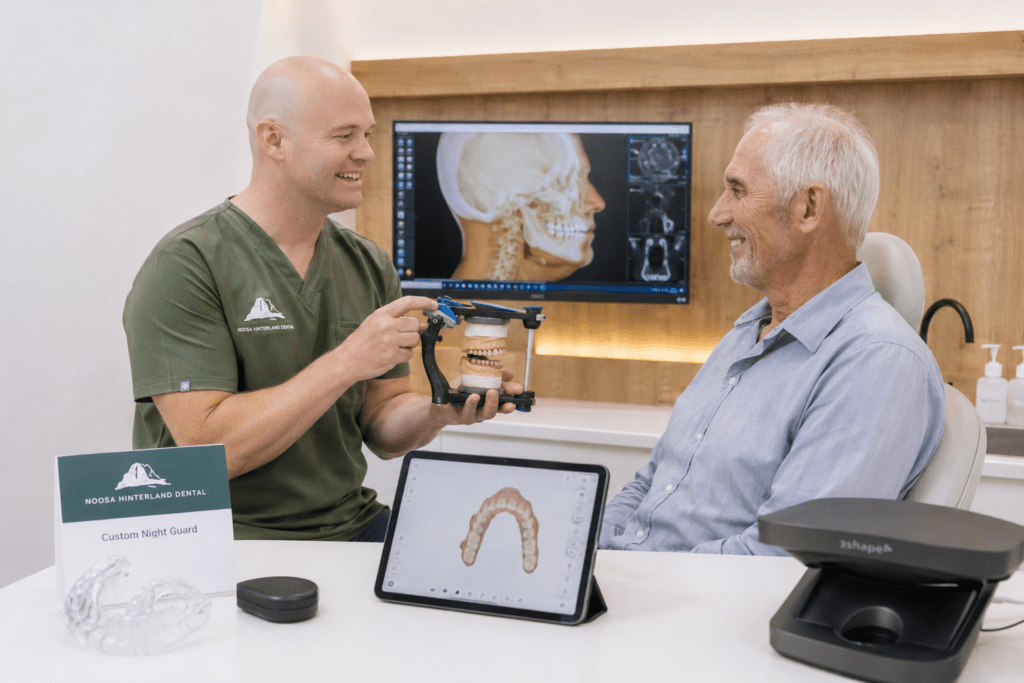
Address teeth grinding (bruxism): Many people clench or grind their teeth in their sleep, placing immense pressure on them. A custom-made night guard (or occlusal splint) protects your teeth from this damaging habit and prevents stress-related emergencies.
-
Mind your diet: Limiting sugary and acidic foods and drinks helps prevent the enamel erosion and decay that lead to painful infections and toothaches.
What to Expect During a Dental Emergency Visit at Noosa Hinterland Dental
Walking into a dental clinic for an emergency can feel intimidating, especially when you are in pain. Knowing what the process involves can help reduce anxiety and set clear expectations. At Noosa Hinterland Dental, our emergency appointments are structured to provide fast relief and a clear plan forward.
Our priority is to get you out of pain and stabilise the situation in a calm and reassuring environment. We focus on clear communication, making sure you understand the diagnosis and are involved in decisions about your treatment every step of the way.
What Happens During Your Emergency Visit at Noosa Hinterland Dental?
From the moment you arrive, our team works efficiently to address your urgent needs. Here is a step-by-step look at the process.
-
Immediate triage and medical history: We prioritise patients based on the severity of their symptoms. We will take a thorough medical history to understand any health conditions or medications that might affect your treatment.
-
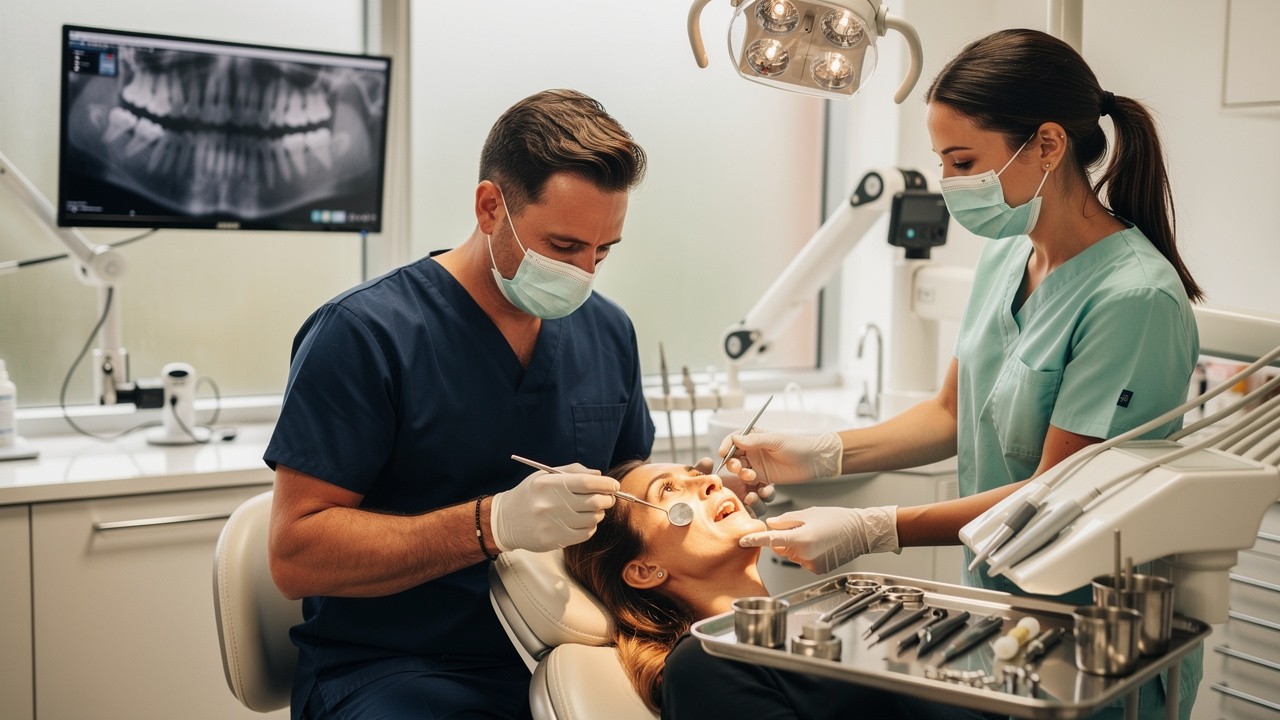
Targeted diagnostic imaging: An emergency exam is focused on the problem area. We will likely take a digital X-ray to see what is happening below the surface, allowing us to identify hidden decay, infections, or fractures.
-
Diagnosis and discussion: Your dentist will clearly explain the diagnosis, often using the X-ray on a screen to show you the source of the problem. We believe in collaborative care at Noosa Hinterland Dental and will discuss all treatment options with you.
Financial Considerations and Accessibility of Emergency Dental Care
The unexpected cost of a dental emergency is a valid concern for many families. We are committed to making urgent care accessible and transparent. Noosa Hinterland Dental strives to be an accessible emergency dental service for our community.
-
Private health insurance (Extras cover): If you have extras cover, a portion of your emergency treatment is typically rebated. We use HICAPS for on-the-spot claims processing to minimise your upfront payment.
-
Child Dental Benefits Schedule (CDBS): Eligible children aged 0-17 can access a capped benefit for essential dental services, including emergency dental care, through this Australian Government initiative.
-
Flexible payment solutions: To ease the financial pressure, Noosa Hinterland Dental offers flexible payment plans through providers like Afterpay and Zip Pay, allowing you to get the care you need now and pay over time.
Frequently Asked Questions
Does My Toothache Get Worse at Night?
Yes, it is common for toothache to feel more intense at night. When you lie down, blood pressure in your head increases, which can heighten the pressure on an inflamed nerve inside your tooth, making the pain feel much worse.
Can a Cracked Tooth Heal on Its Own?
No, unlike a bone, a cracked tooth cannot heal itself. Tooth enamel does not have the ability to regenerate. Professional cracked tooth treatment is necessary to repair the damage and prevent the crack from spreading further, which could lead to tooth loss.
Is It Safe to Get Emergency Dental Treatment During Pregnancy?
Yes, absolutely. In fact, ignoring a dental infection during pregnancy poses a much greater risk to both mother and baby. Modern local anaesthetics are safe, and with proper shielding, dental X-rays can be taken when necessary. Always inform your dentist if you are pregnant.
Can I Go to the Hospital Emergency Department for a Toothache?
In Australia, hospitals are prepared for life-threatening issues like major facial trauma or swelling that affects breathing. For a standard toothache or chipped tooth repair, they will likely only provide pain relief and refer you to a dentist. Contacting Noosa Hinterland Dental directly is your most efficient path to treatment.
How Can Noosa Hinterland Dental Help Me in an Emergency?
Noosa Hinterland Dental offers same-day emergency appointments to relieve pain and address urgent dental problems promptly. Our caring team prioritises your needs, providing expert care and treatment options to restore your comfort and oral health as quickly as possible.
Protect Your Smile: Understanding and Responding Quickly to Dental Emergencies
Knowing how to identify a dental emergency is vital for protecting your oral health and overall wellbeing. Acting quickly and appropriately, whether it’s performing first aid at home or calling a dentist immediately, can dramatically improve the outcome of a dental crisis. Don’t hesitate when faced with severe pain, swelling, bleeding, infection symptoms or dental trauma.
For families and individuals in Pomona, Cooroy, Kin Kin, and the wider Sunshine Coast Hinterland, Noosa Hinterland Dental is your trusted local partner in urgent dental care. We are committed to providing fast, gentle, and professional help when you need it most.
Contact us today at Noosa Hinterland Dental for immediate advice or to book an emergency appointment and get your smile back on track.