A chipped tooth on holiday near Noosa can turn a bright day sour fast. Suddenly every smile, sip, or bite feels risky and stressful. In that moment many people start searching for an emergency dentist Noosa visitors can trust in the hinterland.
The safest first steps are to rinse gently with warm water, keep any tooth pieces safe, avoid chewing on that side, and phone a nearby dentist for advice straight away. If you are staying in Pomona or the Noosa Hinterland, Noosa Hinterland Dental at 8 Memorial Avenue, Pomona, can talk you through what to do next and arrange urgent care. This guide walks through how to judge the chip, give first aid, reach holiday-friendly care in Pomona, and look after your tooth for the rest of your stay.
You do not need to let a chipped tooth derail your time in the hinterland. With a clear plan for the first hour and the right support, most chips are very fixable. Next we look at the exact steps Noosa visitors can take straight after the break happens.
Key takeaways
Key takeaways for a chipped tooth on holiday near Noosa focus on safety, pain control, and quick contact. This section offers a short overview so you can skim what matters before reading details. You will see when to treat a chip as an emergency, what to do on the spot, and how a hinterland dentist can help visitors and locals.
-
Know when a chipped tooth needs urgent attention during your Noosa stay. A crack with deep pain, swelling, or bleeding is not one to ignore. Mild, pain-free chips can sometimes wait, but they still deserve a prompt check.
-
Use simple first aid before you reach the clinic. Rinse gently with warm water, keep any broken pieces in milk, and avoid chewing on the injured side. Appropriate over-the-counter pain relief and a cold pack on the cheek can ease discomfort until you arrive.
-
See how an emergency dentist Noosa visitors rely on near Pomona looks after travellers. From your first phone call, the team will ask clear questions about pain, swelling, and medicines. X-rays and same-visit repairs may be possible so you can get back to plans sooner.
-
Think ahead about follow up once you leave the chair. Follow the written after-care plan, avoid hard foods on the treated side, and watch for any new pain or swelling. Share receipts, X-rays, and notes with your home dentist so long-term repairs fit your needs.
Table of Contents
- What should Noosa visitors do first after a chipped tooth on holiday?
- When is a chipped tooth a dental emergency for Noosa visitors?
- How does emergency dental care work for tourists in Pomona and the Noosa Hinterland?
- Which emergency treatments might you need for a chipped or broken tooth?
- How can Noosa visitors protect their teeth for the rest of their holiday and beyond?
- To sum up
- Frequently asked questions
What should Noosa visitors do first after a chipped tooth on holiday?
After a chipped tooth on holiday near Noosa, the first jobs are to stay calm, clean your mouth, and protect the area. Next, avoid chewing on that side, save any broken pieces, and contact an emergency dentist Noosa visitors can reach from the hinterland for guidance. These simple moves reduce the risk of further damage, cut down pain, and give the dentist better information when you arrive. The paragraphs that follow explain how to check the damage yourself, give safe first aid, and decide how urgently you need care.
Stay calm and assess your chipped tooth
Staying calm helps you look at the chipped tooth clearly and decide your next move. Rinse gently with warm water, then stand in good light with a mirror so you can see the tooth and surrounding gum. Check whether a small corner has gone, whether there are sharp edges, or whether a larger piece seems missing. If you can, take a quick photo on your phone from a few angles, ready to show the dentist.
A small chip that only roughens the edge, without deep pain, is usually less urgent but still worth checking soon. Deep cracks, severe pain on biting, visible pink or red in the middle of the tooth, or swelling in the gum are warning signs of nerve or root damage. If you also had a heavy fall, head knock, or deep cut to the face, seek medical or hospital care before any dental visit. Once serious injury is ruled out, an emergency dentist Noosa visitors trust can advise whether you need to be seen that day.
Immediate first aid for a chipped tooth on holiday
Once you have had a quick look, focus on gentle first aid so the tooth stays as stable and clean as possible. Rinse your mouth with warm water to clear blood and debris, but avoid very hot or icy water if the tooth feels sensitive. If you find a broken fragment or a lost crown, place it in milk, saline, or a clean sealed container and keep it with you for the appointment. Cover any sharp edge that catches your tongue or cheek with sugar-free chewing gum or dental wax from a pharmacy while you organise care.
For pain, paracetamol or ibuprofen can help if those medicines are normally safe for you. Follow the packet directions or ask a pharmacist, in line with advice from bodies such as NPS MedicineWise. Do not put aspirin directly on the gum, because it can burn the tissue and make things worse. Avoid superglue, online repair kits, or filing the tooth yourself, and instead phone the Pomona clinic for advice from an emergency dentist Noosa visitors often turn to when problems strike.
When is a chipped tooth a dental emergency for Noosa visitors?
A chipped tooth becomes a dental emergency for Noosa visitors when there is strong pain, a deep fracture, or signs of infection. In those cases you should contact an emergency dentist Noosa visitors can access near Pomona as soon as possible, rather than waiting to get home. If the chip follows a hard fall, causes heavy bleeding, or comes with swelling that affects breathing or swallowing, urgent hospital care such as the Noosa Hospital emergency department takes priority over dental treatment. For smaller breaks without serious symptoms, a prompt appointment in the next day or two usually allows the tooth to be assessed and secured before it worsens.
Common holiday accidents that chip or crack teeth
Holiday routines around Noosa often include café meals, barbecues, picnics, and new sports, and all of these can lead to chipped teeth. Biting down on an olive pit, an uncracked nut, a seafood shell, or a stray stone in salad can crack a tooth without warning. Slips on wet tiles near a pool, coming off a bike or scooter, or colliding during sport in the hinterland are other frequent causes.
Teeth with large old fillings or ageing crowns can be especially prone to breaking when you chew something hard or grind at night. Children often chip front teeth in simple stumbles or playground games, which can look dramatic but are usually very treatable. Dentists in the region see these types of injuries regularly, so they know how to stabilise the tooth and plan repair.
How to tell if you need an emergency dentist or hospital
Signs that your chipped or cracked tooth needs urgent dental care include severe toothache, pain that stops you sleeping, or sharp pain every time you bite. If the tooth seems split in half, you can see a pink or red centre, or the gum or face is swollen, you need to call a dentist the same day. A broken or dislodged crown or filling with strong sensitivity, visible decay, or food packing into the gap is another reason to arrange emergency assessment.
You should call 000 or head to hospital if swelling makes it hard to breathe, speak, or swallow, or if it spreads quickly towards your neck or eye. Heavy bleeding that does not slow, a suspected broken jaw, loss of consciousness, or vomiting after a head knock also point to hospital care, consistent with advice on the Healthdirect dental emergencies page. Once doctors have managed the serious injuries, an dental emergency dentist Noosa visitors trust in the hinterland can then deal with the damaged teeth.
How does emergency dental care work for tourists in Pomona and the Noosa Hinterland?
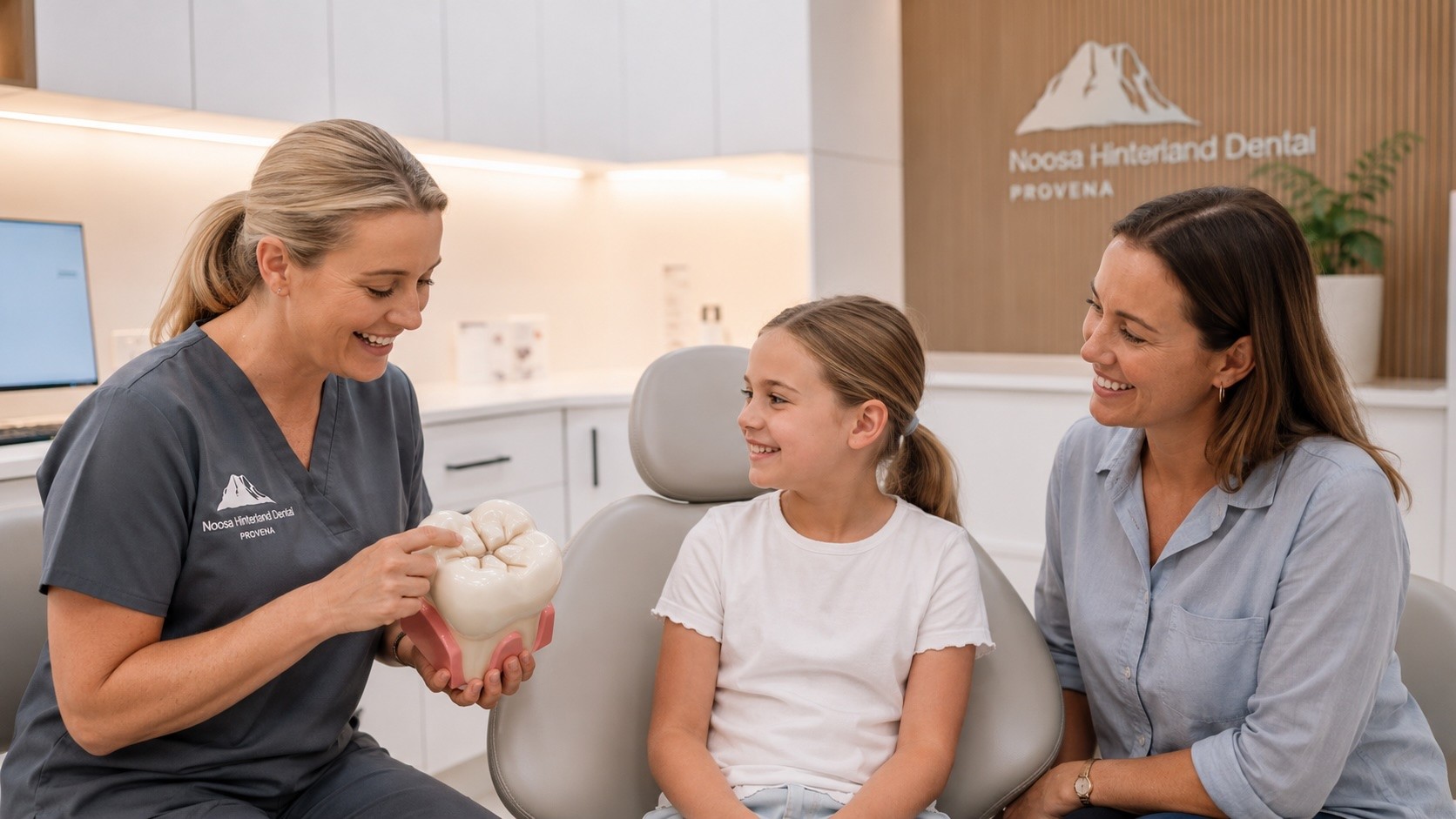
Emergency dental care for tourists in Pomona and the Noosa Hinterland usually starts with a phone call, a quick triage of your symptoms, and a visit to stabilise the tooth. For many chipped teeth this means contacting an emergency dentist Noosa visitors can reach in Pomona, having X-rays and an examination, then receiving a short-term or even definitive repair. At the Pomona clinic, staff note that you are a visitor, talk through your medical history and travel plans, and then focus on pain relief, tooth protection, and a realistic follow up plan. Children and anxious adults can access extra comfort measures such as calm explanations, longer appointments, and, where suitable, sedation, so the experience feels as relaxed as possible in the circumstances.
Contacting Noosa Hinterland Dental Pomona as a visitor
When you chip a tooth on holiday near Noosa, you can phone Noosa Hinterland Dental at 8 Memorial Avenue, Pomona family dentist QLD 4568. The clinic number is (07) 5485 5340 and you can also use the form on noosahinterlanddental.com.au to request a time. Try to call as soon as you can after the injury, and say that you are a visitor with a chipped or broken tooth. That information helps the team triage your needs and fit you in as soon as their schedule allows.
When you speak to reception, they may ask how and when the injury happened, how strong the pain is, and whether there is swelling or a bad taste. You will also be asked about medicines, allergies, pregnancy, medical conditions, and whether the patient is a child or feels very anxious. Bring identification, any health fund card, a list of medicines, previous dental X-rays if you have them, and any tooth fragments or loose crowns. These details help the Pomona team give safe care and itemised receipts and reports to share with your home dentist or insurer.
What happens during an emergency appointment in Pomona?
At your emergency appointment in Pomona you will first complete a short medical and dental history form, including how long you are staying in the area. The dentist or oral health therapist will then examine your chipped or broken tooth, the surrounding gums, and neighbouring teeth. Modern diagnostics such as low-dose digital radiography, bright light passed through the tooth, and careful bite tests help reveal hidden cracks or decay that are not obvious to the eye. Throughout this process, the team explains what they are doing in plain language and checks in regularly about your comfort.
The first goals are always to ease pain, protect the tooth, and reduce the chance of infection spreading. Depending on the damage, same-visit care might involve:
-
Smoothing rough edges
-
Placing tooth-coloured composite filling material
-
Repairing or replacing a broken filling
-
Placing a temporary or new ceramic crown
If the nerve of the tooth is affected, the dentist may start root canal treatment to clean infection from inside, or recommend extraction if the tooth cannot reasonably be saved. They will also explain what further work may be needed once you are home, such as stronger crowns, bridges, implants, or cosmetic dentistry, and can provide written notes for your regular dentist.
Which emergency treatments might you need for a chipped or broken tooth?
The treatment you need for a chipped or broken tooth ranges from simple smoothing through to fillings, crowns, root canal therapy, or removal and replacement. An emergency dentist Noosa visitors see in Pomona will base this choice on how much tooth is missing, whether the nerve is involved, and how long you are in the area. Children often need gentle repair of front tooth edges or monitoring of baby teeth, while adults may require longer lasting restorative work to protect heavily filled or cracked teeth. The next section compares the main options, from quick bonding to implants, so you can picture what might be suggested at your visit.
Comparing treatment options for chipped and cracked teeth
Different cracks and chips call for different types of repair, and your dentist will talk through the pros and cons of each. The simple comparison below links common situations with likely short-term care and possible longer-term options. This is a general guide only; your own treatment plan will depend on your teeth, health, and time in the Noosa Hinterland.
| Situation | Likely short term treatment | Possible longer term option |
|---|---|---|
| Small chip on front tooth | Smoothing rough edges and adding tooth-coloured composite bonding | Replacement bonding or a porcelain veneer later |
| Crack with pain on biting | Protective filling or temporary crown and, if needed, starting root canal treatment | Completion of full root canal therapy and a final crown |
| Broken or loose crown | Recementing your existing crown if suitable, or placing a temporary cover | New crown or another type of strong restoration with your home dentist |
| Unsalvageable fracture | Gentle extraction of the damaged tooth | Replacement with an implant, bridge, or denture once healing has occurred |
At the Pomona practice, dentists provide restorative care such as fillings, crowns, bridges, root canal therapy, and tooth replacement options using implants, bridges, and dentures, so most needs can be managed or at least stabilised on site. Many visitors choose a secure temporary fix locally, then complete final cosmetic work, such as veneers or implant crowns, with their usual dentist once back home. The team will write clear notes about what has been done and what is recommended next so nothing is lost in the handover.
Emergency care for children and anxious holiday‑makers
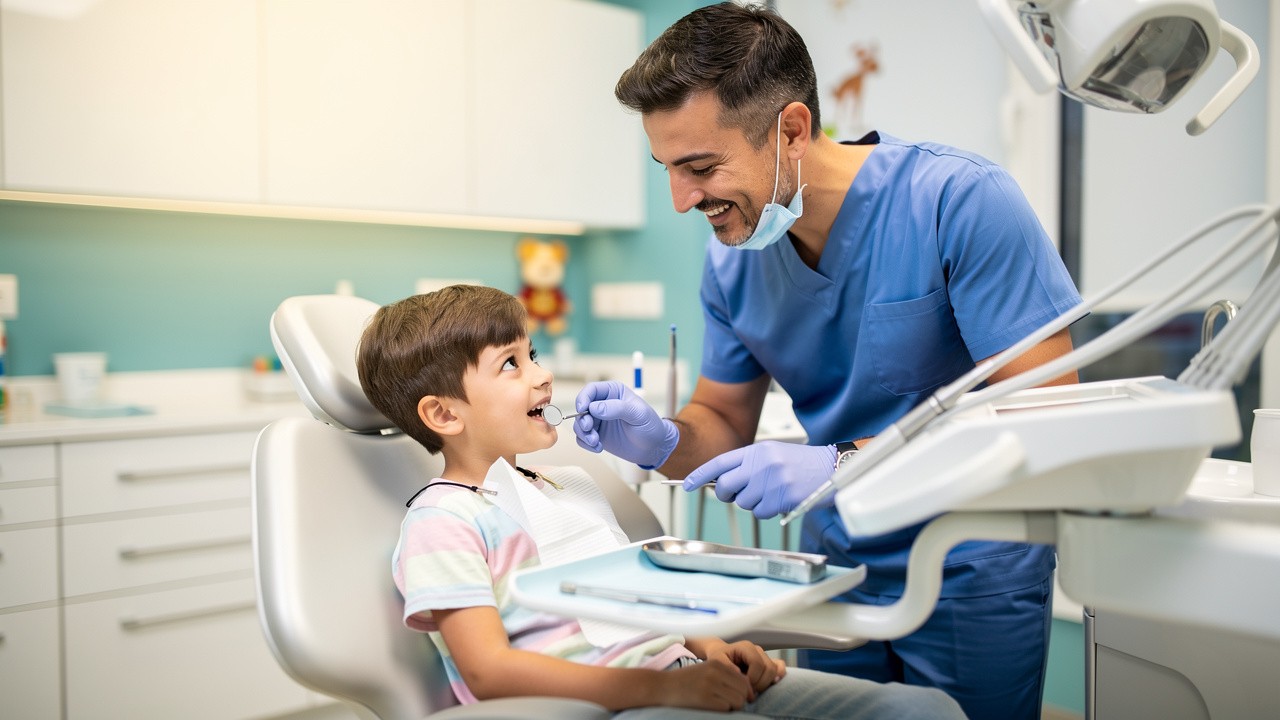
Children often chip or knock teeth while running, swimming, biking, or playing sport on holiday, and fast, gentle care can protect both baby and adult teeth. At the Pomona clinic, the team uses child-friendly language, calm explanations, and time to help kids look around so the room feels less strange before any work starts. For suitable children, light inhalation sedation, sometimes called happy gas, can make emergency treatment feel easier, and eligible families may be able to use the Child Dental Benefits Schedule (CDBS) bulk billing scheme, as described by Services Australia. The clinic also pays close attention to how the accident might affect the way the teeth and jaws develop over time and explains this clearly to parents.
Anxious adults and older teens are supported with unhurried explanations, distraction techniques, and pauses during treatment so they feel more in control. For some people, sedation dentistry services using oral medicines or IV sedation, combined with local anaesthetic, is offered after careful review of medical history and current medicines, consistent with guidance from organisations such as the Australian and New Zealand College of Anaesthetists on procedural sedation. These options can make it possible for an emergency dentist Noosa visitors rely on to complete urgent care that might otherwise feel overwhelming. You are encouraged to ask questions about what each medicine does and what supervision is provided so you can make informed choices.
How can Noosa visitors protect their teeth for the rest of their holiday and beyond?
After a chipped tooth has been checked or repaired, Noosa visitors can protect their teeth for the rest of the holiday by being gentle with the treated area, keeping it clean, and avoiding further knocks. An emergency dentist Noosa visitors see in Pomona will usually provide written after-care tips and suggestions to reduce the chance of another urgent visit during the same trip. In the longer term, regular check-ups, custom mouthguards for sport, and attention to grinding or clenching at home all lower the risk of repeat fractures. Turning a one-off mishap into a reminder to look after your mouth can leave you with stronger teeth and more relaxed future holidays.
Looking after a repaired or temporary tooth while travelling
Start by keeping the written or printed instructions from your Pomona dentist handy, either in your wallet or saved as a photo on your phone. Avoid very hard, sticky, or chewy foods on the treated side, such as:
-
Nuts and ice
-
Chewy lollies and some muesli bars
-
Tough meat or hard crusts
Do this until your dentist says things are stable. Brush twice daily as usual, but take extra care around any temporary filling or crown, and slide floss gently in and out rather than snapping it up so you do not pull the material loose. If you go hiking, boating, or off road, try not to use the treated teeth to tear open packets or bite fishing line, tasks that easily crack weak spots.
Mild tenderness after treatment is common, but pain that is getting worse, new swelling, or a broken temporary restoration are reasons to ring the clinic again. For swimmers and surfers, it pays to be careful with boards and body contact, and once you are home you may want a custom mouthguard for regular water or field sports. Keep all receipts, any X-rays, and written notes so your home dentist and, if relevant, your travel insurer can see exactly what was done and why. Sharing this information helps avoid repeated X-rays or guesswork when permanent repairs are planned later.
Preventing future dental injuries in the Noosa Hinterland and at home
Regular preventative dental care check-ups and X-rays help find weak fillings, early decay, and hairline cracks before they turn into sudden chips on holiday. Preventive care such as fluoride applications, fissure sealants for children, and custom mouthguards for contact sport can all reduce the chance of dental injuries, as suggested by the Australian Dental Association. If you live locally around Pomona, Cooroy, Cooran, or Kin Kin, setting up ongoing care with the same dentist who helped in your emergency can make future problems easier to spot early. Families can also ask about schemes such as the Child Dental Benefits Schedule, which may support regular visits for eligible children.
Grinding or clenching your teeth at night is a hidden cause of cracks, so your home or hinterland dentist may suggest a night guard if they see signs of wear. If you began treatment during your holiday, book a follow up with your regular dentist soon after you return so long-term repairs or upgrades, such as crowns or implants, can be planned in an organised way. Many locals first meet the Pomona team as an emergency dentist Noosa visitors turn to, then decide to keep seeing them for routine family care because they already know the staff and surroundings. Using the emergency as a starting point for better habits means less chance of rushed, painful surprises in future.
To sum up
A chipped tooth on holiday near Noosa feels stressful, but with the right steps it is usually very manageable. Stay calm, rinse gently, protect the tooth, and contact an emergency dentist Noosa visitors can reach in the Noosa Hinterland rather than waiting in pain or hoping the problem disappears. Knowing when a chip is a true emergency, when hospital is safer, and how to care for any temporary repair keeps you safer for the rest of your trip. Treating the break promptly also lowers the risk of infection, larger fractures, and more complex treatment later.
If you are staying in or around Pomona and need urgent help with a chipped or broken tooth, the team at Noosa Hinterland Dental is ready to offer calm, professional care. You can phone the Pomona clinic on (07) 5485 5340 or contact them through their website to arrange an emergency visit or discuss follow up after your holiday. Local families in Pomona, Cooroy, Cooran, Kin Kin, and nearby areas can also use the practice as their regular family dentist so that both urgent and routine care happen in a familiar place. Having a trusted dental home in the Noosa Hinterland means you can enjoy the region with one less thing to worry about.
Frequently asked questions
These common questions cover worries that often come up when someone chips a tooth while visiting the Noosa Hinterland. Each answer gives clear, practical guidance, but it does not replace advice from a dentist who has examined your mouth. If you remain unsure after reading, phone the Pomona clinic or your regular dentist so you can talk through your specific situation. Pain, swelling, or difficulty eating are always good reasons to seek direct professional help rather than waiting.
Can I wait until I get home to fix a chipped tooth from my Noosa holiday?
Waiting until you get home can let small cracks spread, decay start, or a nerve die, which often means more complex and costly work. A tiny chip with no pain may last a short time, but it should still be checked soon. If there is pain or a large break, arrange at least stabilising treatment locally.
What if I chip a tooth in Pomona but feel no pain at all?
A pain-free chip can still expose dentine, the softer layer under enamel, or weaken the tooth so a bigger piece snaps off later. Sharp edges can also cut your tongue or cheek. Booking a prompt check lets the dentist smooth and seal the area before it worsens.
How much does emergency dental treatment usually cost for visitors?
Costs vary widely, because smoothing a small chip is quite different from root canal treatment or extraction. The Australian Dental Association’s fee surveys show substantial fee ranges across Australia, and Queensland averages can differ from other states. Before starting care, the dentist will explain options and give a written plan with item numbers and estimated fees. You can then check any health fund or travel insurance benefits against your own policy.
Can travel insurance help with a chipped tooth or dental injury on holiday?
Some travel insurance policies cover urgent dental treatment for pain relief, while others exclude dental care or set low limits. The only way to know is to read your policy or call the insurer, as groups such as CHOICE frequently remind travellers. The Pomona clinic can give detailed receipts and clinical notes, but it cannot confirm whether your claim will be paid.
What should I tell my regular dentist after an emergency visit in Pomona?
Tell your regular dentist when and how the injury happened, what treatment was done, and whether any teeth still feel sore or strange. Share any X-rays, notes, and recommendations from the Pomona visit. This information helps your home dentist plan permanent repairs and future monitoring.
Is it safe to fly after emergency dental treatment near Noosa?
Flying is usually fine after simple smoothing or small fillings, but pressure changes can worsen pain if infection or major surgery is involved. Ask the Pomona dentist directly, because advice depends on your exact treatment, medicines, and general health. Where you can, allow a small time buffer after bigger procedures.
How can I book an emergency dentist near Noosa Hinterland quickly?
If you chip or break a tooth while staying near Pomona or the wider Noosa Hinterland, call the clinic on (07) 5485 5340 as soon as you can. Explain that you are a visitor with a chipped or painful tooth, describe your symptoms, and ask what to do next. You can also submit an enquiry through noosahinterlanddental.com.au, but phoning is usually the fastest way to get personal advice and arrange an appointment time.
Tip: Keep the clinic’s number saved in your phone and your travel insurance details in your wallet before you head out for activities. Having contacts ready makes it easier to act quickly if a dental emergency happens.