Night-time teeth grinding, or sleep bruxism, is when your jaw muscles clench or grind your teeth while you are asleep, without you realising. It is usually linked with stress, sleep disturbances, certain medications and lifestyle factors. Dentists manage it by protecting your teeth with custom night guards, restoring any damage and helping to calm stress and sleep triggers.
Introduction
This introduction to teeth grinding explains why clenching or grinding in your sleep needs attention rather than alarm. Teeth grinding, also called bruxism, is involuntary clenching, grinding or gnashing of the teeth. It often happens during sleep, so many people never notice it. A partner, parent or dentist is often the first to pick it up.
For families in Pomona, Cooroy, Cooran, Kin Kin, Federal, Black Mountain and across the Noosa Hinterland, sleep bruxism can cause worn teeth, headaches and sore jaws. The Sleep Health Foundation estimates that around 5 percent of adults grind often enough to risk damage (Sleep Health Foundation). Children also grind, especially during growth phases.
The good news is that early, gentle care usually protects teeth and eases symptoms. In this article you will see how to spot bruxism symptoms, what causes teeth grinding, how dentists diagnose it, and which night guard and treatment options Noosa Hinterland Dental offers to help protect your smile.
Key Takeaways
-
What Bruxism Is And Why It Matters
Bruxism means involuntary teeth grinding or jaw clenching while awake or asleep. It can wear down teeth, strain jaw joints and disturb sleep for you and your partner. Picking it up early often means simpler, more comfortable care. -
Common Signs And Symptoms To Watch For
Warning signs include morning headaches, jaw pain, tooth sensitivity and noisy grinding at night. Your dentist may see flattened or chipped teeth, tongue scalloping and jaw muscle tenderness. Children may complain of sore jaws or disturbed sleep. -
Main Causes And Risk Factors
Tooth grinding usually reflects a mix of stress, disturbed sleep, certain medications and lifestyle habits such as caffeine and alcohol. Snoring or obstructive sleep apnoea can also be linked. A “bad bite” on its own is rarely the only reason. -
How Dentists Diagnose Teeth Grinding
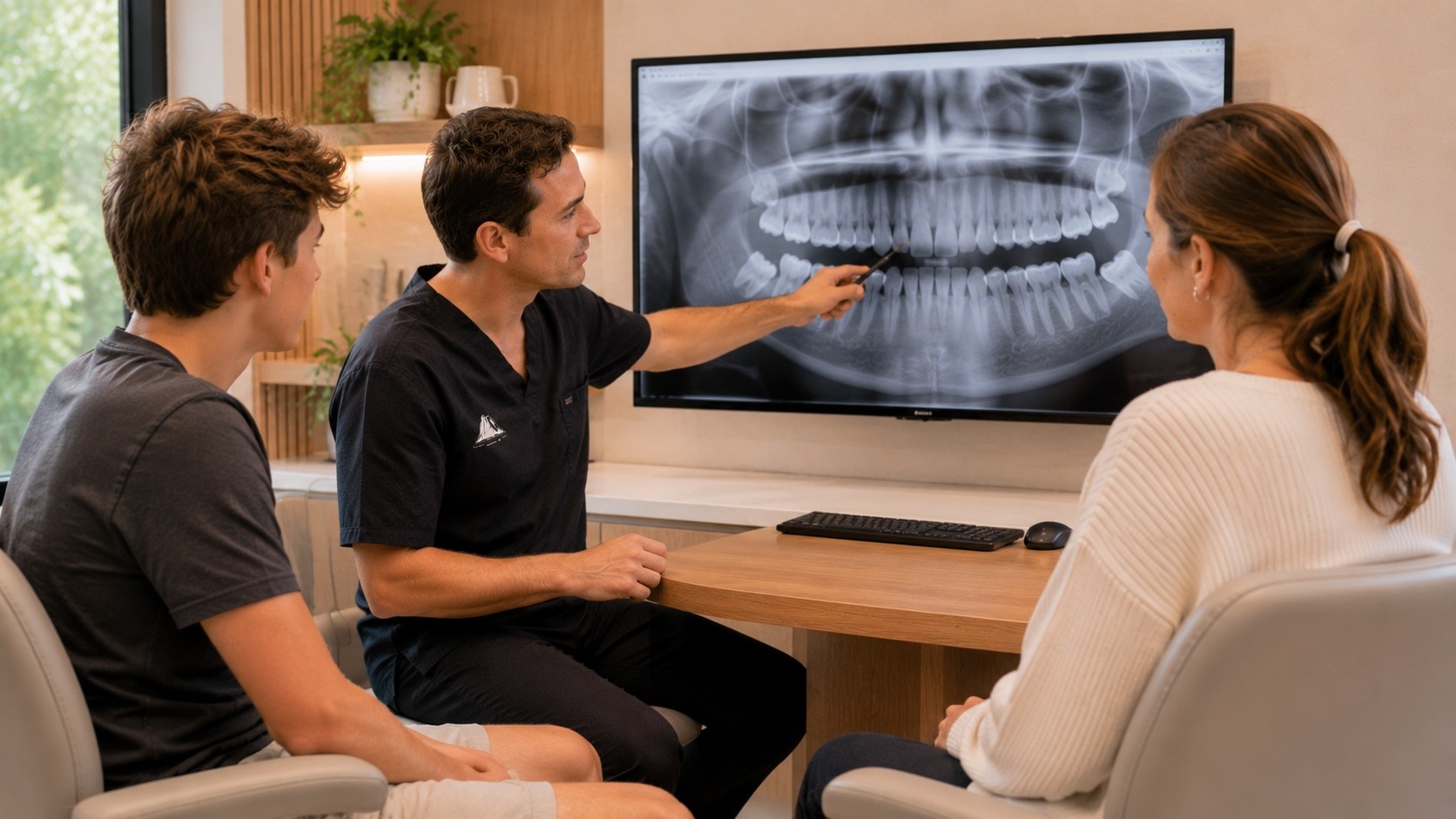
Diagnosis involves a careful chat about your symptoms, followed by a mouth, jaw and bite examination. Dentists may use digital X-rays or CBCT scans to study worn or cracked teeth. These findings guide a realistic plan, from simple night guards to more involved restorative care. -
Night Guard Options And Other Treatments
Custom night guards are a frontline way to shield teeth and dental work from grinding forces. Dentists can also repair worn or cracked teeth and support jaw joints and muscles. At Noosa Hinterland Dental, this may include comprehensive dental examinations, TMJ assessment, treatment for worn teeth and, when needed, full mouth rehabilitation.
What Is Teeth Grinding (Bruxism) And Why Does It Matter?
Teeth grinding, or bruxism, describes repeated clenching, grinding or gnashing of the teeth without conscious control. It can happen during the day, but sleep bruxism at night is more common and usually noisier. Frequent bruxism can damage teeth, jaw joints and surrounding muscles (Mayo Clinic).
Many people in the Sunshine Coast region only discover they grind when a partner hears it or a dentist notices unusual wear. Without protection, the habit can:
-
Shorten and flatten teeth
-
Crack fillings, crowns and veneers
-
Stress bridges and dental implants
-
Make future dental work harder and more costly to maintain
For adults thinking about veneers, crowns or implants, undiagnosed bruxism can shorten the life of this work and raise long term costs. Assessing tooth grinding before major restorative dentistry is an important step.
For children in the Noosa Hinterland, grinding is often part of growth and tooth eruption, yet loud grinding or morning jaw pain still deserves a check. Understanding what is happening in the mouth helps parents feel calmer and lets the dental team plan gentle monitoring or treatment where needed.
“If you hear regular grinding at night, it is worth a conversation with your dentist, even if there is no pain yet.” – Dr-based clinical advice
Types Of Teeth Grinding: Awake Vs Sleep Bruxism
Types of teeth grinding include awake bruxism and sleep bruxism.
Awake bruxism:
-
Usually appears as jaw clenching rather than noisy grinding
-
Often happens during stress, driving, computer work or study
-
May present as teeth held together for long periods instead of resting slightly apart
Sleep bruxism:
-
Occurs during lighter sleep stages
-
Is classed as a sleep-related movement disorder, and research on the Association of Bruxism with sleep disorders confirms its strong links to disrupted sleep stages and dreaming patterns.
-
Often involves side-to-side grinding movements that partners or parents can hear from another room
-
Happens without control over force or frequency
Clenching means holding the teeth tightly together without much movement, while grinding involves sliding the teeth across each other. Both can overload teeth and jaw joints.
In households across Pomona, Cooroy and Cooran, children or partners who sleep nearby are often the first to notice these sounds of night-time teeth grinding.
Short And Long Term Effects Of Untreated Teeth Grinding
Short and long term effects of untreated bruxism range from mild sensitivity through to major tooth wear and jaw problems.
Short term you might notice:
-
Morning jaw stiffness or “tight cheeks”
-
Tired facial muscles
-
Headaches around the temples
-
Teeth that feel tender or sensitive to hot, cold or sweet foods
Over time, repeated teeth grinding can lead to:
-
Flattened, shortened biting edges that give teeth a squarer, aged look
-
Small chips and hairline cracks without any clear injury
-
Fractured fillings, crowns or veneers under heavy forces
-
Exposed dentine, causing ongoing tooth sensitivity
Research on the Relationship between bite force, bruxism, and fractures of teeth and dental restorations confirms that severe grinding significantly increases the risk of cracked teeth and broken restorations.
Jaw joints and muscles can also suffer. Ongoing strain may lead to:
-
Temporomandibular joint (TMJ) symptoms such as clicking, locking or limited opening
-
Facial muscle fatigue and aching
-
Restless sleep for both the grinder and their partner
-
Daytime effects such as lower mood, poor concentration and fatigue
What Are The Common Signs And Symptoms Of Bruxism?
Common signs and symptoms of bruxism include morning headaches, jaw or ear area pain, tooth sensitivity and disturbed sleep. Many people also notice chipped teeth or loose-feeling teeth without any clear accident. These clues often appear before major damage has occurred.
Some signs are obvious at home, while others are subtle changes your dentist picks up during a check up. At Noosa Hinterland Dental, the team looks closely at:
-
Wear patterns on teeth
-
Jaw movement and TMJ function
-
Muscle tenderness and fatigue
-
Soft tissue changes to tongue and cheeks
Together, your description and the clinical findings help confirm whether teeth grinding is part of the picture.
Symptoms You May Notice At Home
Symptoms of bruxism you may notice at home typically involve pain, stiffness or unusual noises at night. Common at-home clues include:
-
Morning headaches around the temples or behind the eyes, often easing as the day goes on
-
Tightness or fatigue in the cheeks or jaw, especially on waking
-
Difficulty chewing breakfast or harder foods first thing in the morning
Jaw or ear area discomfort is another frequent clue. You may notice:
-
Soreness in front of the ear when you yawn, talk or eat
-
An ache that feels like an earache, even though your ears test normal
Teeth may:
-
Ache on waking
-
Feel strangely sensitive to cold water or air
-
Feel as if they are loose, even though they are still secure
Partners often report scraping or crunching sounds during sleep that can be loud and repetitive. In children, parents around the Noosa Hinterland notice noisy tooth grinding from the next bedroom, along with occasional morning jaw complaints or unsettled sleep.
What Your Dentist Looks For: Signs Of Teeth Grinding
Signs of teeth grinding your dentist looks for include patterns of wear and stress that differ from everyday chewing. During a comprehensive dental examination, your dentist may see:
-
Flattened biting surfaces and shiny wear facets, which the Association Between Occlusal Wear facets study identifies as key undiagnosed bruxism indicators in adult dental patients.
-
Shortened or squared-off tooth edges that do not match your age
-
Thinning enamel, exposing the yellower dentine underneath
Cracks, chips and broken dental work are also telling. Your dentist may see:
-
Fine craze lines in enamel
-
Chipped corners on front teeth
-
Fractured fillings, crowns or veneers without a history of trauma
-
Overloaded or chipped implant crowns
Soft tissue and jaw changes add to the picture, such as:
-
Tongue scalloping
-
Cheek ridges where the teeth press repeatedly
-
Gumline notches related to flexing forces
The TMJ and chewing muscles may feel tender, click, or open only partway. At Noosa Hinterland Dental, the team also rules out other causes of wear such as acid erosion or aggressive brushing, so bruxism treatment targets the real cause.
What Causes Teeth Grinding And Who Is At Risk?
Causes of teeth grinding usually involve several overlapping factors rather than a single problem. Stress, disturbed sleep, certain medications, lifestyle habits and medical conditions can all play a role. A misaligned bite on its own is rarely the only explanation, although it can change how forces spread across teeth.
People of all ages can grind, from young children through to older adults. According to the Global Prevalence of Sleep bruxism systematic review and meta-analysis, around 8 to 15 percent of adults show sleep bruxism on a regular basis. Rates in children are even higher during active growth phases.
Understanding which triggers apply in your situation helps your dentist build a practical plan. At Noosa Hinterland Dental this might involve:
-
Custom night guards
-
TMJ assessment
-
Restorative dentistry or treatment for worn teeth
-
Advice on daily habits
-
Support from your GP, psychologist, physiotherapist or a sleep physician where needed
Stress, Anxiety, Medications And Lifestyle Factors
Stress and anxiety are among the strongest links with bruxism in everyday life. People often notice more jaw clenching during:
-
Busy work periods
-
Family strain or caring responsibilities
-
Exams and study pressure
-
Major life changes such as moving house or relationship changes
Children may grind more when:
-
School becomes stressful
-
Routines at home are unsettled
-
They are worried but find it hard to talk about it
Some antidepressants and antipsychotic medications can increase jaw muscle activity in a small number of patients, and Associations between self-reported possible sleep bruxism research further highlights links between health-related quality of life, dental anxiety, and bruxism in individuals under chronic stress. If you suspect a medicine is linked to new teeth grinding, never stop it suddenly. Instead, speak with your GP so any changes are safe and well planned.
Lifestyle habits can increase risk too:
-
Caffeine: Regular heavy intake, especially later in the day, can leave jaw muscles more active at night.
-
Alcohol: Drinking close to bedtime fragments sleep and increases muscle bursts.
-
Smoking and vaping: Add extra stimulation to the nervous system.
-
Recreational stimulants (for example, amphetamines): Push jaw muscles very hard and are a known risk for severe tooth grinding.
Sleep Disorders, Bite Issues And Medical Conditions
Sleep disorders such as snoring and obstructive sleep apnoea often exist alongside sleep bruxism. Repeated brief awakenings and drops in oxygen can trigger jaw movements as the body tries to reopen the airway. People with obstructive sleep apnoea have higher rates of sleep bruxism than the general population, a pattern also reflected in research on the Association of Bruxism with sleep disorders, which documents the interplay between bruxism and disrupted sleep architecture.
Red flags for a sleep disorder include:
-
Loud, regular snoring
-
Pauses in breathing witnessed by a partner
-
Gasping or choking at night
-
Daytime sleepiness despite a full night in bed
In these cases, dentists in Pomona and Cooroy, including Noosa Hinterland Dental, often suggest a GP review and possible sleep study. Treating sleep apnoea can improve overall health and sometimes reduce grinding episodes.
Jaw alignment, missing teeth and poorly fitting restorations can concentrate forces on certain teeth. They do not usually create bruxism from scratch, but they can speed up damage once grinding is present.
Medical and neurological conditions such as cerebral palsy and ADHD are linked with higher bruxism rates in children, so kids with these conditions benefit from regular dental monitoring.
How Do Dentists Diagnose And Assess Teeth Grinding?
Dentists diagnose and assess teeth grinding by combining your story with a detailed mouth and jaw examination. They look at symptoms such as jaw pain, headaches, tooth sensitivity and broken fillings, then match these with visible changes on teeth and soft tissues. In some cases, imaging helps reveal cracks or changes in the jaw joints.
At Noosa Hinterland Dental, appointments for bruxism are unhurried and calm, which helps anxious patients share what they feel. This careful approach reduces the chance that important details are missed and allows the team to explain findings clearly so you can make informed choices.
Comprehensive Examination And TMJ Assessment At Noosa Hinterland Dental
A comprehensive bruxism assessment at Noosa Hinterland Dental starts with a relaxed conversation. Your dentist will ask about:
-
Symptoms such as jaw pain, headaches and tooth sensitivity
-
Sleep habits and partner observations about night-time teeth grinding
-
Daytime clenching at work, driving or studying
-
Caffeine, alcohol and smoking habits
-
Medical history and current medications
Next comes a thorough mouth and jaw examination. The team checks for:
-
Tooth wear, chips, cracks and loose teeth
-
Stressed or fractured restorations
-
Tongue and cheek changes such as scalloping or ridges
-
Signs of gum recession or notching at the neck of the teeth
They gently feel the jaw muscles and TMJs, listening for clicks or grating and noting any restricted opening or movement as part of a structured TMJ assessment.
Digital X-rays and, where appropriate, 3D CBCT scans are used to assess:
-
Cracks extending into roots
-
Bone support around teeth and implants
-
Joint structures and any obvious changes
Photos or digital scans are often taken so you can see the same wear patterns your dentist sees. For nervous adults and children, tell–show–do techniques, happy gas and other sedation options are available to make the visit more comfortable.
When Do You Need Further Tests Or Referrals?
Further tests or referrals are recommended when teeth grinding appears linked with broader health issues. You may need extra assessment if you have:
-
Loud snoring, choking at night or pauses in breathing
-
Unrefreshed sleep or severe daytime sleepiness
-
Bruxism that began soon after starting a new medicine
-
Jaw pain that does not settle or is linked with neck and posture problems
In these cases, your dentist may:
-
Write to your GP or a sleep physician to arrange a formal sleep study
-
Suggest GP input when medications might be adding to bruxism or when pain needs short term medical management
-
Refer to physiotherapists with TMJ experience for jaw, neck and posture related muscle tension
-
Recommend psychologists to support patients who live with high stress, anxiety, trauma or sleep difficulties that add to grinding
For families across the Noosa Hinterland and wider Sunshine Coast, this team-based care means dental, medical and emotional factors are addressed together. Noosa Hinterland Dental works with local health professionals so your plan feels coordinated rather than fragmented.
What Are Your Night Guard And Treatment Options For Teeth Grinding?
Night guard and treatment options for teeth grinding aim to protect teeth, calm painful muscles and support long term oral health. The most common dental tool is a custom night guard that fits over the teeth and absorbs grinding forces during sleep. Repairing any existing wear or fractures is also important so function and appearance are restored.
At Noosa Hinterland Dental, treatment plans are based on your symptoms, the amount of wear and your general health. Some people need only a protective splint and simple lifestyle changes. Others, especially those with severely worn or collapsed teeth, may need restorative dentistry or full mouth rehabilitation with crowns, veneers, implants and bite correction, often combined with jaw care and stress support.
Custom Night Guards Vs Chemist Mouthguards: What’s The Difference?
Custom night guards and chemist mouthguards both sit over the teeth, but they differ a lot in fit and protection.
A custom-made night guard for bruxism:
-
Is made from dental impressions or digital scans taken at the clinic
-
Is built by a dental laboratory to match your bite closely
-
Spreads forces evenly across the teeth
-
Feels more secure and less bulky
-
Is usually thinner where it can be and thicker where protection is needed
This design makes speaking and breathing easier, and is important if you have crowns, veneers or implants to protect. The Australian Dental Association advises that custom made mouthguards offer better protection than over-the-counter versions for contact sports, and the same thinking applies to night-time bruxism appliances (Australian Dental Association).
Boil-and-bite chemist guards are cheaper upfront but often:
-
Feel bulky, loose or uncomfortable
-
Disturb sleep or fall out at night
-
Wear quickly under heavy grinding
-
May alter the way your teeth meet over time
At Noosa Hinterland Dental, your dentist not only prescribes and fits your guard, but also reviews it regularly and adjusts it as teeth or dental work change.
Comparison Table: Custom Night Guard Vs Over-The-Counter Guard
| Feature | Custom Night Guard | Over-The-Counter Guard |
|---|---|---|
| Fit And Comfort | Individually fitted, secure and less bulky | Generic shape, often loose or uncomfortable |
| Protection Level | Designed to spread grinding forces and protect restorations | Variable protection, may not cover teeth evenly |
| Impact On Breathing And Speech | Thinner where possible, easier to breathe and talk | Bulkier, can feel awkward for speech and breathing |
| Durability And Lifespan | Strong material, often lasts several years with normal use | Softer plastic, wears or deforms more quickly |
| Suitability For Heavy Grinders And Restorations | Suitable for strong grinders and people with crowns or implants | May not cope well with heavy grinding forces |
| Professional Oversight And Adjustments | Planned, fitted and reviewed by your dentist | No professional review or bite adjustment |
Beyond Night Guards: Dental Treatments And Self Care For Bruxism
Dental treatments beyond night guards focus on fixing existing damage and supporting the jaw system. Options may include:
-
Composite bonding to rebuild small chips and worn edges
-
Onlays and crowns to restore cracked or heavily worn teeth
-
Veneers to restore appearance where front teeth have shortened
-
Full mouth rehabilitation where many teeth are worn, helping restore height, comfort and a natural looking smile
Jaw joints and muscles may need care too. Helpful strategies include:
-
Short term soft diets
-
Warm compresses over the jaw
-
Gentle stretches and posture advice from a physiotherapist
-
Short courses of pain relief or anti-inflammatory medicines under GP guidance
Self care remains important. Stress management, relaxation exercises, better sleep routines and limiting caffeine and alcohol in the evening all help reduce strain on the system, as outlined in the Management of awake bruxism: systematic review, which identifies behavioural and lifestyle strategies as first-line interventions.
For anxious patients, sedation options at Noosa Hinterland Dental allow larger treatment plans, such as multiple crowns or implants, to be completed with much less stress.
How Can You Help Prevent Teeth Grinding From Getting Worse?
You can help prevent teeth grinding from getting worse by combining simple daily habits with regular dental care. Small changes reduce strain on teeth and jaw joints, while early checks pick up wear before it becomes severe. This shared approach is more realistic than expecting the grinding to vanish overnight.
For families in Pomona, Cooroy, Cooran, Kin Kin, Federal and Black Mountain, building these habits into everyday life is very achievable. Regular visits to a family friendly clinic like Noosa Hinterland Dental allow the team to watch changes over time.
The Australian Institute of Health and Welfare reports that children who attend regular dental check ups have fewer decayed, missing or filled teeth (Australian Institute of Health and Welfare), which supports the value of early review for issues like bruxism.
Practical Home Strategies For Adults And Children
Practical home strategies for adults and children aim to keep jaw muscles relaxed and reduce night-time triggers.
Daytime relaxation tips:
-
Use the reminder “lips together, teeth apart”
-
When you notice clenching, gently relax your jaw
-
Rest your tongue lightly behind your top front teeth
-
Let your teeth separate slightly so the jaw muscles can relax
Comfort measures:
-
Warm compresses over the cheeks before bed to soothe tight muscles
-
Gentle jaw stretches taught by your dentist or physiotherapist
-
Avoid chewing on pens, ice or fingernails
-
Limit gum chewing, which keeps muscles working harder than needed
Sleep-friendly routines:
-
Reduce screens in the hour before bed
-
Avoid large late meals
-
Limit caffeine and alcohol in the evening
-
Aim for regular bed and wake times
For children, calm bedtime rituals, stories and reassurance about school or home worries can decrease both sleep bruxism and bedtime battles.
When Should You See A Dentist About Teeth Grinding?
You should see a dentist about teeth grinding when symptoms are frequent or teeth show unexplained changes. Book a professional assessment if you notice:
-
Morning jaw pain, tight cheeks or tension headaches that last more than a week
-
Tooth sensitivity or aching teeth without an obvious cause
-
Chipped, cracked, loose or visibly worn teeth without a clear accident
-
Regular grinding noises reported by a partner
-
A child who wakes tired, sore or has noisy grinding and snoring
-
TMJ symptoms such as clicking, locking or limited opening of the mouth
Local residents in Pomona, Cooroy, Cooran, Kin Kin, Federal, Black Mountain and across the Noosa Hinterland are welcome to contact Noosa Hinterland Dental for a thorough bruxism assessment, digital imaging where needed, and a clear explanation of options.
Myth Vs Fact: Common Misconceptions About Teeth Grinding
Myths about teeth grinding often delay people from seeking help or lead them toward poor quality mouthguards. Some believe it is only a harmless noise, while others fear that every child who grinds faces serious damage. Clarifying these points helps families make calm, informed choices.
Bruxism is common and manageable with sensible care. By separating myths from facts, patients in the Sunshine Coast region can protect their teeth, improve comfort and choose treatments that truly help.
Debunking Everyday Myths About Bruxism
-
Myth My child’s grinding is always dangerous.
Fact Mild grinding in young children with baby teeth is very common and often passes as they grow. It is still wise to mention it during check ups so the dentist can monitor wear and jaw growth. Loud grinding with pain, chipped teeth or snoring needs earlier review. -
Myth If I wear a night guard, I have cured the grinding.
Fact A night guard protects teeth and dental work, but the muscles may still activate in your sleep. Think of it as a helmet for your teeth, not a switch that turns bruxism off. Combining a guard with stress, sleep and lifestyle care brings the best results. -
Myth Only people with a bad bite grind their teeth.
Fact Many people with straight teeth grind, while some with crooked teeth do not. Stress, sleep disturbances, certain medications and stimulants often play a larger role than tooth position. Bite issues can influence how fast damage appears, so they are still part of the assessment. -
Myth Teeth grinding is harmless noise.
Fact Light, occasional grinding may never cause trouble, but frequent strong tooth grinding can wear teeth down and crack fillings, crowns or implants. It can also trigger jaw pain and tension headaches. A simple check at a clinic like Noosa Hinterland Dental shows whether your grinding is mild or more serious. -
Myth I am too anxious to cope with treatment for grinding.
Fact Modern dental care for bruxism is gentle and flexible. Clinics in the Noosa Hinterland, including Noosa Hinterland Dental, offer calm communication, pauses, happy gas and other sedation options. This lets even very nervous patients complete night guard fittings or full mouth rehabilitation at a pace that feels safe.
To Sum Up
Teeth grinding, or bruxism, is an involuntary habit where the jaw muscles clench or grind the teeth, often during sleep. It affects children and adults across Pomona, Cooroy, Cooran, Kin Kin, Federal, Black Mountain and the wider Sunshine Coast. Left unaddressed, it can lead to worn teeth, fractures, TMJ pain, muscle fatigue, headaches, tooth sensitivity and disturbed sleep.
The key is early recognition and calm, practical management. Custom night guards, careful diagnosis, digital imaging, TMJ assessment and, when needed, restorative dentistry or full mouth rehabilitation all help protect teeth and jaw joints. Support for stress, sleep quality, medications, caffeine and alcohol intake and other lifestyle habits adds another layer of benefit.
Noosa Hinterland Dental in Pomona combines family friendly care with modern diagnostic tools and a full range of treatments, from comprehensive dental examinations and custom night guards through to treatment for worn teeth and full mouth rehabilitation.
If you or your child notice signs of teeth grinding or jaw clenching, booking a comprehensive examination with Noosa Hinterland Dental is a positive first step toward long term comfort and protection.
Ready to Protect Your Teeth from Night-Time Grinding?
If you’re waking with jaw pain, morning headaches, worn teeth or a partner has noticed you grinding your teeth while you sleep, early treatment can prevent long-term damage and relieve uncomfortable symptoms. A personalised assessment can identify the underlying causes and the most effective treatment options.
Book an Appointment with Noosa Hinterland Dental for a comprehensive teeth grinding and TMJ assessment, including a detailed examination of your teeth, jaw joints, bite and oral health, followed by a customised treatment plan.
Want to understand your options before starting treatment? Learn More about custom night guards, TMJ management, restorative dentistry, treatment for worn or cracked teeth, full mouth rehabilitation and evidence-based solutions for sleep bruxism.
Have questions about teeth grinding, jaw pain, night guards, treatment costs, private health rebates or whether sleep apnoea could be contributing to your symptoms? Contact Us Today and our friendly team will answer your questions and help you choose the most appropriate care.
Take the first step towards more comfortable sleep and long-term protection for your smile. Book Online Now and discover how Noosa Hinterland Dental helps patients throughout Pomona, Cooroy, Cooran, Kin Kin, Federal, Black Mountain and the wider Noosa Hinterland manage teeth grinding with gentle, evidence-based dental care.
Frequently Asked Questions
Question: How Do I Know If My Night-Time Teeth Grinding Is Serious Enough To Need Treatment?
If grinding happens often or causes symptoms, it is serious enough to assess. Regular morning headaches, jaw pain, tooth sensitivity or chipped teeth suggest your teeth and joints are under stress. Even if you are unsure, a check up at Noosa Hinterland Dental can clarify the situation and outline simple protective options such as custom night guards and monitoring.
Question: Can Teeth Grinding Really Cause Headaches And Jaw Pain?
Yes, teeth grinding can cause headaches and jaw pain. Overworked jaw muscles and strained TMJs often lead to tension headaches around the temples, especially on waking. Sore cheeks, joint tenderness and difficulty chewing harder foods are also common. A custom night guard, TMJ assessment and jaw care plan can reduce these symptoms, alongside review by your dentist or GP if pain persists.
Question: Is Teeth Grinding In Children Normal Or Should I Be Worried?
Occasional teeth grinding in children, especially during tooth eruption and growth, is common and often not harmful. Monitoring and reassurance are usually enough when there is no pain or tooth damage. You should be more alert if your child has chipped teeth, frequent pain, disturbed sleep or loud snoring. A gentle children’s check up at Noosa Hinterland Dental can guide you and provide tailored advice.
Question: Will A Dental Night Guard Stop Me Grinding My Teeth Altogether?
A dental night guard usually does not stop sleep bruxism altogether, but it protects your teeth and joints from damage. The muscles may still clench, yet forces are spread across the guard instead of hitting enamel and restorations. Many people notice less muscle fatigue and fewer fractures. Best results come when a guard is combined with stress and sleep strategies and regular reviews.
Question: Can My Teeth Grinding Damage Crowns, Veneers Or Implants?
Yes, strong tooth grinding can damage crowns, veneers and implants. Heavy forces may chip porcelain, loosen implant components or stress screws and connectors. That is why dentists plan crowns, veneers and implants with bruxism in mind and often recommend a custom night guard. At Noosa Hinterland Dental, bruxism risk is always considered before cosmetic or restorative work.
Question: Are There Any Home Remedies That Actually Help With Bruxism?
Home remedies cannot replace professional care, but some do help. Jaw relaxation exercises, warm compresses, avoiding very hard foods and building a calm bedtime routine can all reduce strain. Managing stress through exercise, breathing exercises or counselling also helps. DIY bite guards or online splints are less reliable, so a professionally made night guard remains the safest protection for your teeth.
Question: How Long Does A Custom Night Guard Last And How Do I Look After It?
A custom night guard often lasts several years, though heavy grinders may wear through sooner. Rinse it after each use, brush it gently with a soft toothbrush and mild soap, and store it in a ventilated case away from heat and pets. Bring it to regular check ups at Noosa Hinterland Dental so the team can inspect and adjust it, and replace it when fit or wear changes.
Question: When Should I See A Professional Instead Of Just Watching And Waiting?
You should seek a professional assessment if symptoms have lasted more than one to two weeks, if you notice new fractures or wear, or if a partner reports frequent night-time teeth grinding. You should also book promptly if there is jaw locking, limited opening, strong TMJ pain, or signs of sleep apnoea such as loud snoring and gasping. A comprehensive examination at Noosa Hinterland Dental will help you understand what is happening and what treatment, if any, is recommended.