Pregnancy and oral health are closely linked, and regular dental care is usually safe while you are expecting. Visiting a dentist during pregnancy helps control gum inflammation, tooth decay and infection, which supports both your comfort and your baby’s wellbeing. Routine check ups, gentle cleans, fillings and emergency treatment can be safely planned around your trimester and medical history.
Pregnancy hormones, morning sickness and snacking can all irritate gums and teeth, yet most problems respond well to early advice and calm care. According to the Australian Dental Association, preventive dental visits remain important during pregnancy because untreated dental disease can worsen quite quickly.
At Noosa Hinterland Dental in Pomona, mums-to-be from Cooroy, Cooran, Kin Kin, Federal, Black Mountain and across the wider Noosa Hinterland receive gentle, pregnancy-aware care. This guide explains how pregnancy affects the mouth, which dental treatments are safe, simple daily habits that protect gums and enamel, and how your teeth now can influence your child’s future smile.
“Looking after your mouth during pregnancy is part of looking after your whole body – and your baby.” – Dr Kirsten Ray, Principal Dentist, Noosa Hinterland Dental

Key Takeaways
-
How Pregnancy Changes Your Mouth
Hormonal shifts increase blood flow to gums and alter immunity, which can lead to pregnancy gingivitis, bleeding gums and small gum growths. These changes are very common, yet they usually respond well to careful cleaning and regular monitoring with a friendly dentist. -
What Dental Care Is Safe When You Are Expecting
Routine check ups, scale and cleans, fillings and gum treatment are usually safe at any stage, especially in the second trimester. Emergency care for pain or infection should not be delayed, since infection places more strain on the body than well planned dental treatment. -
Everyday Habits To Protect Teeth And Gums
Twice-daily brushing with fluoride toothpaste, daily interdental cleaning and alcohol free mouthrinses help control plaque and sensitivity. Small diet shifts, such as limiting sugary grazing and sipping water often, give teeth a better chance to stay strong during pregnancy. -
When To Call The Dentist Straight Away
Worsening toothache, facial swelling, heavy gum bleeding, lumps, trauma or signs of infection like fever all need prompt attention. Pregnancy is not a time to “wait and see”, and Noosa Hinterland Dental offers same day emergency care where possible. -
How Noosa Hinterland Dental Supports Your Family
The Pomona team offers prenatal check ups, EMS Spa gum care, preventive hygiene visits and gentle restorative work as part of their preventative dentistry and family dental care. After birth, the same clinic can guide baby and child teeth care, making one calm, local practice a long term home for your family’s oral health.
How Does Pregnancy Affect Your Teeth And Gums?
Pregnancy affects teeth and gums by changing how your mouth reacts to plaque, hormones and everyday habits. Gums tend to inflame more easily and enamel faces extra acid and sugar. These shifts explain why pregnancy gingivitis, bleeding gums and enamel erosion are so common.
During pregnancy, oestrogen and progesterone rise sharply, which affects blood vessels and the immune response in gum tissue. Morning sickness and reflux expose teeth to strong stomach acid, while cravings and fatigue can lead to more snacking and less thorough brushing. Research summarised by the American Academy of Periodontology suggests that around 60 to 75 percent of pregnant people experience some level of gingivitis, so you are far from alone.
Noosa Hinterland Dental often sees previously healthy gums start to bleed or feel puffy once pregnancy begins. The good news is that with:
-
gentle professional cleaning
-
clear home-care advice
-
regular reviews
these problems are usually very manageable for mums across the Noosa Hinterland.
Hormonal Changes, Gums And Pregnancy Gingivitis
Hormonal changes in pregnancy make gum tissue more sensitive to even small amounts of plaque. Extra blood flow and a stronger inflammatory response mean gums can look redder, feel swollen and bleed when you brush or floss. This pregnancy gingivitis usually appears in the first trimester and can peak in the second.
Typical signs include:
-
puffy gums that bleed easily
-
tenderness along the gumline
-
bad breath or a metallic taste
Gingivitis affects only the soft gum tissue, while more advanced periodontal disease also damages the bone that holds teeth in place. According to the Centers for Disease Control and Prevention, untreated gingivitis is a key step on the path toward more serious gum disease.
When plaque sits along the gum edge, pregnancy hormones magnify the reaction and can trigger small gum overgrowths in some spots. At Noosa Hinterland Dental, the team responds with a gentle scale and clean, EMS Spa gum treatment where suitable and simple coaching on brushing and interdental cleaning. Early care is safe during pregnancy and supports wider prenatal health by lowering overall inflammation in the body, as highlighted by research on the Mediating role of systemic inflammation in the link between periodontitis and gestational complications.
Morning Sickness, Reflux And Tooth Enamel
Morning sickness and reflux affect teeth by repeatedly coating them in strong stomach acid. This acid softens the outer enamel, especially on the inside surfaces of the upper front teeth and the chewing surfaces of back teeth. Over time, enamel can thin, feel sensitive and look smoother or more translucent at the edges.
Many women in Pomona, Cooroy and nearby towns notice:
-
extra sensitivity to cold drinks or sweets
-
teeth that seem shorter or flatter
-
a “fizzy” feeling after vomiting
Brushing straight after vomiting can actually scrub away softened enamel, which speeds up erosion. Instead:
-
Rinse with plain water or a mild bicarbonate (baking soda) solution.
-
Wait at least 30 to 60 minutes.
-
Then brush with a soft brush and fluoride toothpaste.
If you see visible wear, chipped edges or sensitivity that lingers, a check up is wise. The dentists at Noosa Hinterland Dental can monitor erosion, provide targeted fluoride care and, if needed, plan simple protective restorations once your nausea settles.
What Oral Health Problems Are Common During Pregnancy?
Oral health problems that commonly appear during pregnancy include:
-
pregnancy gingivitis
-
gum growths such as a pregnancy epulis
-
tooth decay
-
worsening of any existing gum disease
These conditions relate to hormonal changes, plaque build up, diet shifts and morning sickness. With early, gentle care most can be settled before they cause serious pain.
Pregnancy gingivitis often shows as swollen, bleeding gums, while a pregnancy epulis looks like a small, red lump on the gum that bleeds easily. Tooth decay risk rises when snacking becomes more frequent or brushing becomes harder due to fatigue or gagging. According to the World Health Organization, dental caries remains one of the most common chronic diseases worldwide, and pregnancy can speed up its progress if plaque and diet are not well controlled.
Serious gum disease, called periodontitis, can quietly worsen in pregnancy if it was present beforehand. Studies reviewed by the National Institutes of Health have found an association between untreated periodontitis and higher rates of preterm birth and low birth weight. This does not mean gum disease directly causes these outcomes, yet it highlights why managing gum health matters.
Gum Problems, Pregnancy Gingivitis And Bleeding Gums
Gum problems in pregnancy span from mild bleeding through to more advanced disease. Mild pregnancy gingivitis shows as gums that:
-
look a little red or puffy
-
bleed lightly when brushed or flossed
-
feel a bit tender to touch
When bleeding is heavy, breath smells bad, gums swell noticeably or there is pus or tooth looseness, a more serious gum problem may be present.
A pregnancy epulis, sometimes called a pregnancy tumour, is a small, benign growth on the gum that often appears between the teeth. It tends to be red or purple, bleeds easily and can get in the way when you chew or clean. These growths often shrink after birth, especially when plaque is kept low around them, yet large or painful ones sometimes need careful removal, usually in the second trimester.
Professional scaling and root planing under local anaesthetic can calm more advanced gum inflammation and is considered safe in pregnancy when planned thoughtfully. At Noosa Hinterland Dental, trimester-aware gum care and EMS Spa treatment are used to minimise discomfort while lifting away plaque and calculus. Many mums-to-be from Cooran, Kin Kin and Federal find that once gums are professionally cleaned, home care feels easier and bleeding slowly settles.
Tooth Decay, Dry Mouth And Pregnancy Teeth Issues
Tooth decay often becomes more likely in pregnancy because of:
-
frequent snacking or sipping sugary drinks
-
tiredness that makes brushing harder
-
acid from morning sickness and reflux
-
dry mouth that reduces saliva
Together, these factors give decay-causing bacteria such as Streptococcus mutans more opportunity to damage teeth.
Early signs of trouble include:
-
sensitivity to cold or sweets
-
rough spots that catch food
-
dark marks that do not brush away
-
food trapping between certain teeth
Dry mouth can feel like a sticky, thirsty sensation or a constant change in taste. According to Queensland Health, reduced saliva flow is a known risk factor for tooth decay because saliva plays a key protective role.
Simple steps help a lot:
-
sip water often
-
choose sugar free gum or lozenges if suitable
-
use an alcohol free fluoride mouthwash
-
pick tooth friendly snacks like cheese, nuts, yoghurt, vegetable sticks and fruit in moderation
Regular preventive dental examinations and hygiene visits at Noosa Hinterland Dental allow the team to catch small cavities early for women from Pomona, Cooroy and Black Mountain, often before pain begins.
Which Dental Treatments Are Safe During Pregnancy?
Dental treatment during pregnancy is usually safe when it is planned with your trimester, general health and comfort in mind. Routine check ups, scale and cleans, fillings, root canal therapy and gum treatment are commonly provided, particularly during the second trimester. Emergency treatment for pain or infection is recommended at any stage.
Professional guidance from groups such as the American College of Obstetricians and Gynecologists supports regular dental care during pregnancy to reduce infection and support nutrition. The main focus is to:
-
stabilise active problems
-
calm inflammation
-
avoid long, non urgent cosmetic procedures that can comfortably wait
Noosa Hinterland Dental follows this approach, planning care around how you feel and what is most important for that season.
Many mums-to-be are surprised to hear that leaving a severe toothache, abscess or spreading gum infection untreated can carry more risk than having well planned dental work, a view supported by The Impact of Oral health and dental care on pregnancy outcomes documented in a cross-sectional study among women of reproductive age. With modern techniques, careful positioning and close communication, dental treatment can be a calm, positive part of prenatal care.
Safe Dental Care By Trimester (With Comparison Table)
Safe dental care by trimester usually follows a simple pattern that balances comfort and timing. The planning stage or early pregnancy is ideal for assessment and stabilising any urgent issues. The second trimester is generally the most comfortable window for routine treatment, while the third trimester favours shorter, focused visits.
Noosa Hinterland Dental uses trimester-aware scheduling for pregnant patients from across the Sunshine Coast Hinterland, consistent with Assessment of the quality of guidelines on oral health care during pregnancy, which highlights the importance of evidence-based, structured care planning. The team adjusts chair positions, appointment length and treatment choices according to your stage of pregnancy. The table below gives a helpful overview.
| Pregnancy Stage | Comfort Level For Treatment | Safe Care Priorities | Commonly Postponed Care |
|---|---|---|---|
| Pre Pregnancy Or Early Weeks | Usually comfortable | Full comprehensive dental examination, needed X rays, treating active decay and gum disease, planning future care | Non urgent cosmetic work such as whitening or minor smile tweaks |
| First Trimester | Nausea and fatigue common | Emergency treatment, simple check ups, gentle cleans if you feel up to it | Whitening, long cosmetic visits, elective major work |
| Second Trimester | Often most settled | Fillings, root canal therapy, periodontal treatment, pregnancy epulis removal where needed | Complex cosmetic makeovers if not urgent |
| Third Trimester | Lying flat less comfortable | Short, semi-reclined appointments for urgent problems, simple repairs | Long non urgent visits, implant surgery, elective smile changes |
Tip from Noosa Hinterland Dental: “If you are planning a pregnancy, try to book a comprehensive dental examination first. Fixing any active problems beforehand usually means fewer surprises while you are expecting.”
X-Rays, Anaesthetic, Medications And Sedation When Pregnant
Many women worry about X rays and medicines in pregnancy, yet modern dental care uses careful safeguards.
-
Dental X rays: Digital dental X rays use a very low radiation dose, and with a lead apron and thyroid collar the exposure to the baby is tiny. Non urgent images are usually delayed, yet essential X rays for infection or trauma are considered safe when justified, as supported by the Australian Dental Association.
-
Local anaesthetic: Local anaesthetic such as lignocaine is widely accepted as safe in normal doses and keeps treatment comfortable, which reduces stress for both mum and baby.
-
Pain relief and antibiotics: Paracetamol is generally the first choice for pain relief, while some antibiotics are preferred over others if infection is present, under guidance from your GP or obstetrician.
-
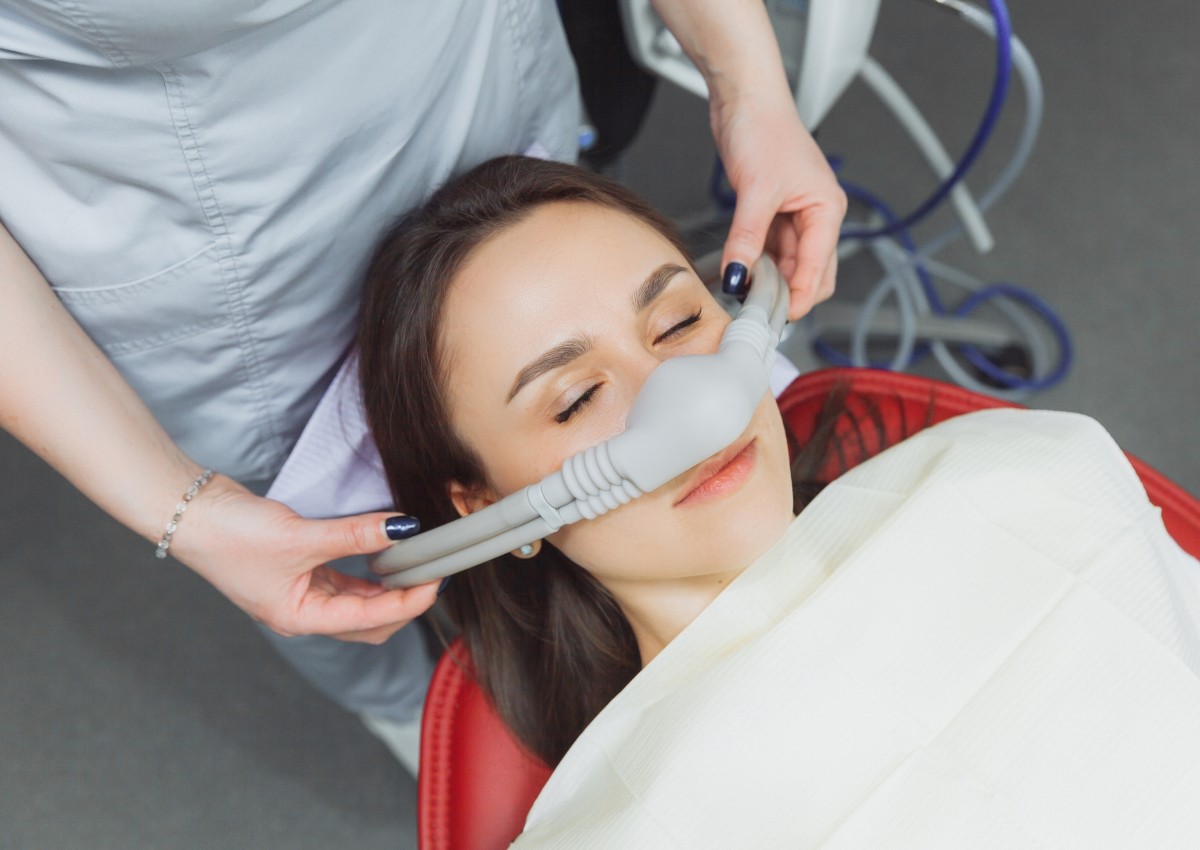
Sedation: Sedation medicines are more restricted in pregnancy, so Noosa Hinterland Dental places extra focus on a Tell Show Do approach, agreed hand signals, comfort aids and shorter visits rather than relying on sedative drugs.
When needed, the Pomona team can speak with your midwife or doctor so that everyone shares the same plan. This team approach helps anxious patients from Cooran, Kin Kin and beyond feel reassured that dental and medical care are working together.
How To Look After Your Teeth And Gums During Pregnancy
Looking after teeth and gums during pregnancy relies on a simple routine that fits your energy levels and nausea patterns. Regular brushing, interdental cleaning, smart use of mouthrinses and a tooth friendly diet all reduce the chances of pregnancy gingivitis and decay. Small, steady steps matter more than perfection.
Pregnancy can make usual habits harder, especially if smells trigger gagging or if exhaustion sets in at the end of the day. Adjusting tools and timing helps a lot, such as using a smaller toothbrush head or brushing at a time when nausea is lower. The Australian Government Department of Health highlights twice daily brushing with fluoride toothpaste as a key part of preventing tooth decay, and this applies just as much during pregnancy.
Noosa Hinterland Dental works with mums-to-be across the Noosa Hinterland to build routines that feel realistic, not overwhelming. Home care advice is always personalised, so you can adapt suggestions to life in Pomona, Cooroy, Federal or wherever you call home.
Daily Oral Hygiene And Diet Tips For Expectant Mums
Daily oral hygiene in pregnancy starts with gentle yet thorough brushing. A soft, small headed toothbrush and fluoride toothpaste used twice a day keeps plaque in check while being kind to tender gums. If you gag easily, try:
-
a child sized toothbrush
-
a milder mint or unflavoured toothpaste
-
brushing at the time of day when nausea is usually lowest
Cleaning between teeth once a day removes plaque that a brush cannot reach. Floss, interdental brushes or a water flosser all work well when used patiently. If gums bleed, that usually signals inflammation rather than damage, so continued gentle cleaning normally reduces bleeding over a week or two as health improves.
Alcohol free fluoride mouthrinses can help protect enamel, especially if vomiting or frequent snacking is part of your pregnancy. Staying hydrated with plain water keeps saliva flowing and washes away food acids.
To support both your mouth and your general health, try to:
-
limit sugary drinks and constant grazing
-
enjoy cheese, nuts if tolerated, yoghurt without added sugar, crunchy vegetables and whole fruit in moderation
-
keep sweet treats to mealtimes rather than frequent snacks
Regular Check-Ups, Hygiene Visits And When To Call Urgently
Regular dental check ups during pregnancy help pick up small issues before they become painful. Many women benefit from at least one full examination and hygiene appointment, ideally in the early second trimester when nausea has eased and lying back is more comfortable. Extra reviews are sensible if you have:
-
a history of gum disease
-
gestational diabetes
-
severe morning sickness or reflux
-
trouble keeping up with brushing and flossing
At a pregnancy friendly visit in Pomona, the Noosa Hinterland Dental team checks your gums for pregnancy gingivitis, looks for early decay and erosion, and gives tailored home care tips. The chair position is adjusted, breaks are offered and you have full control to pause at any point. This calm style helps anxious mums from Cooran, Kin Kin and Black Mountain feel more relaxed.
Some signs mean you should call urgently rather than wait:
-
severe or throbbing toothache
-
swelling of the face or gums
-
a growing lump or abscess
-
trauma or broken teeth
-
heavy gum bleeding
-
fever or feeling unwell linked with dental pain
Same day emergency appointments are offered where possible, since treating infection early is usually safer than postponing care.
How Your Oral Health Affects Your Baby And Future Family Smiles
A mother’s oral health affects her own comfort, her ability to eat well and, indirectly, her baby’s wellbeing. Healthy gums and teeth support better nutrition, sleep and confidence during pregnancy, which benefits both parent and child. Oral health now also shapes the bacteria that will later be shared with your baby.
Advanced gum disease has been linked with a higher chance of some pregnancy complications, although research shows association rather than a guaranteed cause. Reducing gum inflammation is one piece of good prenatal care, alongside regular obstetric check ups, a balanced diet and exercise approved by your doctor. Decay and plaque levels in parents also influence the bacteria that settle in a baby’s mouth once teeth appear.
Noosa Hinterland Dental views pregnancy care as the starting point for many years of family support. Families from Pomona, Cooroy and the wider Noosa Hinterland often continue attending with their babies and older children, which keeps habits consistent and visits familiar.
Gum Health, Pregnancy Outcomes And Bacteria Passed To Baby
Gum health can influence pregnancy by adding to the body’s overall inflammatory load. Studies discussed by the National Institutes of Health report that women with untreated periodontitis tend to have higher rates of preterm birth and low birth weight. This research does not prove that gum disease directly causes these outcomes, yet it suggests that calming gum inflammation is a sensible goal.
Decay causing bacteria such as Streptococcus mutans are usually passed from caregiver to child through:
-
shared spoons and food
-
putting a dummy in an adult’s mouth to “clean” it
-
close contact when there is a lot of active decay
When a parent has many untreated cavities or heavy plaque, more of these bacteria are available to transfer. Over time this can raise the risk of early childhood caries in the child.
By treating decay, improving brushing and choosing tooth friendly foods in pregnancy, you lower the bacterial load your baby will meet, and emerging research on Oral microbiome modulation mitigates hyperglycaemia in gestational diabetes also underscores how managing oral bacteria has systemic benefits during pregnancy. Noosa Hinterland Dental takes a family dental care approach, often speaking with GPs, midwives and child health nurses so that oral health fits smoothly into your broader care.
Planning For Postnatal And Family Dental Care
Postnatal life brings feeding, night wakes and constant demands, which can quietly affect a parent’s teeth. Frequent snacking while feeding, sipping sugary drinks for energy and less time for brushing can all encourage decay. A postnatal dental check gives you a chance to reset habits, repair any issues and plan care for your baby’s mouth.
Before teeth erupt, wiping your baby’s gums with a soft, damp cloth after feeds helps them accept oral cleaning as normal. Once teeth appear, a tiny smear of age appropriate fluoride toothpaste on a small soft brush is enough. Many guidelines suggest a first dental visit by the first birthday or within six months of the first tooth.
At Noosa Hinterland Dental, children’s check ups, fissure sealants, early orthodontic assessments and bulk billed care under the Child Dental Benefits Schedule are all available. Having one calm, child friendly clinic in Pomona, close to Cooroy, Cooran, Kin Kin, Federal and Black Mountain, means the whole family can see familiar faces as your children grow.
Myth Vs Fact: Pregnancy And Oral Health
Many myths about pregnancy and oral health still worry expectant mothers and sometimes stop them from seeking care. Clearing up these misunderstandings builds confidence to attend the dentist when needed. Reliable organisations such as the Australian Dental Association and Queensland Health support regular, pregnancy safe dental visits.
Some old sayings claim that pregnancy always harms teeth or that dental work is unsafe while you are expecting. In reality, with modern techniques, local anaesthetic and careful planning, treatment during pregnancy is usually both safe and recommended. It is often the delay in care that leads to more dramatic problems.
The table below sets out common myths and calm, evidence based responses. Noosa Hinterland Dental follows current Australian guidance when advising mums-to-be across the Sunshine Coast Hinterland.
Common Myths About Teeth And Pregnancy
| Myth | Fact |
|---|---|
| You lose a tooth with every pregnancy | Pregnancy itself does not cause tooth loss, yet gum disease and decay can worsen if plaque control and diet slip. With good home care and regular dental visits, many women go through pregnancy without losing any teeth. |
| The baby takes calcium from your teeth | A baby’s calcium comes from your diet and, if needed, from calcium stored in your bones. Teeth do not donate calcium, but they can suffer from acid, plaque and decay if daily care is difficult. Adequate dietary calcium and oral hygiene protect both you and your baby. |
| You should avoid the dentist while you are pregnant | Modern guidelines encourage routine and emergency dental care during pregnancy, planned around your trimester and health needs. Avoiding the dentist can allow small problems to turn into painful infections. Pregnancy safe care at a gentle clinic like Noosa Hinterland Dental is a helpful part of prenatal health. |
| Dental X rays are never allowed in pregnancy | Non urgent X rays are usually postponed until after pregnancy, yet essential images can be taken safely with shielding. Digital dental X rays use very low radiation, and your dentist will take only those that are necessary for accurate diagnosis and treatment. |
| Bleeding gums in pregnancy are normal and nothing to worry about | Mild bleeding is common yet still signals inflammation that needs attention. Brushing and interdental cleaning, along with professional care, usually calm pregnancy gingivitis. Heavy bleeding, swelling or pain should always be checked by a dentist. |
In Summary
Pregnancy and oral health are closely connected, and mouth changes during this time are very common. Gums often become more sensitive and likely to bleed, while teeth face extra challenges from acid, sugar and changing routines. The encouraging news is that most pregnancy related problems are manageable with daily care and supportive dental visits.
Safe dental treatment during pregnancy includes check ups, hygiene visits, fillings, gum therapy and emergency care for pain or infection. The second trimester is usually the most comfortable time for routine work, yet urgent issues deserve attention at any stage. According to the Australian Dental Association, addressing infection and severe dental pain is safer than leaving them untreated.
Noosa Hinterland Dental provides trimester aware, gentle care for mums-to-be from Pomona, Cooroy, Cooran, Kin Kin, Federal, Black Mountain and across the Noosa Hinterland. If you are expecting or planning a pregnancy, booking a prenatal or pregnancy dental examination is a caring step for both your oral health and your baby’s future smile.
Ready to Protect Your Smile During Pregnancy?
Pregnancy is an ideal time to prioritise your oral health. Whether you’re planning a pregnancy, expecting your first baby or growing your family, early dental care can help prevent gum disease, tooth decay and dental emergencies while supporting your overall wellbeing.
Book an Appointment with Noosa Hinterland Dental for a gentle pregnancy dental examination, professional clean and personalised oral health plan tailored to your stage of pregnancy and individual needs.
Want to understand your options before your visit? Learn More about pregnancy-safe dental care, gum disease treatment, preventative dentistry, emergency dental services and how we help protect both your smile and your baby’s future oral health.
Have questions about dental treatment during pregnancy, X-rays, local anaesthetic, morning sickness, pregnancy gingivitis or caring for your baby’s teeth after birth? Contact Us Today and our friendly team will provide clear, reassuring advice and help you choose the most appropriate appointment.
Take the first step towards a healthier pregnancy and a healthier smile. Book Online Now and discover how Noosa Hinterland Dental provides compassionate, evidence-based care for expectant mums throughout Pomona, Cooroy, Cooran, Kin Kin, Federal, Black Mountain and the wider Noosa Hinterland.
Frequently Asked Questions
Question: Is It Safe To Go To The Dentist While Pregnant?
Yes, it is generally safe and recommended to see a dentist while pregnant. Routine check ups, cleans, fillings and gum treatment help prevent infection and pain, and the second trimester is often most comfortable. At Noosa Hinterland Dental, care is planned around your trimester and health so appointments feel gentle and reassuring.
Question: What Dental Treatments Should I Avoid During Pregnancy?
Treatments usually postponed until after pregnancy include whitening, purely cosmetic smile makeovers, lengthy non urgent procedures and implant surgery. Necessary restorative work, gum therapy and emergency care are normally safe with careful planning. Always discuss timing with your dentist, GP or midwife so everyone agrees on the best approach for you.
Question: What Can I Do About Bleeding Gums During Pregnancy?
Keep brushing gently twice a day and clean between your teeth daily, even if gums bleed. Bleeding usually shows inflammation that improves with better plaque control, not less cleaning. A professional scale and clean, EMS Spa gum care and short term antibacterial rinses from your dentist can also calm pregnancy gingivitis.
Question: How Does Morning Sickness Affect My Teeth, And How Can I Protect Them?
Morning sickness exposes teeth to strong stomach acid that softens enamel and can lead to erosion. Rinse with water or a bicarbonate solution after vomiting, wait 30 to 60 minutes, then brush with a soft brush and fluoride toothpaste. If you notice sensitivity or visible wear, book a dental check for tailored advice.
Question: Are Dental X-Rays Safe During Pregnancy In Australia?
Essential dental X rays are considered safe in pregnancy when taken with lead aprons and thyroid shields, and modern digital systems use very low radiation. Non urgent images are usually delayed until after pregnancy as a precaution. Noosa Hinterland Dental only takes X rays when they are clinically necessary for safe treatment.
Question: Can Dental Problems During Pregnancy Affect My Baby?
Severe, untreated dental infections can affect your overall health and stress levels, so treatment is safer than ignoring problems. Advanced gum disease has been linked with a higher chance of some pregnancy complications, although research shows association rather than direct cause, as illustrated by The Impact of Oral health and dental care on pregnancy, a cross-sectional study examining these relationships among women of reproductive age. Improving your oral health also reduces decay causing bacteria that could later pass to your baby.
Question: I’m Anxious About The Dentist – Should I Still Come While Pregnant?
Yes, it is still worth coming, and your anxiety can be discussed openly. Noosa Hinterland Dental uses a Tell Show Do approach, clear hand signals, comfort aids and gentle pacing rather than relying on heavy sedation in pregnancy. Many anxious mums start with a talk focused visit and a very gentle check to build trust.
Question: How Often Should I See The Dentist While Pregnant?
Most women benefit from at least one full check up and clean during pregnancy, often early in the second trimester. Extra visits are useful if you have gum disease, gestational diabetes, strong morning sickness or new symptoms like toothache or swelling. Local mums-to-be can contact Noosa Hinterland Dental in Pomona to plan a schedule that suits their needs and helps protect both their oral health and their baby’s wellbeing.