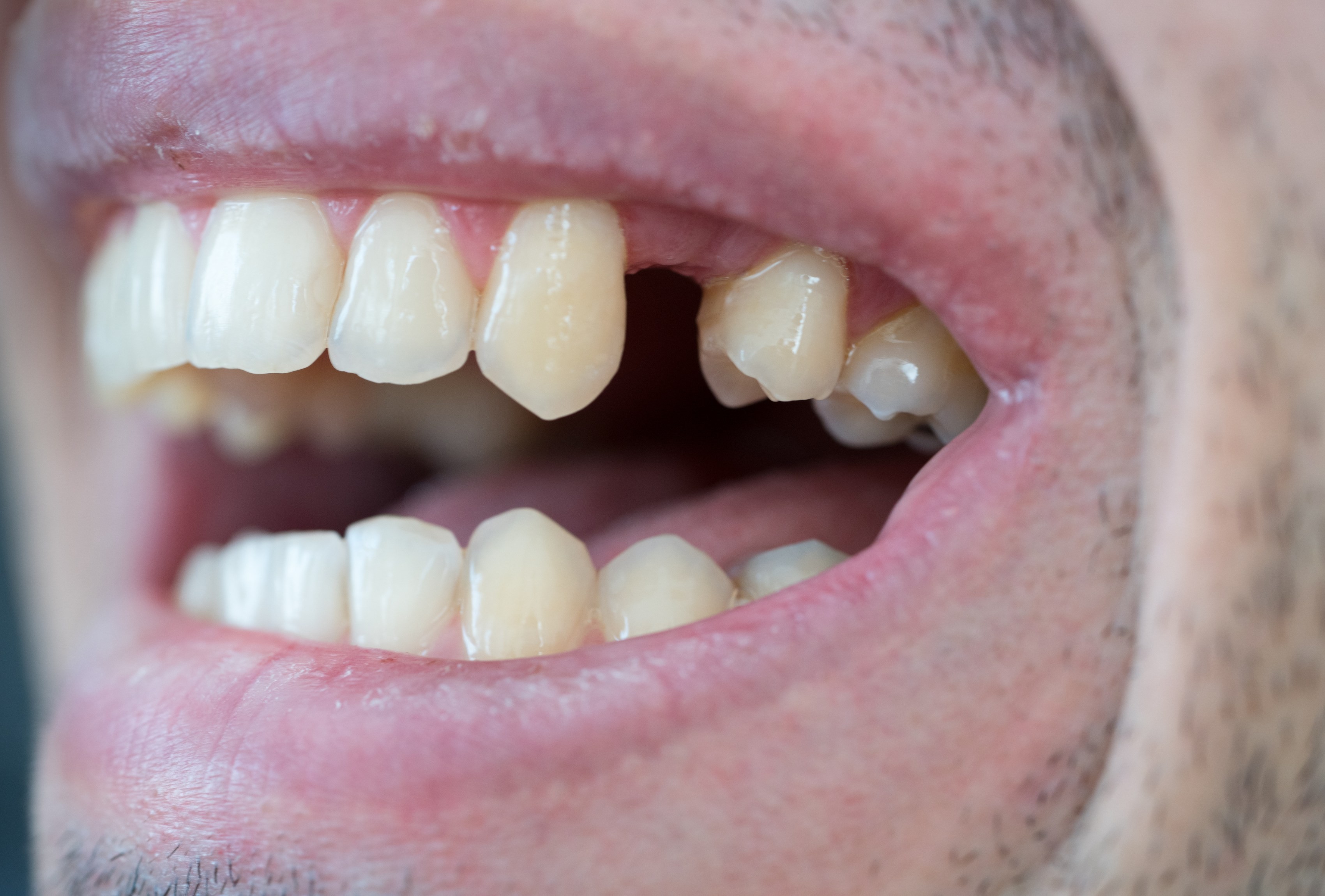
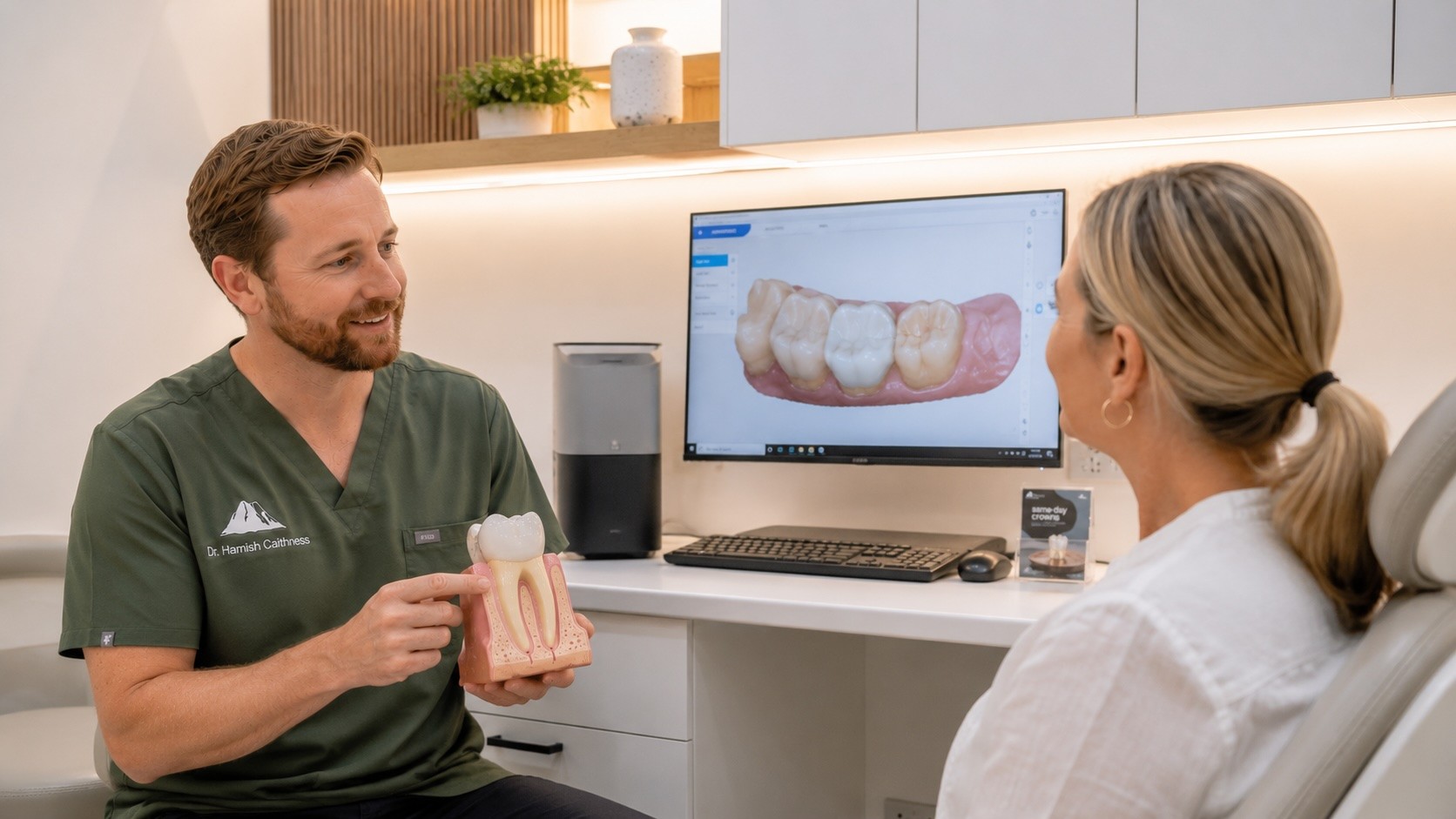
Bad breath dentist assessments look for oral causes such as gum disease, plaque, dry mouth, decay, infection or poorly fitting dental work. Persistent odour rarely improves through mints alone. This guide explains when to seek dental care, what an examination may involve, safe home steps and when a medical review may also be appropriate.
Short term bad breath after garlic, onions or morning dryness is common and usually settles with normal care. If the smell lasts for weeks, comes with bleeding gums, a bad taste, pain or a sticky, dry feeling, it is time to see a dentist. For families around Pomona, Cooroy, Cooran and the wider Noosa Hinterland, a local bad breath dentist can check the gums, teeth and tongue for hidden problems.
This article explains what halitosis means, the common causes seen in practice, and safe steps you can try at home. It also describes how Noosa Hinterland Dental supports children, teens, adults and seniors, and when a GP or specialist review may be wise. If you or a family member is worried about breath, the next sections will guide you on what to watch for and when to seek help.
Key takeaways
Before going into detail, it helps to have a simple overview of how dentists think about bad breath. The points below show the difference between short term smells and more worrying patterns, and where home care fits in. They can also guide you on when to book with a bad breath dentist in the Noosa Hinterland.
-
Temporary bad breath from food or morning dryness usually settles soon after brushing, tongue cleaning, drinking water and eating. It tends to come and go rather than staying all day. The pattern over weeks matters more than one smelly morning. If odour lingers most days, it is better to ask for dental advice.
-
Most long term mouth odour starts in the mouth because of plaque, tongue coating, gum disease, decay or dry mouth. These problems are very common, especially when life is busy or dental visits have been delayed. A dentist can find these causes during a normal check up. Treating them often improves breath and protects teeth and gums.
-
Safe home steps include brushing twice a day, flossing, cleaning the tongue and sipping water regularly. Cutting back on sugary snacks, coffee, alcohol, smoking and vaping can also help. Mouthwash may reduce smells a little, but it rarely fixes bad breath on its own. If careful home care for a few weeks has not helped, a professional assessment is needed.
-
Sometimes halitosis is linked with sinus, throat, lung, gut or metabolic conditions that sit outside the mouth. In those situations, your dentist may work with a GP or specialist to sort things out. Sharing information between your dental and medical teams keeps care simple. This approach is especially important for people already managing long term health issues.
What is bad breath and when should we worry?
Bad breath is an unpleasant smell from the mouth that other people can notice at close range. We start to worry when it keeps returning or does not clear with normal brushing, flossing and tongue cleaning. Dentists call ongoing mouth odour halitosis, a condition that sits within the broader picture of oral health outcomes affecting nearly half the global population, and for many people it affects self confidence, school, work and relationships.
For families across Pomona, Kin Kin, Tewantin and nearby areas, noticing the pattern of the smell is more helpful than focusing on a single strong episode. Occasional morning breath and food smells are expected. Persistent halitosis that hangs around for weeks is different and usually needs a bad breath dentist to look more closely.
Temporary vs persistent bad breath
Temporary bad breath is often linked with sleep, food or mild dehydration. Morning breath happens because saliva slows down overnight, so bacteria and food debris sit on the tongue and teeth. Strong meals with garlic, onions, curry, tinned fish or strong cheese can also leave smells for a few hours. Coffee and alcohol may dry the mouth and leave a bitter taste that settles with good cleaning and water.
These short term smells usually fade after brushing, tongue cleaning, drinking water and having a meal. Persistent bad breath is different, as the odour remains for weeks and is often noticed by family members or close friends. It does not seem tied to one meal or time of day, and home care does not make much difference.
Some people feel convinced their breath is bad even when others cannot smell it. Dentists call this pseudo halitosis or halitophobia, and it can still cause real distress. In those cases, a gentle discussion, clear examination and, at times, support from a GP or psychologist can be helpful.
Why bad breath matters for health and confidence
Bad breath matters because it is often a sign that something in the mouth or body is not quite right. Gum disease, untreated decay, dry mouth and oral infections are frequent culprits, and all can quietly damage teeth and gums over time. Persistent odour can also point to sinus disease, reflux, diabetes or other medical issues that need timely care. Ignoring the smell may mean missing a chance to pick up these problems early.
Halitosis can also weigh heavily on confidence and wellbeing. Children may be teased at school, teenagers can avoid social events, and adults might worry about work meetings or intimacy. In close communities around the Noosa Hinterland, embarrassment sometimes stops people asking for help. Dentists see bad breath every day, though, and with clear assessment and a simple plan, many patients notice fresher breath and feel more relaxed in daily life.
What are the most common oral causes of bad breath?
Most ongoing bad breath starts in the mouth, where bacteria live on teeth, gums and the tongue. When plaque, food particles and dry mouth give these bacteria extra fuel, they release smelly sulphur gases. As a result, gum disease, tongue coating, tooth decay and trapped food are common causes seen by a bad breath dentist in Pomona. The positive news is that mouth based problems can usually be found and treated during regular dental care.
Knowing which oral issues cause halitosis helps you understand why dentists care so much about brushing, flossing and professional cleans. It also shows why mouthwash alone often does not work. The key players are plaque and tongue coating, gum disease, decay, infections, dentures and lifestyle habits such as smoking and vaping.
Plaque, tongue coating and gum disease bad breath
Plaque is a soft, sticky film of bacteria that builds up on teeth and along the gumline each day. If brushing and flossing miss certain spots, this plaque breaks down food proteins and releases gases that smell like rotten eggs. The back of the tongue has many tiny bumps that trap the same bacteria and debris. Over time, a yellow or white tongue coating becomes one of the biggest sources of strong mouth odour.
This coating is often worse in people who breathe through their mouth, snore, smoke or vape, or who have dry mouth from medicines or dehydration. Gentle tongue cleaning once or twice a day can greatly reduce bacteria levels and is an important part of bad breath treatment. When plaque stays along the gums, it hardens into tartar and can start gum disease. Early gum disease causes red, swollen gums that bleed easily, while more advanced periodontitis creates deep pockets around teeth where bacteria, blood and fluid collect, producing a persistent smell and bad taste.
Decay, infections, dentures and other dental factors
Tooth decay creates small holes where food and bacteria can collect and break down. Cracked teeth, worn fillings and crowns that no longer fit well can also trap food in hard to clean corners. When food gets stuck in the same place every day, patients often notice a bad taste or odour from that area. Over time, this trapped debris produces a stubborn smell that will not shift with breath mints.
If decay reaches the nerve inside a tooth, it can cause an infection or abscess. These infections may lead to swelling, tenderness when biting, or a pimple like lump on the gum that leaks pus with a very strong smell. Dentures, plates, clear aligners, retainers and mouthguards can also hold plaque and food if they are not cleaned well, and acrylic surfaces may absorb odours when worn overnight. Smoking and vaping add their own stale smell and increase gum disease risk, so these problems usually respond best when a bad breath dentist adjusts dental work, gives clear cleaning advice and supports quitting tobacco.
How do dry mouth, diet and lifestyle affect bad breath?
Dry mouth, food choices and everyday habits play a large role in how breath smells from day to day. Saliva is the mouth’s natural cleaning fluid, and anything that reduces its flow gives bacteria more time to produce odours. What we eat, drink, smoke or vape can either add short term smells or increase long term risk of tooth and gum problems. Understanding these links helps families in the Noosa Hinterland choose small changes that support fresher breath.
Looking at your daily routine is often one of the first steps a bad breath dentist will suggest. Simple adjustments to water intake, meals, snacks, alcohol, coffee and tobacco use can support the dental care you receive. They are especially important for people taking regular medicines or working outdoors in the warm local climate.
Dry mouth (xerostomia) and bad breath
Dry mouth, also called xerostomia, happens when the glands that make saliva are not producing enough of it. Saliva washes away food debris, neutralises acids and carries natural substances that help keep bacteria under control. When saliva is lacking, plaque sticks to teeth more easily and bacteria spread further across the tongue and cheeks. This creates a setting for halitosis, decay and gum disease.
Common causes of dry mouth include many regular medicines such as antihistamines, blood pressure tablets, antidepressants and some pain relief. Health conditions like diabetes and Sjögren syndrome, as well as ageing, snoring, mouth breathing and sleep apnoea, can also reduce saliva. People in Pomona and surrounding towns may notice more dryness during hot Noosa summers or when working outside without enough water.
Typical signs include:
-
a sticky or burning feeling in the mouth
-
thick, stringy saliva
-
difficulty chewing or swallowing dry foods
-
needing water at the bedside overnight
-
more mouth ulcers or oral thrush.
Sipping plain water often, using sugar free gum, limiting alcohol and caffeine and avoiding tobacco are all helpful first steps. Saliva substitutes, dry mouth gels and high fluoride products may also be suggested after a dental or medical assessment if dryness continues.
Food, drinks, tobacco and vaping
Certain foods and drinks cause short term breath changes that are usually harmless. Garlic, onions, strong spices, blue cheese, tinned fish, coffee and alcohol can all leave noticeable smells for a few hours. These odours come both from food bits left in the mouth and from smelly compounds absorbed into the blood and released through the lungs. Brushing, flossing, tongue cleaning and drinking water generally help them fade more quickly.
High sugar snacks, soft drinks and sports drinks do more than affect weight, as they feed plaque bacteria and encourage acid attacks on the teeth. Frequent grazing means the mouth does not get long breaks to recover between meals, raising decay and bad breath risk. Smoking and vaping have both immediate and long term effects, leaving a strong smell, reducing blood flow to the gums and increasing tartar build up.
Simple, realistic swaps might include:
-
carrying a refillable water bottle and taking sips during the day
-
choosing crunchy vegetables, nuts and whole fruit instead of lollies or biscuits
-
limiting soft drinks and energy drinks to occasional treats
-
avoiding smoking and seeking support to cut back or quit tobacco or vaping.
Your dentist or GP can direct you to Australian support programs such as Quitline (www.quit.org.au), which offers telephone and online help for people who want to stop smoking or vaping.
Could bad breath be a sign of a medical problem?
While most bad breath comes from the mouth, sometimes it reflects a medical problem in the sinuses, throat, lungs, stomach or the way the body handles sugar and waste. A careful bad breath dentist will always look for signs that something beyond the teeth and gums may be involved. If that seems likely, they will work alongside GPs and other health professionals rather than trying to manage everything with mouthwash or toothpaste alone. Knowing these possibilities can help you decide when a medical check is wise.
The aim is not to alarm you, but to explain why dentists sometimes suggest seeing a doctor as well. Sharing information between dental and medical teams means you are not left guessing which clinic to call. This joined up care is especially helpful for patients with diabetes, long term sinus problems or complex health histories.
Sinus, throat and chest related causes
Chronic sinusitis, nasal congestion and nasal polyps can cause thick mucus that drips down the back of the throat. This mucus can harbour bacteria that produce unpleasant smells, leading to bad taste and frequent throat clearing. Some people also feel facial pressure or a blocked head that does not fully clear. When the mouth looks healthy yet breath remains sour or musty, these upper airway causes are often considered.
Recurrent tonsillitis and tonsil stones are another frequent source of bad breath. Tonsil stones are small, hard lumps that form in the folds of the tonsils and can sometimes be seen as white or yellow spots. They often cause sore throat, trouble swallowing and a feeling of something stuck. Lung conditions such as bronchitis and other chest infections can also change breath, usually alongside cough, mucus, fever or breathlessness, so dentists may suggest a review with your GP or an ear, nose and throat specialist in these cases.
Digestive, metabolic and other systemic causes
Digestive issues can sometimes affect breath, although they are less common than oral or sinus causes. Gastro oesophageal reflux disease, often shortened to GORD, allows acid and food from the stomach to move back towards the throat. People with GORD may notice heartburn, chest discomfort, a sour taste and frequent burping. In some cases, this back flow contributes to ongoing bad breath that does not fully settle with dental care alone.
Poorly controlled diabetes can produce a fruity or acetone like smell on the breath, especially if blood sugar levels are very high. Advanced kidney disease sometimes causes a breath smell similar to urine, while severe liver disease can give a sweet, musty odour. Very strict crash diets or ketogenic diets increase ketone production with a nail polish type smell.
Any new or worrying symptoms such as weight loss, night sweats, fever, severe pain, vomiting or changes in urine or bowel habits should always be checked by a doctor rather than relying on dental visits alone. Your GP can arrange blood tests, imaging or referral to a specialist where needed, while your dentist continues to support the oral side of care.
How can we treat and prevent bad breath at home and at the dentist?
Most cases of mouth related bad breath improve when good daily habits are combined with the right dental treatment. Home care tackles plaque and tongue coating each day, while professional visits deal with tartar, decay, gum disease and faulty restorations that home tools cannot reach. As a bad breath dentist caring for Pomona and Noosa Hinterland families, the focus is on finding the cause instead of only covering the smell. The steps below outline what you can do yourself and what happens during care at the clinic.
Treating halitosis is rarely about one special product. It is usually about several small changes that work together over time. That includes what you do in your bathroom, what is done in the dental chair and, where needed, what your GP or other specialists provide.
Safe home care for fresher breath
A simple, steady routine makes the biggest difference. Try to:
-
brush twice a day with a soft brush and fluoride toothpaste for about two minutes
-
angle the bristles gently towards the gums to clean where teeth and gums meet
-
clean between the teeth each day with floss or small brushes
-
clean the tongue gently once or twice a day.
Cleaning the tongue is a key step for many people. You can use a plastic tongue scraper or the textured back of some toothbrushes, gently sweeping from the back towards the front several times and rinsing in between. Start slowly if you have a strong gag reflex and only go as far back as feels comfortable, building up over time.
Mouthwashes that contain alcohol free antibacterial ingredients or zinc can help reduce odour, but strong flavoured rinses that only mask smells should not replace brushing and flossing. Short courses of stronger antiseptic rinses such as chlorhexidine may be suggested by your dentist for specific problems, but long term use can stain teeth, so always follow professional advice.
Good hydration and regular meals support saliva flow and keep the mouth more comfortable. Keeping a reusable water bottle close during school, work or sport encourages small, frequent sips through the day. Limiting sugary snacks, soft drinks and energy drinks reduces fuel for plaque bacteria and lowers decay risk, while sugar free gum after meals can help freshen breath and stimulate saliva.
If breath is still strong after a few weeks of solid home care, or if there is pain, bleeding or loose teeth, it is time to see a bad breath dentist rather than trying stronger mints or internet remedies. Some online tips, such as using undiluted essential oils, strong hydrogen peroxide mixes or harsh scrubbing, can irritate the mouth and are best avoided unless a professional has recommended them.
Professional bad breath treatment at Noosa Hinterland Dental
At Noosa Hinterland Dental in Pomona, the team starts with a relaxed chat about your concerns, medical history and daily habits. A thorough check of the teeth, gums, tongue and cheeks follows, along with screening for oral cancer and signs of dry mouth. Digital X rays and intraoral photos help spot decay between teeth, infections at the roots and bone changes that might not be visible to the eye. When needed, CBCT three dimensional scans offer extra detail for complex gum, tooth or sinus issues, reflecting broader advances in 3D printing and AI in digital dentistry that are reshaping diagnostic and treatment planning tools available to dentists.
For many patients, the first stage of treatment is a professional clean. The practice uses EMS Airflow and EMS Spa technology with warm water and fine powder to remove plaque and tartar gently from above and below the gums, making tooth surfaces smoother so plaque has less to cling to. If gum disease is present, deeper cleaning, called scaling and root planing, may be recommended over one or more visits, followed by regular reviews to track healing.
When decay, broken teeth or leaking fillings are adding to bad breath, your dentist will discuss options such as fillings, crowns or adjusting or remaking dentures and other appliances to reduce food trapping. They may also:
-
review how you clean around bridges, implants, plates or aligners
-
advise on suitable mouthwashes or gels for your specific needs
-
plan closer follow up if gum disease or dry mouth is present.
Dry mouth can be managed in part by suggesting saliva support products, high fluoride pastes and more frequent check ups, and by working with your GP to review medicines when appropriate. For anyone who feels nervous about speaking up or returning after a long break from dental care, the team offers a friendly, judgement free environment, with options like happy gas for anxious patients. The goal is steady, realistic improvement rather than a one off quick fix, so that fresher breath and healthier gums last.
When should we see a dentist or GP about bad breath?
Knowing when to seek help for bad breath can be tricky, because almost everyone has the odd smelly day. A helpful guide is that short term odour linked with food or morning dryness is usually fine, while smell that lingers or comes with other symptoms deserves a closer look. Regular dental care picks up many issues early, often before they hurt. The guide below can help families decide when to call a bad breath dentist and when to involve a GP as well.
You do not need to wait until you are sure there is a serious problem. If you feel unsure, it is reasonable to mention breath at your next dental check or to book a separate visit. Dental teams would much rather see you early than have you worry at home.
Signs it’s time to see a dentist
Dental review is the first step for most people with bad breath. In one visit, your dentist can assess plaque levels, gum health, decay, tongue coating and appliance fit. Early care almost always means simpler and more affordable treatment than waiting until pain appears.
Consider booking a visit if:
-
bad breath has lasted more than a few weeks despite careful brushing, flossing and tongue cleaning
-
family members, close friends or teachers have commented on the smell
-
you notice a bad taste most days.
Other worrying signs include:
-
bleeding when you brush or floss
-
gums that are sore, swollen or shrinking away from the teeth
-
loose teeth or visible tartar
-
food regularly catching between certain teeth or under dentures.
These changes often point toward gum disease, which is a leading cause of chronic halitosis and tooth loss, with ongoing research into deadly dental service at home aiming to improve access to oral health care for people who face barriers to regular dental visits. Catching it early helps avoid more involved treatment later. Regular six monthly check ups let your dentist track gum health before changes become advanced, although some people with higher risk may need more frequent reviews.
Children should see a dentist if they have ongoing bad breath not linked to a particular meal, especially if they also snore, breathe through their mouth, complain of toothache or have visible brown or white spots on teeth. Retainers and plates that smell despite cleaning need review as well. Many kids feel embarrassed raising this topic, so parents are encouraged to mention any concerns at routine visits.
Red flags and when we should also see a GP
Sometimes bad breath comes with signs that something more serious is going on. In these cases, dental or medical care should not be delayed. Dentists and doctors often work together, so starting with whichever appointment you can obtain first is usually reasonable.
Seek urgent dental advice if:
-
there is severe tooth or facial pain
-
you notice swelling of the face or jaw
-
you have fever or feel generally unwell with a toothache
-
you find it hard to open your mouth or swallow.
These symptoms may indicate a spreading dental abscess. After hours, emergency dental services or hospital care may be needed. Do not rely on painkillers or leftover antibiotics alone.
Arrange fast medical review with a GP or hospital if:
-
breath changes come with weight loss, a long lasting cough, blood in sputum, chest pain or trouble breathing
-
you or your child have high fevers, stiff neck, drooling or difficulty swallowing
-
you have ongoing stomach pain, repeated vomiting, black or bloody stools, or severe constipation.
People with diabetes should be alert to a strong fruity or chemical breath smell, especially if they also feel very thirsty, pass urine often, feel sick or breathe more quickly than usual. This pattern can signal dangerously high blood sugar, which is a medical emergency that needs hospital treatment straight away.
These symptoms are not dental problems, even if the smell is noticed first in the mouth. Sharing all your symptoms with the doctor helps them decide on the right tests. Your dentist can be updated later once medical causes are addressed.
To sum up
Bad breath is very common across all ages, and it usually improves once the real cause is found and treated. In most cases the problem starts in the mouth with plaque, tongue coating, gum disease, decay, dry mouth or appliance issues. Everyday habits around food, drinks, smoking and vaping can make it better or worse. Less often, sinus, lung, digestive or metabolic conditions also contribute.
For families in Pomona, Cooroy, Cooran, Kin Kin and the wider Noosa Hinterland, you do not have to manage this alone or feel embarrassed. A visit to Noosa Hinterland Dental gives you a calm space to talk through concerns, receive a careful assessment and agree on a realistic plan. By combining steady home care with regular professional support, many people enjoy fresher breath, healthier gums and more confidence in everyday conversations.
If you are worried about your own breath or a family member’s, the safest next step is to book a dental assessment so your mouth, gums and tongue can be examined in person. Individual advice always depends on what is found during that visit.
Frequently asked questions
These brief answers cover common questions patients from the Noosa Hinterland ask about bad breath. They do not replace personalised advice, but they can guide what to expect. Always see a dentist or GP for assessment if you are unsure.
Question: Can a dentist really fix bad breath for good?
A dentist can usually fix or greatly improve bad breath when the cause lies in the teeth, gums, tongue or appliances. Treatment works best when combined with daily brushing, flossing and tongue cleaning. If medical issues also play a role, your dentist can work with your GP or specialist so all causes are addressed as far as possible.
Question: How long does it take for bad breath to improve after dental treatment?
Mouth odour often improves within days to weeks after a thorough clean and better home care. Gum disease, dry mouth or complex decay can take several months of treatment and follow up to settle. Staying consistent with the agreed plan is the key to longer lasting improvement.
Question: Is tongue scraping really necessary for bad breath?
Tongue scraping is very helpful because the back of the tongue holds many of the bacteria that create odour. Gently scraping once or twice a day reduces this coating. People with a strong gag reflex can start closer to the front and move back slowly over time. If you feel pain or ongoing irritation, stop and ask your dentist to check your technique.
Question: Which mouthwash is best for bad breath?
No single mouthwash suits every person with bad breath. Alcohol free antibacterial rinses or products with zinc can help reduce smells, while cosmetic rinses only mask odour briefly. Short courses of chlorhexidine may be used under dental guidance, but they are not usually for long term daily use. Ask your dentist which option fits your mouth and health, and follow the instructions on the label.
Question: Can bad breath in children be a sign of something serious?
Bad breath in children is usually due to plaque, food debris, mouth breathing or tonsil issues, and often eases with better brushing and dental care. It can sometimes reflect sinus or stomach problems. If odour persists or your child seems unwell, arrange both dental and medical checks so nothing important is missed.
Question: Do natural remedies like oil pulling or herbal rinses work for bad breath?
Some people feel their breath is fresher after oil pulling or using herbal rinses, but research evidence is limited. These methods should never replace brushing, flossing, tongue cleaning and dental visits. Check with your dentist before trying new products, especially if you take medicines, are pregnant or have medical conditions, so they can confirm they are safe for you.
If you live in Pomona or the wider Noosa Hinterland and have concerns about bad breath, consider booking an appointment for a thorough oral health assessment and individual advice based on your own examination.