Fluoride treatments fissure sealants kids receive can reduce decay risk in different ways. Fluoride strengthens enamel, while sealants protect deep grooves where food and plaque collect. This guide explains who may benefit, how treatment is applied, safety considerations, expected costs and how Pomona families can combine professional prevention with good home care.
At Noosa Hinterland Dental in Pomona, fluoride and sealants are suggested only after a kids’ dental check-up and decay risk assessment. Local factors such as tank water, frequent snacks and busy family life can all affect what your child needs. This article explains what these treatments are, how they work, how safe they are and how they fit with brushing, diet and regular visits. That way, you can decide on the best plan after a proper examination and conversation with your child’s dentist.
Key takeaways
Before you read the details, it helps to see the main points in one place. These brief notes give a fast overview for families in Pomona, Cooroy, Cooran, Kin Kin and the wider Noosa Hinterland. You can then focus on the sections that matter most for your child.
-
Fluoride treatments for kids use a higher strength gel or varnish to harden enamel and repair early weak spots. They are especially helpful for children who drink mostly rainwater or bore water and may not get much fluoride. These visits are short, painless and usually part of a regular kids dental check-up.
-
Fissure sealants are thin, tooth coloured coatings placed on the chewing surfaces of back teeth to block deep grooves. These dental sealants for children protect the areas where most cavities start, especially on first and second permanent molars. Sealants work with fluoride rather than instead of it.
-
Children who benefit most often have a history of decay, deep stained grooves, braces, special needs, high sugar intake or low fluoride water. A children’s dentist in Pomona looks at each of these factors before advising on fluoride treatments and fissure sealants for kids. The aim is a practical plan that fits family life.
-
Both fluoride varnish and sealants are safe, simple and usually very comfortable procedures. Most kids notice only a taste or funny texture during the visit. Normal eating starts again soon after, with a few small requests from the dentist about food and brushing that day.
-
Regular kids dental check-ups still matter even with fluoride and sealants in place. Check-ups allow the dentist to review sealants, repeat fluoride as needed, adjust home care advice and spot any early problems while they are still easy to manage.
Why children’s teeth need extra protection from decay
Children’s teeth need extra protection from decay because baby teeth and new adult teeth are softer and more at risk. Kids in Pomona, Cooroy and nearby towns also face local factors such as low fluoride water and frequent snacks. Together, these make cavities more likely unless prevention is strong and consistent.
Baby teeth have thinner enamel than adult teeth, so acids from plaque can eat through them faster. Newly erupted adult molars stay “immature” for a couple of years, which means they are more porous and easier to damage. Many children also rush brushing, especially along the back molars, so plaque and food can sit in the grooves for long periods.
According to recent government oral health reporting, untreated tooth decay remains among the most common health conditions affecting children, underscoring why prevention matters so much for young patients. That figure shows how common this problem is, even though it is preventable. For families across the Noosa Hinterland, fluoride treatments and fissure sealants for kids are two very practical ways to lower this risk.
How tooth decay starts in kids
Tooth decay is damage caused when bacteria in plaque feed on sugars and refined starches, then produce acids. These acids pull minerals out of the enamel surface, a process called demineralisation, which makes the tooth weaker over time. Baby teeth and fresh adult molars are softer, so this mineral loss reaches the inner layers more quickly than in older teeth.
Frequent snacking and sweet drinks mean more acid attacks across the day, especially if brushing is rushed. Back molars have deep pits and fissures that a toothbrush bristle cannot always reach, so plaque sits there longer. Early decay often looks like a chalky white patch on the enamel, while deeper cavities appear as brown spots or holes that may need fillings.
Why Noosa Hinterland kids can be at higher risk
Many families in Pomona, Cooran, Kin Kin and similar areas rely on rainwater tanks or bore water with very little fluoride. This means children may miss out on the background protection that fluoridated town water can give. At the same time, active outdoor lives, sport and driving between towns often mean more snack stops and sugary drinks.
As children grow more independent, brushing is not always supervised, and technique can slip. These local patterns shape how a children’s dentist in Pomona talks about prevention and why fluoride treatments and fissure sealants for kids are often part of the plan. The goal is to balance regional realities with simple, effective steps to help avoid toothache and fillings.
What are fluoride treatments for kids and how do they help?
Fluoride treatments for kids are higher strength applications of fluoride that a dentist places directly onto the teeth. They help by hardening enamel, slowing early decay and giving extra support to children who may not get much fluoride from water. A fluoride and fissure sealant plan for kids can be adapted for each child, based on a proper check-up.
Fluoride is a naturally occurring mineral found in soil, rocks, some foods and many Australian town water supplies. In dentistry, it is used in controlled amounts because it strengthens teeth and helps them repair early damage. Everyday fluoride toothpaste works at a low level when children brush twice a day. Professional fluoride treatments give a stronger boost at specific visits.
For fluoride varnish kids appointments, the dentist paints a sticky fluoride coating onto the teeth with a small brush. In some cases, a gel or foam in soft trays is used instead, mainly for older children who can sit still and spit well. These applications are quick, painless and can be repeated every few months, depending on decay risk.
How fluoride protects children’s teeth
Fluoride protects children’s teeth in three main ways that are simple to understand.
It helps by:
-
Supporting repair of early mineral loss in enamel by drawing minerals like calcium and phosphate back into weak areas. This process, called remineralisation, can often repair small white spots before they turn into full cavities.
-
Making enamel more resistant to acid by helping form a tougher mineral on the tooth surface. This means each acid attack from food and drink does less damage.
-
Assisting tooth development when used correctly in younger years, as appropriate fluoride in water and toothpaste can help forming teeth under the gums develop a stronger structure.
Everyday toothpaste gives a small but steady effect, while professional fluoride treatments provide a stronger dose at one time. For many families in the Noosa Hinterland, where water often has very low fluoride, this extra step helps prevent tooth decay in kids who already brush well. It is also helpful for children who struggle with brushing because of age, braces or special needs.
What to expect from a fluoride varnish or gel appointment
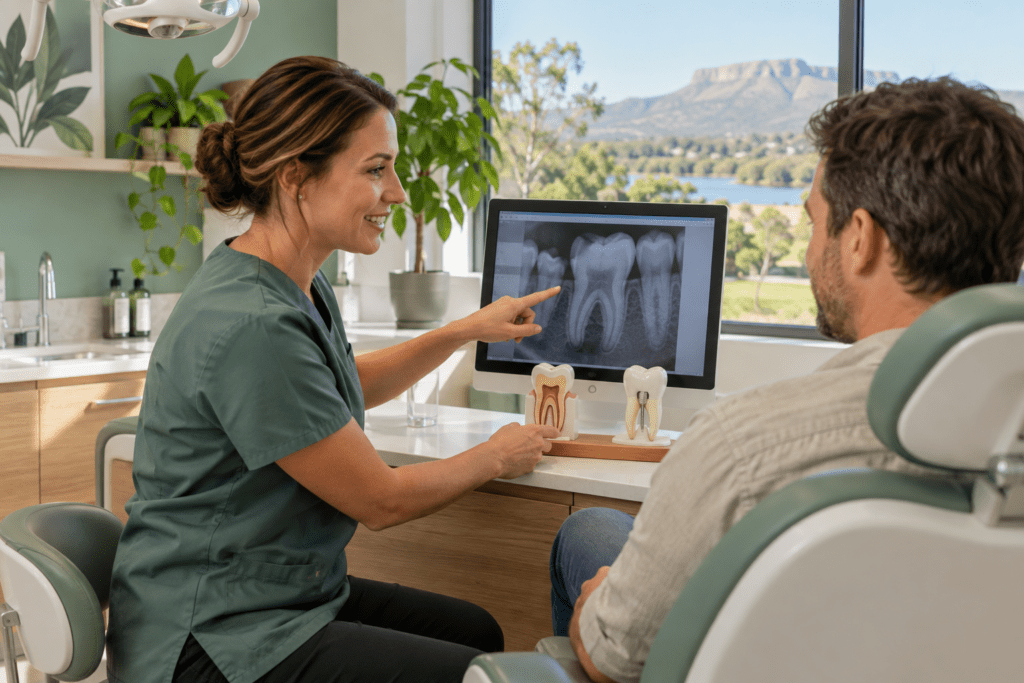
At a kids dental check-up, the dentist or oral health therapist first looks at your child’s teeth, gums and bite. They ask about:
-
Diet and snack patterns
-
Main drinking water (tank, bore, bottled or town supply)
-
Brushing habits and toothpaste
-
Any past fillings, toothache or dental injuries
This information helps decide whether fluoride treatments, fissure sealants for kids, or both are likely to help.
For varnish, the teeth are gently dried and the fluoride is painted on with a tiny brush. The coating sets quickly when it contacts saliva, so your child can close their mouth straight away. It may feel a bit sticky or taste slightly sweet or fruity, but it should not hurt.
For older children, the dentist may choose a gel or foam placed in soft trays that sit over the teeth for a few minutes. After any form of fluoride, kids are usually asked not to eat or drink for about 30 minutes. Low risk children might have this done every 6 to 12 months, while higher risk kids may benefit from visits every 3 to 6 months, always based on individual assessment after a clinical examination.
What are fissure sealants and why do we place them on kids’ molars?
Fissure sealants are thin, tooth coloured coatings placed on the chewing surfaces of back teeth to stop food and bacteria collecting in deep grooves. Dentists place them on kids’ molars because that is where most cavities start in school aged children. Fissure sealants and fluoride together give strong protection for growing smiles.
The chewing surfaces of molars have natural pits and fissures that can be very narrow and hard to clean. Even with good brushing, bristles often cannot reach the base of these grooves. Fluoride helps, but it may not reach all the way into deep fissures. A sealant flows into the grooves and sets hard, creating a smoother surface that is easier to keep clean.
These coatings are usually made from a tooth coloured resin similar to white filling material but runnier. Some sealants also release a little fluoride over time for extra protection. The aim is to prevent decay from starting, rather than to repair damage after a hole has formed. That is why dentists often refer to clinical prioritisation guidance for children when planning care around erupting first permanent molars and related oral structures.
How fissure sealants work and when we recommend them
Pits and fissures are the tiny channels and dimples on the top of molars where food often gets stuck. Because toothbrush bristles cannot always reach the base of these grooves, plaque can sit there and cause decay, even when the rest of the tooth looks clean. Sealants work by filling these spaces and blocking bacteria from reaching the enamel surface underneath.
Dentists usually consider sealants for:
-
First permanent molars that erupt around ages 6 to 7
-
Second permanent molars that appear around ages 11 to 13
-
Selected baby molars or premolars if their grooves are very deep and the child is at high risk
Kids who have already had fillings, who drink lots of sweet drinks, who wear braces or who live on low fluoride tank water often gain the most benefit. A dentist will normally check that the tooth surface is sound before placing a sealant.
Step-by-step what happens when we place fissure sealants
When a sealant is placed, the tooth is cleaned first to remove plaque and any food in the grooves. Cotton rolls or a soft rubber shield help keep the tooth dry, and gentle air is used to dry the surface. A mild gel is then applied for a short time to roughen the enamel slightly so the sealant can stick well.
After the gel is rinsed off and the tooth is dried again, the liquid sealant is flowed into the fissures with a small brush or fine tip. A blue curing light is held over the tooth for a few seconds to harden the material. The dentist checks the bite and smooths any high spots so the tooth feels normal when your child chews.
Often, several molars can be sealed in one visit, and most children cope very well with the process. If your child is anxious, the steps can be broken into shorter visits so they can become familiar with the sounds, tastes and light before all teeth are sealed.
How do fluoride treatments and fissure sealants compare and work together?
Fluoride treatments and fissure sealants compare well because they focus on different parts of the tooth surface. Fluoride covers all teeth, while sealants protect the deepest grooves on molars. Used together, they give layered support that helps prevent tooth decay in kids across all age groups.
Fluoride treatments act at a chemical level, strengthening enamel and helping early weak spots heal. Sealants act at a physical level, forming a barrier that locks out food and bacteria from high risk grooves. A child who receives both is less likely to develop cavities on smooth surfaces and on chewing surfaces of molars, provided home care is also strong.
As children grow and new molars erupt, the balance between fluoride and sealants can change. A preschooler might benefit mainly from fluoride and help with brushing. A school aged child with new molars may be ready for both fluoride treatments and fissure sealants for kids at the same visit. Regular review helps fine tune this plan.
Key differences between fluoride treatments and fissure sealants
This quick comparison can help parents see how the two options differ. It shows why dentists usually see them as partners rather than alternatives.
Fluoride treatments:
-
Main action: Strengthen enamel and help repair early mineral loss
-
Area protected: All tooth surfaces to some extent
-
How often used: Every 3 to 12 months as advised
-
Age range: Helpful from the first baby tooth through adulthood
-
Comfort: Painted or placed on teeth, no drilling or needles in standard care
Fissure sealants:
-
Main action: Block deep grooves on chewing surfaces
-
Area protected: Mainly pits and fissures on back teeth
-
How often used: Applied once, then checked and repaired as needed
-
Age range: Mostly for school age children and teens
-
Comfort: Similar comfort, usually no drilling or needles
How we personalise prevention at Noosa Hinterland Dental
At this Pomona practice, prevention plans are based on each child’s mouth, lifestyle and water source rather than a single template. During a kids dental check-up, the dentist looks at teeth, gums, plaque levels and tooth eruption. They ask about diet, sports drinks, main drinking water, brushing habits, medical history and any past toothache or fillings.
From this, children are grouped loosely into low, moderate or higher risk for decay. Low risk kids may do well with regular check-ups, home fluoride toothpaste and occasional fluoride varnish. Moderate or higher risk children may benefit from both fluoride treatments and fissure sealants for kids, especially on first and second permanent molars.
The team also talks through payment options, including bulk billed care under the Child Dental Benefits Schedule for eligible families. This Australian Government program supports preventive dentistry for many children. This helps parents feel comfortable about choosing preventive care early, rather than waiting until problems are painful or complex. Gentle, child friendly visits build trust so that each step can be added when the child is ready.
Safety, longevity and limits of fluoride treatments and sealants
Safety, longevity and limits are common concerns for parents thinking about fluoride and sealants for kids’ care. Fluoride and sealants have been studied for decades and are supported by groups such as the Australian Dental Association when used as advised. At the same time, no treatment makes teeth completely decay proof, so good habits still matter.
Both professional fluoride and sealants are used in controlled ways that focus on the teeth, not the whole body. The amounts used in varnishes, gels and resin coatings are small and applied infrequently. Regular reviews allow the dentist to check sealants, repeat fluoride when helpful and monitor any areas of concern.
Understanding how long these treatments last and what they cannot do helps set realistic expectations. Families can then see fluoride and sealants as part of a bigger picture, alongside brushing, tooth friendly food and routine visits.
Are fluoride treatments and fissure sealants safe for children?
Topical fluoride treatments in the clinic are applied directly to tooth surfaces and then spat out. Only a very small amount is swallowed, and the dose is far below levels linked with harm. In contrast, fluoride in water is swallowed and works throughout the body, so local fluoride exposure is always considered before extra treatments are suggested.
Dental fluorosis is a change in the look of enamel that can occur if too much fluoride is swallowed while teeth are forming. In Australia this is usually mild, appearing as faint white flecks that do not affect tooth strength. By using the right toothpaste amount for age and supervising brushing, parents keep the risk low.
Before any sealant or fluoride procedure, families are generally guided through informed consent for dental care so they understand the benefits, risks and alternatives involved. Allergies to these materials are rare, but known sensitivities are always checked before use. The Australian Dental Association supports both fluoride and sealants as sensible ways to help prevent tooth decay in children as part of a broader preventive program.
How long do sealants and fluoride benefits last – and what are the limits?
A well placed fissure sealant can last several years, often into the teen years. Over time, normal chewing may wear the edges, or small sections may chip. At regular visits, the dentist checks each sealed tooth and can repair or top up areas that have worn away, which is usually quick and simple.
The benefit from a professional fluoride treatment is strongest over the first few months, which is why repeat applications are suggested every 3 to 12 months. Daily brushing with fluoride toothpaste keeps a lower, steady level working between visits. Even with these supports, teeth can still decay if plaque sits undisturbed and sugary snacks or drinks are very frequent.
Fluoride and sealants do not replace brushing, flossing, a balanced diet or regular checks. They lower the chance and severity of decay, so problems that do appear tend to be smaller and easier to treat. Ongoing reviews allow any new risk factors to be picked up and the prevention plan to be updated as your child grows.
How can families support fluoride and sealants at home?
Families can support fluoride and sealants at home by keeping daily brushing, flossing and diet on track. These simple habits help professional treatments do their job and lower the need for fillings. In Pomona, Cooroy, Cooran, Kin Kin and nearby areas, a few realistic changes often make a big difference over time.
Fluoride toothpaste used twice a day keeps a low level of fluoride on tooth surfaces between visits. Brushing removes plaque from most areas, while flossing cleans between teeth where brushes and sealants do not reach. Limiting sugary drinks and snacks reduces the number of acid attacks that enamel faces each day.
Parents do not need perfect habits to help their children. Consistency with a few key steps works better than strict rules that are hard to keep. The aim is a routine that fits normal family life while still helping reduce the risk of tooth decay in kids.
Daily brushing, flossing and snack habits for kids
Good home care routines build the base for fluoride and fissure sealant plans for kids. Children should brush twice a day with fluoride toothpaste, using:
-
A smear of paste for under 3s
-
A pea sized amount from about age 3 to 6
-
From around 6, most children can manage a standard child or adult strength paste, as long as they spit out instead of swallowing
Most kids need help or close supervision with brushing until at least age 8. Parents can guide hand position, brushing time and where to focus, especially around the back molars and gum line. Flossing should start once any two teeth touch, using floss sticks if that makes things easier for small hands.
Snack choices also matter. Water should be the main drink, especially in the warm Sunshine Coast Hinterland climate, with soft drinks and sports drinks kept for rare occasions. Snacks like cheese, nuts, yoghurt and fresh fruit are kinder to teeth than sticky lollies, sweet biscuits or dried fruit that clings to grooves.
When to book a kids’ dental check-up at Noosa Hinterland Dental
Parents should book a kids dental check-up if they notice chalky white or brown spots, food catching in the same tooth or sensitivity to cold or sweet foods. Even without these signs, a visit every 6 to 12 months helps keep track of growth, brushing and decay risk. Regular appointments mean fluoride and sealants can be timed well as new teeth erupt.
Anxious children are supported with gentle, step by step visits that let them get used to the chair, sounds and tastes. Simple preventive visits often feel easier than emergency treatment, so starting early usually leads to better confidence. If you live in Pomona or the wider Noosa Hinterland, booking a relaxed assessment lets the dentist check whether fluoride treatments or fissure sealants for kids are right for your child at this stage. An individual recommendation always depends on an examination, discussion of habits and, where needed, dental x-rays.
To sum up
Fluoride treatments strengthen children’s teeth, while fissure sealants protect the deep grooves on back molars where decay often starts. Used together, a fluoride and fissure sealant care plan for kids can greatly reduce the chance of cavities, especially in regions with low fluoride water such as parts of the Noosa Hinterland. These options sit alongside brushing, diet and regular visits, not in place of them.
Dentists recommend professional fluoride varnish or gel because it is quick, painless and well supported by evidence for helping growing teeth. Sealants add a physical shield over high risk chewing surfaces, especially on first and second permanent molars that need to last for life. Both treatments have strong safety records and are supported by Australian health organisations when used as advised.
At the same time, no preventive treatment gives a perfect guarantee. Children still need help with brushing, access to tooth friendly snacks and routine check-ups so that any problems are found early. For families across Pomona, Cooroy, Cooran, Kin Kin and nearby areas, a visit to Noosa Hinterland Dental offers the chance to discuss fluoride, sealants and home care in person, and to set up a plan that suits your child’s needs after a proper examination. To arrange an appointment, you can contact the Pomona clinic directly and book a kids’ dental check-up or preventive care visit.
Frequently asked questions
Do kids still need fluoride treatments if we already use fluoride toothpaste at home?
Yes, many kids still benefit from professional fluoride even if they use fluoride toothpaste. Toothpaste gives a low daily level, while in clinic varnish or gel provides a stronger dose a few times a year. Children with low fluoride water, past decay or frequent snacks gain the most. The dentist decides after checking teeth, diet and water source at an examination.
Will fissure sealants feel strange or affect how my child bites or chews?
Fissure sealants may feel a little different at first, but they should not change the bite. The dentist always checks and smooths high spots so the teeth meet properly. Most children adjust within a day or two of normal chewing. If anything still feels odd, a quick review can sort it out.
Are fissure sealants covered under the Child Dental Benefits Schedule (CDBS)?
Yes, fissure sealants are often covered under the Child Dental Benefits Schedule for eligible children. The exact rebate depends on Medicare rules and how much benefit remains in the current period. Because details can change, it is best to contact the Pomona practice team before treatment. They can check eligibility and explain any likely out of pocket costs based on your child’s situation.
For more information on eligibility, you can also refer to the Services Australia CDBS page.
How much do fissure sealants cost compared with fillings later on?
Fissure sealants are usually more cost effective than treating decay with fillings, crowns or extractions later. Sealants help prevent cavities, so they may reduce future treatment time, discomfort and fees. Exact costs vary between children and depend on how many teeth are sealed. A proper examination is needed before the dentist can give a clear quote for your child.
At what age should my child first see a children’s dentist in Pomona?
Most children benefit from seeing a dentist by their first birthday or within six months of the first tooth appearing. Early visits help spot any risks, guide brushing and make the dental setting feel normal. If your child is older and has not yet seen a dentist, it is still worthwhile to book now so care can match their current needs.
Can fluoride treatments and sealants stop every cavity?
No, fluoride treatments and sealants cannot stop every cavity, but they greatly reduce the risk. When combined with daily brushing, flossing, tooth friendly food and regular check-ups, they help keep decay smaller and less frequent. Ongoing reviews mean that if early decay does appear, it can be treated promptly before it causes pain or infection.
If you would like advice that is specific to your child, the next step is to book a kids’ dental assessment in Pomona so their teeth, gums and risk factors can be checked in person.