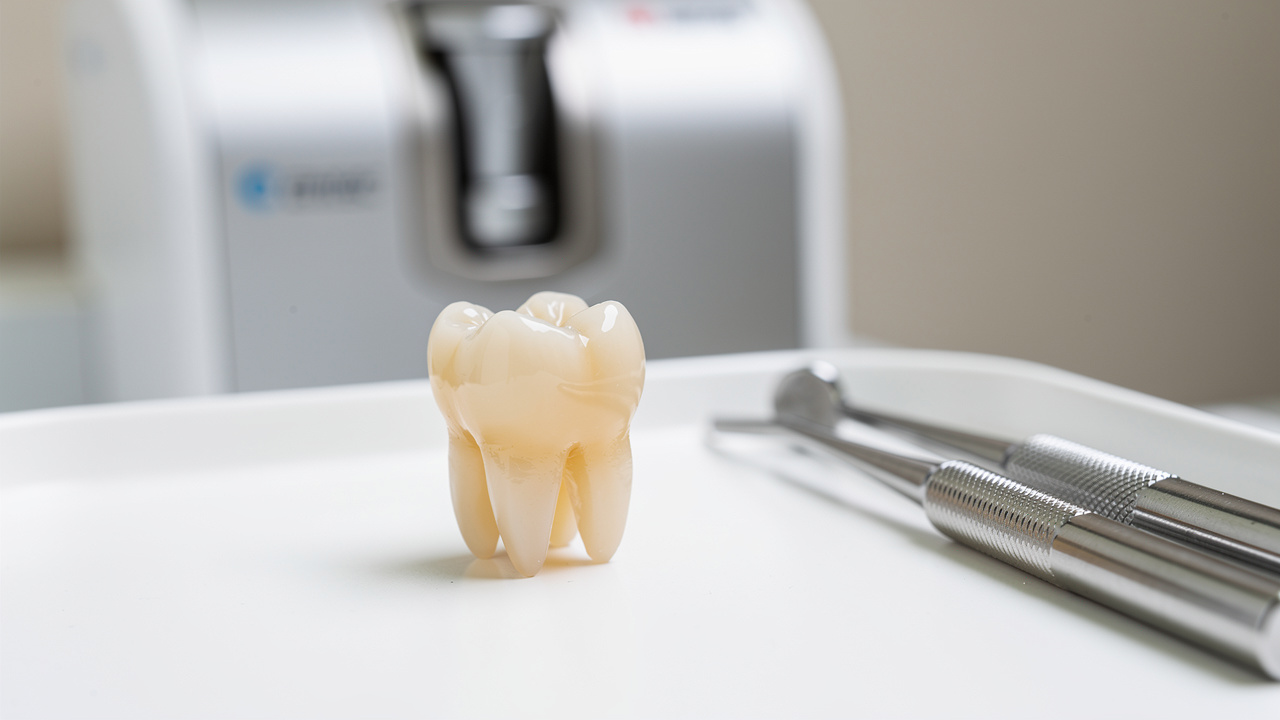
Toothache can make the choice between root canal vs extraction feel stressful and urgent. Root canal treatment is usually the better option when the tooth can be rebuilt and has healthy bone support, so it can keep working in your mouth.
Extraction tends to be recommended when the tooth is cracked down the root, badly decayed below the gum, or very loose and unlikely to last. At Noosa Hinterland Dental in Pomona, we weigh these details before advising how to treat each tooth.
There is no single “best” treatment for every damaged tooth, because the right choice depends on how much healthy tooth remains, how severe the infection is, and how strong the surrounding gums and bone are. We also look at your long‑term comfort, appearance, budget, and how each option may affect future treatment needs. This article explains how dentists compare root canal and extraction, how we judge whether a tooth can be saved, and what that means for healing, cost and your smile over time.
By the end, you will have a clearer picture of when a tooth is worth saving, when removal is wiser, and how families around Pomona, Cooroy and the wider Noosa Hinterland can get calm, clear advice rather than rushed decisions.
Key takeaways
When people compare root canal vs extraction, they usually want quick, plain guidance while they are in pain or worried. This summary gives the main points you can keep in mind before reading the fuller explanations below. You will see that both options can work well, but in different situations and with different long‑term effects.
-
Root canal and extraction are both reliable ways to stop pain and clear dental infection, yet they differ in what happens to the tooth afterwards and how your mouth functions over time. Root canal keeps the tooth in place by cleaning and sealing the inside, which helps protect your bite and jaw bone. Extraction removes the whole tooth, which can be simpler on the day but often leads to changes in chewing, appearance and future treatment needs.
-
Dentists decide whether a tooth can be saved by looking at how much healthy structure is left, whether there are deep cracks, and how strong the gums and bone are around the roots. If the tooth can hold a crown or strong filling and the bone support is good, root canal usually has a very good outlook. If the tooth is split, decayed far under the gum, or already very loose, extraction is often the more sensible and stable path.
-
A simple extraction usually costs less upfront than root canal plus a crown, although that lower price often only covers the first step and not long‑term needs. When you include the price and time of replacing a missing tooth with an implant, bridge or partial denture, saving a restorable tooth with root canal is often similar in cost or sometimes cheaper over several years. Thinking about both today’s bill and the 5–10 year picture helps families choose more confidently.
-
Comfort and recovery are usually manageable for both treatments when modern numbing and sedation options are used with care. Many people find root canal feels much like having a larger filling and have only mild tenderness afterwards, while extractions, especially surgical ones, tend to cause more soreness and chewing limits for several days. For nervous adults and children, the practice offers options such as nitrous oxide, oral medication and IV sedation to make either choice less stressful.
-
There is no universal winner between root canal and extraction. The better choice is the one that matches the tooth’s condition, your general health, your tolerance for treatment and your plans for future tooth replacement.
Table of Contents
- What is the difference between a root canal and an extraction?
- How do dentists decide if a tooth can be saved with a root canal?
- How do comfort, healing time and cost compare: root canal vs extraction?
- What are the long‑term effects on your mouth: saving vs removing a tooth?
- How does Noosa Hinterland Dental help you choose between root canal and extraction?
- To sum up
- Frequently asked questions
What is the difference between a root canal and an extraction?
The main difference between a root canal and an extraction is whether the tooth stays in your mouth. Dentists usually recommend root canal treatment when the tooth can be rebuilt and the surrounding bone and gums are healthy, while extraction is chosen when the tooth cannot be saved. Both treatments remove infection and relieve pain, but they lead to very different long‑term outcomes for chewing, appearance and jaw bone. Root canal carefully cleans the small canals inside the roots, fills them, and then restores the top of the tooth so it can keep working. Extraction removes the entire tooth from the jaw, which may later need a replacement such as an implant, bridge or partial denture to keep your bite stable.
How a root canal treatment works to save a damaged tooth
Root canal treatment saves a damaged tooth by cleaning out the infected or inflamed nerve tissue inside it and sealing the space. Each tooth has a hard enamel shell, a middle layer of dentine, and a central pulp that holds nerves and blood vessels, which can become infected when decay, cracks or trauma reach it. When this pulp is badly inflamed or infected, simple fillings are no longer enough to settle the pain or protect the tooth.
During a root canal, the dentist starts with a careful exam, digital X‑rays and sometimes a 3D scan to check the roots, bone and any abscess. Local anaesthetic numbs the tooth, and for anxious patients nitrous oxide or other sedation can be used so the visit feels calmer. A small opening is made in the tooth, the canals are cleaned and shaped with fine instruments and disinfecting fluids, and then filled with a rubber‑like material. The tooth is finally restored, often with a crown on back teeth, and studies reported by the American Association of Endodontists indicate success rates of around 90% when this process is done well and the tooth is properly restored.
Tip: After a root canal on a back tooth, ask whether a crown is recommended. Research shows crowned molars tend to last longer than those left with large fillings alone.
What actually happens during a tooth extraction
According to official patient guidance on tooth extraction procedures, tooth extraction removes a tooth from its socket in the jaw when it is too damaged or loose to repair. A simple extraction is used when enough of the tooth shows above the gum to grip, while a surgical extraction is needed for teeth broken at gum level, impacted teeth or roots that are difficult to reach. In both cases, the aim is to take out the tooth safely, clear infection and allow the area to heal.
First, the area is numbed with local anaesthetic and sedation can be added for very nervous patients. For a simple extraction, the tooth is gently loosened with fine instruments and lifted from the socket, then the site is cleaned and gauze is placed for you to bite on. Surgical extractions can involve a small gum flap, removal of a little bone and sometimes dividing the tooth into pieces before stitching the gum. Normal healing takes about 1–2 weeks for the gums, with some soreness and swelling that usually settle with pain relief and good aftercare, and many people later choose an implant, bridge or partial denture so the gap does not affect chewing or confidence.
How do dentists decide if a tooth can be saved with a root canal?
Dentists decide whether a tooth can be saved with root canal treatment by judging how restorable and stable it is in the long term. They look at the amount of healthy tooth above the gum, the pattern of any cracks, the health of the surrounding bone and gums, and how far any infection has spread. X‑rays and sometimes Cone Beam CT scans help show hidden decay, fine root fractures and bone loss that are not visible in the mirror. If there is enough strong tooth to hold a crown or filling, the roots are intact, and gum support is good, root canal often has an excellent prognosis and keeps your bite balanced. When there is deep decay under the gum, a vertical root fracture, severe gum disease or several failed treatments already, extraction can be the safer recommendation, especially once future replacement and cost are considered.
Clinical signs that favour root canal over extraction
Several findings during an exam and on X‑rays make root canal a strong choice for saving a tooth. Dentists like to see enough solid enamel and dentine above the gum so the tooth can hold a strong restoration without breaking again. On the X‑ray, the roots should be complete and free from deep vertical cracks, the canals should be accessible, and any infection at the tip of the root should look localised rather than widespread.
Healthy or only mildly inflamed gums around the tooth also support a good root canal prognosis, because they show that bone support is likely to remain stable. A tooth needing its first root canal usually has a better outlook than one that has failed several treatments already, especially when a protective crown is planned straight after. Teeth that carry much of the chewing load, like lower molars, and front teeth that show in your smile are often considered strategic, so saving them with root canal is usually preferred when the other signs look promising.
When does damage or infection mean extraction is more sensible?
Sometimes the pattern of damage or infection means that extraction offers a more reliable and healthy outcome than another attempt at saving the tooth. Deep decay that extends far under the gum, or a tooth broken almost to bone level, can leave too little structure to grip a crown or filling safely, even if root canal cleared the nerve problem. Similarly, split teeth and vertical root fractures often move slightly with biting and let bacteria leak in, which makes long‑term sealing nearly impossible.
Severe localised gum disease with major bone loss and loose teeth also points towards extraction, because treating the nerve will not fix the weak foundation. Teeth with unusual root shapes, advanced root resorption or several failed root canals may not respond well even to complex retreatment or endodontic surgery. In cases of rapidly spreading infection, or when medical conditions make infection more risky, your dentist may recommend timely extraction first, then careful planning of any replacement once the area has healed.
How do comfort, healing time and cost compare: root canal vs extraction?
Comparing comfort, healing and cost for root canal vs extraction helps patients understand the full picture, not just the next appointment. During treatment, both options are carried out under local anaesthetic so sharp pain should be blocked, and modern techniques mean most people cope very well. Afterwards, root canal usually causes only mild to moderate tenderness for a few days, while extractions, especially surgical ones, often bring more soreness, swelling and chewing limits for up to a week.
In terms of money, a simple extraction usually costs less up front than root canal plus a crown, but when you add the price of an implant, bridge or denture to replace the missing tooth, long‑term costs often end up similar or even higher, according to consumer guides such as CHOICE dental cost overviews and the Australian Dental Association’s fee surveys.
Pain, anxiety and recovery: what most patients can expect
For both root canal and extraction, the treatment itself should feel like pressure and vibration rather than sharp pain because the area is numbed. Many people are surprised that modern root canal feels similar to having a deep filling, especially once anxiety has settled. Simple extractions are also quick once everything is numb, while surgical extractions take longer but still rely on good anaesthetic so you stay comfortable.
After a root canal, the tooth and surrounding gum may feel tender to biting or touch for a few days, which is usually managed with over‑the‑counter pain relief and careful chewing. After an extraction, there is often more soreness, swelling and difficulty chewing on that side for several days, and surgical extractions can also cause bruising and a longer recovery. Nitrous oxide, oral sedatives and IV sedation are available in many dental settings for suitable patients who find treatment very stressful, and clear written aftercare from the dental team helps you know what is normal and when to call if pain worsens instead of settling.
Tip: Following the written post‑op instructions, especially for rest, icing and not smoking, can make more difference to comfort and healing than the choice of procedure alone.
Short‑term vs long‑term costs and tooth replacement needs
Short‑term costs are where extraction often looks like the cheaper option, because a simple removal can be much less than root canal plus a crown. Australian data suggest root canal on a molar can range from several hundred dollars to more than $2,000 once X‑rays and a crown are included, while simple extractions are often lower. However, if you later replace the missing tooth with an implant, which can cost several thousand dollars, or a bridge, which also has a significant fee, the total over time can easily exceed the price of saving the tooth in the first place.
When a tooth is removed, dentists usually discuss three main replacement paths so you can weigh cost and comfort over several years rather than just today.
-
Implants place a titanium or ceramic post in the bone with a crown on top, which often feels closest to a natural tooth and helps keep bone volume, but costs more and happens over several stages.
-
Bridges join a false tooth to crowns on the neighbouring teeth, which can be quicker than implants and avoids removable plates, although it requires shaping the support teeth and does not stop bone loss under the gap.
-
Partial dentures are removable plates that can replace several teeth at once, usually for a lower fee, but they can feel bulkier, may move a little with chewing, and need daily removal and cleaning.
After explaining these paths in everyday language, the Pomona team can provide itemised written quotes for root canal plus crown and for extraction plus each replacement option, so households can compare likely costs over the next 5–10 years rather than only the first visit.
What are the long‑term effects on your mouth: saving vs removing a tooth?
The long‑term effects of saving a tooth with root canal or removing it with extraction reach far beyond the initial pain relief. A well‑treated and well‑restored tooth helps keep your bite balanced, your jaw joints comfortable and your smile looking natural. In contrast, a gap that is not thoughtfully managed can lead to bone shrinkage, teeth drifting, changes in chewing patterns and sometimes jaw discomfort. Over years, these changes can make future dentistry more complex, which is why dentists talk about prognosis and whole‑mouth health when discussing root canal vs extraction.
How keeping a root‑treated tooth supports bite, bone and appearance
Keeping a tooth after root canal treatment supports the natural position of neighbouring and opposing teeth, which helps your bite stay stable. When the tooth stays in place, it continues to stimulate the surrounding jaw bone, which reduces the bone shrinkage that typically follows extraction. A stable bite spreads chewing forces more evenly, which may lessen the strain on the jaw joints and reduce the risk of overloading other teeth.
From a cosmetic view, a well‑made crown or strong filling on a root‑treated tooth can restore its original shape and colour or even improve them, especially in the front of the mouth. Research reported in journals such as the International Endodontic Journal suggests that molars which receive crowns after root canal are more likely to last than those left only with large fillings. This kind of evidence supports the common advice to protect back root‑treated teeth with timely crowns, so they can keep working quietly for many years.
What can happen if a missing tooth is not replaced
Long-term research, including a Swedish study examining the longevity of single-tooth implants, shows that when a tooth is removed and left unrestored, the surrounding bone naturally shrinks over months and years because it no longer has a root to support. The gum contour changes with this bone loss, which can make the area harder to clean and sometimes less ideal for future implants or other replacements. Neighbouring teeth may slowly tip or drift into the space, while the opposing tooth can over‑erupt, leading to bite changes that you might notice as uneven chewing or food catching more often.
These bite changes can sometimes place extra strain on the jaw joints and chewing muscles, which may contribute to discomfort in some people. A visible gap in the smile area can also affect how confident you feel at work or socially, especially when speaking or laughing. Planning tooth replacement such as an implant, bridge or partial denture soon after extraction can reduce many of these long‑term changes, and this planning is an important part of fair comparison between root canal and extraction.
How does Noosa Hinterland Dental help you choose between root canal and extraction?
Our team helps patients choose between root canal and extraction by taking a whole‑mouth, long‑term view rather than only treating the sore tooth. We use digital X‑rays, 3D CBCT imaging and careful bite and crack checks to see how much sound tooth is left, how healthy the gums and bone are, and how important that tooth is for chewing and appearance. Because the practice provides root canal, crowns, extractions, implants and dentures in one Pomona location, it can map out several realistic paths from first visit through to final restoration. We also listen closely to your goals, anxiety levels, time pressures and budget, then discuss which option is likely to give the most stable and comfortable result for your stage of life.
Step‑by‑step assessment and discussion at Noosa Hinterland Dental
At a typical visit for a painful or damaged tooth, we begin by talking through your symptoms, dental and medical history, and any worries you have about treatment. A thorough exam follows, looking for cracks, deep decay, loose teeth and how your bite comes together, backed up with digital X‑rays and, when needed, a 3D CBCT scan to reveal root shapes, bone levels and hidden infections. This information tells us whether the tooth is realistically restorable and how long it is likely to last with root canal and a crown.
Once we understand the full picture, we explain your options in plain language, including root canal plus the likely type of final restoration, extraction with different replacement options, or sometimes short‑term stabilisation if you need time to decide. Each option comes with a written treatment plan and itemised quote you can take home to review or discuss with family. That way, families from Pomona, Cooroy, Cooran, Kin Kin and nearby towns can make a decision that fits both their oral health and their household budget.
Support for anxious patients, children and emergency situations
Many people arrive worried about pain, needles or past bad experiences, so we use a gentle, trauma‑aware style with plenty of time for questions and breaks. Nitrous oxide helps both adults and children feel more relaxed and less aware of time, while suitable patients may also choose oral medication or IV sedation so care feels more manageable. This support can make both root canal and extraction feel less frightening, and often changes how people feel about returning for future care.
For emergencies such as severe toothache, abscesses and dental injuries, we aim to see patients promptly so pain and infection can be controlled and a clear plan made. Children’s visits focus on early decay detection, fissure sealants, and when needed, carefully planned pulpal treatments or extractions that consider future growth and orthodontic needs. If you are worried about a sore or broken tooth, you can phone (07) 5485 5340 or visit the Pomona practice at 8 Memorial Avenue to talk through whether the tooth is likely to be saved or needs removal.
Reminder: Early assessment often keeps more choices on the table. Waiting can turn a repairable tooth into one that needs extraction.
To sum up
Root canal and extraction both remove infection and relieve toothache, but they do so in very different ways that affect your mouth for years. Root canal keeps the tooth in place after the nerve space is cleaned and sealed, which helps maintain chewing, jaw bone and smile appearance. Extraction removes the tooth completely, which can be the healthier choice when a tooth is too broken, infected or loose to repair reliably. Thinking about restorability, gum and bone support, and long‑term prognosis helps explain why dentists sometimes recommend one option firmly over the other.
In many cases, saving a tooth with root canal and a good crown offers the best mix of comfort, function and confidence, especially for key chewing teeth and front teeth in the smile line. When the tooth is beyond repair or has already failed several treatments, timely extraction and a well‑planned replacement such as an implant, bridge or partial denture can provide a safer and more stable result. Toothache rarely improves by waiting, and early assessment keeps more choices available, so if you live in the Noosa Hinterland and are unsure about root canal vs extraction, booking a calm, clear consultation with Noosa Hinterland Dental is a sensible next step.
For appointments or further advice, you can call (07) 5485 5340 or visit the clinic website at https://noosahinterlanddental.com.au/ to arrange a visit in Pomona.
Frequently asked questions
Is a root canal more painful than having a tooth pulled?
Root canal and extraction are both done with local anaesthetic, so you should not feel sharp pain during either. Root canal usually feels similar to a long filling visit, while extraction feels like firm pressure and wobbling. Afterwards, most people have milder tenderness after root canal than after a surgical extraction. For very anxious patients, options like nitrous oxide, oral medication and IV sedation can make both treatments feel much more manageable.
How do I know if my tooth is too damaged for a root canal?
A tooth that is broken down to gum level, has a deep vertical crack, or is very loose often has a poor outlook for root canal. X‑rays and sometimes CBCT scans help show decay hidden under the gum, root fractures and bone loss that you cannot see yourself. Only a clinical exam can confirm what is possible, so it is best not to rely on photos or internet searches. At the Pomona clinic, the team always checks both the remaining tooth structure and gum support before suggesting extraction.
Is it cheaper to get a root canal or to pull the tooth and get an implant?
A simple extraction is usually cheaper upfront than root canal plus a crown, so it can look like the budget‑friendly choice. However, when you add the cost of an implant or bridge to replace the missing tooth, long‑term costs often exceed saving a restorable tooth, as consumer data from Australia show. Actual fees vary with the tooth, complexity and practice. It is helpful to ask for itemised plans for both paths so you can compare likely total costs, not just the first visit.
How long does a root canal‑treated tooth last compared with an implant?
Many root‑treated teeth last for many years, often decades, especially when protected with a crown and kept clean with daily brushing and flossing. Implants also have high long‑term success rates, but like teeth, they can fail if plaque control is poor, smoking continues or medical risk factors are present. Both options need regular dental check‑ups and good home care to stay healthy. The best choice in your case depends on your mouth, health and goals, not only on survival statistics.
Can I just take antibiotics instead of a root canal or extraction?
Antibiotics can reduce swelling and help you feel better for a short time, but they do not remove the infected pulp, deep decay or crack. Once the course ends, infection usually returns because the source is still inside the tooth. Repeated antibiotic use also carries risks, and current guidelines from groups such as the Australian Dental Association recommend treating the tooth itself wherever possible. If you have pain, swelling or fever from a tooth, prompt dental review is safer than relying on repeated prescriptions.
What if my child needs a root canal‑type treatment or extraction?
Children’s teeth are treated differently from adults, and baby teeth often have pulpotomies or pulpectomies rather than full adult‑style root canals. Dentists base the choice on how close the tooth is to falling out naturally, how far infection has spread, and how important that tooth is for guiding adult teeth into place. The team uses gentle explanations, “tell‑show‑do” techniques and nitrous oxide where helpful so visits feel less scary. Parents are encouraged to ask how each option may affect future growth and possible orthodontic treatment.
When should I book an appointment for root canal vs extraction advice?
You should arrange a dental appointment as soon as you notice toothache that lasts more than a day or two, sensitivity that lingers, swelling, a pimple on the gum, or a tooth that has cracked or broken. These signs can mean the nerve is affected or infection is building, and early care can increase the chances of saving the tooth. If you are near Pomona or the wider Noosa Hinterland, book an appointment with Noosa Hinterland Dental: call (07) 5485 5340 or contact us via https://noosahinterlanddental.com.au/ to book an assessment and talk through whether root canal or extraction is likely to suit your situation.