Filling cost Queensland estimates depend on the tooth, filling size, material, appointment complexity and your private health cover. A small composite filling generally costs less than rebuilding a heavily damaged tooth. This guide explains typical cost drivers, questions to ask before treatment, and how Pomona patients can compare a written quote and expected rebate.
This article explains what a filling is likely to cost in Queensland, what changes the price, and how fillings compare with bigger treatments like root canals and crowns. It also walks through how health funds, Medicare programs and payment plans can reduce out of pocket costs for families. Noosa Hinterland Dental in Pomona focuses on clear advice and written treatment plans, so you know fees before you decide.
By the end, you will understand typical cavity treatment cost ranges, what to expect at an appointment, and how to keep teeth and budgets in better shape over time. If you are worried about a possible cavity, the safest step is still to book an assessment rather than waiting to see what happens.
Key takeaways
Many Queensland families want quick, simple answers about filling cost before they read every detail. This summary gives the main points so you can decide what to read next in more depth.
-
A typical filling cost Queensland patients see is usually in the low to mid hundreds per tooth, with most standard composite fillings sitting around $150 to $450 and higher fees for large or ceramic work on back teeth. Small one surface repairs tend to sit at the lower end of any range, while bigger multi surface restorations are closer to the top end. Prices still vary between practices because of overheads and appointment length.
-
The main things that push tooth filling cost up or down are which tooth is involved, how many surfaces need repair, the size and depth of decay, the material chosen and any extra steps like x rays or temporary fillings. Front teeth and small cavities usually cost less than molar fillings that wrap around several sides of the tooth. Practice location, time booked and technology also change what you are quoted.
-
Private extras cover, Medicare Child Dental Benefits Schedule and DVA support can all reduce what you pay on the day, but limits and rebates differ between funds and schemes. Health insurance dental filling rebates are set per item number, so the fund pays a fixed amount and you pay the gap. Checking your benefits before treatment helps avoid surprises.
-
Treating decay early with a small filling nearly always costs less and feels easier than waiting until the tooth needs a large filling, root canal or crown. Regular check ups and cleaning visits help keep problems at the filling stage instead of reaching more complex care that can cost thousands. Watching a known cavity often means higher bills later.
-
When you notice sensitivity, pain when biting, dark spots or a chipped filling, it is time to book an assessment in Pomona. The team at Noosa Hinterland Dental can examine each tooth, explain options and costs in plain language, and help you plan treatment and payments in a way that fits your situation.
What does a filling typically cost in Queensland?
A standard dental filling in Queensland usually costs somewhere between about $150 and $450 per tooth. The exact filling cost Queensland families pay depends on the tooth being treated, the material used, how many surfaces are involved and how complex the work is. Small, simple repairs sit at the lower end of this range, while larger or more detailed restorations cost more.
Across Brisbane, the Sunshine Coast and regional areas, most basic composite fillings fall within this band. Very small repairs can sometimes start from around $120 at some practices, while porcelain or ceramic restorations can reach several hundred dollars more. For Pomona and Noosa Hinterland families, the final fee also reflects the practice’s overheads, how long is booked for the visit, and whether x rays and check ups are billed together or separately.
While it can feel like a lot to spend on one tooth, a filling is still far cheaper than letting decay spread until the nerve is involved. At that point treatment may move into root canal therapy, a crown or even an implant, which all sit in the four figure range. So early filling care is usually one of the best value steps in dentistry.
Typical cost ranges for common filling types
Different materials carry different price brackets, although dentist skill and time are just as important as the product used. Most everyday fillings in Australia now use white composite resin, with older silver amalgam and special glass ionomer materials used in selected cases. Ceramic inlays and onlays are more like small sections of crown and sit in a higher fee range.
Here is a simple guide to common materials and what Queensland families can expect per tooth.
Composite resin (white) fillings often sit around $180–$450 per tooth for most front and back teeth. Small composite fillings for tiny one surface cavities in easier to reach spots can start from around $120 at some clinics. Amalgam (silver) restorations are usually in the order of $150–$350 for back teeth in practices that still place silver. Glass ionomer cement, often used near the gumline, in baby teeth or in low stress areas, may be quoted in a range around $150–$300 per tooth. Porcelain or ceramic inlays and onlays, which are made outside the mouth or milled by a machine, can range from about $400 through to $2,000 or more for large defects on molars and premolars.
The lower end of each band usually relates to a one surface filling on an easy to reach tooth. The upper end reflects larger, multi surface work, ceramic pieces made by a lab and complex cases where extra steps are needed.
How fillings compare to other dental treatment costs
When people think about filling cost Queensland wide, it helps to compare it with what happens if decay is left too long. A filling usually sits in the hundreds per tooth, while more advanced treatment can move into the thousands. This difference is one reason dentists stress early care.
Standard fillings are commonly in the order of $150–$450 per tooth. Ceramic inlays or onlays tend to fall somewhere between about $400 and $2,000 or more. Root canal treatment can sit roughly between $1,800 and $3,500 per tooth, depending on which tooth is treated and how many visits are needed. Dental crowns often range from about $1,500 to $2,500 each, while a full dental implant and crown can range from about $5,000 to $7,000 or more.
Skipping a recommended filling can allow decay to reach the nerve, crack the tooth or weaken it so much that a crown or extraction is needed. At that stage, cavity treatment cost jumps sharply and appointments become longer and more involved. From both a comfort and financial view, addressing problems while they are still at the filling stage is usually the wisest move.
What factors affect your filling cost in Queensland?
The filling cost Queensland patients see on a treatment plan is shaped by both clinical and practice factors. Clinical factors relate to the tooth itself and the work needed, while practice factors relate to where you have the treatment and how that clinic runs. Understanding both sides makes price differences easier to follow.
On the clinical side, tooth type, the number of surfaces, the size and depth of decay and the material chosen all change the time and skill needed. On the practice side, location, rent, appointment length, technology and the dentist’s style of care also influence fees. For families around Pomona, Cooroy and Cooran, it is quite normal to see two different quotes for what sounds like the same filling.
Clinical factors tooth, surfaces, material and complexity
Tooth related details have a direct effect on how long a filling takes and how tricky it is. Front teeth are easier to reach, often smaller and carry less biting force, so fillings here are usually quicker. Premolars and molars are harder to access and carry much more chewing load, so they often need larger, carefully shaped restorations.
Dentists also classify fillings by how many surfaces are treated.
-
A one surface filling repairs only the biting surface or one side and usually sits at the lower end of any price range.
-
Two surface fillings cover the biting surface and one side, so they need more shaping and time.
-
Three or more surface restorations can wrap around the tooth and sit closer to the top end of the scale.
Size and depth matter as well. A small, shallow cavity is quick to clean and refill. Deep decay close to the nerve may need protective lining layers, careful shaping and extra time to avoid irritation, which adds to the fee. The type of material chosen also plays a part, since composite, glass ionomer, amalgam and ceramic each have different costs and placement steps.
Complexity increases again when replacing old fillings, repairing cracked teeth, working near the tongue or gum or helping very anxious patients who need more breaks. Every extra step adds time, which usually flows through to the final quote.
Practice and regional factors in Queensland
Practice and regional factors explain why two clinics can quote different prices for similar work. A dentist in inner Brisbane often pays higher rent and staff costs than a clinic in a smaller town, and that flows into fees. Sunshine Coast and Noosa Hinterland practices tend to sit somewhere between city and remote pricing, but each business is still different.
Appointment style also matters. Some practices focus on shorter, budget conscious visits with limited time for discussion. Others book longer sessions that allow more explanation, preventive advice and gentle support for nervous patients, and their fees reflect that time. Investment in technology such as digital x rays, scanners or onsite ceramic milling machines can also change costs while sometimes saving extra visits.
Staff experience and ongoing training influence decisions around materials and techniques, although every AHPRA registered dentist in Queensland must meet strict national safety and infection control standards. Lower prices do not automatically mean lower quality, but they may mean a different balance between time, convenience and personal attention.
How do material and tooth type change your filling price?
Material choice and tooth type often explain the biggest differences in filling cost Queensland families see on quotes. Each material has its strengths, appearance and price bracket, and certain teeth are more suited to particular options. Back molars, which take heavy chewing forces, usually cost more to restore than front teeth.
Composite resin is now the most common everyday material across Australia because it matches tooth colour and works well for small and medium cavities. Glass ionomer, amalgam and ceramic all have useful roles in certain spots. At the same time, front teeth often need careful cosmetic detail, premolars need moderate strength and molars demand strong, well shaped fillings that take longer to place.
Comparing common filling materials and their pros and cons
Choosing a filling material means balancing appearance, strength, expected life and cost. For most families, composite resin hits a good balance between tooth coloured looks, cost and function. Other materials are better suited to special situations or larger restorations.
In broad terms, composite resin fillings usually sit in a range around $180–$450 per tooth, look tooth coloured and often last about 5–7 years or longer with good care. They are commonly used for most front and back teeth with small to medium cavities.
Amalgam fillings, where still used, are typically in the order of $150–$350 per tooth, appear silver and can last around 10–15 years or more. They are often placed on back molars in practices that still offer this material.
Glass ionomer cement restorations may be quoted around $150–$300 per tooth. These are tooth coloured but more matte in appearance, with a shorter to medium term lifespan. They are often chosen for baby teeth, gumline areas at high decay risk or spots where keeping the tooth dry is more difficult.
Ceramic inlays and onlays usually start around $400 and can exceed $2,000 per tooth, depending on size and laboratory or milling costs. They are tooth coloured and glossy and can often last 15 years or more when well cared for. They are often used for large cavities and heavily filled molars where extra strength is helpful.
Amalgam use has declined as more people prefer tooth coloured fillings and as composite materials have improved. Glass ionomer is handy when moisture control is tricky or when fluoride release helps protect high risk areas. Ceramic inlays and onlays sit between a big filling and a full crown, offering strength and good looks for damaged molars at a higher initial fee.
Tooth position front teeth vs premolars vs molars
Where the tooth sits in your mouth also changes the filling cost Queensland patients can expect.
-
Front teeth usually have smaller cavities and are easier to reach, so they tend to sit at the lower end of price ranges. These fillings are almost always composite resin, with extra time spent on shaping and shade matching for a natural smile.
-
Premolars sit between the canines and molars and take moderate chewing load. Fillings here often involve the biting surface and one side, so they are commonly two surface restorations sitting in the middle of typical price brackets. Material choice is usually composite, although other options may appear in special cases.
-
Molars carry the biggest load and are often harder to access, especially in smaller mouths or for people with a strong gag reflex. Cavities here can be wider and deeper, involving several surfaces, so they usually cost more and sometimes need ceramic inlays or onlays rather than simple fillings. People who grind or clench their teeth may be steered toward stronger materials on molars to protect both the tooth and the restoration over time.
How do health funds and government schemes affect filling cost?
Health funds and government schemes can make a big difference to the filling cost Queensland families actually pay from their own pocket. Extras cover, the Child Dental Benefits Schedule and support for veterans often reduce the gap, but the details depend on your cover and eligibility. Understanding these systems helps when planning treatment timing and family budgets.
Private health insurance usually pays a fixed rebate per dental item number, and you cover the rest. Government programs like the Child Dental Benefits Schedule fund specific services for eligible children up to a set cap over two years. For Pomona and Noosa Hinterland families, clear written quotes with item numbers make it easier to check likely rebates before treatment.
Private health insurance and item numbers for fillings
Extras or general dental cover usually includes check ups, cleaning and simple fillings, although the rebate level and yearly limit vary between funds. Each filling, x ray or examination carries an Australian Dental Association item number, and your fund sets a fixed amount it will pay for each one. The fund pays that amount, and you pay the difference.
A quote for a typical visit might list an exam, one or two small x rays and several item numbers for fillings, each showing the number of surfaces and the type of material. With that list you can call your fund or use its app to find out how much it will pay and what your gap will be. Waiting periods, annual limits and whether your dental and general extras share one pool or separate ones all affect the final result.
Many Queensland practices use HICAPS terminals so the fund pays its share instantly when you tap your card or app. This means you only pay the gap on the day, rather than claiming later. Bringing your health fund card and asking for item numbers before treatment helps keep costs clear and avoids surprise bills.
CDBS, DVA and support for children and veterans
Several public schemes also help with filling cost Queensland wide for eligible groups. The Child Dental Benefits Schedule provides Medicare funded basic dental care for eligible children, linked to certain Services Australia payments and an age range of 2 to 17 years. It usually covers check ups, x rays, preventive care, simple fillings and basic extractions up to a capped amount over two calendar years.
The Pomona clinic can bulk bill eligible children under CDBS until their cap is reached, which often means no gap for standard fillings within that limit. For veteran card holders, the Department of Veterans’ Affairs provides support for clinically needed dental care, although entitlements differ by card type and personal situation. Bringing Medicare and DVA details to your appointment allows the team to help check what is covered.
Because scheme rules and caps can change, individual advice always needs a current card and a check with the relevant body or its website, such as Services Australia or DVA. The practice team can guide you through what is funded and where a small gap may still apply.
How does Noosa Hinterland Dental approach filling treatment and costs?
The filling cost Queensland families see on a quote is only part of the story. How a clinic assesses teeth, explains options and supports patients also matters. Noosa Hinterland Dental takes a clear, patient centred approach so local families understand both treatment choices and costs before they decide.
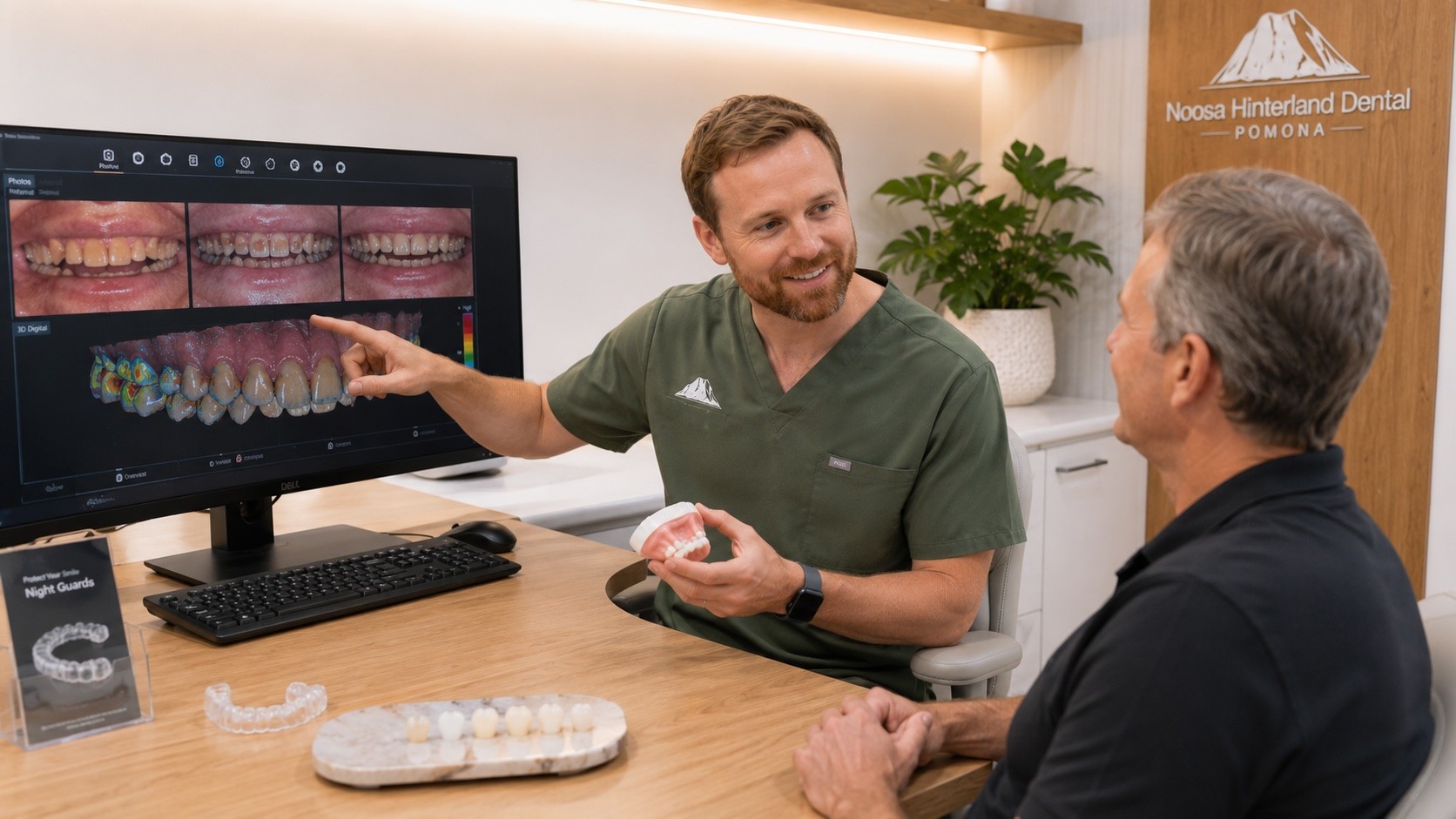
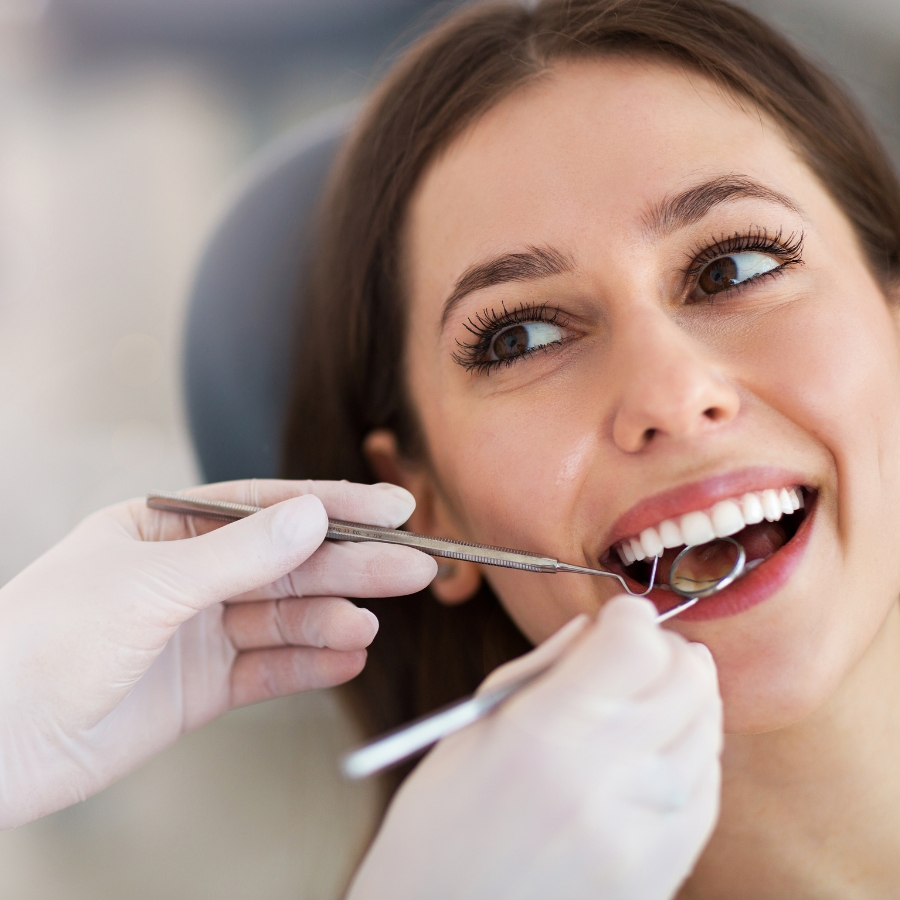
Every tooth is examined on its own merits with a mix of visual checks, gentle probing and digital x rays where needed. The dentist explains what decay is present, whether a filling is suitable and when a stronger option like an onlay or crown might be safer for long term strength. Written, itemised treatment plans help you see which tooth is being treated, what material is proposed and what each part costs.
Our assessment, materials and treatment planning
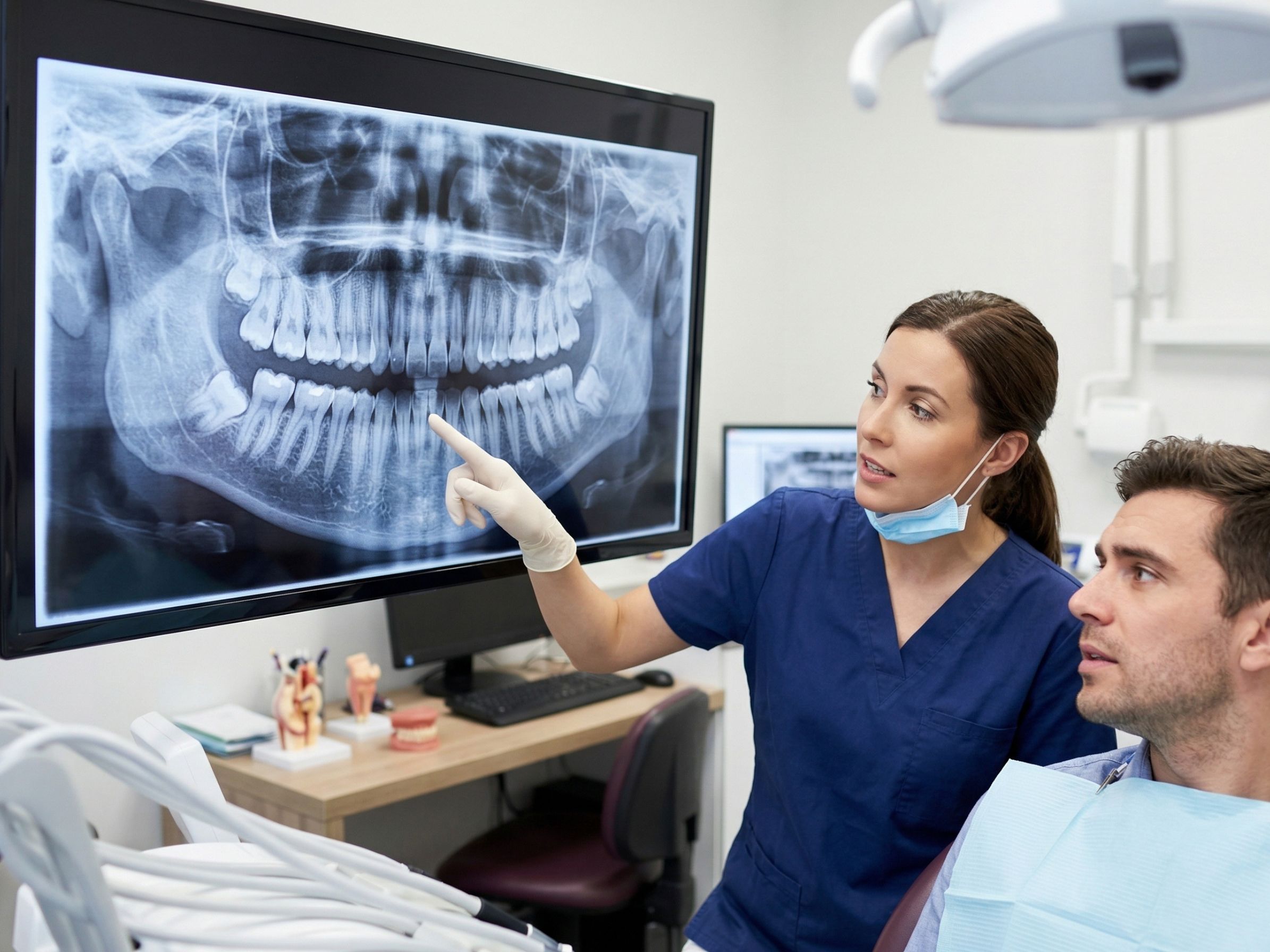
At a typical filling visit, new and existing patients start with a chat about symptoms, medical history and any worries. The dentist then checks the mouth, often with small digital x rays to see between teeth or under old fillings. This information guides whether the tooth needs a filling, root canal, crown or sometimes only preventive care and monitoring.
For most small to moderate cavities, the practice uses tooth coloured composite resin placed in careful layers and shaped to blend with the tooth. When older silver fillings are breaking down or causing cracks, they can be removed safely using rubber dam barriers, high volume suction and amalgam separators that protect both patients and the local environment. The replacement might be a fresh composite filling, a porcelain onlay or a crown, depending on how much sound tooth remains.
Treatment planning focuses on preserving as much healthy tooth as possible while still giving enough strength for daily chewing. The team talks through the pros and cons of each option, expected lifespan, likely future work and how this affects long term costs. This avoids a quick patch that fails early and instead aims for stable, lasting results. Exact recommendations always depend on examining your teeth, x rays and bite, as every mouth is different.
Payment flexibility and support for anxious patients
Money worries and dental anxiety are both very common reasons people delay treatment. To ease cost concerns, the practice provides clear, written quotes before starting and encourages questions about what each item means. HICAPS on the front desk allows on the spot health fund claiming, so you only pay the gap.
For larger treatment plans, payment options can include staged visits and third party services such as Afterpay, Zip Pay and DentiCare that spread costs over time with set instalments. A simple explanation of each option helps you choose what fits your budget best. The team understands that some people feel embarrassed or nervous if they have not seen a dentist for years, and works gently without judgement.
Sedation options may be available for very anxious patients who find treatment difficult, although the most suitable approach depends on age, health and the length of the visit. If fear or cost has kept you away, calling the Pomona clinic to talk through these supports and arrange an assessment can be a helpful first step.
How can you keep filling costs down over the long term?
Keeping long term filling cost Queensland families face as low as possible is mostly about prevention and early care. Good daily habits, regular check ups and prompt treatment of small cavities reduce the need for large, costly restorations and emergency visits. Smart use of health fund limits and payment plans also spreads necessary costs in a more manageable way.
Over time, the cheapest cavity is often the one that never forms or is caught so early that a tiny filling solves it. Delaying treatment on known decay may feel like saving money now, but it usually leads to bigger fillings, crowns, root canals or extractions down the track. For Noosa Hinterland families, a steady pattern of six or twelve monthly visits usually pays off many times over.
Prevention, early treatment and smart planning
Daily home care is the base for lower tooth filling cost over the years.
Key steps include:
-
Brushing twice a day with fluoride toothpaste for two minutes, reaching along the gumline and back molars.
-
Cleaning between teeth once a day with floss or interdental brushes to remove plaque from spots a toothbrush cannot reach.
-
Choosing tap water where it is fluoridated, which adds another small but steady layer of protection for teeth.
Food and drink habits matter as much as brushing. Frequent grazing on sugary snacks, soft drinks, sports drinks and sweetened coffee gives mouth bacteria a constant food supply. Swapping some of these for water, milk, cheese, nuts and vegetable sticks helps both teeth and general health, especially for children. Keeping sweets for mealtimes rather than constant nibbling also reduces risk.
Regular check ups and professional cleans allow your dentist to spot early white spots or small shadows on x rays before they turn into big holes. This often means a simple, cheaper filling or even preventive steps like fluoride treatment or fissure sealants instead of major work. Where several fillings are needed, staging treatment across visits or benefit years and using health fund extras before limits reset can ease the financial load.
When comparing quotes, helpful questions include:
-
Which tooth is involved and is it a front tooth, premolar or molar?
-
How many surfaces need repair and is the decay deep or shallow?
-
Which material is planned and why was it chosen for this tooth?
-
What other items such as x rays, temporary fillings or desensitising treatments are included?
-
How long the work is expected to last if you keep up regular check ups and care.
Asking what the plan would be if the tooth later cracks or needs root treatment also gives a better picture of long term costs and whether a stronger option now may save further work later.
When to book a filling assessment in Pomona
Some signs mean it is time to have a tooth checked even if pain is mild. Sensitivity to hot, cold or sweet foods, sharp twinges when biting, visible dark spots, rough edges or a lost filling can all point to decay or a broken restoration. These problems rarely fix themselves and often worsen quietly.
Not all tooth decay hurts, especially in early stages, which is why regular check ups are still important even when everything feels fine. If you live in Pomona, Cooroy, Cooran, Kin Kin or nearby, booking an assessment at Noosa Hinterland Dental lets a dentist examine your teeth, explain any findings and give a written quote for recommended care. Acting earlier often means simpler visits, less discomfort and lower overall costs. You can phone the practice or use its online contact options to arrange an appointment at a time that suits you.
Summary for Queensland filling costs
Across the state, the filling cost Queensland patients usually face sits in the low to mid hundreds per tooth, with higher fees for large multi surface work and ceramic inlays or onlays. Exact costs still depend on the tooth, how much decay is present, the material chosen, the number of surfaces involved and the time and technology needed for safe treatment. Individual quotes always rely on a proper examination and often x rays, so an in person assessment is needed before any firm figure can be given.
The main message is that early, smaller fillings almost always cost less and feel easier than waiting until a tooth needs root canal therapy, a crown or replacement. Good home care, sensible food choices and regular check ups reduce both dental problems and long term spending. Health funds, the Child Dental Benefits Schedule and Department of Veterans’ Affairs support also soften gaps for many families, especially when item numbers are checked ahead of time.
Noosa Hinterland Dental supports Pomona and Noosa Hinterland residents with clear explanations, modern tooth coloured materials, safe amalgam replacement where needed and flexible payment options. If you have questions about tooth filling cost, dental anxiety or the right treatment for a sore or damaged tooth, calling the clinic to book an assessment and receive a written plan is a sound place to start.
Frequently Asked Questions
Can I get a cheap dental filling in Queensland without risking quality
Question: Can I get a cheap dental filling in Queensland without risking quality. Yes, it is possible, because all AHPRA registered dentists must follow the same safety and infection control rules. Lower fees often reflect shorter appointments or lower overheads rather than unsafe care. Ask what the quote includes, how long is booked, which material will be used and whether x rays and reviews are part of the price.
Does the cost of a filling include the check up and x rays
Question: Does the cost of a filling include the check up and x rays. Sometimes it does, and sometimes each part is billed separately. Most dentists need an examination and often x rays before they can quote for a filling. Ask for a written, itemised plan so you can see the fee for the exam, any x rays and each filling, and then check these item numbers with your health fund if you have one.
Are white fillings more expensive than silver ones in Australia
Question: Are white fillings more expensive than silver ones in Australia. In many practices, tooth coloured composite fillings are slightly dearer than silver amalgam because they take more steps and careful technique. Some clinics now place almost only white fillings. Material choice should still balance cost, strength, appearance, tooth position and how much sound tooth remains, and this is best decided after a clinical examination.
How long should a filling last before I need to replace it
Question: How long should a filling last before I need to replace it. Composite fillings often last about 5 to 7 years, amalgam fillings roughly 10 to 15 years, and ceramic restorations can last 15 years or more. Grinding, high sugar intake, poor brushing and irregular check ups all shorten lifespan. At regular visits, dentists review fillings and suggest replacement only when needed, based on wear, cracks, decay around the edges or changes on x rays.
What happens if I cannot afford all my fillings at once
Question: What happens if I cannot afford all my fillings at once. Start by telling your dentist about your budget so they can prioritise the most urgent teeth. Treatment can often be staged across several visits or benefit years to spread costs. The Pomona practice also offers payment options and services like Afterpay, Zip Pay and DentiCare to help break larger bills into smaller steps. Asking for a written plan with item numbers, likely timing and any sequence options makes it easier to decide what to do first and what to book later.
Contact Us Now to book an appointment with Noosa Hinterland Dental.