Table of Contents
- Is teeth whitening safe?
- How does teeth whitening work and is it safe for enamel?
- Does teeth whitening cause permanent sensitivity or nerve damage?
- Can teeth whitening damage gums, fillings or veneers?
- Who is teeth whitening safe for – and who should be cautious?
- How do dentist-supervised whitening options at Noosa Hinterland Dental keep you safe?
- To sum up
- Frequently asked questions
Is teeth whitening safe?
Teeth whitening is generally safe for most healthy adults when it is planned and supervised by a dentist, using regulated whitening gels, and official patient guidance on teeth whitening confirms the main risks are short term sensitivity and gum irritation rather than lasting harm.
The main safety concerns to discuss are short term sensitivity, mild gum irritation and possible colour mismatch with older fillings or crowns. Understanding how whitening works, and what the evidence says, can make the process feel less worrying.
Teeth whitening means using regulated peroxide gels to break up stains inside the tooth, not grinding away healthy enamel. In a family clinic, it becomes one part of a broader plan that protects gums, nerves and existing dental work. This article explains how whitening works, what evidence shows about enamel safety, common myths about sensitivity and nerve damage, who it suits, and when a Pomona dentist may recommend waiting. It also outlines the supervised whitening options available at Noosa Hinterland Dental in the Noosa Hinterland.
If you are weighing up a whiter smile but feel unsure about safety, a clear guide helps a lot. Read on to learn how whitening affects enamel, nerves, gums and fillings, and how a dentist can keep the process gentle. By the end, you will be ready to have an informed chat at your next check up.
Key takeaways
-
Whitening safety depends on a full dental check and supervision. A dentist finds hidden problems before any gel is used. That means fewer surprises and more even, predictable results.
-
Enamel is not stripped away by dentist prescribed gels. Research shows they work inside the tooth to lighten stains. Any surface changes are usually minor and tend to repair with saliva and fluoride.
-
Short term sensitivity and mild gum irritation are common but usually settle within days. Children, pregnant women and people with untreated decay often need to delay whitening. Local families are usually safest seeking advice from a Pomona dentist who can plan the right option for each person.
How does teeth whitening work and is it safe for enamel?
Teeth whitening works when peroxide based gels pass through enamel and break large stain molecules into smaller ones, so teeth look lighter. Used under dental supervision on healthy teeth, this chemical change is generally considered safe for enamel.
In Australia, dentists are regulated by Ahpra and the Dental Board of Australia and follow guidance from bodies such as the Australian Dental Association (ADA) on safe whitening use. Problems are far more likely when strong gels, abrasive pastes or home tricks are used too often or without any proper check up.
Tip: Before starting any whitening, ask your dentist to explain how the gel strength, wear time and your current enamel condition fit together. A short conversation early can prevent uncomfortable surprises later.
Current reviews from dental organisations report that, when used as directed, professionally supplied whitening products do not cause clinically significant enamel loss or structural damage. They may cause temporary changes on the surface that usually reverse with routine oral care.
What happens to enamel during whitening?
Enamel is the hard outer shell of the tooth, while dentine is the softer inner layer that gives teeth much of their colour. During whitening, molecules of hydrogen peroxide or carbamide peroxide move through tiny pores in the enamel and reach the dentine underneath. There they react with stain molecules from coffee, tea, red wine or tobacco and break them into smaller pieces that reflect light differently.
Studies reviewed by groups such as the ADA and the International Association for Dental Research report no meaningful loss of enamel thickness when dentist prescribed gels and wear times are followed. You might see teeth look a bit chalky or dry straight after in chair whitening, but this is usually temporary dehydration. Saliva and fluoride from toothpaste help minerals move back into the surface over the next day or two, and the enamel regains its normal shine.
By contrast, strong acids like lemon juice or vinegar can actually dissolve enamel over time. Abrasive powders such as charcoal or gritty bicarb mixes can scratch the surface and make it rough. These harsh “natural” methods can leave teeth more prone to new stains and sensitivity, while properly planned whitening aims to change colour from within the tooth without that sort of wear.
Is professional whitening safer than DIY and salon options?
Professional whitening by a dentist is generally safer than chemist kits, beauty salons or social media hacks because it starts with a proper examination and uses regulated gels. Your dentist checks for decay, cracks, gum disease and large fillings, then chooses a suitable product strength and explains how to use it. For families around Pomona and Cooroy, a regulated practice such as Noosa Hinterland Dental also has training and equipment to manage any reaction that might occur.
The table below compares common whitening options.
| Option | Supervision level | Gel strength and fit | Main safety points |
|---|---|---|---|
| In chair whitening at dentist | Dentist present | High strength gel, custom protection | Fast change, soft tissues shielded, medical history checked |
| Dentist take home trays | Dentist prescribes | Moderate strength gel, close fitting trays | Gradual change, lower sensitivity risk, clear written instructions |
| Pharmacy or supermarket kits | Self directed | Low strength gel, generic trays or strips | Mild change, tray fit may be poor, no exam to find hidden problems |
| Beauty salon or non dental shop | Staff without dental law | Unknown gels, one size mouthpieces | No proper diagnosis, risk of burns or severe sensitivity if gels are too strong |
| Social media home tricks | None | Acidic foods or harsh abrasives | Can erode or scratch enamel, long term damage possible even if teeth look whiter |
Professional whitening sits within a wider oral health plan and stays inside Australian rules on product strength. Over the counter products can have a place for maintaining results, but they are not a substitute for a dental examination. Salon and online gels, along with home “hacks”, carry the highest risk because nobody checks if your teeth and gums are healthy enough to cope.
Does teeth whitening cause permanent sensitivity or nerve damage?
Teeth whitening often leads to short bursts of sensitivity, but in healthy teeth this usually settles within a few days and is not linked with permanent nerve damage. The gel can temporarily irritate the pulp, which is the soft tissue and nerve inside each tooth, especially in people who already have thin enamel or gum recession.
Research summarised by organisations such as the ADA and Cochrane Oral Health suggests that whitening sensitivity is common but temporary, and that properly used products do not appear to harm the tooth’s long term vitality. Pain that is strong, lasts for weeks or wakes you at night is not normal and needs a prompt dental check. That is why dentist supervised whitening includes planning to reduce sensitivity and clear advice on when to pause treatment.
What does teeth whitening sensitivity feel like and how long does it last?
Typical whitening sensitivity feels like brief, sharp “zingers” when you drink something cold or breathe cool air across your teeth. These twinges often start during treatment or within the first day after a session. For most people, the feelings peak in the first 24 to 48 hours and then fade as soon as they stop or spread out their whitening sessions.
This happens because the peroxide moves through microscopic tubules in the dentine and reaches the nerve tissue, which reacts with temporary inflammation. Teeth with worn enamel, exposed roots from gum recession, large fillings or small cracks give the gel faster access, so they are more likely to feel tender. Using multiple whitening products at once or very strong gels without guidance can also raise the risk. In a healthy tooth, however, the pulp usually settles once the irritation stops and there is no ongoing damage.
How do dentists reduce and manage whitening sensitivity?
Dentists can plan ahead to make sensitivity milder and shorter lived. They may suggest:
-
Using a sensitive toothpaste containing ingredients like potassium nitrate or stannous fluoride for one or two weeks before you start whitening
-
Switching to a softer brush and gentler brushing technique
-
Avoiding very hot or icy drinks in the lead up to treatment if you already notice twinges
In some cases, they apply fluoride varnish or a special desensitising gel to vulnerable teeth during your visit, then choose a lower strength whitening gel or shorter wear time.
With take home trays, your dentist can tell you to:
-
Skip a day between wears
-
Cut each session a little shorter
-
Change to a different formula if tenderness appears
In the chair, the team can pause treatment, give you a break, or apply extra desensitising products if you feel sharp zings. At home, you can help by avoiding very hot or icy drinks for a couple of days, brushing gently with a soft brush and using a sensitive toothpaste morning and night. If strong pain continues, especially in one tooth or at night, you should stop whitening and book an urgent visit in Pomona.
Can teeth whitening damage gums, fillings or veneers?
Teeth whitening gels can irritate gums and other soft tissues if they sit in the wrong place, but this is usually short lived and preventable with good technique. On dental work such as fillings, crowns, veneers and implants, the main issue is that they do not change colour while natural teeth become lighter, which can leave a mismatch. The gels used in professional whitening are designed to lighten tooth enamel and dentine, not to dissolve porcelain, metal or composite resin. Serious harm is more likely when strong products are used without barriers, or when someone keeps bleaching teeth that already have large cracks or untreated disease.
What are the real risks to gums and soft tissues?
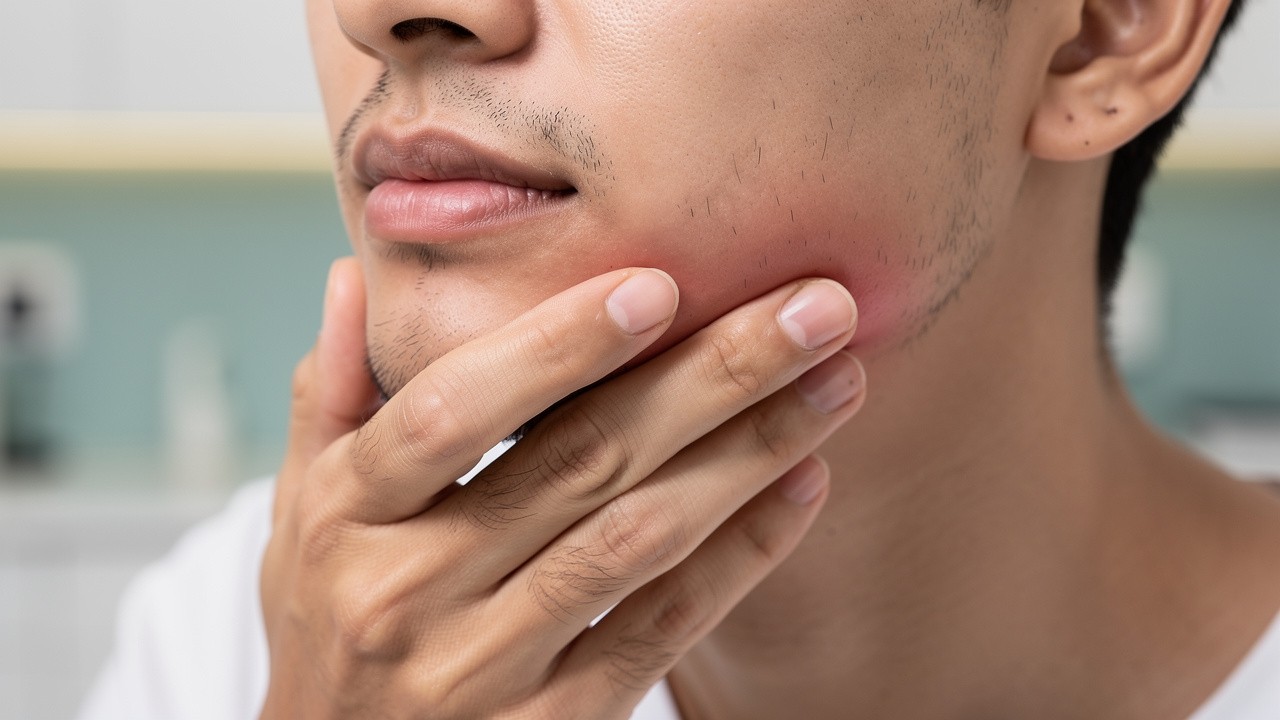
When whitening gel touches unprotected gums, lips or cheeks, you might notice a white or red patch, or feel a mild sting. These spots usually heal within a day or two after the contact stops, and they rarely leave lasting marks.
In the chair, dentists:
-
Place a thick protective coating over the gums
-
Use tools to hold your cheeks and lips away
-
Carefully control where the gel sits and for how long
With take home trays, they provide snug trays so less gel escapes and they teach you to wipe away any excess that squeezes out.
At home, people sometimes run into trouble when they overfill generic trays, fall asleep wearing them for too long or keep using gels on sore tissues. Much greater risks appear with unregulated salon treatment or very strong online products, where gels of unknown strength may sit on gums for long periods.
Red flags include:
-
Intense pain or burning
-
Large blisters or peeling tissue
-
Swelling of lips or cheeks
-
Trouble swallowing or breathing
In those situations, you should rinse well with water and seek urgent dental or medical care.
How does whitening affect fillings, crowns, veneers and implants?
Whitening gels work on natural tooth structures and do not reliably change the colour of porcelain crowns, composite fillings, veneers or titanium implants. After whitening, you might notice that old front fillings, crowns or veneers look darker or more yellow because the surrounding teeth have become lighter. For this reason, dentists often suggest whitening first, then matching any new cosmetic work to the lighter shade once the colour has settled.
If a tooth has had root canal treatment and gone dark from the inside, your dentist may offer internal whitening. In that case, the gel is placed inside the tooth in the surgery under strict control, rather than in a home tray.
Whitening does not usually weaken modern materials, although very old or rough fillings might pick up slight surface changes that are mostly cosmetic. Your dentist can smooth, polish or replace visible restorations after whitening if you want a more even look.
Who is teeth whitening safe for – and who should be cautious?
Teeth whitening is usually safe for adults who have healthy teeth and gums, with staining from food, drinks, smoking or natural ageing, once a dentist has checked them. Children, pregnant or breastfeeding women, and anyone with untreated decay, gum disease, cracks or severe wear often need a different plan before they even think about bleaching.
People with strong dental anxiety can often whiten safely when the steps are explained calmly and treatment is paced to suit them. A proper assessment helps your dentist decide whether whitening right now will help, do little, or carry more risk than benefit.
When is whitening usually safe and worthwhile?
The best whitening candidates are adults with:
-
No untreated cavities, gum disease, broken fillings or toothache
-
Tooth colour as their main concern rather than shape or crowding
-
Stains from coffee, tea, red wine, smoking, or gradual yellowing over time
Whitening can often lighten the natural colour by several shades in these cases, but it cannot fix crooked teeth, close gaps or hide large chips.
For anxious adults, custom take home trays can be a gentle way to start, because they allow shorter visits and more control over timing. In chair whitening suits people who want a noticeable change in a single visit and are comfortable in the dental chair for longer.
In both cases, your dentist talks through likely results and explains that no system can promise an exact “celebrity white”. Setting fair expectations at the start keeps people happier with their results.
Who should delay or avoid teeth whitening?
Cosmetic whitening is not usually recommended for children or younger teens because their teeth and nerves are still developing and are more easily irritated. For these age groups, dentists focus on:
-
Good brushing habits and fluoride use
-
Diet advice to reduce staining and decay risk
-
Professional cleaning, which often improves appearance on its own
Older teens may sometimes be considered on a case by case basis, with parental consent and careful supervision, when there is a clear cosmetic concern.
Pregnant or breastfeeding women are usually advised to wait, because there is limited research on whitening safety during these times and many guidelines recommend a cautious approach.
People with active problems such as:
-
Cavities or broken teeth
-
Gum disease or infections
-
Cracks and exposed roots
-
Heavy wear or strong acid erosion
should treat those issues first. Many large restorations can also make whitening less effective and more uncomfortable.
In those situations, a dentist can suggest other cosmetic options such as bonding or veneers, and at this Pomona clinic this is built into a wider plan for long term oral health.
How do dentist-supervised whitening options at Noosa Hinterland Dental keep you safe?
Dentist supervised whitening at this Pomona clinic focuses on safety, comfort and realistic results for local families. Every whitening request starts with a full oral health check, medical history review and an honest talk about your goals and budget.
The team may suggest:
-
In chair Philips Zoom whitening
-
Custom take home trays
-
A different cosmetic approach, such as veneers or bonding, if colour is only part of the concern
Throughout, they watch for signs of sensitivity, protect gums carefully and support anxious patients with clear, kind communication and, where suitable, sedation options such as nitrous oxide.
What does a safe whitening visit in Pomona look like?
You will find the clinic at 8 Memorial Avenue in Pomona QLD 4568, and you can phone (07) 5485 5340 or visit the practice website. A typical cosmetic consult often includes:
-
A chat about your health, medicines, past dental experiences and what you hope to change about your smile
-
An examination of your teeth and gums
-
Digital x rays if needed
-
An assessment of staining patterns, old fillings, cracks or signs of grinding
After this, you receive clear explanations of all suitable options, which might include in chair Philips Zoom, professional take home trays or other treatments like veneers or bonding when shape and alignment matter too. You get time to ask questions and think, without pressure to decide that day.
The clinic environment is calm and family friendly, and staff use a “tell show do” style so you know what is happening before any step. For nervous patients, they are happy to pause, shorten visits or discuss sedation so whitening feels more manageable.
In-chair Zoom vs take-home kits – which is safer for you?
Both in chair Philips Zoom and custom take home trays are safe when your Pomona dentist has checked your mouth and chosen the right gels. The safest option for you depends more on your lifestyle, sensitivity risk and anxiety level than on which system is “stronger”. Many people like to weigh up the pros and cons of each approach.
-
In chair Philips Zoom gives a fast change in one longer visit at the clinic. The dentist or trained staff place barriers on your gums and carefully apply a high strength gel, then use a special light that helps the gel work within a set time. You leave with an immediate shade change, along with aftercare advice to protect your new colour and reduce sensitivity.
-
Custom take home kits use snug trays made from moulds or scans of your teeth and a lower strength gel. You wear the trays for set periods across several days or weeks, stopping or spacing sessions out if teeth feel tender. This approach suits people who prefer shorter visits, more control over timing or a gentler pace for sensitive teeth.
-
Both options share key safety benefits, because a dentist has examined you, chosen trusted products and remains available if questions or side effects arise. Busy adults before a big event may lean toward in chair whitening, while those with anxiety, young families or shift work often like take home trays. Booking a whitening consult helps you match the method to your enamel, your schedule and your comfort needs.
To sum up
Teeth whitening is usually safe for healthy adult teeth when a dentist in Pomona checks your mouth first and supervises treatment. Professional gels lighten stains inside enamel and dentine rather than grinding away the surface, which means enamel damage myths often come from harsh home tricks instead. Common side effects such as short term sensitivity, mild gum irritation and colour mismatch with old fillings are usually manageable and fade reasonably quickly.
Not everyone is ready for whitening, and children, pregnant women and people with untreated dental disease often need other care first. Talking through your medical history, anxiety level and cosmetic goals helps your dentist suggest the right timing and method.
If you would like personal advice about safe whitening in the Noosa Hinterland, you can contact the Pomona clinic on (07) 5485 5340 or visit the practice website to arrange a cosmetic consultation.
Frequently asked questions
Is teeth whitening safe for teenagers?
Teeth whitening is usually avoided in children and younger teenagers because their teeth and nerves are still developing. Older teens may sometimes whiten under close dental supervision with parental consent and lower strength gels. A check up and professional clean at the Pomona clinic often improves appearance without bleaching.
How often is it safe to whiten your teeth?
Most adults only need a full whitening course every few years, then occasional top up nights with dentist approved trays. Before repeating, a quick check up lets your dentist find new problems that whitening could aggravate. Very frequent DIY bleaching or stacking products can raise the risk of sensitivity and enamel changes.
Is blue light or laser whitening safer than other methods?
The active whitening work is done by the peroxide gel rather than the light. In regulated dental settings, light settings and exposure times are controlled carefully to protect teeth and gums. Diagnosis, gel choice, product strength and soft tissue protection matter more for safety than whether a light is used.
Are “natural” whitening methods like charcoal and lemon juice safe?
Acidic substances like lemon juice or vinegar can erode enamel permanently, even if teeth look brighter at first. Abrasive powders such as charcoal or gritty bicarb can scratch enamel and increase staining and sensitivity over time. It is safer to stick with dentist approved products and talk through any home ideas with a dental professional.
What should I do if my teeth hurt a lot after whitening?
If your teeth hurt a lot after whitening, stop using all whitening products straight away. Brush gently with a sensitive toothpaste and avoid very hot or icy food and drinks. Call the Pomona clinic or another local dentist promptly, especially if pain is severe, ongoing or linked to one tooth.
Can teeth whitening weaken my fillings or cause them to fall out?
Whitening gels do not dissolve or weaken modern filling materials when used as directed. Old or poorly bonded fillings may simply look darker after whitening because the surrounding enamel is lighter. Your dentist might suggest replacing visible fillings for cosmetic reasons, but this is a choice about appearance, not usually a safety problem.
How can I book a teeth whitening consultation in Pomona?
Book an appointment today: call the practice on (07) 5485 5340, or contact us at https://noosahinterlanddental.com.au/ to request a whitening consultation. A whitening consultation will include a check of your teeth and gums, a discussion of your goals, and advice on whether in chair or take home whitening is the better fit for you.